
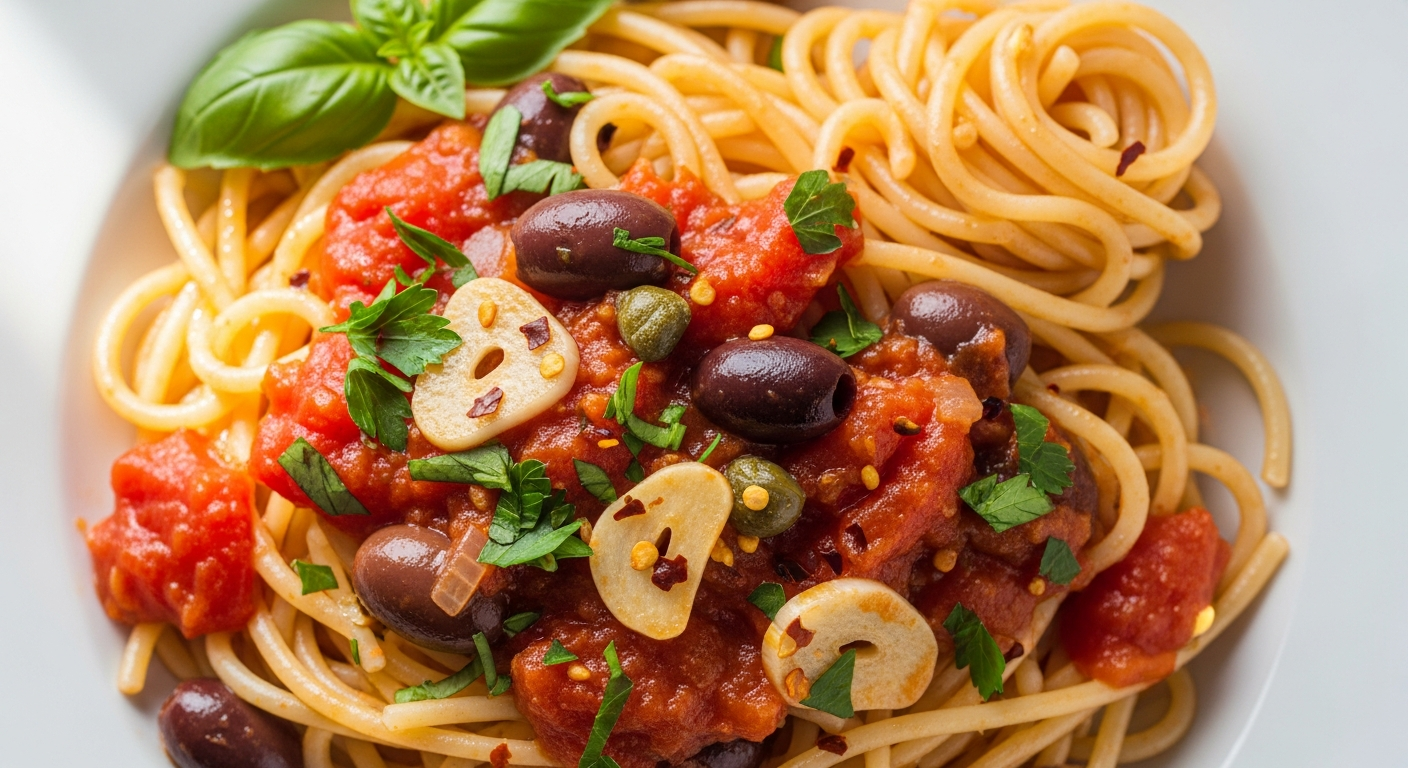
In the vibrant world of Italian cuisine, few dishes evoke as much passion and intrigue as Pasta Puttanesca. This bold, briny symphony of flavors-anchovies mingling with salty olives, ripe tomatoes, capers, and garlic-creates a sauce that is as daring as it is delightful. Born from humble origins along the sun-soaked coasts of Naples, Pasta puttanesca captures the essence of seaside cooking: simple ingredients transformed into a robust, unforgettable dish.Join us as we unravel the history, flavors, and secrets behind this iconic blend that has boldly conquered palates across the globe.
The Origins and History Behind Pasta Puttanesca
Pasta Puttanesca is an iconic Italian dish that instantly captivates with its bold and briny flavors, rooted deeply in the culinary traditions of Naples. Legend has it that this vibrant sauce was created in the mid-20th century, either as a late-night quick fix for Naples’ working-class or as a flavorful option for busy women seeking to entice visitors with robust, aromatic ingredients readily available in their pantries.
The name itself,intriguing and playful,echoes the saucy personality this dish carries. Anchovies and olives, key to the sauce, conjure a symphony of umami and saltiness, accented by the zing of capers and tomatoes, creating a spirited dish unmatched in intensity and simplicity.
Prep and Cook Time
- Prep Time: 10 minutes
- Cook Time: 20 minutes
- Total Time: 30 minutes
Yield
Serves 4 generous portions
Difficulty Level
Easy – Perfect for cooks of any level eager to dive into authentic italian flavors.
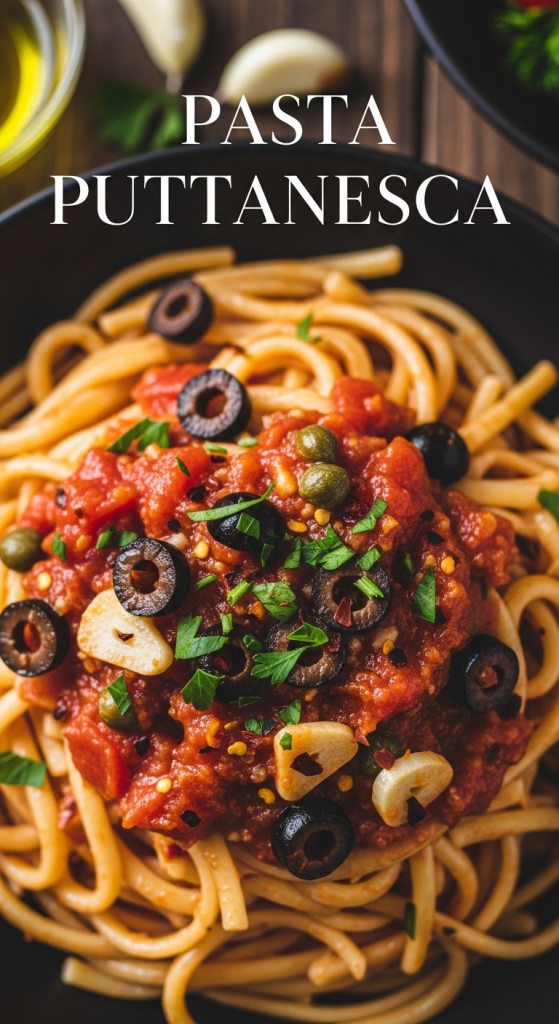
Key Ingredients That Define Its Bold Flavors
- 6 anchovy fillets packed in oil, finely chopped
- 1/3 cup black olives, pitted and roughly chopped (preferably Gaeta or Kalamata)
- 2 tablespoons capers, rinsed
- 1 large can (28 oz) crushed tomatoes or high-quality passata
- 4 cloves garlic, minced
- 1/2 teaspoon red pepper flakes, adjust to taste
- 1/4 cup extra-virgin olive oil
- Fresh parsley, finely chopped, for garnish
- Salt and freshly ground black pepper, to taste
- Fresh spaghetti or your preferred pasta (400 grams)
Step by Step Guide to Crafting the Perfect Sauce
- Heat the olive oil in a wide skillet over medium heat until shimmering but not smoking.
- Add the minced garlic and red pepper flakes, sautéing gently for about 1 minute to release aromas, taking care not to burn the garlic.
- Introduce the chopped anchovy fillets. Stir continuously as they dissolve into the oil, creating a deeply savory base-this is the secret umami boost.
- Add the chopped olives and capers,stirring to coat them in the fragrant oil. Let them slightly crisp for 2-3 minutes to concentrate their flavors.
- Pour in the crushed tomatoes and stir to combine. Bring to a gentle simmer, reduce the heat to low, and let the sauce cook uncovered for 10-15 minutes, stirring occasionally. This slow simmer melds the robust flavors beautifully.
- Season with freshly ground black pepper and taste for salt. Note that both anchovies and capers are naturally salty, so adjust carefully.
- Meanwhile, cook your pasta in salted boiling water according to package instructions until al dente.
- Reserve a cup of pasta water before draining. Toss the drained pasta directly into the sauce, adding pasta water little by little to achieve a silky, well-coated finish.
- Finish with chopped fresh parsley to add a bright, herbaceous note.
- Serve instantly with a drizzle of extra-virgin olive oil and optional red pepper flakes for extra heat.
Tips for Pairing Pasta Puttanesca with Wine and Sides
When it comes to complementing the intense flavors of Pasta Puttanesca, steer towards clean, crisp, and slightly acidic white wines such as a Greek Assyrtiko or an Italian Vermentino. These wines help balance the saltiness and cut through the richness without overpowering the dish.
For sides, consider a simple arugula salad drizzled with lemon and olive oil, which adds peppery freshness. Crusty artisan bread works wonderfully to soak up every last bit of the vivid sauce. Roasted vegetables like zucchini or eggplant also pair nicely, providing earthy contrast to the sharp and savory notes.
Chef’s Notes and Tips for Success
- Ingredient substitutions: If anchovies are unavailable, use anchovy paste sparingly, but avoid skipping entirely as it’s the cornerstone of umami here.
- Balancing saltiness: Since olives, capers, and anchovies pack salt, always taste before adding extra salt to avoid an overpowering dish.
- Make-ahead tip: The sauce improves if made a few hours ahead or the day before, allowing all flavors to fully harmonize.
- Pasta choices: While spaghetti or linguine are classic, feel free to experiment with bucatini or even short pasta for a different texture.
- Heat control: Adjust red pepper flakes according to your spice tolerance; the subtle heat perfectly complements the sauce’s boldness.
- Storage: Refrigerate leftovers in an airtight container up to 3 days; reheat gently adding a splash of water or olive oil to revive the sauce.
Serving Suggestions
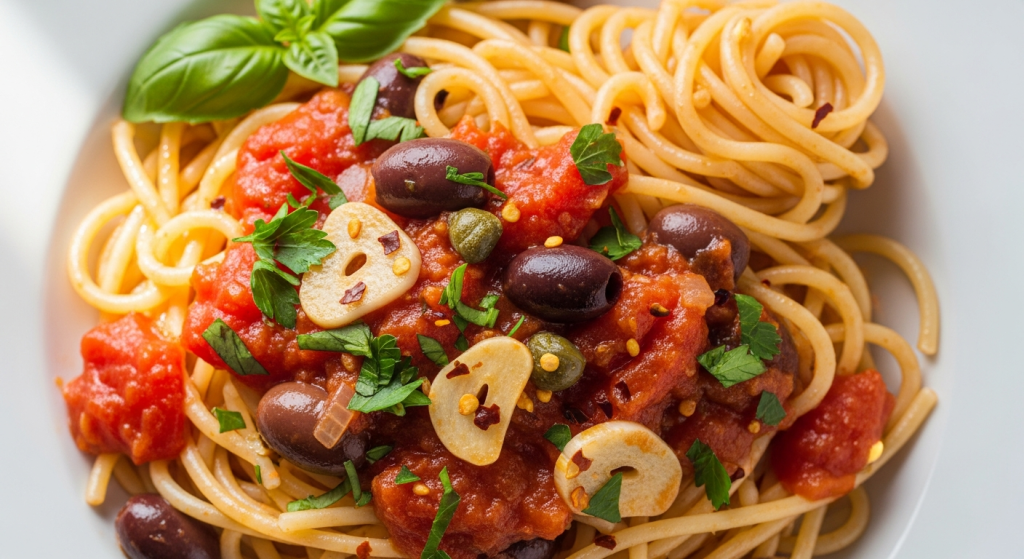
Plate the pasta with an extra sprinkle of chopped parsley and a few whole olives and capers for a visual pop. A light drizzle of extra-virgin olive oil just before serving elevates the texture and sheen. For a touch of freshness,add thinly sliced lemon zest or microgreens on top. Enjoy alongside a chilled glass of your favorite white wine and a crisp green salad for a perfectly balanced meal.
| nutrient | Per Serving |
|---|---|
| Calories | 420 kcal |
| protein | 18 g |
| Carbohydrates | 65 g |
| Fat | 10 g |
Discover other vibrant pasta sauces to master in our Classic Italian Pasta Sauces guide.
Q&A
Q&A: Pasta Puttanesca – A Bold Blend of Anchovies & Olives
Q1: What exactly is Pasta Puttanesca?
A: pasta Puttanesca is a vibrant Italian dish known for its punchy,savory sauce made from a medley of anchovies,olives,capers,garlic,and tomatoes.Originating from Naples,it balances salty,briny,and tangy flavors,delivering a bold culinary experience that awakens the palate with every bite.
Q2: Where does the name “Puttanesca” come from?
A: The term “Puttanesca” roughly translates to “in the style of the prostitute” in Italian. Legend has it that the dish was a quick, robust option created by Neapolitan women of the night, designed to be cooked swiftly between clients using pantry staples like anchovies, olives, and capers. Whether fact or folklore, the name hints at the dish’s bold, unapologetic character.
Q3: What makes the anchovies in Pasta Puttanesca so special?
A: Anchovies are the secret umami powerhouse of Pasta Puttanesca. Unlike a fishy hint, they dissolve into the sauce, imparting depth and a salty richness that enhances the olives and tomatoes. They provide a savory backbone that’s essential to the dish’s authentic flavor profile.
Q4: Can you describe the flavor profile of puttanesca sauce?
A: Puttanesca is a symphony of salty, tangy, and slightly spicy notes. The saltiness from anchovies, olives, and capers contrasts beautifully with the natural sweetness and acidity of ripe tomatoes. A hint of red chili flakes often adds a warm kick, while garlic and olive oil bring lusciousness, rounding out an intense yet balanced flavor experience.
Q5: What type of pasta works best with Puttanesca sauce?
A: Conventional Pasta Puttanesca is most commonly paired with spaghetti or linguine. Their long, slender shapes hold onto the chunky sauce beautifully, allowing every forkful to carry the bold flavors. However, penne or rigatoni can also be excellent choices, cradling the robust bits of olives and capers in their tubes.
Q6: Are there vegetarian versions of pasta Puttanesca?
A: While anchovies are a hallmark ingredient, some versions skip them for a fully vegetarian twist, intensifying the flavor with extra olives, capers, and herbs like oregano or basil. To maintain the umami punch, roasted mushrooms or sun-dried tomatoes can be added, giving the sauce savory complexity without compromising its signature character.
Q7: How can one prevent the sauce from becoming too salty?
A: Since anchovies, olives, and capers are naturally salty, it’s vital to use them judiciously. Starting with smaller quantities and tasting as you go helps maintain balance. Also, rinsing capers and pitted olives briefly under cold water can mellow their saltiness. Remember,better to add more gradually than to cure an overly salty sauce.
Q8: What kitchen tips make preparing Pasta Puttanesca easier and more delicious?
A: Start by gently melting anchovies in olive oil to let them dissolve fully, creating a flavorful base. Use fresh garlic and don’t rush its sauté – it infuses the oil with aroma without burning. When adding olives and capers, consider chopping them roughly to spread their flavor evenly. Finish with fresh parsley to brighten the dish and a sprinkle of chili flakes if you desire heat.
Q9: Why has Pasta Puttanesca remained a beloved dish over the decades?
A: Its enduring popularity stems from its bold, no-nonsense flavor and quick preparation. Puttanesca feels both rustic and elegant-a perfect balance of pantry ingredients turning simple staples into an irresistible meal. It captures the spirit of Mediterranean cooking: fresh, vibrant, and full of personality.
Q10: Can pasta Puttanesca be served as more than just a main course?
A: Absolutely! Puttanesca can act as a zesty sauce for grilled vegetables, a topping for bruschetta, or even a flavorful base for baked fish dishes. Its versatility and punchy flavor make it a fantastic companion to many Mediterranean-inspired plates beyond pasta.
wrapping Up
In the vibrant world of Italian cuisine, Pasta Puttanesca stands out as a fearless flavor symphony-where salty anchovies dance with briny olives, and tangy tomatoes bring it all together. This bold blend is not just a dish; it’s a story of tradition and audacity, a testament to how a few simple ingredients can create a memorable and mouthwatering experience. Whether you’re seeking to spice up a weeknight dinner or explore the roots of southern Italian cooking, Pasta Puttanesca invites you to savor its spirited charm, reminding us that sometimes, the most unassuming flavors make the greatest culinary statements.