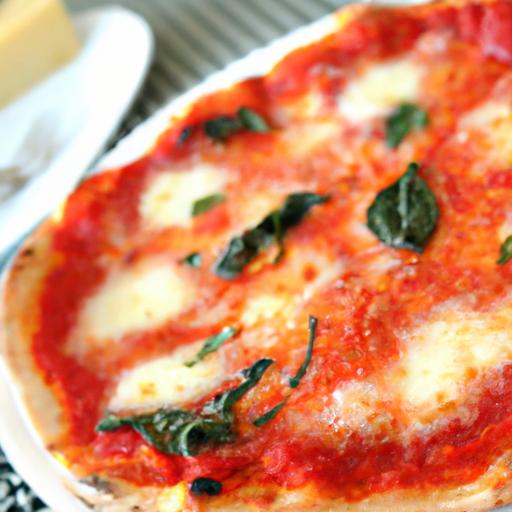

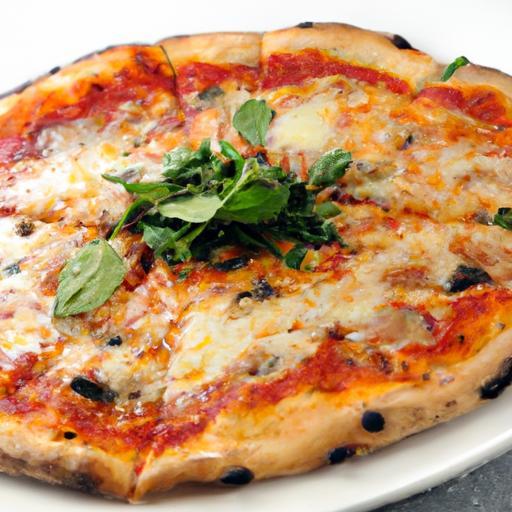
In a world swirling with culinary innovation and daring flavor fusions, the classic Margherita pizza remains a timeless beacon of simplicity and elegance. Rooted in tradition yet endlessly beloved, this iconic dish tells a story of fresh ingredients harmonizing in perfect balance-a canvas where ripe tomatoes, creamy mozzarella, fragrant basil, and a golden, crisp crust unite to create a slice of edible art.
“Perfect Classic Margherita Pizza” invites you to discover not just a recipe, but an experience that honors centuries-old craft while empowering home cooks to master this beloved classic with ease. Whether you’re a seasoned foodie or a novice in the kitchen, join us as we unravel the secrets that make Margherita pizza a perennial favorite around the world.
Timeless Taste begins with mastering the authentic dough-this is the very heart of a classic Margherita pizza experience. Originating from the sun-drenched streets of Naples, where simplicity meets quality, this dough sets the stage for the iconic harmony of fresh basil, mozzarella, and tangy tomato sauce. Creating the perfect base is less about complexity and more about respect for quality ingredients and technique. Through well-hydrated flour, patient fermentation, and gentle handling, you develop a crust that’s crisp yet tender, fragrant yet subtle-ready to carry all the flavors that define this beloved Italian tradition.
Prep and Cook Time
- Preparation: 15 minutes
- Fermentation: 8-12 hours (overnight)
- Cooking: 7-10 minutes
- Total Time: Approximately 9-12 hours (mostly inactive fermentation)
Yield
Serves 2 large pizzas (8 inches each) or 4 personal-sized Margheritas.
Difficulty Level
Medium – Requires some fermentation time but easy active preparation.
Ingredients
- 500g (3 1/3 cups) high-protein bread flour, sifted
- 325ml (1 1/3 cups) lukewarm water
- 10g (2 tsp) fine sea salt
- 3g (1 tsp) active dry yeast
- 15ml (1 tbsp) extra-virgin olive oil
- 350g fresh San Marzano tomatoes (or canned whole peeled tomatoes, drained)
- 200g fresh mozzarella di bufala, torn into chunks
- Fresh basil leaves, a generous handful
- Coarse sea salt and freshly ground black pepper, to taste
- Extra-virgin olive oil, for drizzling
Instructions
- Activate the yeast: In a small bowl, dissolve 3g active dry yeast in 100ml lukewarm water. Let it bloom for 5-7 minutes until frothy.
- Mix the dough: In a large bowl,combine bread flour and sea salt. Create a well, then gradually add the activated yeast mixture, remaining water (225ml), and extra-virgin olive oil.Mix gently with your hand or a spoon until the dough starts to come together.
- Knead: Transfer dough to a clean surface and knead for 10 minutes-press, fold, and stretch-to develop a smooth and elastic texture. The dough shoudl be slightly tacky but not sticky.
- Ferment: Place dough in a lightly oiled bowl, cover with a damp cloth or plastic wrap, and let it rise in a warm spot for 8-12 hours. The dough should double in size with visible bubbles indicating fermentation.
- Prepare the sauce: While the dough ferments, pulse fresh San Marzano tomatoes briefly in a blender to a chunky texture. Season lightly with salt and a drizzle of olive oil-no cooking necessary to preserve brightness and tang.
- Shape the dough: Once risen, punch down the dough gently and divide into two equal parts. On a floured surface, stretch each portion by hand into an 8-inch round.Avoid using a rolling pin to retain air bubbles and lightness.
- Assemble the pizza: Place stretched dough on a floured pizza peel or baking sheet. Spread a thin layer of tomato sauce evenly across the surface, leaving a small border. tear chunks of fresh mozzarella and distribute over the sauce. Scatter fresh basil leaves.
- Bake: Preheat your oven with a pizza stone or steel at the highest temperature (450-500°F / 230-260°C) for at least 45 minutes. Slide pizza onto the stone and bake for 7-10 minutes until crust is blistered, golden, and cheese is melted with tiny golden pockets.
- Finish and serve: Remove pizza, drizzle with a touch more olive oil, season lightly with coarse sea salt and fresh black pepper. serve instantly and enjoy the timeless harmony of these classic flavors.
Tips for Success: Perfecting the Classic Margherita Dough
- Flour choice matters: Use bread flour high in protein to develop strong gluten, giving you that lovely chew and structure.
- Cold fermentation option: for more depth, ferment dough overnight in the fridge and bring to room temperature before shaping.
- Stretch, don’t roll: Stretching preserves the bubbles, giving your crust light pockets and a tender crumb.
- Use fresh, quality tomatoes: the richness of your sauce depends on the fruit’s quality-San Marzano tomatoes are the gold standard.
- Moisture management: Pat the mozzarella dry if it seems very wet to avoid soggy crusts.
- oven heat is key: If you don’t own a pizza stone, a cast iron skillet flipped upside down works well to simulate high heat.
Serving Suggestions
Serve your masterpiece with a light scatter of fresh basil leaves and a drizzle of high-quality extra-virgin olive oil to amplify the Perfect Classic Margherita Pizza. Pair with a crisp arugula salad tossed lightly with lemon and olive oil for contrast. For an inviting presentation, slice pizza thinly with a sharp pizza cutter and serve on a rustic wooden board. A sprinkle of crushed red pepper flakes or a dash of freshly cracked black pepper can add a subtle kick without overpowering the traditional flavors.

| Nutrient | Per Serving (1/2 pizza) |
|---|---|
| Calories | 380 |
| Protein | 18g |
| Carbohydrates | 50g |
| Fat | 12g |
| Fiber | 3g |
Explore more on the art of dough fermentation in our Artisan Pizza Dough Fermentation Guide, or dive deeper into the tomato’s journey with insights from National Geographic’s Global Tomato History.
Q&A
Q&A: Perfect Classic Margherita Pizza
Q1: What makes the Margherita pizza a timeless classic in the world of pizza?
A1: The Margherita pizza embodies simplicity and harmony. With its trio of fresh ingredients-ripe tomatoes, creamy mozzarella, and fragrant basil-it celebrates authentic Italian flavors without complexity. This minimalism highlights quality over quantity, allowing each element to shine and creating a balanced, soulful experience that never goes out of style.
Q2: How can beginners make a Margherita pizza that rivals pizzeria quality at home?
A2: Start with the basics: use high-quality, fresh ingredients and pay close attention to dough preparation. Letting your dough ferment slowly develops a light, tender crust. when assembling, don’t overload toppings-less is more to maintain the pizza’s delicate balance. Lastly,a very hot oven (ideally 500°F or above) helps achieve that perfect crust with slightly charred edges and melted cheese.
Q3: Why is the dough such a crucial component of the Margherita pizza?
A3: The dough is the canvas on wich all flavors are painted.A well-made dough offers the perfect combination of chewiness and crispness,providing textural contrast to the soft mozzarella and juicy tomatoes. Its the foundation that transforms simple toppings into a memorable bite, connecting taste and tradition in every mouthful.
Q4: Can you suggest simple tips to enhance the tomato sauce without complicating the recipe?
A4: Absolutely. Use fresh, ripe plum tomatoes or high-quality canned San Marzano tomatoes for natural sweetness and acidity.Avoid cooking your sauce too long; a lightly crushed tomato base seasoned with a pinch of sea salt and a drizzle of extra virgin olive oil captures brightness and freshness. The sauce should complement rather than overpower.
Q5: What role does basil play beyond flavoring the pizza?
A5: Basil adds a fresh, aromatic lift that cuts through the richness of mozzarella and the acidity of tomatoes. Its vibrant green color also provides visual appeal, honoring the Italian flag’s hues on the pizza. Adding basil just before or after baking preserves its delicate aroma, making each slice fragrant and inviting.
Q6: Are there any common pitfalls to avoid when making a Margherita pizza at home?
A6: Yes-one of the biggest mistakes is overloading the pizza with toppings, which can make the crust soggy and dilute the classic flavors.Another is baking at too low a temperature, resulting in a dense, chewy base rather than one with a slight char and lightness. Lastly, skipping resting time for dough or sauce limits flavor progress.
Q7: How can one achieve the ideal balance between the crust and toppings?
A7: Aim for harmony in texture and flavor. the crust should be thin enough to let the toppings’ freshness shine through but resilient enough to hold them without becoming soggy. Use just enough mozzarella to create creamy pockets without excess moisture, and apply the tomato sauce sparingly. This balance ensures every bite is a perfect blend of crunch, softness, and zest.
Q8: Is it necessary to use fresh mozzarella, or can other types of cheese be used?
A8: Fresh mozzarella is preferred for its mild creaminess and melting qualities that define the classic Margherita. It offers a luscious texture and subtle flavor that pairs beautifully with tomatoes and basil. While some variations use other cheeses, sticking to fresh mozzarella keeps the pizza authentic and true to its roots.
Q9: How meaningful is the baking surface in making an authentic Margherita pizza?
A9: Very important. Traditional pizzerias use stone or brick ovens that distribute heat evenly and create intense radiant heat for a crisp crust and beautifully blistered toppings. At home, a pizza stone or steel heats up similarly, drawing moisture from the dough and producing that coveted texture and slight char reminiscent of authentic Naples-style pizza.
Q10: Beyond the kitchen, what does the Margherita pizza symbolize in Italian culture?
A10: The Margherita pizza is a delicious emblem of Italian pride, blending history, artistry, and simplicity. It symbolizes the unity of Italian colors, the party of local ingredients, and the joy found in humble, honest food shared with loved ones. Enjoying a Margherita is not just eating-it’s partaking in a soulful tradition that honors flavor, craftsmanship, and togetherness.
To Wrap It Up
the classic Margherita pizza reminds us that culinary brilliance often lies in simplicity-a harmonious blend of fresh ingredients, time-honored techniques, and a touch of passion. By mastering its art, we don’t just create a meal; we celebrate a timeless tradition that continues to delight taste buds across generations. So roll up your sleeves, embrace the simplicity, and let each slice be a delicious tribute to the enduring magic of the Margherita. After all, some tastes truly never go out of style.