
Coconut Rice: Zesty Flavor Meets Creamy Comfort
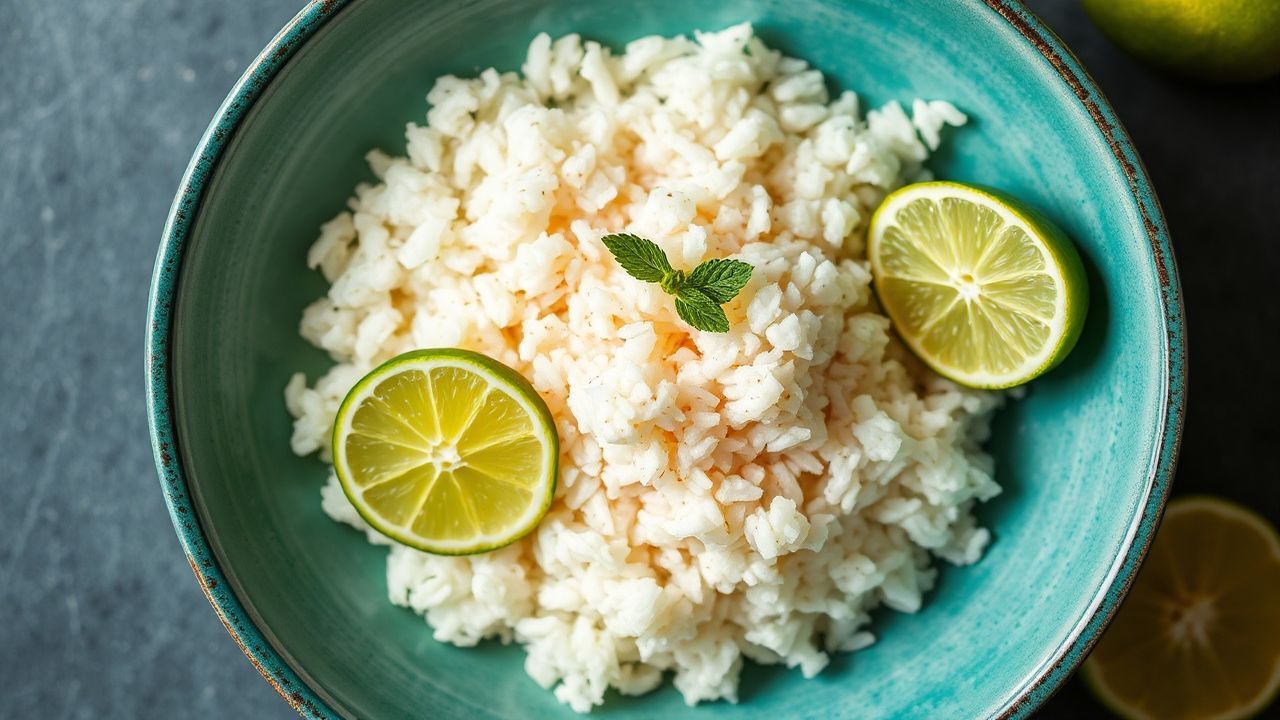
Coconut Rice brings together tangy lime and silky coconut milk to create a tropical side that complements spicy mains and grilled seafood. This recipe emphasizes precise timing and technique to get tender, separate grains with a creamy mouthfeel.
- Coconut Rice: Quick Overview
- Prep, Timing, and Yield
- Ingredients and Why They Matter
- Step-by-Step Cooking Method
- Tips, Variations, and Pro Techniques
- Serving Suggestions to Elevate Every Meal
- Nutrition, Storage, and Safety
- Common Mistakes and How to Avoid Them
- FAQ
- Is Coconut Rice the same as Coconut Lime Rice?
- Which rice is best for Coconut Rice?
- Can I make Coconut Rice ahead of time?
- How do I keep the lime flavor fresh?
- Is Coconut Rice suitable for special diets?
- Closing Remarks
- Key takeaway: Substitute part of the cooking liquid with coconut milk for rich texture.
- Timing: Rinse rice and rest it off-heat to finish steaming and develop creaminess.
- Flavor balance: Lime zest plus a squeeze of juice brightens richness without overwhelming it.
- Versatility: Makes a great base for grilled proteins, curries, or vegetarian bowls.
Coconut Rice: Quick Overview
Coconut Rice is a simple technique: replace part of the cooking water with coconut milk and finish with lime for brightness. This approach yields rice that tastes tropical while remaining versatile with savory mains.
The method works with jasmine or medium-grain varieties; each grain type affects texture and aroma. For background on rice types, consult the rice overview on Wikipedia.
Prep, Timing, and Yield
Prep: 10 minutes. Cook: 18-25 minutes depending on rice variety. A standard batch here yields four generous portions when using 1 1/2 cups of dry rice.
Resting the rice off-heat for 5 minutes after cooking completes gelatinization and improves creaminess. For grain-specific timing, review the jasmine rice page for typical water ratios and aroma notes.
Ingredients and Why They Matter
Use jasmine or a similar fragrant white rice for the best aromatic match with coconut and lime. Rinsing the rice removes excess surface starch, promoting separate, fluffy grains rather than clumps.
Choose full-fat coconut milk for body and silkiness; light coconut milk thins the texture and reduces flavor depth. Learn more about coconut and its culinary uses at the coconut resource.
Key Ingredient Roles
Rice: Provides structure and mouthfeel; grain type changes chewiness and absorption. For firmer, separate grains use slightly less liquid or a shorter rest time.
Lime: Zest contains concentrated essential oils that deliver aroma, while juice supplies acidity to cut richness. Read about lime fruit varieties at Lime (fruit).
Step-by-Step Cooking Method
Start by rinsing 1 1/2 cups jasmine rice until the water runs clear. Heat 1 tablespoon coconut oil, sauté minced garlic briefly, then toast the rinsed rice for two to three minutes for added depth.
Combine 1 cup full-fat coconut milk and 1 3/4 cups water (adjust slightly per rice type), add 1 teaspoon salt and freshly ground pepper, bring to a gentle boil, then reduce to low and cover. Simmer 15-18 minutes until the liquid is absorbed, then remove from heat and rest 5 minutes covered.
- Rinse rice until water clears to remove surface starch.
- Sauté garlic in coconut oil, then lightly toast rice for 2–3 minutes.
- Add coconut milk, water, salt, and pepper; bring to a boil.
- Simmer low, covered, 15–18 minutes; rest off-heat 5 minutes.
- Fluff with a fork and fold in lime juice, lime zest, cilantro, and optional chili.
Tips, Variations, and Pro Techniques
Tip: If you want a creamier finish, stir a small spoonful of coconut cream into the hot rice just before serving. This increases silkiness without making the grains gluey.
For a lighter texture, use a 50/50 split of coconut milk and water, or substitute part of the coconut milk with low-sodium vegetable broth for added savory complexity. To explore related recipes, see internal resources on creamy coconut recipes and rice side dishes.
Serving Suggestions to Elevate Every Meal
Serve Coconut Rice alongside grilled shrimp, seared fish, or a rich curry to provide a cooling, creamy counterpoint. Garnish with cilantro, lime wedges, and toasted coconut flakes for texture contrast and visual appeal.
For vegetarian plates, pair the rice with roasted sweet potatoes or curried vegetables to balance sweet, spicy, and creamy elements. A small drizzle of chili oil or a sprinkle of peanuts adds crunch and spice without heavy prep.
Nutrition, Storage, and Safety
A standard serving contains mostly carbohydrates with moderate fat from coconut milk and a small amount of protein. Coconut milk supplies medium-chain triglycerides when full-fat coconut milk is used, but caloric impact increases with higher-fat versions.
Store cooled rice in an airtight container and refrigerate within two hours of cooking; consume within 3–4 days. Reheat gently with a splash of coconut milk or water to restore moisture and texture.
Common Mistakes and How to Avoid Them
Overstirring during the final fluff can break grains and create a gluey texture. Use a fork to separate grains gently and fold in lime at the end to keep acidity bright.
Using low-fat coconut milk or too much liquid can produce mushy rice. Adjust the liquid ratio to match the rice variety, and always rest the pot covered to finish steaming.
FAQ
Is Coconut Rice the same as Coconut Lime Rice?
They are closely related. Coconut Rice refers to rice cooked with coconut milk; adding lime (zest and juice) creates Coconut Lime Rice, which introduces acidity and aroma to balance the coconut richness.
Which rice is best for Coconut Rice?
Jasmine rice offers fragrance and slight stickiness that complements coconut milk. Use a short rest and the correct liquid ratio for best results; basmati provides a firmer, drier grain if preferred.
Can I make Coconut Rice ahead of time?
Yes. Refrigerate cooled rice in an airtight container and reheat with a splash of coconut milk or water to revive creaminess. Proper cooling and storage prevent bacterial growth.
How do I keep the lime flavor fresh?
Fold in lime zest and juice after cooking. Zest contains essential oils that dissipate with heat; adding them at the end preserves aroma and bright flavor.
Is Coconut Rice suitable for special diets?
When prepared without animal products, Coconut Rice is naturally vegan and gluten-free. Nutrient content depends on portion size and coconut milk fat percentage; adjust ingredients to fit dietary goals.
Closing Remarks
Coconut Rice is a reliable, high-impact side that brightens many meals with minimal effort. By controlling rice type, liquid ratios, and finishing techniques, you get consistent results that feel both comforting and vibrant.
Use the tips and timing guidelines provided to refine the recipe to your palate, and rely on gentle resting and measured acidity to preserve texture and aroma. This balance makes Coconut Rice a repeatable success in weeknight and special-occasion cooking alike.
See also: Coconut Rice