
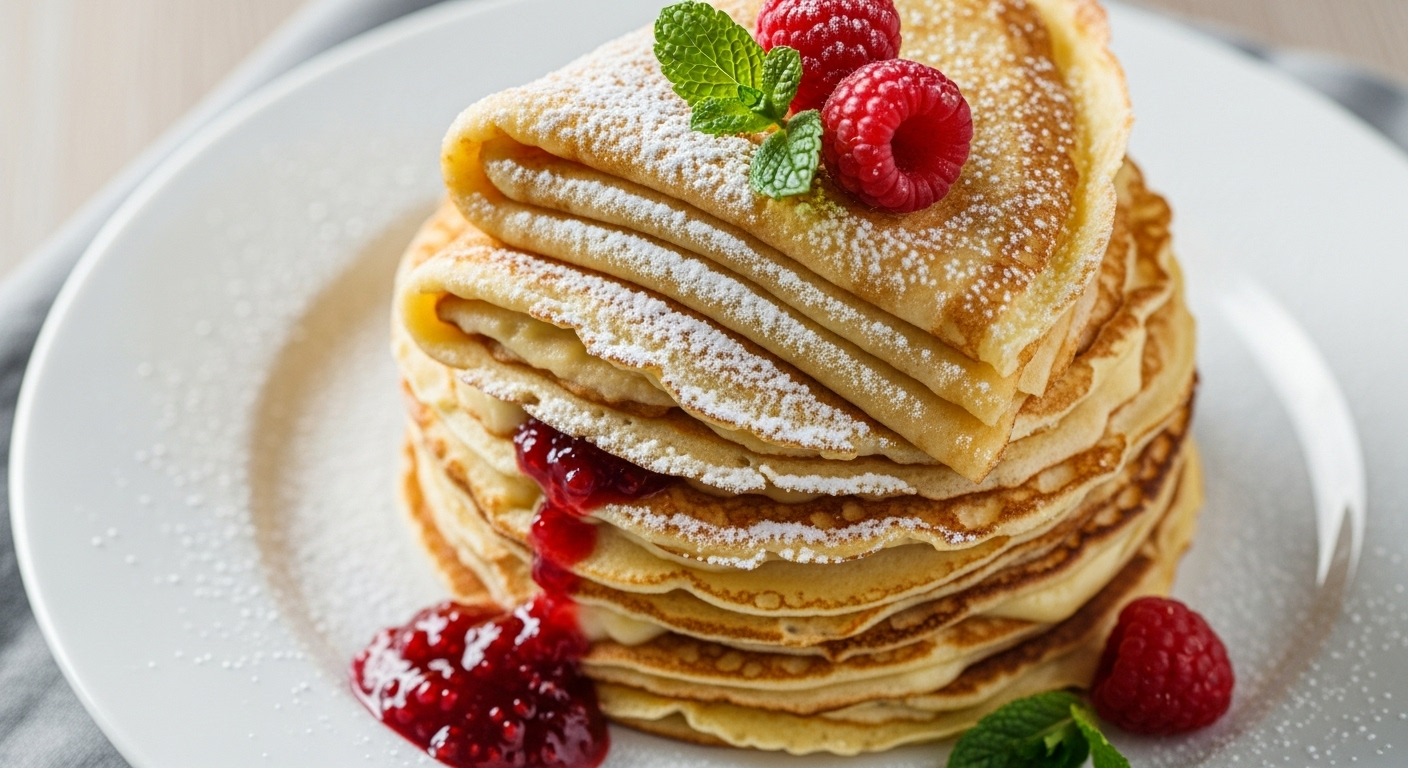
Delicate, golden-hued, and irresistibly thin-Palatschinken are more than just crepes; they are a culinary tradition wrapped in history and flavour. Often celebrated in Central and Eastern Europe, these tender pancakes carry a story of cultural heritage, family recipes, and timeless techniques passed down through generations. But what exactly makes the perfect Palatschinken?
In this article, we will uncover the art behind these thin crepes, exploring their origins, mastering the subtle batter, and revealing tips to achieve that flawless, lacy texture that melts in your mouth. Prepare to embark on a flavorful journey where technique meets tradition, and every fold holds a secret waiting to be savored.
Palatschinken Uncovered: mastering the delicate balance of batter consistency is the secret to creating silky smooth,paper-thin crepes that glide effortlessly across the pan. Born from Central European tradition, these crepes transcend simple pancakes by offering an elegant canvas for both classic and inventive fillings.whether you crave the nostalgic sweetness of apricot jam or the fresh brightness of seasonal berries with mascarpone,the perfect Palatschinken is a party of texture and flavor harmony.
Prep and Cook Time
- Preparation: 15 minutes
- Resting Batter: 30 minutes
- Cooking: 15 minutes
- Total Time: 1 hour
Yield
Approximately 8 thin Palatschinken, serving 4-6 people.
Difficulty Level
Medium – requires attention to batter consistency and flipping technique for flawless results.
Ingredients
- 1 cup all-purpose flour, sifted
- 1 1/4 cups whole milk, room temperature
- 2 large eggs, beaten
- 2 tbsp granulated sugar
- 1 pinch of fine sea salt
- 2 tbsp melted unsalted butter, plus extra for the pan
- 1 tsp vanilla extract (optional)
Instructions
- Combine dry ingredients: In a large mixing bowl, whisk together flour, sugar, and salt until evenly distributed.
- Incorporate wet ingredients: Gradually add the milk while whisking continuously to avoid lumps. Then, incorporate eggs and vanilla extract if using, whisking until the batter is smooth and velvety.
- Add melted butter: Stir in the melted butter gently to enrich the batter, ensuring it remains fluid and glossy.
- Rest the batter: Cover the bowl with plastic wrap and refrigerate for at least 30 minutes. This resting phase relaxes the gluten, resulting in tender and pliable crepes.
- Heat your pan: Choose a non-stick or well-seasoned crepe pan, heating it over medium heat. Lightly brush with melted butter between each crepe to create a golden, crispy edge.
- Pour and swirl: Pour about 1/4 cup of batter into the center of the pan, promptly tilting and rotating the pan in a circular motion to spread the batter evenly and ultra-thin.
- Cook and flip: Allow the palatschinken to cook for 1-2 minutes until the edges lift slightly and the bottom is golden brown. Use a thin spatula or fingertips to gently flip, cooking the second side for 30 seconds to 1 minute.
- Stack and keep warm: Transfer cooked Palatschinken to a warm plate covered with foil. Continue the process, adding butter as needed for an even golden finish.
Tips for Success
- Consistency is key: Your batter should be thinner than pancake batter, almost like heavy cream. If too thick, add a splash more milk; if too thin, whisk in a teaspoon of flour.
- Avoid overmixing: Whisk just until combined; excessive stirring develops gluten, causing tough crepes.
- Resting makes the difference: Allowing the batter to sit even 30 minutes hydrates the flour fully and improves texture.
- Perfect flipping: Use a thin silicone spatula or wear heat-resistant fingertips. Flip quickly but gently to maintain shape and avoid tearing.
- Prevent sticking: Keep your pan hot but not smoking. If a crepe sticks, the pan might potentially be too cool or dry-adjust heat and add a light coating of butter.
- Make-ahead tips: Palatschinken can be stacked with parchment paper and refrigerated for up to 2 days or frozen for up to 1 month.
Exploring Filling Inspirations
Customary fillings like apricot jam or quark cheese with lemon zest honor the classic Austrian heritage, while modern palates invite you to experiment with fresh berry compotes, nut butters, or even savory mushrooms and spinach.
Serving Suggestions
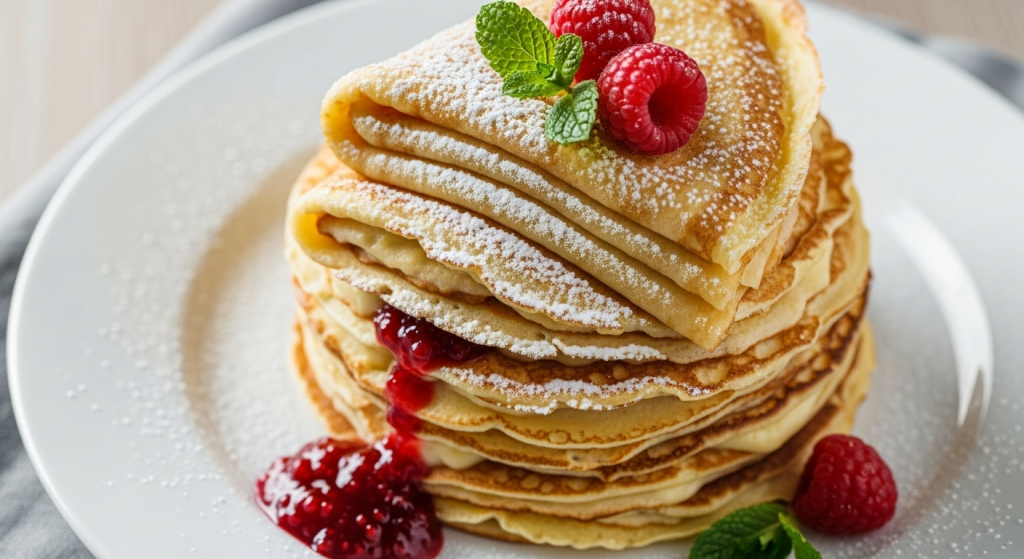
- Classic elegance: Fold crepes into neat quarters, dust with powdered sugar, and serve with a dollop of fresh cream and a wedge of lemon.
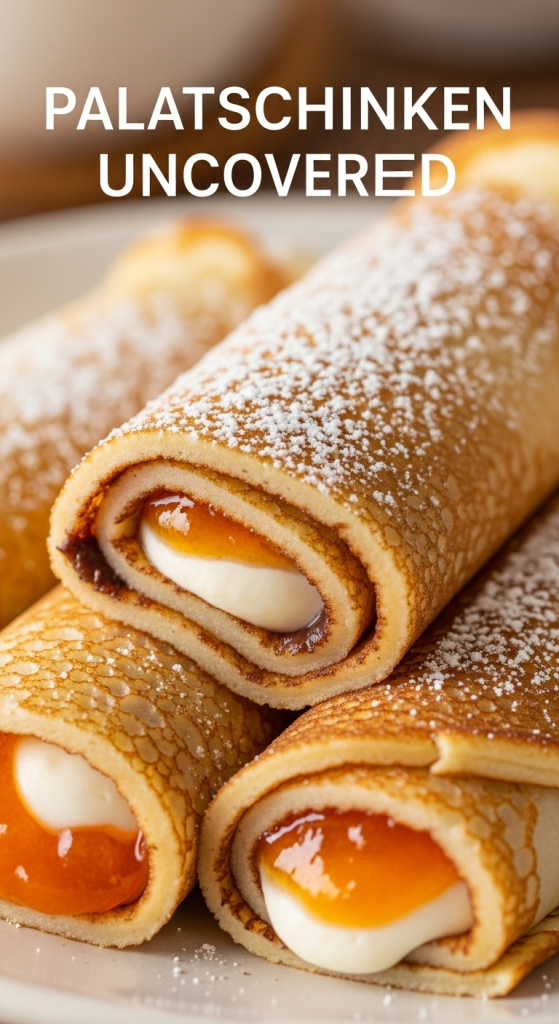
- Rustic charm: Roll the crepes with a generous spread of fruit preserves and toasted nuts, drizzle with honey for a luscious finish.
- Savory twist: Fill with sautéed mushrooms, sautéed garlic spinach, and a sprinkle of crumbled feta for a bright, savory option.
- Garnish ideas: Fresh herbs, edible flowers, or a sprinkling of toasted seeds add color and texture to your plating.
| Nutrient | Per Palatschinken (approx.) |
|---|---|
| Calories | 110 kcal |
| Protein | 4 g |
| Carbohydrates | 15 g |
| Fat | 4 g |
For a deep dive on crepe techniques and history, explore our Ultimate Crepe Guide. To enhance your culinary knowledge, you might also find this Serious Eats article invaluable for understanding batter science and flipping mastery.
Q&A
Q&A: Palatschinken Uncovered - the Art of Perfect Thin Crepes
Q1: What exactly are Palatschinken, and how do they differ from other crepes?
A1: Palatschinken are traditional thin pancakes originating from Central European cuisines, especially Austria, Hungary, and the Czech Republic. Unlike their French cousins, which often lean toward sweet fillings and delicate textures, Palatschinken are ultra-thin yet slightly sturdier, designed to be rolled or folded with a variety of both sweet and savory fillings. Their batter tends to be simpler, emphasizing a balance between elasticity and crisp edges.
Q2: What are the essential ingredients to make authentic Palatschinken batter?
A2: The foundation is simple: flour, eggs, milk, a pinch of salt, and a touch of sugar (especially if you’re aiming for sweet Palatschinken). Some recipes include a bit of butter melted into the batter for richness, while others reserve butter for brushing the pan. The batter should be thin and smooth, almost like cream, to ensure those delicate, lacy edges.
Q3: How do you achieve the perfect thinness without tearing the Palatschinken?
A3: The secret lies in the batter consistency and the technique. Pour a small amount of batter into a hot, lightly buttered skillet and quickly tilt and swirl the pan so the batter spreads evenly in a wafer-thin layer. The thin layer cooks rapidly, forming a delicate sheet. practise and patience help you find the right swirl motion and batter quantity for flawless results.
Q4: Are Palatschinken typically filled or topped? What are some classic options?
A4: Palatschinken shine both as filled delights and open-faced treats. Classic sweet fillings include apricot jam, raspberry preserves, or a luscious vanilla cream cheese. For a savory twist, sautéed mushrooms with herbs, spinach and ricotta, or a medley of fresh vegetables make excellent fillings.They’re versatile enough to be tailored to your mood or the season.
Q5: What’s the best technique for rolling or folding Palatschinken to avoid breakage?
A5: Once cooked, let your Palatschinken rest on a plate for a moment so they firm up slightly without cooling too much. For rolling, spread your filling thinly and roll gently from one edge, keeping the pressure even but light. For folding, placing the filling in the center or one half, then folding in thirds or quarters, will give neat, manageable parcels. Warm crepes are more pliable; if they cool too much, a quick warm-up in the pan helps.
Q6: Can Palatschinken be made gluten-free or vegan without losing their signature texture?
A6: Absolutely! For gluten-free versions, a blend of rice flour, buckwheat flour, or chickpea flour works beautifully, though you may need to tweak the liquid ratios. Vegan Palatschinken can be crafted using plant-based milks and flax or chia ”eggs” as binders. The key is ensuring the batter remains thin and smooth-the elasticity might change slightly, but with some experimentation, you can achieve that perfect tender yet flexible crepe.
Q7: How should palatschinken be served and stored if not eaten immediately?
A7: Palatschinken are best enjoyed fresh,warm,and supple. If you need to hold them, stack them with parchment paper between each and cover with a clean kitchen towel to prevent drying. Stored in the refrigerator, they keep for 1-2 days. Gently reheat in a hot pan or microwave with a damp paper towel to restore pliability before filling or topping.
Q8: Are there any creative twists or modern variations to try with Palatschinken?
A8: Absolutely-Palatschinken are a canvas for creativity! Try incorporating citrus zest or vanilla into the batter for delicate aroma. Experiment with fillings like cinnamon-spiced apples, coconut cream with tropical fruits, or even a nutty tahini and honey blend.On the savory side, try fillings like roasted beet with goat cheese or caramelized onions and wild mushrooms for gourmet flair.
Q9: What cultural significance do Palatschinken hold in their countries of origin?
A9: Palatschinken are more than just pancakes-they’re a symbol of home cooking and shared family traditions across Central Europe. often appearing during holidays, Sunday brunches, or festive gatherings, they evoke warmth, simplicity, and conviviality. Their adaptability reflects the diverse culinary legacies of the region, celebrated both in humble kitchens and grand feast tables alike.
discovering Palatschinken is a delicious journey into the art of simple ingredients transformed by technique and tradition. Whether sweet or savory, delicate or hearty, mastering these thin crepes opens a world of flavors wrapped in tender, golden folds.
To Conclude
As the final fold of a Palatschinken settles onto your plate, you realize that this humble crepe is far more than just thin batter cooked on a pan-it’s a culinary bridge spanning cultures, histories, and flavors. Mastering the art of the perfect Palatschinken is an invitation to slow down, savor simplicity, and celebrate the delicate balance between texture and taste.
whether filled with fruit preserves, dusted with sugar, or rolled with rich fillings, each bite tells a story of tradition and craft. So next time you embark on making these golden, lacy creations, remember: beneath their delicate surface lies a world waiting to be uncovered, one exquisite crepe at a time.