

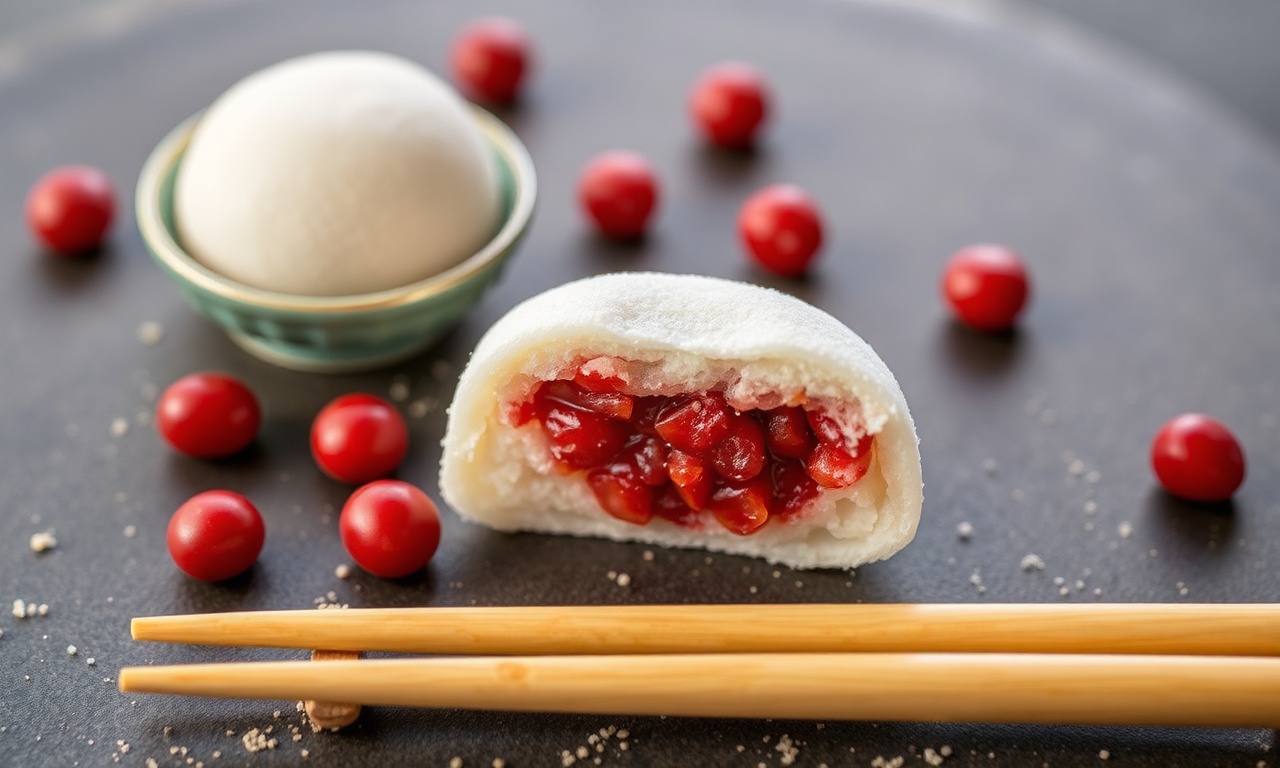
When it comes to Delicious Sweet, In the vibrant tapestry of Japanese cuisine, few treats capture the heart quite like Delicious sweet red bean mochi. This delicate, pillowy confection, enveloped in a tender rice cake, offers a perfect harmony of texture and flavor—a subtle sweetness that whispers the essence of tradition with every bite. As we explore the story behind sweet red bean mochi, we journey into Japan’s rich cultural heritage, uncovering how this soft delight has charmed palates for centuries and continues to enchant dessert lovers around the world today. Whether you’re a seasoned foodie or a curious newcomer, join us in discovering the magic hidden within this humble yet extraordinary Japanese sweet.
- Origins and Cultural Significance of Delicious Sweet Red Bean Mochi
- Delicious Sweet: Prep and Cook Time
- Yield
- Difficulty Level
- Ingredients
- Instructions
- Tips for Success
- Serving Suggestions
- Exploring Regional Variations and Flavor Twists
- Top Spots and Brands to Savor Authentic Delicious Sweet Red Bean Mochi
- Q&A
- In Retrospect
Origins and Cultural Significance of Delicious Sweet Red Bean Mochi
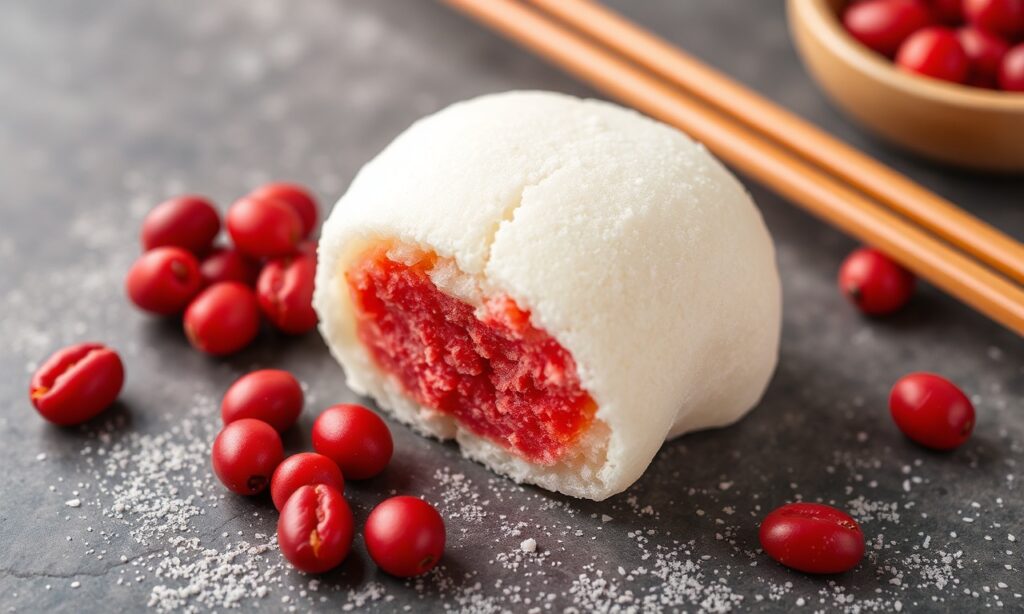
Delicious Sweet red bean mochi is more than just a delightful Japanese treat; it embodies centuries of culinary tradition woven deeply into Japan’s cultural tapestry. Originating in ancient Japan, mochi was historically prepared during celebrations such as New Year’s (Oshogatsu) as a symbol of good fortune, strength, and prosperity. The use of anko—a smooth or chunky sweetened red bean paste—adds not only sweetness but also a comforting earthiness that contrasts beautifully with the soft, chewy rice cake exterior.
In the context of Delicious Sweet, Each bite of this tender confection connects you to rituals and memories, bridging generations through flavor and craftsmanship. Personally, my first encounter with sweet red bean mochi was at a small Kyoto confectionery, where the delicate balance of subtle sweetness and perfectly chewy texture left a lasting impression, inspiring me to recreate this timeless classic in my own kitchen.
Delicious Sweet: Prep and Cook Time
- Preparation Time: 20 minutes
- Cooking Time: 15 minutes
- Total Time: 35 minutes
Yield
Approximately 12 mochi pieces (serves 4-6)
Difficulty Level
Around Delicious Sweet, Medium: Requires careful handling and timing to achieve the ideal chewy texture.
Ingredients
- 1 cup glutinous rice flour (mochiko), sifted
- 3/4 cup water
- 1/4 cup granulated sugar
- 1 cup sweet red bean paste (anko)
- Potato starch or cornstarch, for dusting
- Optional: toasted sesame seeds for garnish
Instructions
- Prepare your workspace by dusting a clean surface with potato starch to prevent sticking once the mochi is cooked.
- In a microwave-safe bowl, combine glutinous rice flour, granulated sugar, and water. Stir until smooth with no lumps remaining.
- Cover the bowl loosely with plastic wrap or a microwave-safe lid to avoid splattering.
- Microwave the mixture on high for 2 minutes. Remove carefully, and stir vigorously with a wet spatula—it will be very sticky and elastic.
- Return the bowl to the microwave and heat for an additional 1-2 minutes, stirring halfway through. The dough should become glossy, elastic, and slightly translucent when done.
- Lightly dust your hands and working surface with starch, then transfer the mochi dough onto the surface.
- Pinch off a small portion of dough (about 1.5 tablespoons). Flatten it gently into a round disc, about 2-inch diameter, keeping your hands dusted to avoid stickiness.
- Place roughly 1 teaspoon of sweet red bean paste in the center of the mochi disc.
- Carefully fold the edges over the filling, pinching to seal and form a smooth ball. Avoid letting the filling leak out.
- Repeat until all mochi dough and filling are used.
- Final step: gently roll each mochi ball in potato starch to coat the surface and prevent sticking.
- Arrange on a plate and optionally sprinkle with lightly toasted sesame seeds for a delicate nutty aroma.
Tips for Success
- Use glutinous rice flour specifically—not regular rice flour—to achieve that iconic chewy mochi texture.
- If you don’t have a microwave, you can steam the dough for 15 minutes, stirring once halfway through for even cooking.
- Be generous with starch when shaping the mochi: it keeps the dough workable and prevents it from sticking to your hands or surfaces.
- For a creamier variation, blend a little coconut cream into the dough before cooking.
- Sweet red bean paste can be substituted with white bean paste (shiro-an) or fruit jams for unique flavor twists.
- Make ahead: store mochi in an airtight container at room temperature for 1-2 days. Refrigeration can dry them out, so consume soon!
Serving Suggestions
Delicious Sweet red bean mochi shines best when served slightly chilled or at room temperature. Present your mochi on a simple ceramic plate or a traditional wooden tray to highlight the handmade appeal.
Regarding Delicious Sweet, Garnishing with a light dusting of toasted sesame seeds or a sprinkle of kinako (roasted soybean flour) enhances the nutty undertones and adds visual contrast. Pair it alongside a cup of green tea (such as matcha or sencha) for a harmonious balance of flavors. This pairing elevates the soft sweetness and showcases an authentic Japanese snacking experience.
Exploring Regional Variations and Flavor Twists
Across Japan, Delicious sweet red bean mochi enjoys delightful regional interpretations. In Hokkaido, you might find mochi wrapped around cold cream and fresh berries, combining chewy and creamy textures. The Kansai region favors a slightly less sweet anko, emphasizing the purity of rice flour’s flavor. Some modern takes include infusions of yuzu zest or matcha powder within the mochi dough, adding fresh citrus or herbaceous notes to the experience. These variations preserve tradition while inviting new palates to enjoy this soft delight.
Top Spots and Brands to Savor Authentic Delicious Sweet Red Bean Mochi
When it comes to Delicious Sweet, For those eager to taste authentic sweet red bean mochi crafted by master artisans, famous locations include Toraya in Tokyo, renowned for their luxuriously smooth anko and perfectly balanced mochi. In Kyoto, Neko Chaya offers traditional mochi made with locally sourced ingredients, often enjoyed alongside matcha. These destinations offer inspiration and establish benchmarks for texture and flavor that you can aspire to in your own kitchen.
| Nutrient | Per Serving (1 piece) |
|---|---|
| Calories | 90 kcal |
| Protein | 1.5 g |
| Carbohydrates | 20 g |
| Fat | 0.2 g |
In the context of Delicious Sweet, For more Japanese dessert inspirations, see our guide on Classic Matcha Desserts.
Around Delicious Sweet, <!– Meta description example (for your reference only, not part of the HTML output) –>
Q&A
Q&A: Delicious Sweet Red Bean Mochi – Japan’s Soft Delight
Q1: What exactly is sweet red bean mochi?
A1: Delicious Sweet red bean mochi is a traditional Japanese confection made from glutinous rice flour (mochi) filled with sweetened red bean paste (anko). The result is a soft, chewy exterior paired with a smooth, subtly sweet interior, creating a delightful contrast in both texture and flavor.
Regarding Delicious Sweet, Q2: Where did mochi originate, and how did it become popular with red bean filling?
A2: Mochi has ancient roots in Japan, dating back over a thousand years, initially used in religious ceremonies. Over time, sweet red bean paste became a popular filling due to the natural sweetness and creamy texture of anko, turning mochi into a beloved everyday treat and festival staple throughout Japan.
Q3: What makes the red bean paste in mochi so special?
A3: The red bean paste, or anko, is typically made from azuki beans cooked with sugar until soft and smooth. This paste has a balanced sweetness and earthy undertone that complements the mild, chewy mochi. Its velvety texture offers a gentle burst of flavor, distinctively Japanese and deeply comforting.
Q4: Are there different varieties of sweet red bean mochi?
A4: Absolutely! While classic mochi features a simple red bean filling, there are regional and seasonal variations. Some mochi incorporate roasted soy flour (kinako) dusting, matcha powder for a green tea twist, or even bits of chestnut within the anko, each adding its own unique flair while preserving the delicate harmony between the chewy rice dough and sweet bean center.
Q5: How is mochi traditionally made?
A5: Traditionally, mochi is made by steaming glutinous rice and then pounding it vigorously with wooden mallets until it becomes an elastic, sticky dough. Today, many use mochiko (sweet rice flour) mixed with water and steamed or microwaved to craft mochi more conveniently, but the essence remains—a stretchy, tender base ready to embrace the luscious red bean filling inside.
Q6: How should sweet red bean mochi be enjoyed?
A6: Sweet red bean mochi is best enjoyed fresh, at room temperature, to fully appreciate its subtle textures and flavors. Often enjoyed with a cup of green tea, each bite invokes a moment of quiet pleasure—a perfect balance of softness, sweetness, and tradition.
Q7: Can sweet red bean mochi be found outside Japan?
A7: Yes! Thanks to the growing popularity of Japanese cuisine worldwide, sweet red bean mochi has found its way into many international markets, Asian grocery stores, and dessert shops. While homemade versions offer the most authentic experience, ready-made mochi can be a convenient and delicious introduction to this soft delight.
Q8: Is sweet red bean mochi suitable for all diets?
A8: Mochi is naturally gluten-free since it’s made from glutinous rice (which contains no gluten despite its name). It is also vegetarian and vegan-friendly, made with plant-based ingredients. However, people with legume allergies should exercise caution due to the azuki beans in the filling.
Q9: Can you describe the cultural significance of red bean mochi in Japan?
A9: Red bean mochi is more than a dessert—it’s woven into Japan’s cultural fabric. It plays a key role in seasonal festivals like New Year’s celebrations and cherry blossom viewing (hanami), symbolizing good fortune, resilience, and harmony. Eating mochi is a sensory connection to centuries of Japanese heritage and joyful communal moments.
Exploring sweet red bean mochi opens a window into Japan’s rich culinary tradition—where simple ingredients come together in a tender, sweet embrace that’s both timeless and irresistibly delicious.
In Retrospect
As we unwrap the delicate layers of sweet red bean mochi, it becomes clear that this humble treat is much more than just a dessert—it’s a chewy, sweet symbol of Japan’s rich culinary heritage. Each bite carries a story of tradition, craftsmanship, and a timeless love for simple, satisfying flavors. Whether enjoyed during festive celebrations or as an everyday indulgence, sweet red bean mochi invites us to savor the soft delights of Japanese culture, one mochi at a time. So next time you encounter this charming confection, remember: behind its tender exterior lies a world of history and heart waiting to be explored.
See also: Delicious Sweet