

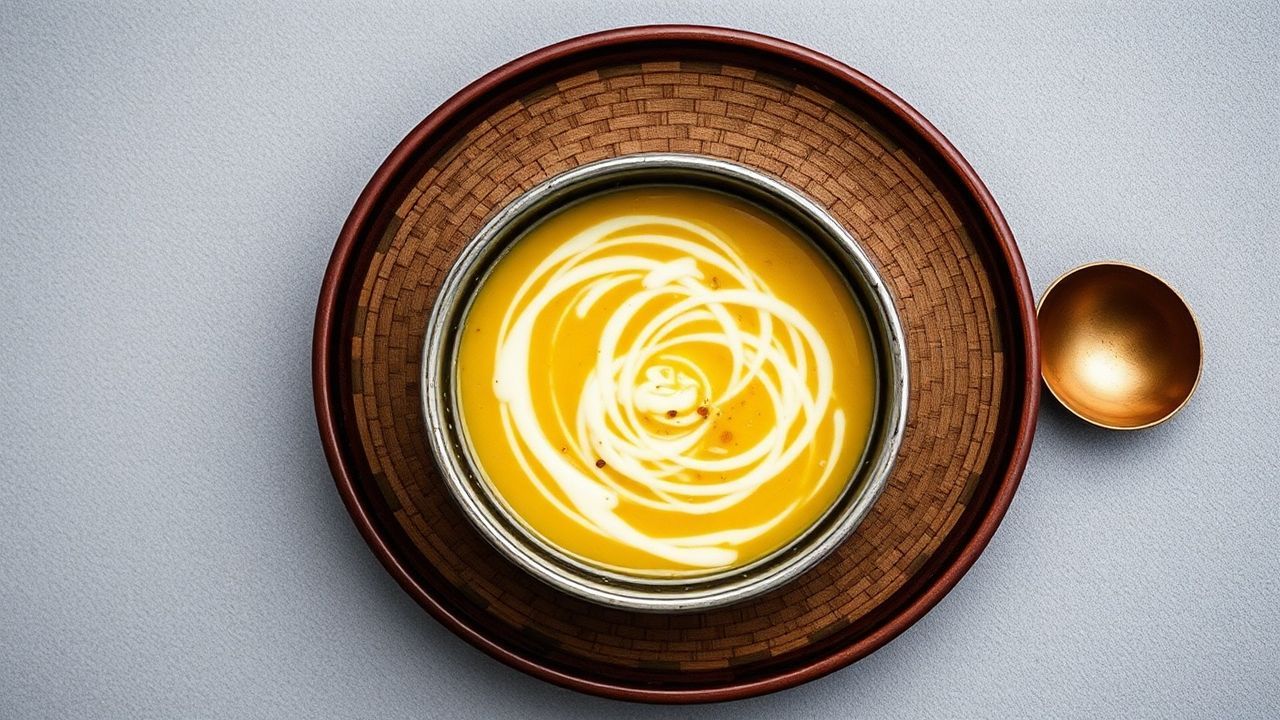
There’s something truly comforting about egg drop soup: a light broth with soft, flowing ribbons of egg. It feels warm, soothing, and simple—yet it still tastes refined when you nail the technique.
At a Glance
- Egg ribbons form when you pour eggs into near-simmering broth and stir steadily.
- Broth clarity improves with gentle heat and strained stock.
- Flavor balance comes from aromatics like ginger, scallion, and white pepper.
- Speed matters: egg drop soup finishes fast, so timing must stay tight.
Whether you grew up with it in Chinese takeout or you want a reliable home version, this classic soup delivers a delicate texture you can make any night. From street carts to family kitchens, people love its warm steam and soft bite.
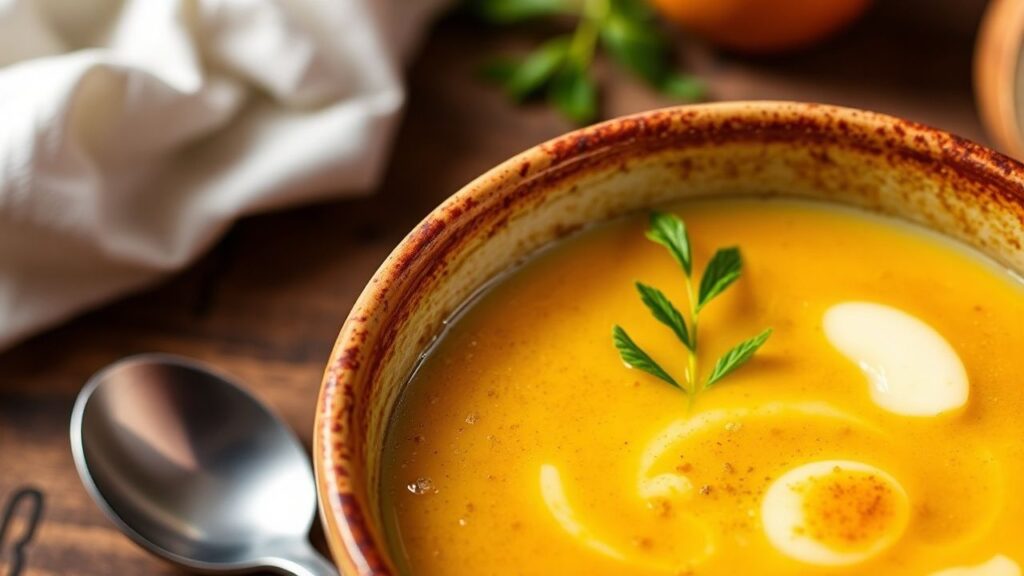
The Origins and Cultural Significance of Egg Drop Soup
Egg drop soup shows up across East Asian home cooking and restaurant menus because it uses basic pantry ingredients. The idea—turning beaten egg into silky strands in hot liquid—fits well with quick, practical meal styles.
In Chinese culinary tradition, the focus often stays on balance, texture, and gentle flavor. Many cooks learn this soup as a foundational technique for controlling heat and consistency, similar to other broth-based dishes described in resources like Chinese cuisine.
The soup’s popularity also comes from how forgiving it can be when your method stays calm. You can make it with chicken stock or a vegetarian broth, and the egg still delivers that comforting ribbon effect.
That cultural role matters: it’s a “quiet” bowl. It often appears when families want something warm without heavy prep, which mirrors how comfort soups function in many cuisines worldwide. For broader context, see comfort food.
Mastering the Perfect Broth for a Silky Smooth Experience
For egg drop soup, broth drives everything: aroma, salt level, and how well the egg ribbons hold their shape. Start with a broth you actually want to drink—because the egg won’t cover weak flavor.
Use either chicken stock or a clean vegetable stock. Add ginger slices, scallion whites, and a light touch of white pepper, then keep the heat gentle so the liquid stays clear. If you want deeper broth context, stock explains how simmering extracts flavor without turning the liquid cloudy.
Keep your simmer steady, not rolling. When the broth boils hard, the egg can break into tougher bits, and the texture loses its silky finish. Strain the broth if you want extra clarity and a smoother mouthfeel.
When you want a vegetarian-friendly version, mushrooms and a small amount of seaweed can bring umami depth. Umami is the savory taste that supports egg and keeps the soup satisfying, which aligns with the explanation in umami.
Techniques for Creating Fluffy, Delicate Egg Ribbons
The signature magic of egg drop soup comes from one moment: pouring beaten eggs into hot broth. Your goal is even ribbons, not scrambled egg lumps.
Beat eggs until smooth, with no streaks of white. When the broth reaches a near-simmer, drizzle the eggs slowly while you stir in one direction. This controlled motion helps the egg set into thin strands that float through the liquid.
Work with the right temperature. If the broth is too cool, egg ribbons won’t form; if it’s too hot, egg can overcook fast and turn rubbery. The practical science is simple: protein coagulates at heat, so timing controls tenderness, as described in protein.
Try different pouring speeds for texture. A slower drizzle creates broader curls; a faster one makes thinner wisps. Also, room-temperature eggs mix easier and flow more consistently.
If you use cornstarch slurry for slight thickening, stir it in before the egg stage. Thick broth helps the ribbons suspend, but heavy thickening can make the texture feel pasty.
Flavor Enhancements and Serving Suggestions for Ultimate Comfort
Classic egg drop soup stays simple for a reason: ginger and scallion bring fragrance, and white pepper adds gentle heat. Still, you can adjust flavor without losing the traditional feel.
Add a few drops of sesame oil at the end for aroma. Sesame oil works best as a finishing ingredient because intense heat can mute its fragrance. For reference on how fats carry flavor, see fat.
Chili oil adds warmth, and chopped cilantro adds brightness. If you want crunch, top with toasted sesame seeds or fried shallots. Keep the toppings small so the ribbons remain the star.
Serve hot with steamed rice or alongside sautéed greens. A crisp cucumber salad also works because its cool, crisp texture balances the warm soup. If you like variety, look at related comfort-bowl ideas in soup.
Prep and Cook Time
Prep Time: 10 minutes
Cook Time: 15 minutes
Yield
Serves 4 as a starter or light meal.
You can scale up easily because the technique stays the same—keep the broth at a gentle simmer.
Difficulty Level
Easy—ideal for home cooks who want a dependable silky soup.
You don’t need special equipment beyond a pot, a whisk or fork, and a ladle.
Ingredients
- 4 cups chicken or vegetable broth, well strained
- 2 large eggs, beaten until smooth
- 1-inch piece fresh ginger, thinly sliced
- 2 stalks scallions, finely chopped (separate whites and greens)
- 1/2 teaspoon white pepper, freshly ground
- 1 tablespoon cornstarch mixed with 2 tablespoons cold water (optional)
- 1 teaspoon toasted sesame oil
- Salt to taste
- Chili oil or fresh cilantro, for garnish (optional)
Instructions
- Prepare the broth: In a medium pot, bring broth to a gentle simmer over medium heat. Add ginger slices and cook for about 5 minutes.
- Clarify and season: Remove ginger slices. Stir in white pepper and salt to taste. If using cornstarch slurry, whisk it in slowly, then keep the broth at a gentle simmer.
- Beat the eggs: While the broth simmers, beat eggs vigorously in a bowl until smooth and fully combined.
- Create egg ribbons: Using a fork or chopsticks, slowly drizzle beaten eggs into the simmering broth while stirring gently in one direction. Stop stirring when ribbons form and the egg disperses through the pot.
- Finish and flavor: Remove from heat. Stir in toasted sesame oil for aroma.
- Garnish and serve: Ladle into bowls. Add scallion greens and optional chili oil or cilantro. Serve immediately while silky and hot.
Tips for Success
- Egg temperature: Use room-temperature eggs for more even ribbons.
- Broth clarity: Strain homemade stock through cheesecloth for a cleaner finish.
- Thickening: If you like a slightly thicker bowl, add cornstarch slurry slowly and stir well to prevent lumps.
- Make-ahead: Prepare the broth in advance. Reheat gently and add fresh eggs right before serving.
- Variations: Add diced tofu or cooked mushrooms for extra texture.
Serving Suggestions
For an elevated experience, serve egg drop soup in small porcelain bowls. Pair it with steamed jasmine rice and sautéed bok choy or garlic green beans.
Garnish with scallions and a drizzle of chili oil, then finish with toasted sesame seeds for texture. This soup fits chilly evenings and also works as a light meal in warmer months.
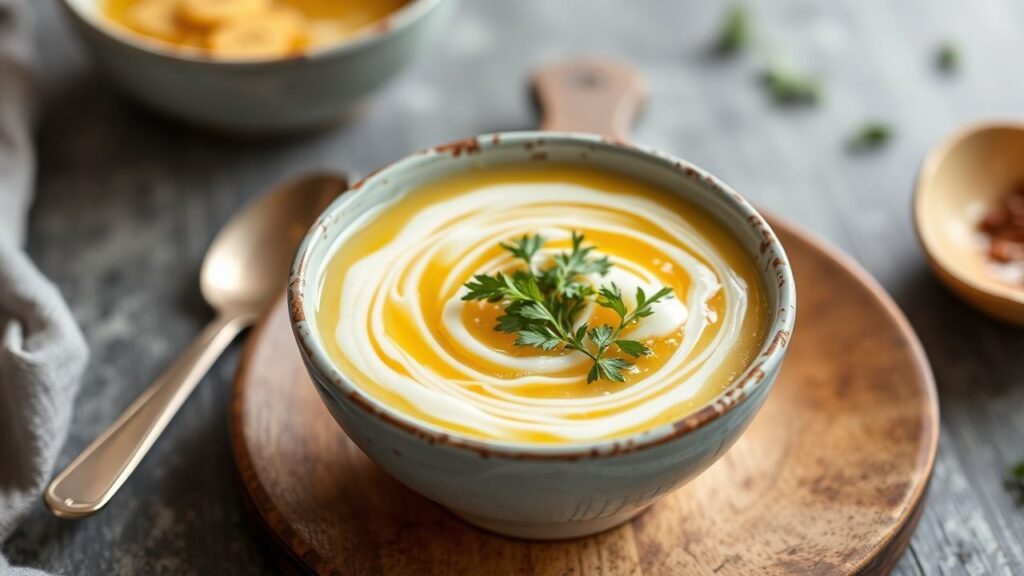
| Nutrient | Per Serving |
|---|---|
| Calories | 110 kcal |
| Protein | 7 g |
| Carbohydrates | 5 g |
| Fat | 6 g |
Want more ideas for cozy bowls? Browse our Asian Comfort Soups Collection for similar broth-based favorites.
Looking for other simple weeknight techniques? Explore our Stir-Fry Basics guide to build the same flavor discipline across multiple meals.
The Conclusion
Egg drop soup stays memorable because it delivers warmth with a delicate texture. When you control heat and pour the eggs slowly, you get those silky ribbons that feel both light and satisfying.
Use good broth, season it early, and finish with sesame oil. Then serve right away for the best mouthfeel, so every spoon tastes fresh and tender.
FAQ
What makes egg drop soup taste so comforting?
It’s the combination of aromatic broth and soft egg ribbons. Ginger, scallions, and white pepper create a gentle flavor base, while the egg texture adds comfort without heaviness.
When you keep the heat controlled, the egg stays tender and the soup feels silky rather than thick or tough.
How do I prevent egg drop soup from turning into clumps?
Pour the eggs slowly while stirring in one direction. If you dump the eggs in at once, they coagulate too quickly and form lumps.
Also avoid a hard boil. A gentle simmer keeps the egg strands delicate and evenly dispersed.
Can I make egg drop soup with a vegetarian broth?
Yes. Use vegetable stock and add mushroom and a small amount of seaweed for umami. You can keep the same ginger and scallion aromatics for a classic profile.
If you use cornstarch, keep the thickening light so the soup remains smooth.
Should I add cornstarch before or after the eggs?
Add cornstarch slurry before the eggs. Thicken the broth first, then drizzle beaten eggs into the hot liquid to form ribbons.
If you add cornstarch after, you risk lumps and uneven texture.
How long does egg drop soup take to cook?
From start to finish, it usually takes about 20–25 minutes. The egg itself sets in seconds once the broth is at the right temperature.
That speed makes it ideal for weeknight dinners when you want a warm, light meal fast.
See also: Egg drop