

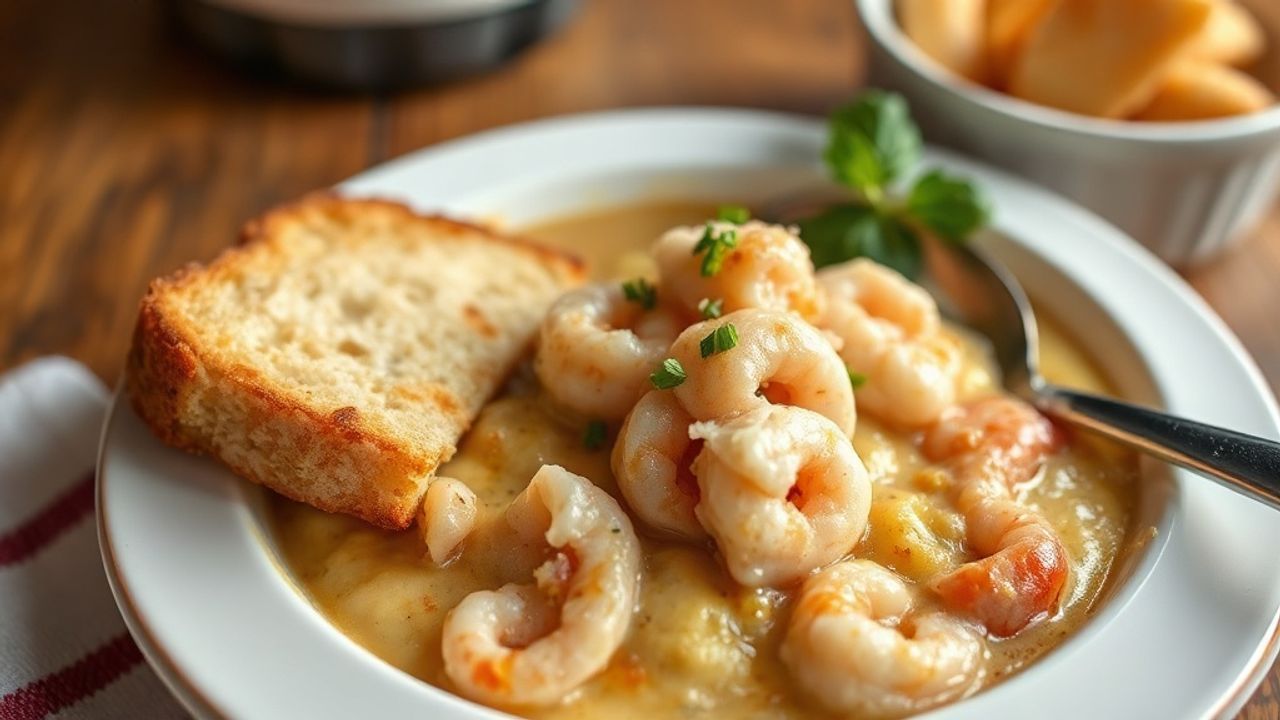
There is a deep draw to Southern comfort food — dishes built on simple ingredients, bold seasoning, and memories passed across family tables. These recipes feed more than the appetite; they preserve technique, seasonality, and regional identity.
- Key takeaway: Southern comfort focuses on technique and tradition.
- Key takeaway: Classic staples include fried chicken, cornbread, and shrimp and grits.
- Key takeaway: Small technique changes yield big texture and flavor gains.
Savoring Southern Comfort: Roots and Flavors
Southern comfort arises from a mix of Native American, African, and European foodways combined with local crops and preservation techniques. The result is a cuisine built around slow cooking, frying, and strong, layered seasoning.
Regional staples reflect local agriculture: corn-based breads, leafy greens, pork, seafood, and rice. For context, see Southern cuisine for cultural and historical background.
Classic Southern Fried Chicken — Technique Over Gimmicks
Fried chicken is a cornerstone of Southern comfort. Its quality depends on brining, coating method, oil temperature control, and resting time more than on elaborate ingredients.
Follow traditional steps: an acid-based soak for tender meat, a spiced flour for crust, and consistent 350°F frying for even browning. Read about the broader concept of fried chicken to understand regional methods.
Prep and Cook Time
Preparation: 20 minutes. Marinating improves texture and flavor and is non-negotiable for reliable results.
Marinating: 4 hours recommended. Longer (overnight) yields deeper tenderness and seasoning penetration.
Yield and Difficulty
Yield: Serves 4 generous portions when paired with sides. Plan portions around bone-in pieces for best juiciness.
Difficulty: Medium. The technique is approachable for home cooks who measure oil temperature and avoid overcrowding the pan.
Ingredients & Tools for Consistent Results
Key ingredients support the method: buttermilk for acidity, a balanced spice blend, unbleached all-purpose flour, and a neutral frying oil. Maintain salt levels so crust and meat both read seasoned.
Tools matter: a thermometer, a heavy skillet or deep fryer, and a wire rack for draining keep crust crisp and internal temperatures accurate. For corn-based accompaniments, consult the cornbread entry for traditional variations.
Ingredients
- 2 lbs bone-in, skin-on chicken pieces
- 2 cups buttermilk
- 1 tbsp hot sauce (optional)
- 2 cups all-purpose flour, sifted
- 1 tbsp kosher salt
- 1 tsp freshly ground black pepper
- 1 tsp smoked paprika
- 1/2 tsp garlic powder
- 1/2 tsp onion powder
- 1/4 tsp cayenne pepper (optional)
- Vegetable or peanut oil for frying (about 3 cups)
Instructions
1. Marinate: Whisk buttermilk and hot sauce; submerge chicken and refrigerate 4+ hours. This step tenderizes and seasons the meat.
2. Coat: Combine flour and spices. Remove chicken from buttermilk, shake off excess, and dredge into the seasoned flour to form an even coating.
3. Heat oil: Pour oil to a 2-inch depth and heat to 350°F (175°C). Use a thermometer for precise control to avoid greasy or undercooked results.
4. Fry: Fry in batches without overcrowding. Cook 10–12 minutes per side until golden and 165°F internal temperature is reached.
5. Rest: Drain on a wire rack for 5 minutes to maintain crispness and redistribute juices before serving.
Chef’s Notes and Serving Suggestions
Small choices influence final texture: double-dipping yields a thicker crust, and a cast-iron pan promotes even browning. Swap milk+acid for buttermilk if needed; the acid is what matters for tenderizing.
Serve fried chicken with classic sides for true Southern comfort: creamy mashed potatoes, collard greens, and warm cornbread. Collard greens pair especially well; learn more about them at collard greens.
For an extra Southern pairing, shrimp and grits balance rich seafood flavors with buttery grits. Explore regional recipes and history at shrimp and grits.
Nutrition and Portioning
Expect approximately 450 kcal per serving for a typical fried chicken plate with conservative batter and skin-on pieces. Protein and fat contributions will be substantial; balance meals with leafy greens and vegetable sides.
Use a food scale for portion control when tracking macros. Accurate plating improves both consistency and guest satisfaction.
Where to Experience Authentic Southern Comfort
Dining at regional venues highlights the harmony between recipe and place. Visiting Southern kitchens demonstrates how climate, produce cycles, and tradition shape flavor and technique.
When possible, observe local cooks and compare small variations in spice blends, breading methods, and side pairings. These comparisons sharpen your intuition for texture and seasoning.
FAQ
What defines Southern comfort food?
Southern comfort food centers on hearty, flavorful dishes that rely on simple ingredients transformed through technique. It emphasizes seasonal produce, preserved meats, and methods like frying, braising, and slow simmering.
Which dishes are essential for a classic Southern meal?
Core dishes include fried chicken, cornbread, collard greens, shrimp and grits, and macaroni and cheese. Each brings a distinct texture and regional history that together form a cohesive meal.
How can I make fried chicken less greasy?
Control oil temperature closely and avoid overcrowding the pan. Use a wire rack to drain fried pieces and finish in a warm oven if needed. These steps reduce oil absorption and retain crispness.
Can Southern comfort recipes be lightened without losing flavor?
Yes. Bake instead of deep-frying for lower fat, increase vegetable sides, and use herbs and acid to boost flavor. Keep technique — such as proper seasoning and resting — to preserve the soul of the dish.
Where should I start if I want authentic techniques?
Start with mastering one staple, such as Southern comfort fried chicken or cornbread, and practice temperature control and seasoning balance. Observing local cooks or consulting historical references helps refine technique.
See also: Southern comfort