

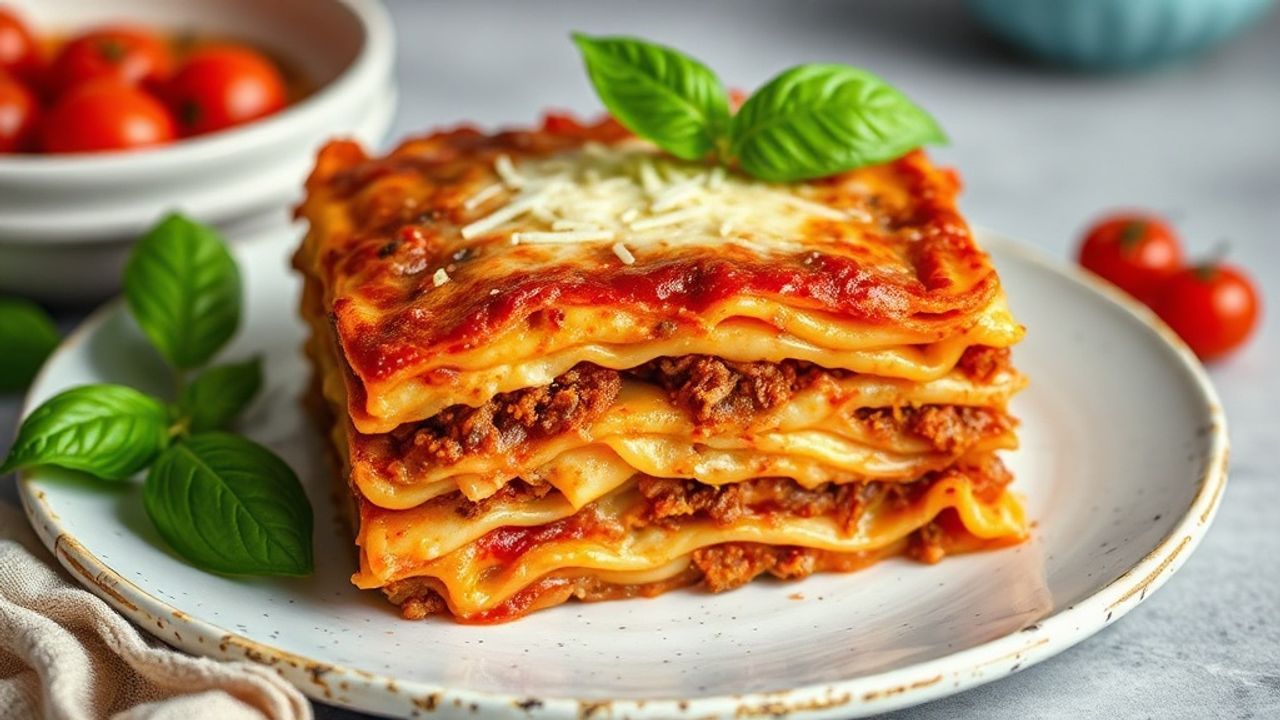
There is something undeniably magical about homemade lasagna: layers of tender pasta, rich meat ragu, silky béchamel, and melted cheese that bind into a memorable, comforting meal. As an experienced chef and culinary instructor, I explain proven techniques so your homemade lasagna performs consistently well every time.
- Ingredients for Homemade Lasagna
- Instructions for Homemade Lasagna
- Tips and Technique for Homemade Lasagna
- Serving, Pairing, and Storage
- Nutritional Information, Yield, and Timing
- Related Recipes and Internal Resources
- FAQ
- What makes this homemade lasagna better than a store-bought one?
- Can I make the pasta sheets from scratch?
- How do I keep my lasagna from getting soggy?
- Is it possible to make a vegetarian version?
- What is the best reheating method?
- Key Takeaways
- Layer control: balance moisture and structure for clean slices.
- Sauce timing: long simmering develops depth without extra ingredients.
- Texture targets: aim for tender pasta, creamy béchamel, and slightly browned cheese.
Ingredients for Homemade Lasagna
Every ingredient affects the final texture and flavor of your homemade lasagna. Choose whole-milk dairy, quality canned tomatoes, and a balanced ground meat ratio for a classic result.
For authenticity, use San Marzano-style tomatoes and true Parmigiano for finishing. I list the components below and explain why each matters.
- Bolognese: 500g ground beef, 250g ground pork, 1 cup milk, 1 cup dry white wine, 400g crushed tomatoes, 2 tbsp tomato paste, soffritto (onion, carrot, celery), garlic, salt, pepper.
- Béchamel: 5 tbsp butter, 4 tbsp all-purpose flour, 4 cups warmed milk, pinch nutmeg, salt, white pepper.
- Cheeses & Pasta: 500g ricotta, 2 cups shredded mozzarella, 1 cup grated Parmigiano, 12 no-boil lasagna sheets.
For background on the dish and regional variants, consult the historical overview on lasagna. Also, review technical notes on ricotta and Parmigiano-Reggiano when selecting cheeses.
Instructions for Homemade Lasagna
Follow a staged approach: prepare the ragu, make a silky béchamel, assemble with intention, and bake with patience. Each stage needs focus for consistent outcomes.
Keep tools ready: a heavy-bottomed pan for the ragu, a whisk for béchamel, and a 9×13-inch baking dish for assembly. Also, have parchment and foil on hand to control browning.
Bolognese (Meat Ragu)
Heat 2 tbsp olive oil in a heavy pan, then sweat finely diced onion, carrot, and celery until soft and translucent. Add garlic and brown the ground meats until no pink remains.
Pour in milk and simmer until mostly evaporated; then add wine and reduce by half. Stir in crushed tomatoes, tomato paste, and dried herbs, then simmer uncovered for 60–90 minutes to concentrate flavors.
Béchamel and Cheese Mixture
Make the béchamel by whisking melted butter with flour to a pale roux, then gradually add warm milk while whisking to prevent lumps. Cook until the sauce coats the back of a spoon, then season with salt, white pepper, and a pinch of nutmeg.
For the cheese layer, mix ricotta, half the Parmigiano, one egg, and a turn of black pepper. This adds structure and creaminess to the assembly without weighing the lasagna down.
Assembly and Baking
Preheat the oven to 375°F (190°C). Spread a thin layer of béchamel on the pan bottom to prevent sticking and to keep the first pasta layer from drying out.
Layer noodles, two generous spoonfuls of ragu, a thin spread of ricotta mix, a drizzle of béchamel, and a sprinkle of mozzarella. Repeat until you finish with béchamel and Parmigiano. Cover and bake 40 minutes, uncover and bake 20 minutes more, then rest 15 minutes before slicing.
Tips and Technique for Homemade Lasagna
Small technique adjustments produce big improvements in texture and flavor. Control moisture, layer deliberately, and rest the dish to let the layers set.
When using no-boil noodles, increase sauce hydration slightly. Conversely, if using fresh pasta, reduce excessive sauce to avoid sogginess.
Use a serrated-edge spatula for serving to support each slice. Also, if you prefer a deeper meat note, brown the meat longer to develop Maillard flavor before adding liquids.
Serving, Pairing, and Storage
Serve slices with a simple herb salad or steamed seasonal greens to balance richness. A full-bodied Italian red works well, but a structured rosé can also complement the acidity in the ragu.
Store leftovers in airtight containers. Refrigerate up to 3 days. For longer storage, freeze portions for 2–3 months and thaw overnight in the fridge before reheating gently in the oven.
For extended technique reading on white sauces and emulsion control, consult the comprehensive notes on béchamel sauce. Also, if you want a tomato standard, learn about San Marzano tomatoes.
Nutritional Information, Yield, and Timing
This recipe yields 6–8 portions, with an average serving around 600–700 kcal depending on cheese and meat choices. Adjust portions by trimming cheese or using part-skim dairy to lower fat.
Plan two hours for active preparation and simmering. If you make the ragu the day before, assembly and baking take about 1 hour—this staging saves time while improving flavor.
| Calories | Protein | Carbs | Fat |
|---|---|---|---|
| 620 kcal (approx.) | 38 g | 45 g | 28 g |
Related Recipes and Internal Resources
Expand your mastery by practicing complementary techniques. For pasta sheet guidance, visit our internal pasta collection. It offers tested rolling and resting routines to make fresh sheets reliably.
For advanced béchamel troubleshooting, consult our dedicated guide on sauce texture. Both internal pages include step-by-step photos and time-saving tips for busy kitchens.
FAQ
What makes this homemade lasagna better than a store-bought one?
Control over ingredients and technique produces superior texture and flavor. You can tune doneness, seasoning, and cheese balance to match personal preference.
Can I make the pasta sheets from scratch?
Yes. Fresh sheets give a tender bite that dried noodles cannot match. However, they require correct hydration and rolling thickness to avoid sogginess.
How do I keep my lasagna from getting soggy?
Concentrate the ragu by simmering longer and avoid excess liquid in the cheese layer. Let the assembled lasagna rest after baking to set the layers.
Is it possible to make a vegetarian version?
Absolutely. Substitute the meat ragu with a lentil-mushroom ragù or roasted vegetable medley. Maintain the same layering logic to preserve structure.
What is the best reheating method?
Reheat slowly in an oven set to 325°F (160°C), covered with foil, until warmed through. This preserves texture better than microwave reheating.
Key Takeaways
Mastering this homemade lasagna is about precise technique, ingredient quality, and patient cooking. Small adjustments in simmering, layering, and resting produce reliably excellent results.
Practice the components separately, then assemble with intent. With routine, you will make a lasagna that consistently impresses family and guests.
Images and step photos enhance learning; consult the internal guides for photo-illustrated steps and printable checklists.
See also: homemade lasagna