

Fresh Tomato Salad: An Expert Introduction
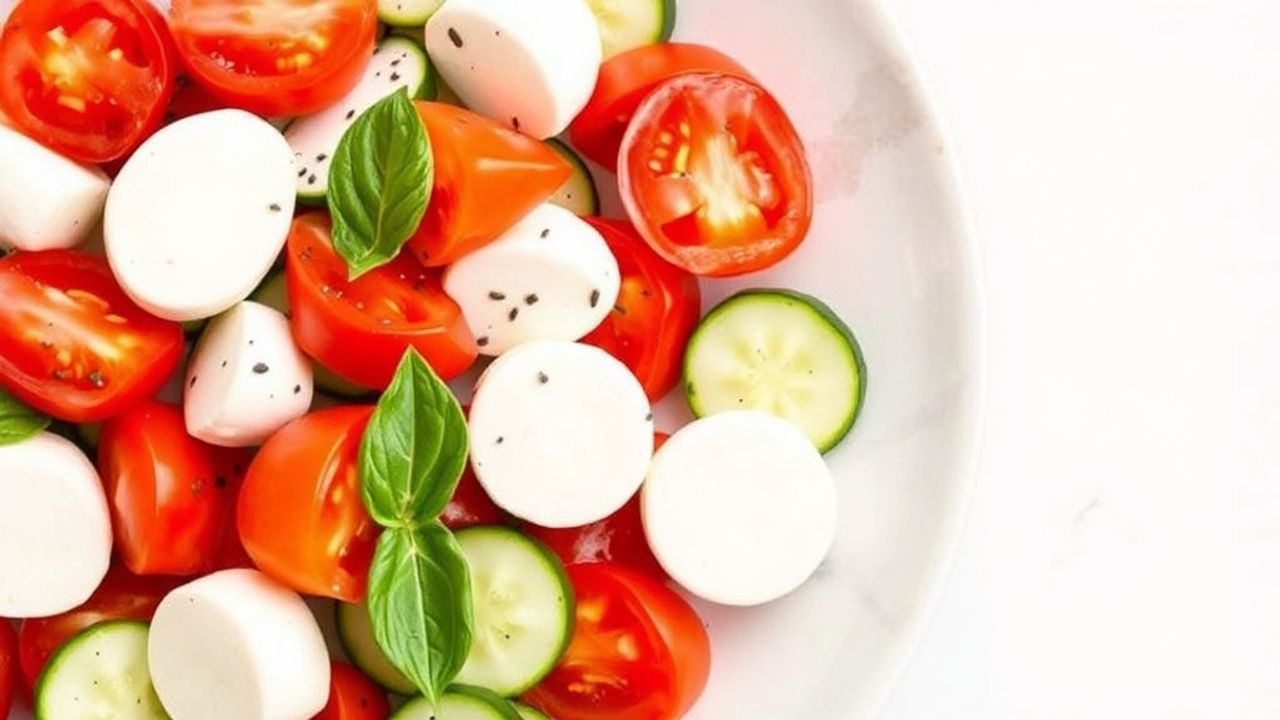
Tomato salad blends ripe tomatoes, crisp cucumbers, and fresh mozzarella into a simple, bright dish that highlights seasonal produce. This guide presents practical, tested techniques to build a consistent, restaurant-quality tomato salad at home.
- Fresh Tomato Salad: An Expert Introduction
- Choosing Produce for a Superior Tomato Salad
- Mozzarella Selection for a Creamy Tomato Salad
- Crafting a Balanced Dressing for Tomato Salad
- Texture and Flavor Twists for Tomato Salad
- Recipe: Tomato Salad — Ingredients & Method
- Chef’s Notes, Storage, and Variations
- Nutrition Snapshot and Serving Suggestions for Tomato Salad
- FAQ
- Key takeaway: ingredient quality drives flavor.
- Key takeaway: the right dressing balances acidity and fat.
- Key takeaway: minimal handling preserves texture.
Choosing Produce for a Superior Tomato Salad
Select tomatoes with firm flesh, glossy skin, and a fragrant aroma to maximize flavor in your tomato salad. Heirloom and vine-ripened varieties provide depth, while cherry tomatoes deliver convenient, bite-sized bursts.
For cucumbers, choose seedless or English types to avoid excess moisture and bitterness in the tomato salad. Store cucumbers chilled and keep tomatoes at room temperature until assembly to retain natural sugars.
Tomato botany and varieties explains ripeness indicators useful when shopping. Likewise, review cucumber cultivars to match texture preferences.
Mozzarella Selection for a Creamy Tomato Salad
Fresh mozzarella determines mouthfeel. Choose buffalo mozzarella (mozzarella di bufala) or high-quality fior di latte packed in liquid for the richest texture in your tomato salad.
Drain and pat the cheese gently, then bring it to room temperature before combining with vegetables to avoid chilling the dressing. Room-temperature cheese integrates with acidity and oil, improving flavor carry.
Learn more about mozzarella types and production to make informed buying choices.
Crafting a Balanced Dressing for Tomato Salad
A good dressing for tomato salad features three components: quality oil, measured acid, and a subtle sweetener if needed. Extra virgin olive oil, fresh lemon juice or a splash of aged vinegar, and a touch of honey form a classic, balanced emulsion.
Whisk vigorously or shake in a jar to emulsify; season gradually and taste. Herbs such as chopped basil or oregano add aromatic lift without overpowering the primary tomato, cucumber, and mozzarella flavors.
For reference on oils and extraction methods, consult olive oil notes to match intensity to your salad.
Simple Dressing Formula
Use a 3:1 oil-to-acid ratio as a starting point, adjusting to tomato sweetness. Add salt slowly; salt enhances juiciness but also draws moisture from vegetables.
Finish with freshly cracked black pepper and chopped basil for brightness. Reserve a small amount of dressing to dress only before serving so the tomato salad stays vibrant.
Leave the cheese and produce separate from dressing if you must prep ahead; combine just prior to serving to keep textures intact. This approach preserves the crispness that defines a standout tomato salad.
Texture and Flavor Twists for Tomato Salad
Add contrasting textures like toasted pine nuts or thin red onion slices to increase interest without losing clarity. Small additions should highlight rather than compete with the tomato salad’s core elements.
For seasonal variation, scatter pomegranate arils in fall and winter for acidity and crunch. A restrained drizzle of aged balsamic adds depth but use sparingly so it does not dominate the salad.
Pair a tomato salad with warm grilled bread or a light protein for a complete, balanced plate. Try a related recipe on your site via internal links such as Summer Herb Salad or Grilled Vegetable Platter to build a menu.
Recipe: Tomato Salad — Ingredients & Method
Ingredients
2 cups heirloom tomatoes, cut into wedges. 1 large English cucumber, thinly sliced. 8 oz fresh mozzarella, torn. 3 tbsp extra virgin olive oil. 2 tbsp fresh lemon juice or vinegar. 1 tsp honey. Salt and cracked black pepper to taste. Fresh basil and optional toppings.
Scale quantities by servings and select optional garnishes to suit occasion and season. Keep dressing separate until assembly if preparing ahead.
Method
Wash and dry all produce. Slice tomatoes and cucumbers to the desired size, patting vegetables to remove excess surface moisture. Tear mozzarella into pieces slightly larger than bite size.
Whisk the dressing components until emulsified. Combine tomatoes, cucumbers, and mozzarella gently in a large bowl, drizzle dressing, and toss with a light hand. Garnish with basil and optional toasted nuts or seeds.
Chef’s Notes, Storage, and Variations
Serve the tomato salad immediately for best texture. If you must store, keep components separate and dress no more than one hour before serving to avoid sogginess.
For a vegan alternative, substitute marinated firm tofu or a cultured cashew cheese for mozzarella. Adjust seasoning and acid to compensate for textural changes.
Small procedural choices—like seeding cucumbers or resting the cheese—produce consistent improvements. Minor technique shifts create measurable differences in the finished tomato salad.
Use good knives and a gentle toss to keep mozzarella intact. Presentation matters: layered or rustic pile plating both work if you control moisture and dressing placement.
Nutrition Snapshot and Serving Suggestions for Tomato Salad
A typical serving provides moderate calories, healthy fats from olive oil, and protein from fresh mozzarella. The dish supplies vitamins from fresh produce and works well in balanced meal plans.
Serve on a shallow white bowl to showcase colors, and pair with a crisp white wine or sparkling water for contrast. Garnish with lemon zest and torn basil to add aroma and a final flavor lift.
FAQ
What tomatoes make the best tomato salad?
Heirloom or vine-ripened tomatoes offer the best flavor complexity for tomato salad. Choose specimens that smell fragrant and yield slightly to gentle pressure.
Can I make the tomato salad ahead of time?
You can prep components in advance but keep dressing separate. Assemble and dress just before serving to maintain the crisp textures essential to a superior tomato salad.
Which mozzarella type is recommended?
Buffalo mozzarella or fresh fior di latte yields the creamiest texture for tomato salad. Drain and serve at room temperature to optimize mouthfeel.
How do I prevent a watery tomato salad?
Scoop cucumber seeds or choose seedless varieties, pat vegetables dry, and dress just before serving. Salt cautiously to avoid drawing excess moisture into the salad.
Are there smart pairings for this salad?
Pair the tomato salad with grilled proteins or crusty bread for a light main; use it as a starter alongside herb-driven dishes to keep the meal balanced and seasonal.
See also: Tomato Salad