

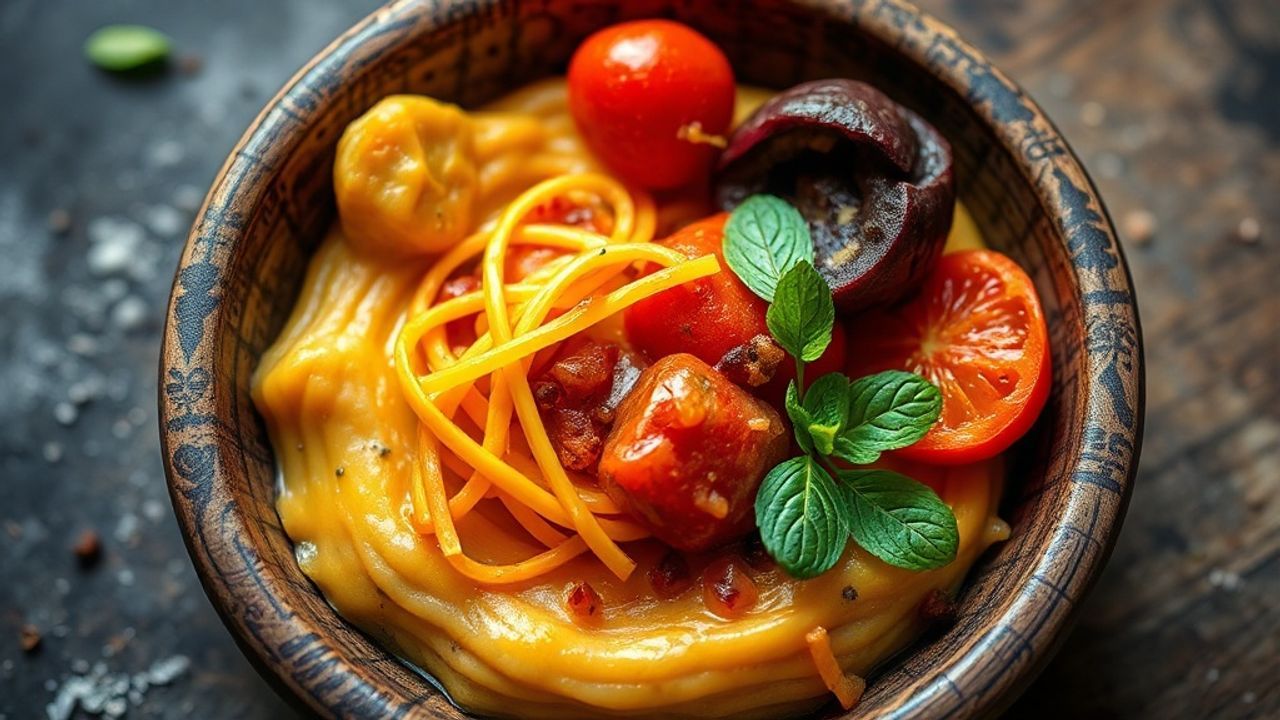
Unlocking gourmet flavors begins with deliberate choices: the right spices, fresh ingredients, and controlled technique. This guide lays out practical steps and a tested recipe to lead a clear taste journey beyond basics.
- Build layers: Use sequential seasoning and finish acids to sharpen the dish.
- Use technique: Browning and deglazing amplify aromatics and body.
- Balance tastes: Sweet, sour, salty, bitter and umami must work together.
- Plan service: Temperature and garnish shape perceived flavor.
How to Unlock Gourmet Flavors: Recipe Overview
This recipe shows how to unlock gourmet flavors using accessible ingredients and a clear method. It focuses on layering spices, using fat to carry aromas, and a bright finish to lift richness.
Preparation and timing matter. Follow the listed prep, cooking times, and the finishing steps to create a balanced plate that tastes greater than the sum of its parts.
Ingredients to Build Gourmet Flavors
Use quality components for predictable results; fresh spices and ripe aromatics give a stronger foundation. The ingredient list below supports bold, layered taste while remaining practical for home kitchens.
Adjust salt and heat to taste during cooking. Taste early and often so you can fine-tune and preserve the intended balance of the gourmet flavors.
Ingredient List
- 500g boneless chicken thighs, trimmed and cut into bite-sized pieces
- 2 tablespoons olive oil
- 1 medium red onion, thinly sliced
- 3 garlic cloves, minced
- 1 tablespoon fresh ginger, grated
- 1 teaspoon ground turmeric
- 1 teaspoon ground cumin
- 1/2 teaspoon smoked paprika
- 1/4 teaspoon cinnamon
- 1 fresh red chili, finely chopped (optional for heat)
- 200ml canned coconut milk
- 1 tablespoon tamarind paste
- Juice of 1 lime
- Fresh coriander leaves, roughly chopped, for garnish
- Salt and freshly ground black pepper, to taste
- 1 tablespoon honey
Prep and Cook Time
Preparation: 20 minutes | Cooking: 35 minutes | Total: 55 minutes.
Yield: Serves 4. Follow the timing and resting steps to let the flavors bind and mellow before serving.
Instructions to Unlock Gourmet Flavors
Follow steps that build taste in stages: brown, sauté aromatics, toast spices, then simmer to integrate. Each stage adds a distinct contribution to the final flavor.
Work at medium heat and control moisture; too much liquid dilutes the concentrated notes you are creating. Use a heavy-bottomed skillet to maintain steady heat and even browning.
- Prepare the chicken: Pat the chicken pieces dry. Season lightly with salt and pepper to enable efficient browning and to begin flavor building.
- Heat the oil and brown: In a heavy skillet over medium heat, add olive oil. When it shimmers, sear chicken until golden, about 6–8 minutes. Remove and set aside to preserve the crust.
- Sauté aromatics: In the same pan, add the red onion. Cook until translucent and starting to caramelize, about 5 minutes. Add garlic, ginger, and chili; cook 1 minute until fragrant.
- Add spices: Sprinkle turmeric, cumin, smoked paprika, and cinnamon over the onions. Stir and toast briefly to release essential oils and deepen aroma.
- Return chicken and deglaze: Return the chicken to the pan. Pour in coconut milk and tamarind paste. Stir to combine and scrape the fond from the pan to build sauce depth. Add lime juice to brighten the sauce.
- Simmer gently: Reduce heat to low and simmer uncovered for 15–20 minutes, stirring occasionally. The sauce should reduce and coat the chicken; taste and adjust salt, pepper, and honey for balance.
- Finish and garnish: Remove from heat and sprinkle chopped coriander. Serve immediately to preserve warmth and aroma.
Chef’s Notes and Tips for Gourmet Flavors
Marinating the chicken in yogurt and spices for a few hours adds depth and tenderness through mild enzymatic action. This step enhances mouthfeel and lets spices penetrate the protein.
Use fresh whole spices and grind them before use when possible. Freshly ground spices deliver volatile aromatics that canned powders lack, which elevates perceived complexity.
For a smoky finish, briefly grill the chicken pieces before simmering. That technique adds charred aromatics that read as savory complexity on the plate.
If tamarind paste is unavailable, substitute with equal parts lime juice plus a touch of brown sugar to mimic tang and sweetness. Test and adjust so the sour-sweet ratio stays balanced.
Serving Suggestions and Nutrition
Serve this preparation over fragrant basmati rice or warm flatbreads to collect every drop of sauce. Temperature control at service intensifies the aromatic release and heightens taste.
Complement the plate with a cooling side like cucumber raita or a quick pickle to cut richness. Visual contrast—bright herbs, lime wedge—signals freshness and improves perceived flavor.
| Nutrient | Per Serving |
|---|---|
| Calories | 370 kcal |
| Protein | 32 g |
| Carbohydrates | 10 g |
| Fat | 18 g |
Unlocking Gourmet Flavors Through Ingredient Pairing
When you focus on unlocking gourmet flavors, the key lies in how ingredients interact. Turmeric and cumin provide an earthy backbone while tamarind adds tang and honey supplies a balancing sweet note.
Use acid at the end—lime or tamarind—to lift fatty elements and refresh the palate. For more on spice combinations, visit our Global Spice Guide which details classic pairings and regional uses.
The cooking science that underpins browning is the Maillard reaction. Controlled browning produces flavor compounds that define many gourmet preparations.
For context on individual ingredients, see the pages for turmeric and tamarind. These entries explain botanical and flavor characteristics that affect how you use them in recipes.
Pairing should be deliberate: match a dominant note with a subtle opposite. For example, sesame or smoked paprika pairs well with citrus brighteners to create layered gourmet flavors.
Practical Techniques to Enhance Flavor
Use searing to create textures and concentrated flavor. Deglazing the pan with a bit of acid or stock dissolves browned bits and turns them into a flavorful sauce base.
Layer spices across stages: some added early for body, others at the end for perfume. This staging is a reliable method to build depth while preserving volatile aromatics.
Explore internal resources for substitutions and timing tips at tamarind substitute. Testing small changes and keeping notes helps refine your personal approach.
FAQ
What does it mean to unlock gourmet flavors?
It means intentionally combining technique, ingredient quality, and timing to create layered taste. You aim to make each bite balanced, aromatic, and memorable.
How can a home cook start exploring gourmet flavors?
Begin by improving one skill: searing, toasting spices, or acid finishes. Practice that technique across multiple recipes to see predictable gains in flavor.
Which techniques most reliably increase flavor depth?
Browning, toasting, and controlled reduction are reliable. These techniques concentrate sugars and amino acids, developing savory and sweet notes that read as complexity.
How important is ingredient quality?
Ingredient quality matters greatly. Fresh spices, ripe citrus, and good fats deliver clearer aromatics and stronger taste. They reduce the need for excessive seasoning.
Can cultural recipes inform a gourmet approach?
Yes. Studying regional blends and methods expands your palette and toolbox. Use those lessons to adapt, not copy, so the final plate reflects balanced flavor principles.
Embark on this practical path to unlocking gourmet flavors by practicing the techniques above and tasting deliberately. With a few steady habits you will consistently lift ordinary ingredients into refined dishes.
See also: gourmet flavors