

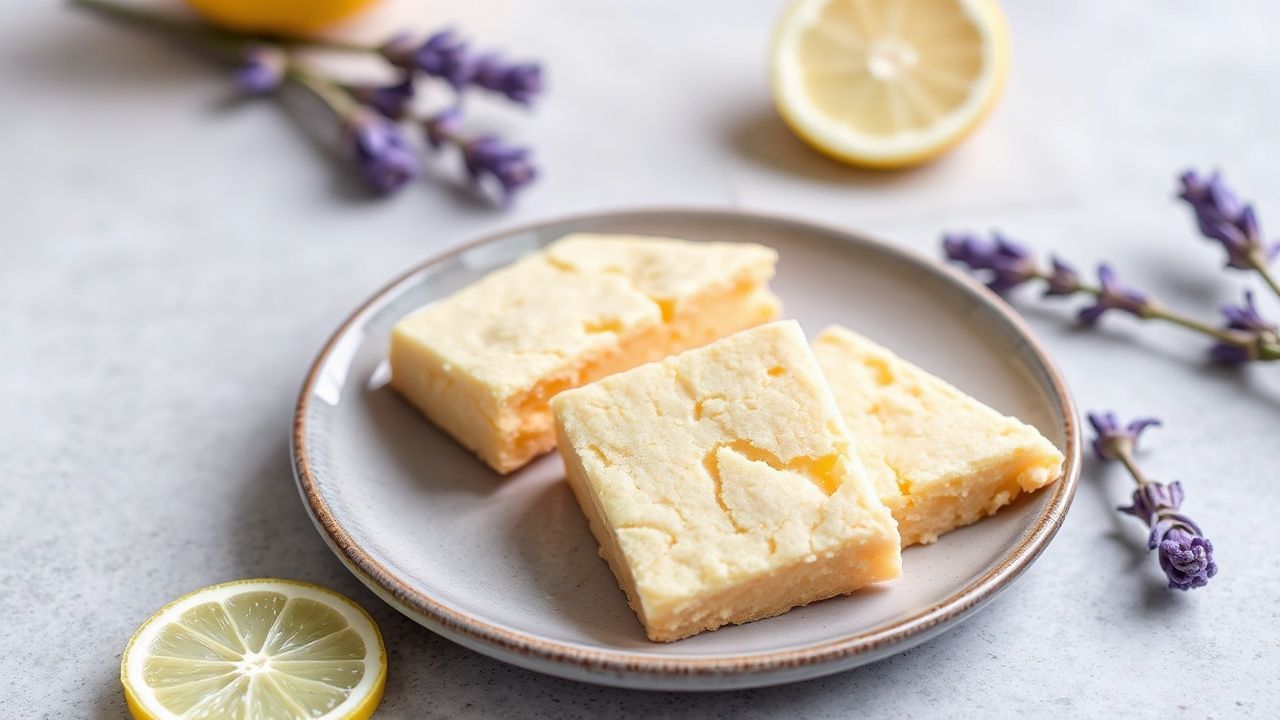
When you want a bright, buttery cookie that feels fresh and polished, zesty lemon lavender shortbread fits perfectly. It blends the snap of lemon zest with the soft, herbal aroma of culinary lavender, so every bite feels light and fragrant.
- The Flavor Balance That Makes Lemon Lavender Shortbread Work
- Choosing the Ingredients for Better Shortbread Texture
- Prep and Bake: Times, Yield, and What to Expect
- Ingredients
- Instructions
- Tips for Success With Zesty Lemon Lavender Shortbread
- Serving Suggestions That Highlight Lemon and Lavender
- Nutrition Note (Per Cookie)
- FAQ
- What makes zesty lemon lavender shortbread different from traditional shortbread?
- Can I use dried lavender instead of fresh lavender?
- How do I prevent the cookies from spreading too much?
- What’s the best way to store lemon lavender shortbread?
- How can I boost the lemon or lavender flavor?
- Concluding Remarks
- Focus flavor: Lemon zest for zing, lavender for floral depth
- Texture goal: Tender, crumbly shortbread with a firm, slice-and-bake shape
- Best timing: Chill the dough for clean rounds and even baking
- Serve smart: Pair with tea to highlight both citrus and florals
Whether you bake for afternoon tea, a spring gathering, or a gift box, this recipe stays simple. You mix, chill, slice, and bake, then let the aroma do the convincing.
Zesty Lemon Lavender Shortbread: Quick, Fresh & Flavorful
Zesty lemon lavender shortbread offers a refined twist on classic butter cookies. The lemon oils brighten the dough, while lavender adds a gentle perfume that stays pleasant when measured correctly.
Shortbread relies on fat and flour for its crumbly structure. Using shortbread principles, you keep mixing minimal and chill the dough to protect shape during baking.
The Flavor Balance That Makes Lemon Lavender Shortbread Work
Balancing citrus and floral notes matters because lemon and lavender both carry strong aromatics. Lemon zest brings volatile oils that bloom as the cookies warm, and lavender contributes a distinct herbal character.
For the most even flavor, zest only the yellow outer skin and avoid the bitter white pith. If you want a floral profile that stays elegant, start with a modest amount of culinary lavender and adjust after tasting.
Why lemon zest beats bottled lemon for aroma
Fresh lemon zest holds natural citrus oils that distribute through the butter as you cream. These oils create the “zesty” impression that bottled flavor often cannot match.
Microplaning helps you create fine zest that blends smoothly into the dough. That even distribution supports consistent taste from the first bite to the last.
How lavender strength changes with dose
Lavender varies by variety and processing, so intensity can differ. For reliable results, use culinary-grade lavender and crush it slightly so the aroma releases more evenly.
If you love a soft floral note, keep lavender on the lower end. If you love bold perfume, increase gradually—extra lavender can turn soapy or bitter.
When you measure carefully and chill the dough, the floral note settles into a clean, aromatic finish. That approach helps you avoid flavor surprises and keeps the cookie taste cohesive.
Choosing the Ingredients for Better Shortbread Texture
Great texture starts with quality butter and properly handled flour. Shortbread depends on fat for tenderness, and it depends on mixing control to prevent toughness.
Use unsalted butter so you control salt level, and use flour that stays consistent. For theory, butter fat supports the melt-in-your-mouth crumb typical of classic cookies.
Butter, sugar, and flour: your core structure
Creaming butter with sugar traps tiny air pockets and dissolves sugar for a smoother dough. That process also helps the cookies bake evenly and brown lightly at the edges.
Sift flour to remove lumps and create a lighter texture. Then mix just until the dough forms to keep the crumb tender.
Salt and vanilla: small changes, clear results
A small amount of sea salt sharpens both lemon and butter taste. It also reduces the perception of sweetness so the cookie tastes more balanced.
Vanilla stays optional here. If you add it, keep the amount modest so it supports the lemon-lavender pairing instead of competing with it.
For an extra cue on fat-driven cookies, review cookie structure concepts. Understanding how fat and sugar behave helps you troubleshoot texture fast.
Prep and Bake: Times, Yield, and What to Expect
This recipe stays quick at the hands-on stage. You’ll spend the most time on chilling, which improves slice quality and prevents spreading.
Plan around a short bake window and a proper cool-down so the cookie sets before you move it. In general, cookies keep baking a bit after they leave the oven, so don’t overbake.
Prep and cook overview
- Preparation: 15 minutes
- Chilling: 30 minutes
- Baking: 20 minutes
- Total: about 1 hour 5 minutes
Yield and difficulty
Yield: Approximately 24 cookies.
Difficulty: Easy. This shortbread suits first-time bakers who follow the chill and mixing notes carefully.
Ingredients
Use accurate measurements for consistent results. If you prefer grams, weigh your butter and flour for better control.
Everything below supports a tender crumb and a clean lemon-lavender balance.
- 1 cup (226g) European-style unsalted butter, softened
- 3/4 cup (150g) fine granulated sugar, plus extra for sprinkling
- 1 tablespoon fresh lemon zest (from 2 medium lemons)
- 1 teaspoon finely ground culinary lavender buds
- 2 cups (250g) all-purpose flour, sifted
- 1/4 teaspoon fine sea salt
- 1 teaspoon pure vanilla extract (optional)
Instructions
Follow the steps in order so the dough forms correctly and bakes into a tender, sliceable cookie. When in doubt, chill longer rather than trying to rush.
For cookie science background, leavening agent concepts help explain why this recipe focuses on texture from fat and flour, not on strong rising.
- Preheat your oven to 325°F (160°C). Line two baking sheets with parchment paper or silicone mats.
- In a large bowl, cream softened butter and sugar with a hand mixer or stand mixer on medium speed for about 3-4 minutes, until light and fluffy.
- Fold in lemon zest and culinary lavender buds gently, mixing just enough to distribute evenly.
- Whisk the sifted flour and sea salt in a separate bowl.
- Add flour mixture to the wet ingredients slowly. Mix on low speed or fold by hand until just incorporated. The dough should look soft and slightly crumbly, yet hold together when pressed.
- If using, stir in vanilla extract.
- Shape the dough into a 10-inch log on lightly floured parchment. Wrap tightly and chill at least 30 minutes.
- Slice into 1/4-inch thick rounds. Place them about 1 inch apart on the baking sheets.
- Sprinkle tops lightly with extra sugar for a subtle sparkle and crisp edge.
- Bake for 18-20 minutes, until edges turn lightly golden while centers stay pale.
- Cool on the baking sheets for 5 minutes, then transfer to a wire rack to cool completely.
Tips for Success With Zesty Lemon Lavender Shortbread
Small technique choices protect the crumb and improve the flavor balance. Keep your hands gentle once flour goes in, and keep the dough cold before baking.
Use these tips to troubleshoot without guesswork and to dial in the exact intensity you want.
- Do not overmix after adding flour. Overmixing can toughen shortbread.
- When zesting, avoid the white pith. The pith tastes bitter and can overpower lavender.
- Chill the dough to prevent spreading and to maintain clean slices.
- If you want a softer floral note, use 1/2 teaspoon lavender instead. Too much can dominate lemon.
- Try a variation with finely chopped candied lemon peel for chewy citrus contrast.
- Make-ahead: Refrigerate wrapped dough up to 24 hours or freeze up to 2 weeks. Slice and bake straight from chilled or thawed dough.
Serving Suggestions That Highlight Lemon and Lavender
These cookies pair especially well with drinks that match their aroma. Light teas and floral-infused beverages bring out the citrus brightness and keep the lavender note clean.
For a classic pairing, tea works because tannins and aromatics complement butter and zest. If you serve coffee, choose a mild roast to avoid overpowering the floral profile.
For presentation, plate cookies on a wooden board and add a few fresh lemon slices. A light powdered sugar dusting creates a tidy, elegant look that suits gifting.
To make gifts, pack cookies in pastel boxes with tissue and ribbon. Shortbread holds up well in transit when you cool fully before packing.
Nutrition Note (Per Cookie)
Nutrition varies by ingredient brands and exact cookie thickness. The estimate below assumes typical measurements for a standard batch.
Use it for planning, not for medical decision-making. For reference, ingredient composition affects calories through butter and sugar ratios.
| Nutritional Info (per cookie) | Calories | Protein | Carbs | Fat |
|---|---|---|---|---|
| Zesty Lemon Lavender Shortbread | 110 kcal | 1g | 13g | 6g |
FAQ
What makes zesty lemon lavender shortbread different from traditional shortbread?
Traditional shortbread leans on buttery simplicity, while this version adds lemon zest and culinary lavender. That shift creates a bright citrus top note and a gentle floral finish.
The result stays tender like classic shortbread but tastes more aromatic and refreshing. If you love citrus desserts, this cookie delivers that same punch in a buttery format.
Can I use dried lavender instead of fresh lavender?
Yes. Most home bakers use culinary dried lavender because it’s consistent and easier to dose.
Measure conservatively, crush the buds slightly, and taste for balance. Lavenders differ, so small adjustments help you land on your ideal intensity.
How do I prevent the cookies from spreading too much?
Chill the dough for at least 30 minutes before slicing and baking. Cold butter firms up quickly in the oven, which reduces spread.
Also avoid over-creaming and overmixing after flour. Extra air and warmer dough can lead to thinner cookies.
What’s the best way to store lemon lavender shortbread?
Store cookies in an airtight container at room temperature for up to about one week. Keep them away from strong-smelling foods so the aroma stays clean.
You can also freeze baked cookies for longer storage. Thaw at room temperature before serving so the texture returns.
How can I boost the lemon or lavender flavor?
For more lemon, add a bit more zest rather than extra juice, since zest carries the aromatic oils. For more lavender, increase gradually by 1/4 teaspoon increments.
Both flavors can become too strong if you go too far. Aim for balance so the cookie tastes refined, not overpowering.
Enjoy the harmony of citrus brightness and floral charm in every bite. This zesty lemon lavender shortbread gives you a quick bake with a fresh, aromatic result for any occasion.
Concluding Remarks
In a cookie world dominated by plain butter or heavy chocolate, this one stands out. It tastes light, smells fragrant, and feels special without demanding advanced technique.
Once you master the lemon zest and measured lavender approach, you can repeat the flavor with confidence. Keep the dough cold, mix gently, and let the aroma guide your next batch.
If you want more ideas, you can explore additional citrus baking techniques through trusted culinary references like lemon and lavender background.
See also: zesty lemon lavender shortbread