

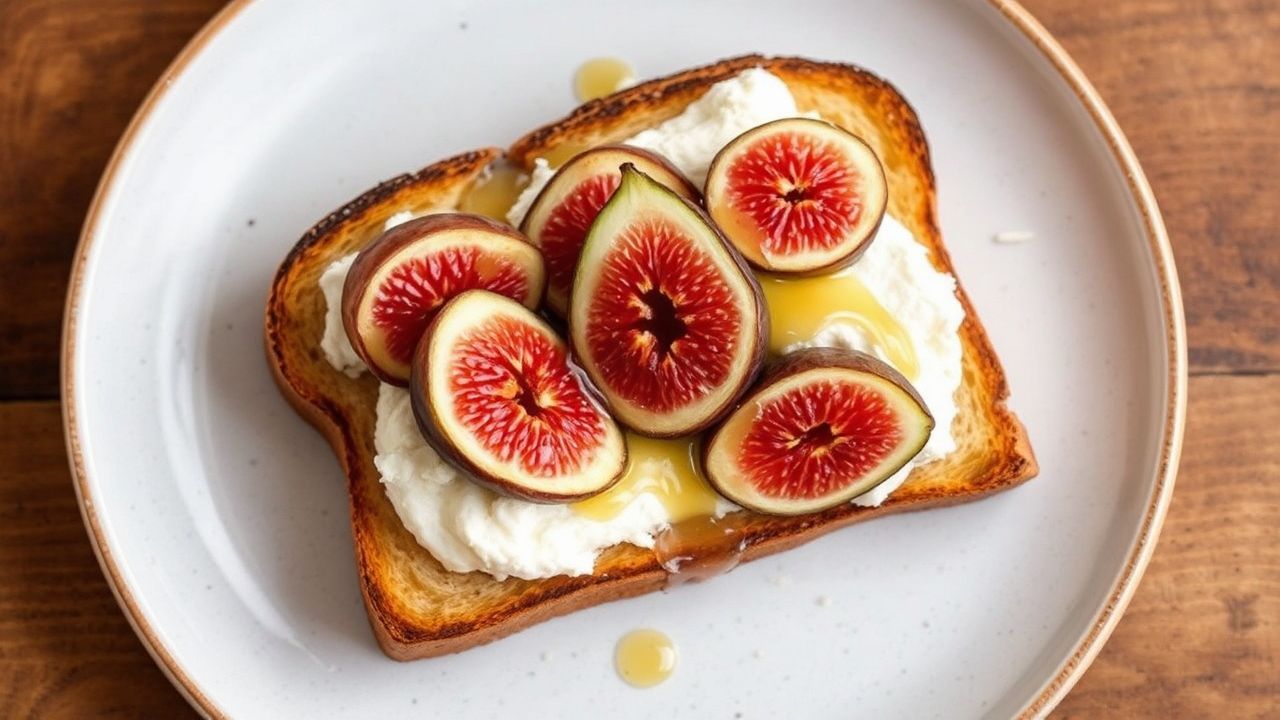
Ricotta toast with figs and honey brings together creamy dairy, jammy fruit, and warm sweetness in one simple bite. You get a dessert-like flavor profile, yet it still works as a balanced breakfast or a quick snack. The best part: the recipe stays fast, even when you want restaurant-level presentation.
- Sweet & Savory Ricotta Toast: Key Flavor Formula
- Prep and Cook Time, Yield, and Difficulty
- Ingredients for Ricotta Toast with Figs and Honey
- Step-by-Step Instructions
- Tips for Choosing the Best Ingredients
- Creative Toppings and Pairings
- Chef’s Notes and Make-Ahead Guidance
- Nutritional Data (Approximate per Serving)
- FAQ
- Focus flavor: creamy ricotta + ripe figs + honey for sweet-salty balance.
- Best texture: crisp toast plus spreadable ricotta and tender figs.
- Flavor boost: sea salt and cracked pepper sharpen the honey and fruit.
- Timing tip: assemble right after toasting so the bread stays crisp.
Sweet and savory harmony is easy to spot on the plate. Ricotta adds a mild, milky base, while figs deliver natural sugars and gentle complexity. Honey then ties everything together with a floral finish that lingers.
To keep the flavors clear, build the toast in the right order. Toast first, spread ricotta while the bread stays warm, and top with figs right away. Finish with a light drizzle of honey and a pinch of sea salt for contrast.
Sweet & Savory Ricotta Toast: Key Flavor Formula
This toast follows a reliable flavor formula: rich + sweet + bright. Ricotta provides richness, figs add sweet fruit depth, and honey supplies aroma. A small amount of salt and pepper adds brightness and prevents the dish from tasting one-note.
Figs belong to the broader fruit category where sweetness comes from natural sugars. When figs ripen, their texture turns soft and their flavor shifts from mild to unmistakably sweet. For background on fig fruit biology and ripening behavior, see fig.
Why Ricotta Works So Well on Toast
Ricotta has a mild flavor, so it doesn’t fight the fruit. Instead, it acts like a creamy platform that holds spices, salt, and honey. Choose whole-milk ricotta for a richer mouthfeel and better spreadability.
If your ricotta tastes bland, you can fix that quickly. Add a tiny pinch of salt and a grind of black pepper before spreading. This echoes how dairy flavors open up when you season them lightly, a concept you can read about in cheese.
Honey Flavor: Floral Notes and Warm Sweetness
Honey doesn’t just add sweetness. It also brings aroma compounds that feel “warm” on the palate. Use a honey you enjoy straight from the spoon, because the flavor will show up on the toast.
Honey type matters. Golden floral honey often pairs well with mild dairy and delicate fruit. For a practical overview of honey composition and varieties, visit honey.
Prep and Cook Time, Yield, and Difficulty
This recipe targets quick, weeknight-friendly timing. You can go from countertop to plate in about 15 minutes if you keep your ingredients ready.
The result feels special because you control texture: crisp bread edges, soft ricotta, and warm figs. That contrast matters more than complex steps.
- Preparation: 10 minutes
- Cooking: 5 minutes
- Total Time: 15 minutes
Yield: Serves 2 generous portions.
Difficulty Level: Easy.
Ingredients for Ricotta Toast with Figs and Honey
Use fresh, ripe figs for the best sweetness and spoonable texture. When figs look slightly soft and fragrant, they usually perform better on toast.
For the toast base, pick bread that stays firm after toasting. Sourdough or thick artisanal slices keep their crunch and support the creamy topping.
- 4 thick slices rustic sourdough bread or artisanal country loaf
- 1 cup whole milk ricotta cheese
- 6 ripe figs halved or quartered
- 3 tbsp high-quality golden honey
- 1 tbsp extra virgin olive oil
- 1/4 tsp flaky sea salt (plus more for finishing if desired)
- Freshly ground black pepper, to taste
- Optional garnish: fresh thyme leaves or toasted pistachios
Step-by-Step Instructions
Follow these steps in order to keep the bread crisp. Warm toast helps the ricotta soften and lets the honey melt slightly for a glossy finish.
Work efficiently: slice figs first, toast the bread, then assemble right away. This sequence prevents soggy bread and keeps toppings vivid.
- Toast the bread. Toast until golden and crisp around the edges, about 3–4 minutes in a toaster or under a broiler. For extra aroma, lightly brush with olive oil before toasting.
- Prep the figs. Rinse gently, pat dry, and slice. Pick figs that give slightly when pressed.
- Season the ricotta (quick boost). Stir ricotta with a pinch of sea salt and a grind of black pepper. Taste and adjust so the spread isn’t bland.
- Spread ricotta on warm toast. Spread evenly while bread stays hot. Make textured peaks with the back of a spoon for a better bite-to-bite look.
- Arrange figs on top. Place fig pieces to cover most of the ricotta surface. This ensures each forkful includes fruit.
- Drizzle honey. Spoon honey over the figs in thin lines. Warm bread and fruit help honey cling and soften.
- Finish with salt and pepper. Add a light final sprinkle. This step sharpens the sweet-salty balance.
- Garnish and serve. Add thyme or pistachios for aroma and crunch. Eat immediately for best texture.
Tips for Choosing the Best Ingredients
Ingredient quality drives the final taste. With ricotta toast, subtle flavor differences show up fast because the topping list stays short and direct.
Use these buying cues to avoid watery toppings or bland ricotta. Small improvements here make the toast feel more “crafted.”
How to Choose Ricotta Cheese
Look for fresh whole-milk ricotta that feels creamy and spreads without watery separation. Overly wet ricotta can slide off toast and thin out when honey hits it.
If you want background on dairy types and why fat level matters, read dairy products. For this toast, full-fat ricotta usually gives the most satisfying texture.
How to Choose Figs
Pick figs that are soft but not collapsing. Their skins should look intact, with a deep color and a fragrant smell at the stem end.
When figs ripen, their sugars rise and their texture softens, which directly improves sweetness. For general reference on fig structure and fruit types, see fruit.
How to Choose Honey
Choose a honey you enjoy for its aroma. Floral and golden varieties often complement figs and dairy without overpowering them.
If you want a simple match, choose honey that lists botanical origin or has clear flavor notes. For general honey reading, use floral honey.
Instead, assemble quickly and drizzle honey right before eating. If you must hold the toast, keep figs separate and top at the last moment.
Bread Choice for Maximum Crunch
Pick thick slices with an open crumb and a crisp crust. Thinner bread gets soggy faster when ricotta and fruit release moisture.
To understand why bread structure changes texture, see bread. For this recipe, “toasty outside, sturdy inside” wins every time.
Toast until you see firm edges. If you’re using a broiler, watch closely; sugars in honey and fruit can brown quickly once toppings touch heat.
Expert Insight: Aim for a 2:1 ratio of crunchy bread to soft topping. That means the bread should feel sturdy enough to support figs without bending. If your ricotta is thick, spread it in a thin layer; if it’s looser, spread it slightly thicker so the figs don’t sink too fast.
Creative Toppings and Pairings
Once you master the classic version, you can vary flavor without changing the recipe’s core idea: creamy ricotta, sweet figs, and fragrant honey.
Keep changes small so the sweet-salty balance stays readable. Add herbs for freshness, add nuts for crunch, or add a tangy component for contrast.
Flavor Variations That Still Taste Balanced
Try a drizzle of aged balsamic reduction for a deeper, syrupy edge. Use it lightly so it doesn’t overpower honey. Another option is microgreens for a peppery lift that cuts sweetness.
For extra crunch, add toasted walnuts or sunflower seeds. This also adds healthy fats and improves mouthfeel. If you want a general nutrition overview for seeds and nuts, see nuts.
Pairings for Coffee, Tea, and Brunch
Ricotta toast with figs and honey pairs well with rich black coffee and herbal tea. The bitterness from coffee helps the honey taste more complex instead of purely sweet.
For a brunch plate, serve it with mixed greens and a lemon vinaigrette. The citrus adds brightness and reduces sweetness fatigue.
Chef’s Notes and Make-Ahead Guidance
These notes help you plan for a smooth serving window. Small prep steps keep your final toast looking fresh and tasting crisp.
Most people assemble right before eating, but you can still save time by prepping components earlier.
- For a vegan variation, swap ricotta with a plant-based cashew-style cheese. Use maple syrup or agave instead of honey.
- Warm fig slices briefly in a skillet with olive oil for a glossy finish. Add cinnamon only if you want a spiced dessert note.
- Store ricotta sealed in the refrigerator and use within a few days for peak flavor. Toast bread fresh for the best crunch.
- If fresh figs aren’t available, dried figs work well. Soak them briefly to soften, then pat dry before topping.
If you’re curious about plant-based dairy alternatives and how they differ from traditional dairy, you can read plant milk for general context.
Nutritional Data (Approximate per Serving)
Nutrition varies based on bread thickness, ricotta brand, and honey amount. The table below gives a realistic estimate for two toasts.
Use this information to plan your meal portion. If you want a lighter plate, reduce honey slightly or choose a thinner bread slice.
| Component | Per Serving |
|---|---|
| Calories | 320 kcal |
| Protein | 12 g |
| Carbohydrates | 38 g |
| Fat | 12 g |
FAQ
These answers cover the most common questions people ask before making sweet and savory ricotta toast.
Use them to troubleshoot texture, ingredient swaps, and timing.
What makes ricotta toast with figs and honey taste so special?
The combination balances creamy ricotta, natural fruit sweetness, and aromatic honey. A final pinch of salt and cracked pepper sharpens the flavors so each bite tastes layered.
Can I use dried figs instead of fresh?
Yes. Soak dried figs in warm water for a short time, then pat dry. This helps them soften while keeping them from turning mushy once they hit the ricotta.
What bread works best for this recipe?
Choose thick sourdough or rustic country bread. Toast it until crisp, so the bread holds up under ricotta and juicy figs.
How do I keep the toast from getting soggy?
Assemble right after toasting. Keep fig topping and honey for the final steps, and drizzle honey at serving time to preserve crunch.
Can I make a vegan version?
Use a plant-based cashew cheese style spread and swap honey for maple syrup or agave. Season the spread lightly so it tastes balanced against sweet figs.
See also: ricotta toast