
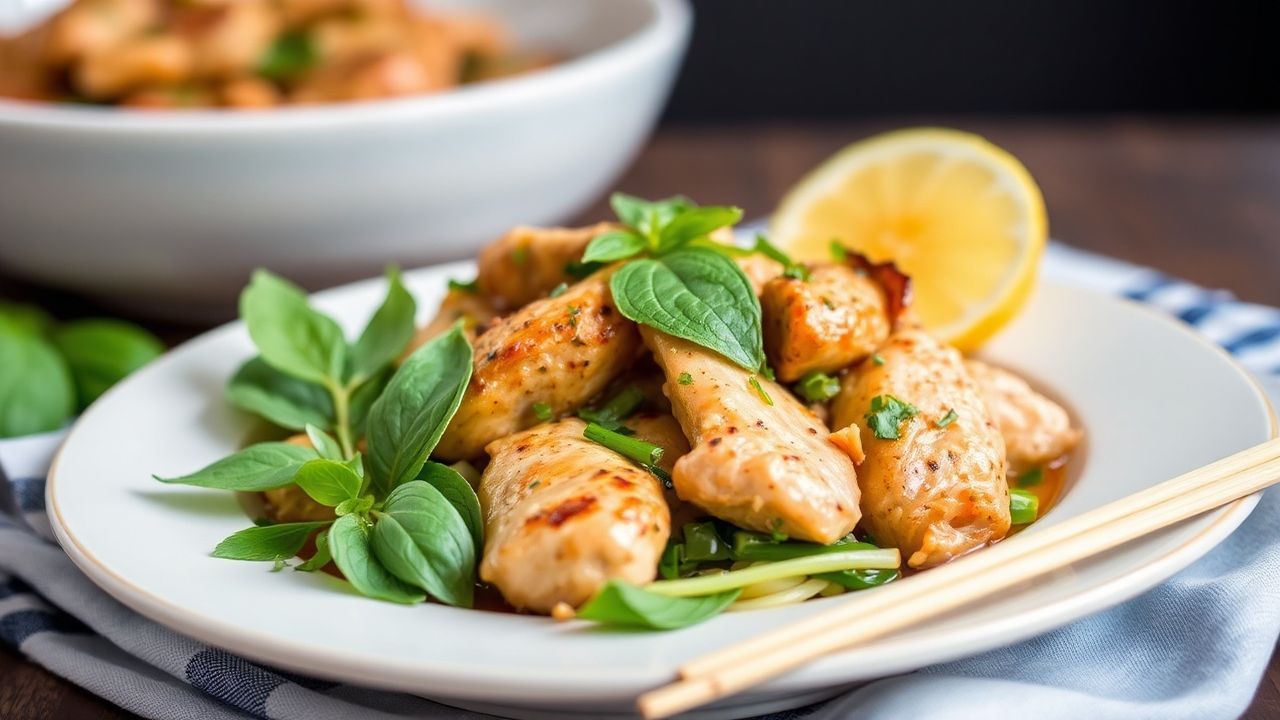
Thai basil chicken, known as Pad Krapow Gai, is one of Thailand’s fastest stir-fries. It delivers big flavor from garlic, chilies, savory sauces, and the bright perfume of fresh Thai basil. When you stir hot and finish the leaves at the end, the dish tastes like it came from a street stall.
- Pad Krapow Gai Flavor Profile (What to Expect)
- Ingredients for the Best Thai Basil Chicken
- Prep and Cook Time + Yield
- Step-by-Step Instructions (Pad Krapow Gai Method)
- 1) Prep the basil, garlic, and chilies
- 2) Sauté aromatics until fragrant
- 3) Brown the chicken fast
- 4) Build the sauce
- 5) Toss in basil at the last second
- 💡 Expert Insight Expert Insight: How to Keep the Sauce Glossy
- ⚠️ Pro-Caution Pro-Caution: Don’t Overcook the Basil
- Chef’s Notes: Common Fixes That Improve Pad Krapow Gai
- Serving Suggestions (How to Plate for Maximum Appetite)
- More Thai Cooking Context (So You Can Nail Each Stir-Fry)
- FAQ
- What makes Pad Krapow Gai taste authentic?
- Can I use sweet basil instead of Thai basil?
- How spicy should this recipe be?
- What chicken texture works best?
- Can I make it ahead and reheat?
- The Way Forward
- Use holy (Thai) basil for the signature peppery, anise-like aroma.
- Stir-fry at high heat so the sauce clings without turning watery.
- Add basil last to keep its color and herbal punch.
- Balance salty and sweet with soy, oyster sauce, and a small amount of palm sugar.
If you want restaurant-style results at home, focus on speed and timing. First, chop everything before the wok heats. Next, cook garlic and chilies just until fragrant, then brown the chicken fast. Finally, toss in the basil for seconds, not minutes.
Pad Krapow Gai Flavor Profile (What to Expect)
Pad Krapow Gai tastes bold and layered. You get spicy heat from bird’s eye chilies, deep savoriness from soy and oyster sauce, and gentle sweetness from palm sugar. Thai basil then ties it all together with a fresh, aromatic finish.
The base method is simple, but the balance matters. Too much sugar dulls the chili bite. Too little sauce makes the chicken taste flat. Keep the sauce thick by simmering briefly, then stop cooking as soon as the basil wilts.
To understand the herb side, it helps to know what “basil” refers to botanically. Thai basil belongs to the same general plant family as other basils, but it shows a distinct flavor profile. Read up on basil to see why aroma changes with variety.
Ingredients for the Best Thai Basil Chicken
Start with chicken thigh and fresh aromatics for the cleanest texture. Thigh stays juicy during fast stir-frying, even when you cook at high heat. For the herb, use Thai holy basil (often sold as krapow).
For reference on poultry cuts and cooking behavior, consider how thigh differs from breast. Thigh contains more fat, which helps it stay tender when exposed to strong heat. See chicken for a general overview of poultry anatomy and cooking considerations.
Below is a recipe set designed for about 4 servings. If you prefer a milder plate, reduce chilies first, then taste and adjust with small additions of sugar or sauce.
Core sauce and aromatics
You’ll need a classic Thai stir-fry sauce lineup. Light soy sauce brings saltiness and color, while oyster sauce adds a rounded umami base. Dark soy sauce deepens the brown tone and flavor.
Palm sugar adds a gentle sweetness that balances heat and salt. For ingredient context on sugar types common in cooking, you can review palm sugar. Use it sparingly so the dish still tastes savory.
- 500g boneless chicken thigh, finely chopped or ground
- 1 cup fresh Thai holy basil leaves (krapow), loosely packed
- 3–4 cloves garlic, minced
- 3–5 Thai bird’s eye chilies, thinly sliced (adjust to heat)
- 2 tbsp neutral oil (canola or sunflower)
- 2 tbsp light soy sauce
- 1 tbsp oyster sauce
- 1 tsp dark soy sauce (for color)
- 1 tsp palm sugar (or brown sugar)
- 1 tbsp water
- 1/2 cup diced white onion (optional)
- Cooked jasmine rice, for serving
Prep and Cook Time + Yield
This recipe moves fast, so prep matters more than fancy steps. Plan on a hot wok and a ready mise en place.
You’ll get four satisfying portions. If you cook for fewer people, scale down the chicken and sauce and keep chili quantity proportional.
- Preparation: 15 minutes
- Cooking: 10 minutes
- Total time: 25 minutes
Serves: 4 generous portions.
Difficulty: Easy to medium. It rewards timing, not advanced knife skills.
Step-by-Step Instructions (Pad Krapow Gai Method)
Use a wok or a large non-stick skillet. Heat should be medium-high to high, so garlic smells fragrant and the chicken browns quickly.
Keep a steady rhythm: sauté, brown, sauce, then basil. If you wait too long between steps, the garlic can burn and the sauce can thicken before you’re ready.
1) Prep the basil, garlic, and chilies
Rinse basil and drain well. Mince garlic and slice chilies thin, then chop chicken so it cooks evenly.
If you wear gloves, you’ll reduce chili irritation. Bird’s eye chilies release oils that linger on skin, so wash tools right away.
2) Sauté aromatics until fragrant
Heat oil in a wok until shimmering. Add minced garlic and sliced bird’s eye chilies, then stir for about 30 seconds.
Stop as soon as the aroma turns sharp and sweet. Burned garlic smells bitter, and that bitterness carries into the whole dish.
3) Brown the chicken fast
Add ground or finely chopped chicken thigh. Stir constantly to break clumps and cook until mostly opaque, about 4–5 minutes.
If the pan dries out, add a splash of water, then let it evaporate. You want a glossy base by the time sauce goes in.
4) Build the sauce
Stir in onion (if using). Cook until translucent, then mix in light soy sauce, oyster sauce, dark soy sauce, palm sugar, and water.
Simmer for 1–2 minutes. This step reduces liquid so the sauce coats the chicken instead of pooling.
5) Toss in basil at the last second
Turn off the heat or drop to low. Add holy basil leaves and toss quickly for 20–40 seconds, just until wilted.
Basil should taste fresh, not boiled. For herb context, you can review herbs to see how aroma compounds often fade with overcooking.
💡 Expert Insight
Expert Insight: How to Keep the Sauce Glossy
[TIP]Expert Insight: Use a hot pan and a short simmer. If your chicken releases too much liquid, increase heat slightly for 20–30 seconds after adding sauce so it thickens while you stir.
[TIP]Expert Insight: Use a hot pan and a short simmer. If your chicken releases too much liquid, increase heat slightly for 20–30 seconds after adding sauce so it thickens while you stir.
Also, avoid crowding. If you stack too much chicken at once, browning slows and the dish steams instead of stir-fries. Cook in batches if your skillet is small.
⚠️ Pro-Caution
Pro-Caution: Don’t Overcook the Basil
[WARNING]Pro-Caution: Thai holy basil goes bitter and dull if you cook it for too long. Add it last, stir fast, and serve immediately.
[WARNING]Pro-Caution: Thai holy basil goes bitter and dull if you cook it for too long. Add it last, stir fast, and serve immediately.
If you prep basil early, keep it dry and ready. Wet basil can splash in the wok and cool the pan right when you need heat.
For a simple way to remember timing, think “aroma first, wilt last.” Garlic needs quick sautéing, while basil needs quick wilting.
Chef’s Notes: Common Fixes That Improve Pad Krapow Gai
Small changes make the difference between “good” and “authentic.” Taste as you go: sauce should be savory, spicy, and slightly sweet without tasting salty alone.
These notes help you troubleshoot common problems like weak flavor, harsh heat, or watery sauce.
- Holy basil is king. If you can’t find Thai holy basil, use a basil blend (sweet basil + a touch of Thai basil). Expect a softer, less peppery aroma.
- Adjust the chili heat. Start with fewer chilies, then add more after tasting. You can also mince half a chili and slice the rest for controlled texture.
- Use chicken thigh. It stays tender in fast stir-fries and holds sauce better than breast.
- Don’t overcook basil. Add leaves right at the end for maximum fragrance.
- Make-ahead option. Prep the sauce mixture and chicken separately. Stir-fry and toss basil fresh before serving.
- Optional fish sauce. Add just a small splash if you want extra depth, but don’t pour it in blindly. Too much fish sauce can overwhelm the basil.
For sauce depth concepts, you can review umami. Oyster sauce and soy contribute glutamates that amplify savory notes, so balancing them matters.
Serving Suggestions (How to Plate for Maximum Appetite)
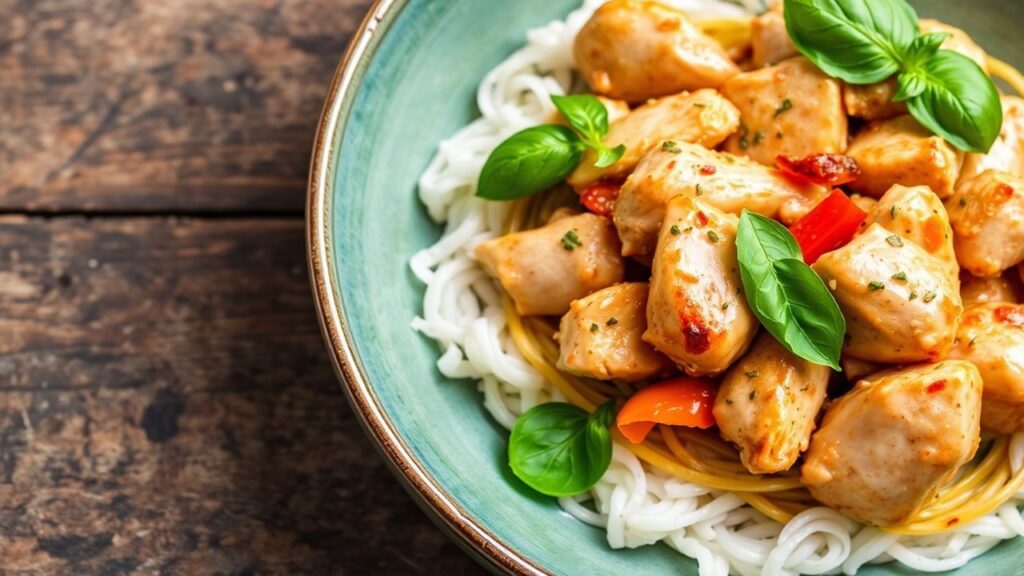
Serve Pad Krapow Gai straight from the wok. Spoon it over steamed jasmine rice so the sauce soaks slightly into the grains.
A fried egg works especially well. The yolk turns runny and enriches the spicy, herbal sauce, creating a smoother bite.
For texture contrast, add thin cucumber slices on the side. If you want a brighter Thai pairing, serve with a simple papaya salad or a light salad with lime.
Quick topping ideas
For extra crunch and color, add thin red chili slices and chopped green onions. Keep toppings fresh so they don’t taste cooked.
If you prefer more heat, drizzle a little extra chili oil. If you prefer less heat, add more rice and reduce chilies next time.
When people ask about chili peppers in general, it helps to know they vary widely in heat level. For a background on capsaicin and pepper heat behavior, review chili pepper.
| Nutrient | Per Serving |
|---|---|
| Calories | 320 kcal |
| Protein | 35 g |
| Carbohydrates | 8 g |
| Fat | 15 g |
Serving note: Nutrients will vary with portion size, brand of sauces, and how much oil you use.
More Thai Cooking Context (So You Can Nail Each Stir-Fry)
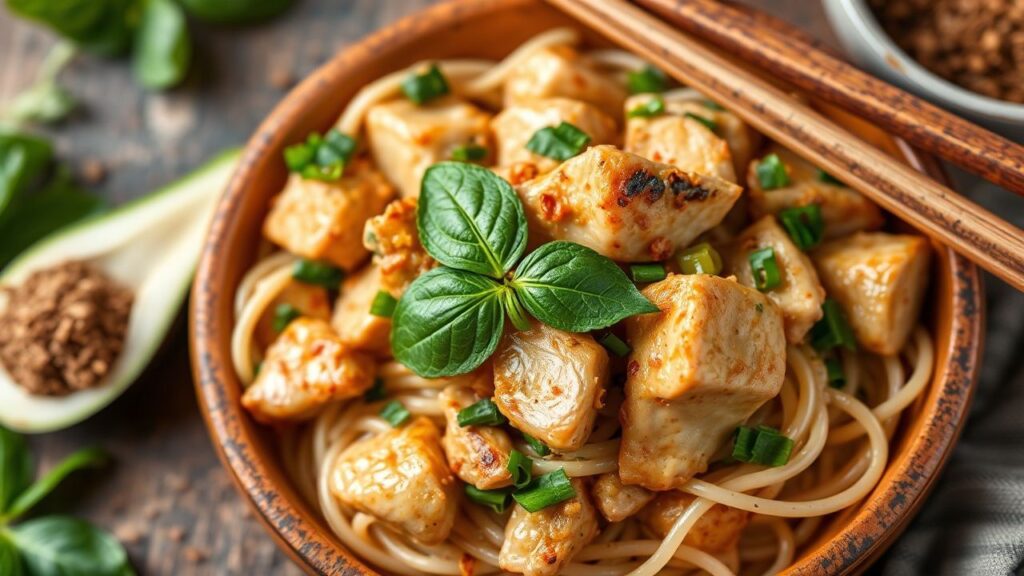
Pad Krapow Gai follows a wider Thai stir-fry rhythm: hot oil, fast aromatics, quick meat browning, then a brief sauce phase. When you stick to that order, the dish stays punchy instead of muddy.
If you want deeper mastery, study how high-heat cooking changes flavors. Stir-frying also relies on moisture control and surface contact, which helps browning and aroma lift. For a general view of the technique, read stir-fry.
For base ingredient substitutions, you can lean on cooking principles rather than copy exact brands. Oil choice matters because neutral oils let garlic and basil stand out. For a high-level look at vegetable oils in cooking, you can review vegetable oil.
FAQ
What makes Pad Krapow Gai taste authentic?
Fresh Thai holy basil and a fast stir-fry method. Use garlic and bird’s eye chilies, then balance soy, oyster sauce, and a small amount of palm sugar. Finish with basil at the last moment so aroma stays bright.
Can I use sweet basil instead of Thai basil?
Yes, but the flavor changes. Sweet basil tastes milder and less peppery. If you substitute, consider mixing sweet basil with Thai basil if you can find it, and taste for salt and sweetness.
How spicy should this recipe be?
Traditionally, it’s spicy because bird’s eye chilies drive the heat. Start with 3 chilies for a moderate bowl, then adjust next time. Taste after the sauce reduces so the heat feels rounded, not sharp.
What chicken texture works best?
Chicken thigh works best because it stays tender during quick cooking. Ground chicken cooks evenly and absorbs sauce faster. Finely chopped chicken breast can work too, but watch doneness closely.
Can I make it ahead and reheat?
You can prep ingredients ahead, but cook and serve basil fresh. If you reheat leftovers, warm gently to avoid tough chicken and overly wilted basil. The best results come from cooking right before you eat.
The Way Forward
Mastering Pad Krapow Gai means respecting timing. Keep the wok hot, build a glossy sauce briefly, and add holy basil only at the end. When you follow that sequence, the dish tastes vivid, aromatic, and balanced.
Once you cook it a couple times, you’ll naturally adjust heat and sweetness to your own palate. Serve it over jasmine rice with an optional fried egg, and let the bold chili-garlic aroma and fresh basil flavor lead every bite.
See also: Pad Krapow Gai