
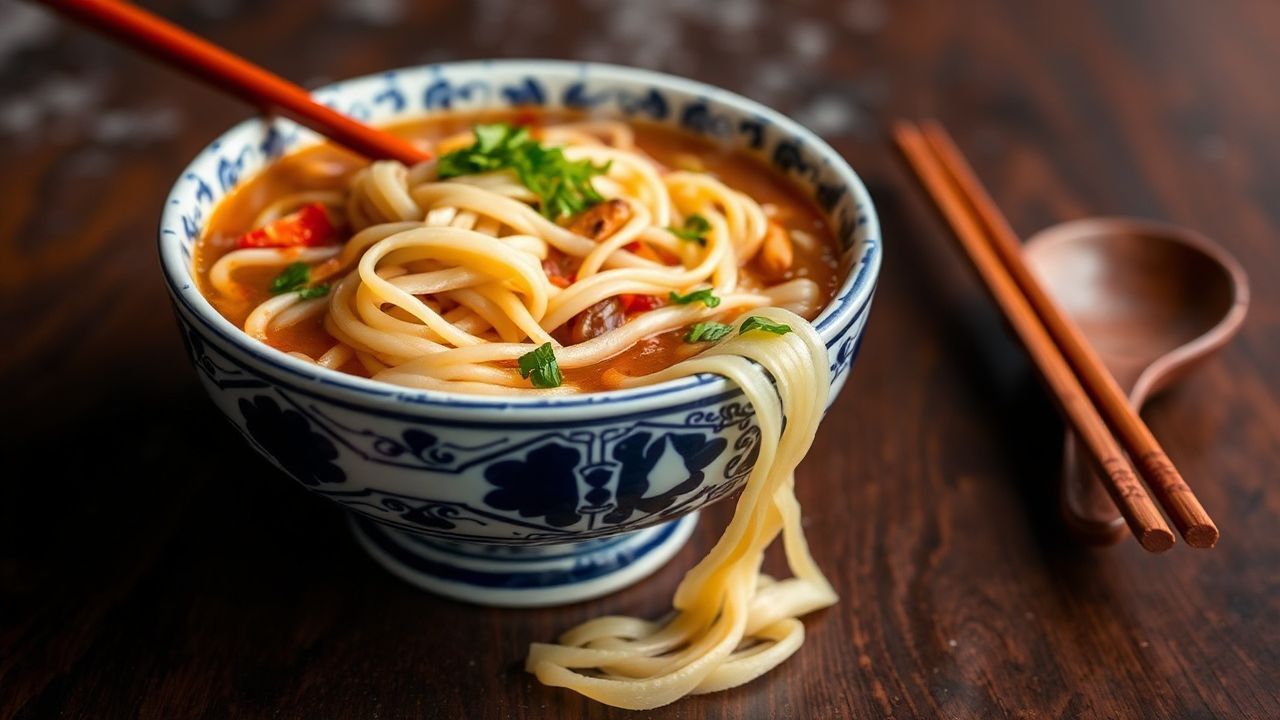
In Sichuan cuisine, Dan Dan Noodles stand out for their bold heat, silky sauce, and deep nutty flavor. This dish balances spicy, numbing, savory, and a gentle tang so each bite feels alive and layered.
At a Glance
- Core flavor: chili oil + Sichuan peppercorn for mala (麻辣).
- Texture plan: chewy wheat noodles with crunchy peanuts and scallions.
- Build the sauce: sesame paste, soy sauce, vinegar, then broth to loosen.
- Customize heat: adjust chili oil and pepper to match your palate.
Join us for a practical, home-cook-friendly guide to the classic bowl—from ingredient choices to the exact order that makes the sauce taste smooth. You’ll learn how to keep the heat bright, not harsh, and how to avoid common mistakes like oily separation.
Dan Dan Noodles Bliss: Irresistible Sichuan Spice Bowl delivers a street-food experience with restaurant-style control. The sauce works because it mixes toasted sesame, chili oil, and Sichuan pepper into one smooth coating that clings to noodles without turning greasy.
Rooted in Chengdu street stalls, the dish got its name from vendor baskets carried on a pole. Today, you still chase the same goal: warm, bold, and fast—served piping hot so the numbing-spicy notes hit right away.
Prep and Cook Time
Plan for a quick kitchen rhythm. You can finish the whole dish in under 45 minutes, even if you start from dried noodles.
Cooking speed matters because chili oil and aromatics taste best when you don’t overcook them. Keep the timeline tight, then let the sauce rest briefly for better flavor fusion.
- Readiness: 20 minutes
- Cooking: 15 minutes
- Total Time: 35 minutes
Yield
This recipe makes 4 hearty portions. It works well for weeknight dinners or a small group meal.
If you cook for two, scale down the sauce first. The noodle-to-sauce ratio matters, so aim for enough sauce to coat every strand.
Serving note: Store leftover sauce separately if you plan to reheat.
Difficulty Level
Medium—most of the work is sauce mixing and mise en place. You don’t need advanced knife skills, but you do need attention to heat levels.
If you can sauté aromatics and whisk a dressing, you can make this. The key is controlling the order: aromatics, cooked protein, then sauce blending.
Ingredients
Use ingredients that help the sauce stay smooth. Fresh noodles give the best spring, but good dried noodles work if you cook them correctly.
For background on Sichuan flavor, see Sichuan pepper and chili peppers for why the heat profile feels different from pure spiciness.
- 200g fresh Chinese wheat noodles (or high-quality dried noodles)
- 3 tbsp toasted sesame paste (or tahini as a close substitute)
- 2 tbsp chili oil (adjust to taste)
- 1 tbsp Sichuan peppercorns, toasted and ground
- 3 cloves garlic, minced
- 1 tbsp ginger, finely grated
- 2 tbsp soy sauce (light soy preferred)
- 1 tbsp Chinese black vinegar
- 1 tsp sugar
- 100g ground beef substitute (ground turkey, chicken, or firm tofu for vegetarian)
- 2 stalks green onions, finely chopped
- 1/4 cup roasted peanuts, chopped
- 2 tbsp vegetable oil
- 1 cup low-sodium chicken or vegetable broth
- Fresh cilantro, for garnish
Instructions
Follow the steps in order so the sauce stays glossy and balanced. If you rush, you may end up with an oily or bitter taste.
For a quick flavor science reference, emulsion explains why whisking and adding liquid make the paste feel silky instead of clumpy.
- Toast and grind Sichuan pepper: Toast peppercorns in a dry skillet over medium heat until fragrant, about 1–2 minutes. Grind finely, then set aside.
- Cook the noodles: Boil salted water and cook noodles until just al dente. Drain and rinse under cold water. Lightly drizzle sesame oil to prevent sticking.
- Sauté aromatics: Heat vegetable oil in a skillet over medium heat. Add garlic and ginger. Stir for 45–60 seconds, until fragrant and lightly golden.
- Cook the protein: Add ground turkey/chicken or crumbled tofu. Cook until fully done and lightly browned. Stir in soy sauce and sugar, then remove from heat.
- Make the Dan Dan sauce: Whisk sesame paste, chili oil, ground Sichuan pepper, black vinegar, and broth until smooth. Taste and adjust.
- Assemble: Divide noodles into bowls. Spoon the cooked protein on top. Pour sauce over the noodles so each strand gets coated.
- Garnish and serve: Add green onions, peanuts, and cilantro. For extra heat, add a thin chili oil drizzle right before serving.
Tips for Success
Small choices make a big difference in mala balance and overall texture. Use these tips to keep the dish bold but not rough.
If you want to understand why pepper tastes numbing, Sichuan pepper is the best reference for the unique tingly effect compared with chili alone.
- Choose noodles you can cook precisely. Undercooked noodles stay firm; overcooked noodles turn soft fast once coated.
- Adjust chili oil in both sauce and finish. Start lower, then build heat gradually for control.
- For vegetarian bowls, use crumbled firm tofu or finely chopped mushrooms for savory bite. Add soy sauce early in the cook to deepen flavor.
- If you swap sesame paste with tahini, whisk extra well. Tahini can feel slightly sharper, so balance with broth and vinegar.
- Rest the sauce 5–10 minutes before serving. Flavor blends faster, and the texture becomes more uniform.
- Toast peppercorns fresh. Pre-ground versions lose aroma sooner, which dulls the signature mala lift.
[WARNING]Pro-Caution: Don’t boil the chili oil into the broth. If you overheat chili oil for too long, it can taste burnt and bitter. Keep aromatics sautéed briefly, then pour sauce liquid in after heat drops slightly.
Also taste as you go. Dan Dan Noodles should feel balanced: nutty and savory first, then heat and numbing last, with vinegar providing a clean edge.
Serving Suggestions
Serve immediately after saucing. Noodles soak quickly, so early serving keeps the best chew and stops the dish from turning heavy.
For drink pairing, consider jasmine tea or a lightly sweetened soy milk. A warm tea helps reset your palate after chili and Sichuan pepper.
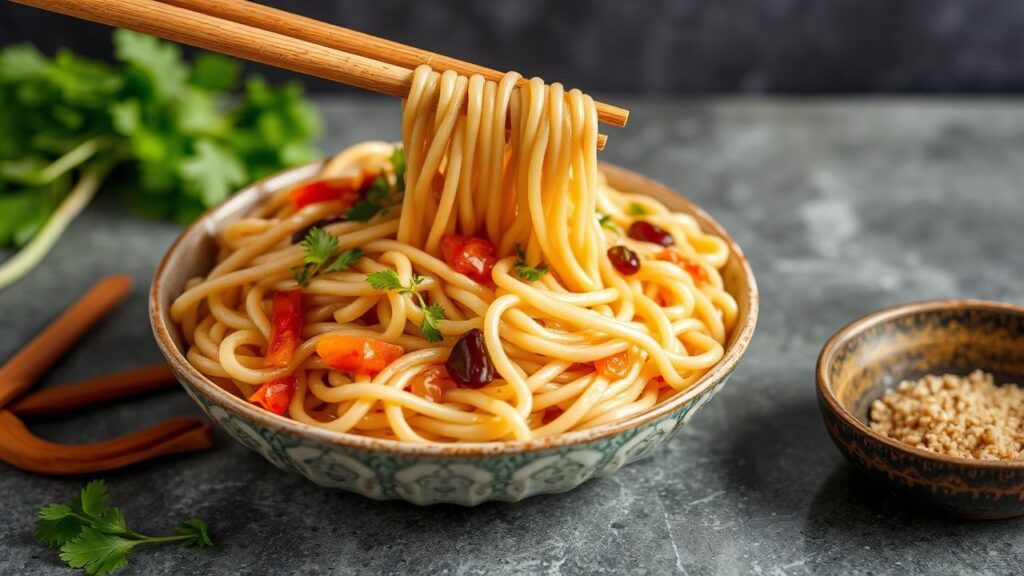
Presentation tip: Use slightly deep bowls so the sauce doesn’t spill. Add extra chili oil in thin ribbons for a vivid finish.
| Nutrient | Per Serving |
|---|---|
| Calories | 420 kcal |
| Protein | 25 g |
| Carbohydrates | 45 g |
| Fat | 15 g |
From Mild to Fiery: Customize Your Spice Level in Dan Dan Noodles Bliss
You control heat by adjusting both chili oil and Sichuan pepper. Chili gives warmth, while Sichuan pepper delivers numbing tingles that create the signature mala feel.
Start mild by using less chili oil, then add it in small increments. For the numbing layer, increase ground pepper only if your sauce tastes smooth and not harsh.
[TIP]Expert Insight: Make one “test bowl” first. Keep the noodle portion small, mix a spoon of sauce, taste, then scale the sauce to the full batch using the same ratio you liked.
For flavor depth, finish with crunchy peanuts and scallions. They add texture that keeps each bite fun, even when the sauce is very hot.
Q&A
Quick answers help you troubleshoot and build confidence. Use these points to improve your first attempt and refine future bowls.
If you want a general culinary reference, Chinese cuisine provides helpful context for regional sauces and noodle styles.
What exactly are Dan Dan Noodles?
Dan Dan Noodles are Sichuan-style noodles with a spicy, nutty sauce. They usually combine chili oil, Sichuan peppercorn, sesame paste, soy sauce, and black vinegar, then top with cooked ground filling, peanuts, and scallions.
Where does the name “Dan Dan” come from?
The name relates to vendors who carried meals on a pole with baskets on both ends. This street setup shaped how the dish was served: hot, fast, and easy to assemble for customers.
Why do Sichuan Dan Dan Noodles taste numbing, not just hot?
Sichuan peppercorn causes a distinct tingling and numb feeling. That effect comes from its unique compounds, so the heat feels layered instead of purely spicy.
Which ingredients make the sauce taste balanced?
Sesame paste provides nutty body, chili oil brings warmth, and black vinegar adds a clean tang. Soy sauce and broth round it out for savory depth and a smooth mouthfeel.
How can I keep the sauce silky at home?
Whisk sesame paste thoroughly and add broth gradually. Then pour and coat immediately so the noodles and sauce work together while the texture stays glossy.
Final note: If your sauce looks separated, whisk again and add a splash of warm broth. Small adjustments restore the smooth coating without ruining flavor.
See also: Dan Dan Noodles