
Lady Baltimore Cake in 60 Seconds
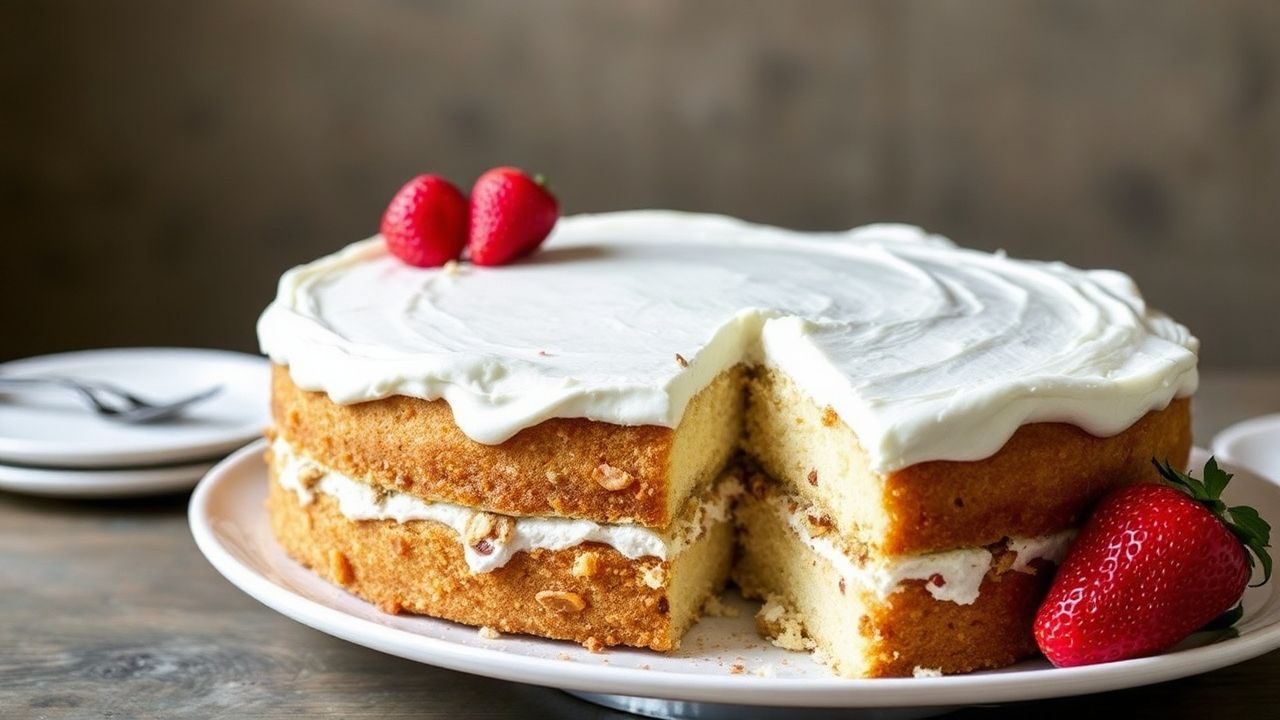
Lady Baltimore Cake is a classic Southern layer cake known for a tender crumb and a signature meringue frosting loaded with pecans, candied fruit, and bright flavor notes. The frosting uses cooked sugar to create a glossy, marshmallow-like texture that sets beautifully.
- Lady Baltimore Cake in 60 Seconds
- What Makes Lady Baltimore Cake Different from Other Layer Cakes?
- Signature Flavor Profile: Buttery Cake Meets Fruity, Nutty Meringue
- A “Southern Social” Cake with a Story to Match
- Ingredients: The Roles Behind the Classic Components
- Equipment You Actually Need (and Why)
- Step-by-Step Method (Reliable, Classic Results)
- How to Make the Cooked Meringue (The Critical Part)
- 4) Cook the Sugar Syrup to Soft-Ball Stage
- 5) Whip Egg Whites to Foamy-Glossy Readiness
- 6) Fold in Nuts and Candied Fruit
- Assembly: The Classic “Lady Baltimore” Look
- Flavor Variations That Still Feel “Traditional”
- Common Problems (and Fast Fixes)
- Serving and Storage Best Practices
- Why This Cake Endures
- FAQ
- Flavor: buttery cake + toasted nuts + sweet fruit in a fluffy meringue.
- Texture: soft layers with a spoonable, slice-ready topping.
- Technique: stable syrup + careful egg handling for lift.
- Best moments: weddings, holidays, and high-occasion dessert tables.
This cake shows up again and again in Southern baking because it balances richness with lightness. It also travels well through generations—part recipe, part tradition—so home bakers keep recreating it with small, personal variations.
If you want the authentic result, focus on two things: a well-aerated cake batter and a properly cooked meringue syrup. Get those right, and the rest feels surprisingly straightforward.
What Makes Lady Baltimore Cake Different from Other Layer Cakes?
Most layer cakes rely on buttercream or whipped cream. Lady Baltimore Cake stands out because the “frosting” is a cooked meringue—a sugar-and-egg mixture treated with heat so it holds its structure. For background on the science of meringues, see meringue.
That cooked syrup changes everything. It helps the egg proteins set more firmly while sugar adds gloss and sweetness. As a result, the frosting stays stable enough for slicing, which is why it became a showpiece at social gatherings.
Signature Flavor Profile: Buttery Cake Meets Fruity, Nutty Meringue
The classic combination pairs tender cake with chopped nuts and chopped candied fruit inside the meringue. Pecans deliver a buttery crunch, while cherries and pineapple bring a sweet-tart pop that keeps the dessert from feeling flat.
Many recipes also use vanilla in the cake and the frosting process, which ties the flavors together. Vanilla is widely used in baked goods for aromatic depth; see vanilla for general context on the ingredient.
A “Southern Social” Cake with a Story to Match
Lady Baltimore Cake earned attention in the early 1900s, likely through a mix of regional storytelling and period baking culture. Even when names vary by household, the style stays consistent: light layers and a dramatic meringue topping.
When people talk about its “classic Southern” identity, they usually mean more than flavor. They mean hospitality—desserts served at teas, church events, and celebrations where presentation matters as much as taste.
Ingredients: The Roles Behind the Classic Components
To bake Lady Baltimore Cake successfully, you should understand what each ingredient does. When you know the job, you can troubleshoot faster and swap ingredients more confidently.
The key ingredients fall into two groups: the cake layers and the meringue filling/frosting. Keep your mise en place ready—measured bowls, clean beaters, and a candy thermometer for the syrup.
Cake Layers: Tenderness, Lift, and Flavor
Most traditional versions use flour, sugar, butter, milk, egg whites, baking powder, and vanilla. The butter and sugar creaming step aerates the batter, which supports a soft crumb.
Egg whites add lift without heavy density. Egg proteins expand when heated, helping the cake rise; see egg for general background on eggs in cooking and baking.
Meringue Filling/Frosting: Cooked Syrup for Structure
The frosting uses beaten egg whites combined with a hot sugar syrup cooked to a soft-ball stage. That stage creates a syrup thick enough to stabilize the meringue and create the glossy, marshmallow texture people expect.
For a broader overview of sugar behavior in candy and desserts, check candy making. While candy stages aren’t identical across every recipe, the idea—boiling syrup to a target temperature—drives the same outcome here.
Equipment You Actually Need (and Why)
Lady Baltimore Cake rewards accurate tools. You can still bake it without fancy gear, but a candy thermometer and clean bowls make a large difference in repeatable results.
Plan for two mixing zones: one for the cake batter and one dedicated to whipped egg whites. Any grease in the egg-white bowl can reduce volume.
Must-Have Tools
Candy thermometer: helps you hit the soft-ball stage reliably. Guessing syrup temperature often leads to runny or grainy frosting.
Two 9-inch cake pans: consistent thickness supports even baking. Line the pan bottoms with parchment if you struggle with release.
Helpful but Optional
Stand mixer or handheld mixer: makes it easier to whip egg whites to stable peaks. Hand whipping works too, but timing matters.
Offset spatula: spreads frosting smoothly on the top and sides for that classic finish.
Step-by-Step Method (Reliable, Classic Results)
Below is a tested workflow you can follow from start to finish. I’ll keep the steps focused on the moments where bakers typically run into trouble.
Work in order: bake layers first, then make the cooked meringue. Assemble only after the cakes cool so the frosting doesn’t melt or weep.
1) Prepare and Bake the Cake Layers
Preheat your oven to 350°F (175°C). Grease two 9-inch round pans and dust with flour, or use parchment-lined bottoms for easier release.
Whisk your dry ingredients—flour, baking powder, and salt—in a bowl. In another bowl, cream softened butter and sugar until pale and fluffy, then mix in egg yolks and vanilla.
2) Build a Light, Tender Batter
Alternate adding the dry mix and milk to the butter mixture in three additions. Stir gently just until the batter comes together.
In a separate clean bowl, whip egg whites until you reach stiff peaks. Fold them into the batter in two or three additions—slowly and gently to keep air in the batter.
3) Bake to Clean-Top Doneness
Divide batter evenly between pans and smooth the tops. Bake about 35–40 minutes, or until a toothpick in the center comes out clean.
Cool in pans for 10 minutes, then turn out onto wire racks. Let layers cool fully before assembly so your meringue stays stable.
How to Make the Cooked Meringue (The Critical Part)
This section determines whether your frosting turns out fluffy and glossy or collapses. The goal is to whip egg whites while you stream in a hot syrup cooked to the right temperature.
Start with a clean bowl and room-temperature egg whites for the best volume. If you’ve ever had meringue turn watery, it’s usually a timing or contamination issue.
4) Cook the Sugar Syrup to Soft-Ball Stage
Combine sugar and water in a saucepan. Heat without stirring until the syrup reaches soft-ball stage (around 238°F/114°C, depending on altitude).
Use a thermometer and keep an eye on it. Once syrup reaches the target stage, you need to move quickly so it doesn’t overcook.
5) Whip Egg Whites to Foamy-Glossy Readiness
While the syrup cooks, whip your egg whites until they turn foamy and hold soft structure. You want them ready to thicken as the hot syrup hits.
Then, with the mixer running, slowly pour the hot syrup into the whites. Maintain steady whipping until the mixture becomes thick, glossy, and cool enough to mix without deflating.
6) Fold in Nuts and Candied Fruit
Gently fold in chopped pecans and chopped candied cherries/pineapple (or your chosen fruit mix). Folding too hard deflates the mixture, so use a light hand.
Stop when the add-ins look evenly distributed. The frosting should feel airy but thick enough to mound.
Assembly: The Classic “Lady Baltimore” Look
Assembly takes patience, but it’s not complicated. The key is keeping the frosting spreadable and the cake layers completely cool.
Most bakers serve it as a two-layer cake with frosting on top and sides, creating a dramatic, cloud-like finish.
7) Stack and Frost
Place one cake layer on a serving plate. Spread about half the meringue filling over the top, then add the second layer.
Use the remaining frosting to cover the top and sides. Aim for gentle swirls so it looks handcrafted and traditional.
8) Chill to Set the Meringue
Chill the assembled cake for at least 2 hours. The cold helps the meringue set so slices hold their shape.
When ready to serve, slice with a sharp knife and wipe between cuts if needed. Meringue can stick slightly—clean tools keep the presentation polished.
Keep your workstation calm while the syrup heats. When distractions delay pouring, the syrup can keep cooking and push you past the soft-ball stage.
Consistency is everything in meringue-based desserts, so treat the thermometer reading as your “single source of truth.”
Flavor Variations That Still Feel “Traditional”
Lady Baltimore Cake welcomes small changes, as long as you preserve the balance of cake sweetness and meringue structure. Think in terms of flavor accents, not total replacements.
When you swap ingredients, match texture. Nuts should add crunch; dried fruit should add sweetness and slight chew without adding excess moisture.
Fruit Swaps
Traditional candied cherries and pineapple bring a classic sweet-fruity profile. You can try diced dried mango or papaya for a tropical vibe, but keep pieces small so they distribute evenly.
If you use softer dried fruit, chop it fine and pat it dry. Moisture can thin the frosting slightly during folding.
Nut Swaps
Pecans deliver a buttery Southern flavor, but you can use toasted walnuts or sliced almonds for a different crunch profile. Toasting improves aroma and helps nuts taste richer without adding more sugar.
To toast, bake nuts at around 300–325°F until fragrant, then cool before folding into meringue.
Citrus and Spice
A small amount of citrus zest (lemon or orange) can brighten the cake without changing its identity. Add zest to the batter or steep it briefly in the milk for gentle infusion.
Some bakers also add warm spice notes like a trace of cinnamon to complement fruit. Go lightly; the meringue flavor should remain dominant.
Common Problems (and Fast Fixes)
Even experienced bakers run into issues with cooked meringue. The good news: most problems come from a few predictable causes.
Use these checkpoints before you decide the cake “failed.”
Meringue Looks Deflated
Deflation often happens when syrup pours too slowly or you wait too long after cooking. It can also result from overfolding the egg whites.
For next time, pour steadily with the mixer running and fold add-ins gently with a spatula.
Frosting Is Runny
Runny meringue usually means syrup didn’t reach soft-ball stage, or it cooled too much before mixing. Altitude can also make temperature targets shift.
Next time, confirm syrup temperature with your thermometer and plan for altitude adjustments.
Frosting Turns Grainy
Graininess can happen if the syrup overcooks or if sugar crystallizes during heating. Stir-free cooking helps reduce crystallization risk.
Also avoid rushing the cooling step. Mix until thick and glossy, not just until you stop seeing bubbles.
Serving and Storage Best Practices
Lady Baltimore Cake tastes best after chilling, when the meringue holds its shape and the fruit flavors meld. Serve it cold, but let it sit at room temperature for 10–20 minutes if your kitchen runs very chilly.
That short rest helps the cake feel softer and improves aroma.
How to Store
Store leftovers in the refrigerator in an airtight container. Meringue absorbs moisture from the fridge air, so airtight storage helps prevent weeping.
For best texture, enjoy within 2–3 days. After that, the frosting can lose its ideal sliceable stability.
Make-Ahead Strategy
You can bake the cake layers a day ahead and wrap them well at room temperature. Keep frosting for the day of serving so it stays glossy.
Some bakers assemble the cake the night before. If you do, refrigerate promptly and avoid long time at room temperature.
Why This Cake Endures
Lady Baltimore Cake survives because it’s both beautiful and practical for social menus. A cake that holds up on a platter for hours earns its place at events.
It also delivers a balanced bite—soft cake, crunchy nuts, and a sweet, airy topping—so it appeals to many palates, not just fans of meringue.
Its “heritage” appeal matters too. People associate classic Southern desserts with gatherings and comfort, and meringue-based cakes fit that emotional role naturally.
FAQ
Is Lady Baltimore Cake supposed to be marshmallow-like?
Yes. The cooked meringue should feel thick, glossy, and airy—similar to a marshmallow texture—when assembled and chilled correctly.
Can I freeze Lady Baltimore Cake?
Freezing can affect meringue texture, making it less smooth and potentially causing moisture changes after thawing. For best results, refrigerate rather than freeze.
What’s the most common reason the frosting fails?
The most common issue is syrup temperature. If the sugar doesn’t reach the correct soft-ball stage, the meringue often stays too soft or turns watery.
Can I make it without candied fruit?
You can, but you’ll lose some of the classic contrast. If you skip candied fruit, replace it with a similar amount of chopped dried fruit that you keep finely diced and not overly moist.
How do I slice it cleanly?
Use a sharp knife, wipe between slices, and keep the cake chilled. If your frosting sticks, chill a bit longer before cutting.
See also: Lady Baltimore Cake