

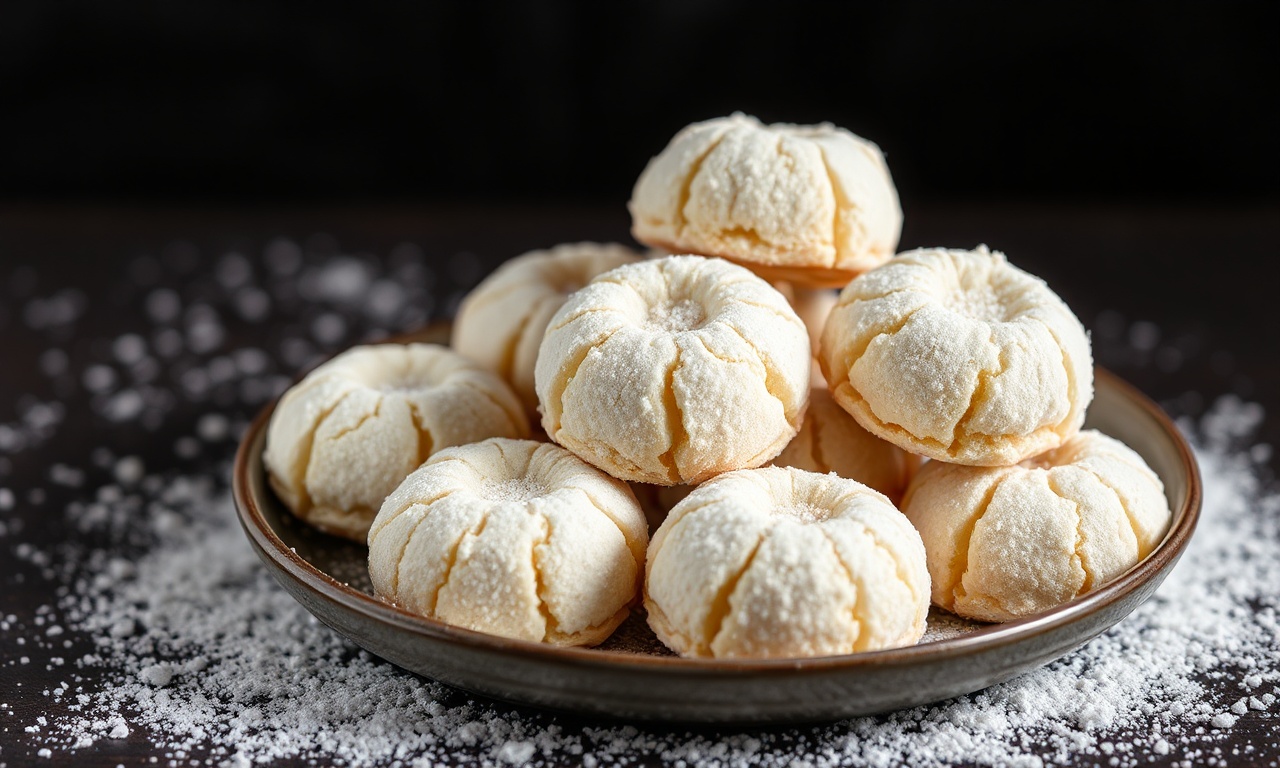
There’s a special kind of comfort in kourabiedes: buttery, crumbly cookies that end with a soft “snow” of powdered sugar. The flavor feels simple, but the method matters, because texture drives the magic.
- Kourabiedes: The Powdered Butter Cookie Magic
- Key Ingredients That Make Kourabiedes Work
- Prep, Cook Time, Yield, and Difficulty
- Ingredients List (Classic Almond + Butter Version)
- Step-by-Step Instructions for Perfect Kourabiedes
- Chef’s Notes: Tips for Success
- Serving Suggestions for a Snowy Greek-Style Presentation
- Q&A: Kourabiedes Unwrapped
- What exactly are Kourabiedes?
- What makes Kourabiedes different from other butter cookies?
- Is there a specific type of butter used for making authentic Kourabiedes?
- How vital are almonds in Kourabiedes? Can they be substituted?
- Why is powdered sugar dusting so essential in Kourabiedes?
- How should you store Kourabiedes to keep them fresh?
- Serving Recap: Turning a Batch Into a Tradition
At a Glance
- Powdered sugar is more than decoration—it shapes the final bite and sweetness.
- Almonds and gentle mixing create the tender, melt-in-your-mouth crumb.
- Resting and proper cooling help the sugar set and keep the cookies intact.
- Store carefully so the crumb stays dry enough for that classic crumble.
Kourabiedes are Greek butter cookies with a long celebration history in Mediterranean kitchens. Many families bake them for Christmas and weddings, where the pale, snowy look signals joy and hospitality.
This guide unwraps how kourabiedes get their distinct texture, why the sugar coating behaves the way it does, and how you can bake a consistent batch at home. You’ll also find practical timing tips, ingredient options, and storage steps that reduce trial-and-error.
Kourabiedes: The Powdered Butter Cookie Magic
Kourabiedes rely on one core idea: cream butter + sugar until airy, then fold in dry ingredients gently. When you avoid overmixing, you protect the crumb’s delicate structure, so each bite breaks cleanly.
The iconic finish comes from dusting with powdered sugar after baking. That layer doesn’t just add sweetness; it also creates a soft, powdery surface that feels lighter than plain cookie dough.
To understand the “traditional” side, it helps to know why butter cookies often pair rich fats with nuts and fine sugar. Almonds bring aroma and fat-soluble flavor, while powdered sugar melts slightly on contact with warm surfaces.
For background on Greek culinary roots, see Greek cuisine. For the role of almond as a baking ingredient, review almond and how it contributes texture.
Key Ingredients That Make Kourabiedes Work
Start with high-quality unsalted butter. Unsalted butter gives you control over salt, and its fat level strongly impacts tenderness and the cookie’s melt.
Use powdered sugar in the dough and extra for dusting. Powdered sugar dissolves more easily than granulated sugar, helping the crumb stay fine and tender.
Almonds act as both flavor and structure. Finely chopped or lightly ground almonds add a subtle crunch and a nutty aroma that stands up to butter.
For general food facts around sugar and its forms, visit Sugar. For why nuts influence baked texture, review nuts and their typical baking behavior.
Optional Flavor Choices Without Losing the Classic Identity
Many bakers add brandy, orange juice, or similar aromatics for depth. Keep the amount small so the cookie still reads as buttery, nutty, and delicately sweet.
If you want a floral twist, consider orange blossom water or rose water. Use modest quantities because these aromas can dominate quickly, especially in almond-rich dough.
For how flavor compounds behave in baking, you can review flavor. Use that knowledge to keep additions subtle and balanced.
Prep, Cook Time, Yield, and Difficulty
This recipe suits weeknight baking when you plan for cool time. You’ll still get the best crumble if you let the cookies cool before dusting.
- Preparation: 25 minutes
- Cooking: 20 minutes
- Total Time: 45 minutes
Yield: Approximately 30 medium-sized cookies.
Difficulty level: Medium. You’ll mainly focus on texture control—soft dough, gentle mixing, and careful baking time.
Ingredients List (Classic Almond + Butter Version)
Measure accurately for consistent results. Baking dough can feel forgiving, but kourabiedes depend on a balanced fat-to-flour ratio.
Ingredients
- 2 cups all-purpose flour, sifted
- 1 cup unsalted butter, softened
- 1/2 cup powdered sugar, plus extra for dusting
- 1/3 cup blanched almonds, finely chopped
- 1 teaspoon baking powder
- 1 tablespoon brandy or freshly squeezed orange juice (optional)
- 1 teaspoon pure vanilla extract
- Pinch salt
If you want a deeper look at baking agents, see baking powder. This helps you understand why a little lift supports the cookie’s tender crumb.
Step-by-Step Instructions for Perfect Kourabiedes
Follow these steps in order. Each stage supports the next one—especially creaming, folding, shaping, and cooling.
- Preheat your oven to 350°F (175°C). Line a baking sheet with parchment paper.
- Toast the almonds in a dry skillet over medium heat for 3–5 minutes. Cool them before mixing.
- Cream softened butter and 1/2 cup powdered sugar until light and fluffy, about 3–4 minutes. This aeration supports a tender crumb.
- Add brandy (or orange juice) and vanilla. Mix briefly until evenly combined.
- Whisk flour, baking powder, salt, and toasted almonds in a separate bowl.
- Fold dry ingredients into the butter mixture. Mix just until the dough forms a soft, crumbly texture—avoid overmixing.
- Shape into 1½-inch crescent shapes or rounds. Place cookies about 2 inches apart.
- Bake 18–20 minutes, until lightly golden while still pale. Overbaking dries the crumb.
- Cool on the sheet for 5 minutes, then transfer to a wire rack to cool fully.
- Dust generously with powdered sugar using a fine-mesh sieve for an even snowy finish.
If you prefer extra accuracy, consider oven temperature variance. Many ovens run hot or cool, which changes cookie spread and dryness.
For more on how heat affects baking, read Baking. It supports why time and temperature drive crumb moisture.
Chef’s Notes: Tips for Success
These notes remove guesswork. They focus on the texture issues most home bakers face with kourabiedes.
- Butter temperature: Use softened-but-not-melted butter. Soft butter traps air during creaming.
- Almond handling: Finely chop or pulse almonds so they distribute evenly without becoming almond paste.
- Flour handling: Sifting improves aeration and supports a lighter crumb.
- Flavor variations: Swap brandy for orange blossom water or rose water for a gentle floral tone.
- Make ahead: Store in an airtight tin for 2–3 days. Flavor melds, and the crumb becomes more cohesive.
- Common pitfalls: Overbaking causes dryness. Underbaking leaves cookies too soft. Check at the 18-minute mark.
For general fat and butter behavior in cooking, you can review butter. Understanding fat helps you troubleshoot texture faster.
Serving Suggestions for a Snowy Greek-Style Presentation
Serve kourabiedes on a clean platter right after dusting. A vintage plate helps, but what matters most is airflow around the cookies.
Pair them with tea or coffee to balance sweetness. Many people also enjoy them alongside citrus segments or dried figs, which cut through the buttery richness.
If you want a festive look, add a light second dusting after the cookies fully cool. That second layer stays brighter and reduces clumping from cookie warmth.
For ideas around Mediterranean dessert pairings, explore Mediterranean diet. It’s not a cookie guide, but it helps explain why fruit, nuts, and tea show up often in the region’s eating habits.
| Nutrient | Per Cookie |
|---|---|
| Calories | 110 kcal |
| Protein | 1 g |
| Carbohydrates | 9 g |
| Fat | 7 g |
Discover more Mediterranean treat recipes in our Mediterranean Desserts Collection.
For a cultural reference point on Greek food traditions, check Cuisine of Greece.
Q&A: Kourabiedes Unwrapped
Below are fast answers to the questions home bakers ask most often. Use them to prevent common problems before they affect your batch.
What exactly are Kourabiedes?
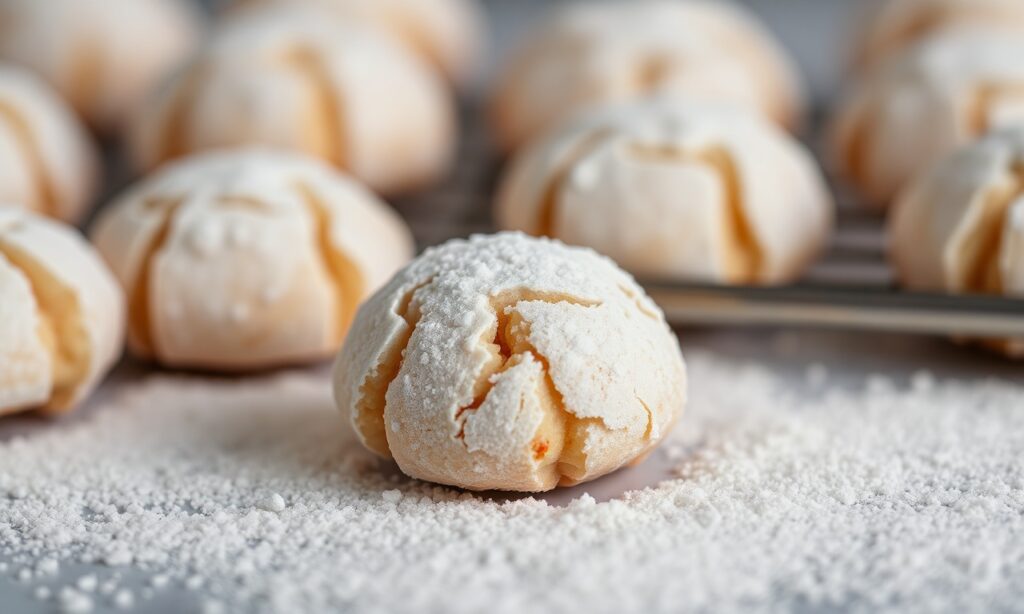
Kourabiedes are classic Greek butter cookies made with creamed butter, almonds, and a generous powdered sugar finish. Their crumb stays tender, while the sugar coating delivers a snowy, melt-on-the-surface sweetness.
What makes Kourabiedes different from other butter cookies?
The difference comes from texture and presentation. Kourabiedes rely on airy creaming plus gentle folding, then dusting after cooling to create that signature powdery coat.
Also, almonds add a distinct aroma and a mild bite that keeps the cookies from tasting flat or one-note.
Is there a specific type of butter used for making authentic Kourabiedes?
Traditional recipes favor quality unsalted butter for consistent flavor and control. Use butter that tastes rich and creamy, then soften it until pliable but not greasy.
For reference on butter basics, see butter. It explains why fat content and processing affect cooking behavior.
How vital are almonds in Kourabiedes? Can they be substituted?
Almonds support both flavor and crumb structure. If you replace them, the cookie will change, especially in aroma and how it breaks when you bite.
Some variations use other nuts, but if you want the classic profile, stick with almonds and chop them finely.
Why is powdered sugar dusting so essential in Kourabiedes?
Powdered sugar delivers sweetness, but it also creates the iconic snowy finish. Dusting after cooling helps the coating sit evenly and keeps it from dissolving too fast.
For general sugar types, refer to Sugar. This supports why powdered forms behave differently than granulated sugar.
How should you store Kourabiedes to keep them fresh?
Store cookies in an airtight tin at room temperature. This protects the crumb while keeping the sugar coating stable.
Many bakers dust before serving to keep the surface bright, but a generous coating right away also works if the cookies cool fully first.
Serving Recap: Turning a Batch Into a Tradition
Kourabiedes taste like celebration because they follow a careful, repeatable process. You cream for air, fold for tenderness, bake for pale color, and cool before dusting for the true snowy finish.
That simple sequence makes the cookie feel luxurious without complicated steps. When you bake them for family gatherings, you’re also passing along a familiar ritual—one buttery bite at a time.
If you want the cookies to stay consistent across batches, track two things: dough texture after folding and bake time at your oven’s temperature. Small adjustments there produce big results.
For more on how regional foods shape celebrations, explore food and drink. It helps frame why cookies like these matter beyond taste.
See also: Kourabiedes