

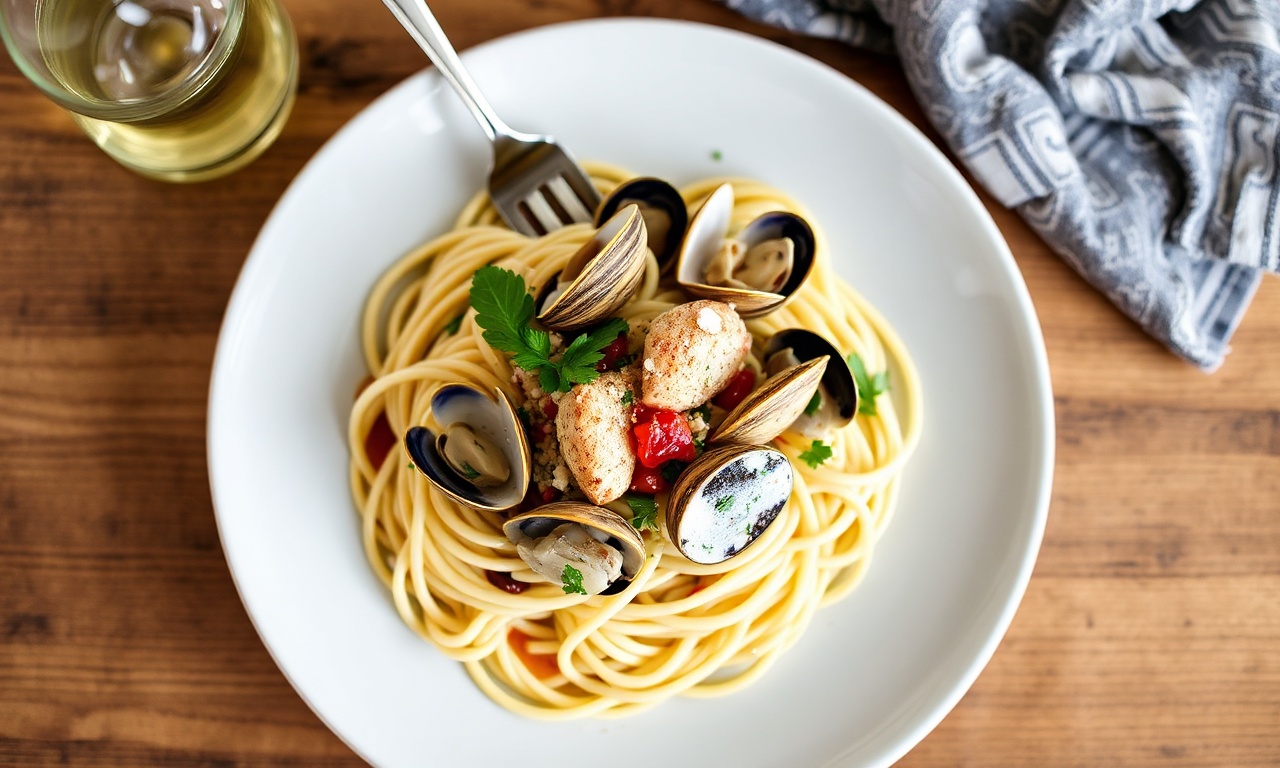
Spaghetti alle Vongole stays loved because it rewards precision and patience. With tender clams, al dente spaghetti, and a simple sauce built on garlic, olive oil, and clam juices, you get a meal that tastes bright yet comforting.
- What Makes Spaghetti alle Vongole Timeless?
- Ingredients for Classic Spaghetti alle Vongole
- Prep and Timing: The Secret to Consistent Results
- Step-by-Step Guide to Master the Sauce and Toss
- Pro-Caution: Common Mistakes That Ruin Texture
- Serving Suggestions for a Restaurant-Style Finish
- Nutritional Snapshot (Approximate)
- FAQ
To master this timeless coastal classic, you need two things: clean clams and controlled heat. When you nail those, the rest becomes repeatable. You can cook it for a weeknight dinner or serve it to guests with confidence.
- Fresh clams and proper purging prevent gritty bites.
- Al dente pasta keeps the texture after tossing.
- Use reserved pasta water to emulsify a glossy sauce.
- Steam just until opened to avoid tough, rubbery clams.
Mastering Spaghetti alle Vongole starts with understanding what makes the dish work. The sauce does not rely on cream or heavy stock. Instead, it forms from clam liquor and starch from the pasta, then turns silky when you toss everything together.
This is classic Italian coastal cooking at its best. It draws on long-standing methods for seafood pasta, where timing matters more than fancy steps. For background on Italy’s seafood traditions and regional cuisine, see Italian cuisine.
What Makes Spaghetti alle Vongole Timeless?
Spaghetti alle Vongole earns its timeless status because it balances three flavors in one pot. You get the sea’s sweetness from clams, the aroma of garlic and herbs, and the pasta’s starchy body that binds the sauce.
Also, the method fits real kitchens. You can buy clams, prep them in minutes, then cook everything fast once the pan heats up. If you want a broader view of pasta shapes and cooking principles, check spaghetti and how starch affects sauce cling.
Ingredients for Classic Spaghetti alle Vongole
Keep the ingredient list tight. A traditional approach uses a few core items, so each one stays easy to evaluate. Quality matters most for clams, olive oil, and fresh herbs.
Below is a reliable base you can scale. For a quick reference on clams and common culinary terms, you can also review clams.
- 400g spaghetti (bronze-cut preferred for grip)
- 1.2 kg fresh clams (vongole veraci or littleneck style), scrubbed
- 4 tbsp extra virgin olive oil, plus extra for finishing
- 5 garlic cloves, thinly sliced
- 1 small chili pepper, finely chopped (optional)
- 1 cup vegetable broth or clam broth base (as needed)
- 1/2 cup chopped fresh flat-leaf parsley
- Salt and fresh black pepper
- 1 lemon, for wedges
Prep and Timing: The Secret to Consistent Results
Timing controls texture in this dish. Clams require only a short cook to open, and pasta must finish al dente so it still holds up during tossing.
Plan your workflow so nothing waits. Start clam prep first, boil pasta next, and run the sauce steps while the pasta cooks. For general guidance on al dente technique, see al dente.
Prep and Cook Time
- Prep Time: 15 minutes (plus clam purging)
- Cook Time: 15 minutes
- Total Time: 30 minutes (ready-to-eat)
Yield and Difficulty
- Serves: 4
- Difficulty: Medium (freshness and timing matter)
Step-by-Step Guide to Master the Sauce and Toss
Follow these steps in order. This structure prevents clams from overcooking and helps the sauce emulsify cleanly. You will also keep the garlic aromatic instead of bitter.
For a useful reference on how emulsions work in cooking, you can review emulsion. In this recipe, pasta water acts as your easy emulsifier.
- Purge the clams: Soak clams in cold salted water for 20–30 minutes to reduce grit. Scrub shells, then discard any that smell off.
- Check clams: Rinse under cold water. Remove any clams that stay open and do not close when tapped.
- Cook pasta: Boil salted water and cook spaghetti until al dente. Reserve about 1 cup of pasta water, then drain.
- Sauté aromatics: Warm olive oil in a wide skillet over medium heat. Add garlic and chili, then cook until fragrant and lightly golden.
- Steam clams: Pour in vegetable broth. Add clams, cover tightly, and simmer until they open (usually 5–7 minutes). Discard any clams that remain closed.
- Build the sauce: Turn off heat. Add parsley, then toss drained pasta into the skillet. Splash in reserved pasta water a little at a time until silky and clinging.
- Finish and serve: Taste and adjust salt. Finish with black pepper and extra olive oil. Serve with lemon wedges.
Notice how the sauce never gets “cooked again” after clams open. You stop the heat so clams stay tender. Then you use tossing to distribute clam juices evenly over the spaghetti.
[TIP]Expert Insight: Aim for a “glossy coat,” not a watery coating. When you drag a spoon through the skillet, the sauce should leave a thin trail on the pasta. If it looks dry, add pasta water; if it looks loose, keep tossing for 30–45 seconds to thicken slightly.
Pro-Caution: Common Mistakes That Ruin Texture
Small errors lead to big quality drops. The most common problem is overcooking clams, which turns them rubbery. Another issue is rushing garlic—burned garlic tastes harsh and dominates the dish.
Also, clams need a tight lid during steaming. If steam escapes, clams cook unevenly. For extra grounding on bivalves and seafood handling, see bivalve.
[WARNING]Pro-Caution: Do not keep the clams simmering after most have opened. As soon as the last clam opens, turn off heat and proceed with tossing. For food safety, discard clams that remain closed after cooking.
Expert Tips for Ideal Texture and Presentation
- Freshness matters: Choose clams with a clean ocean smell. Avoid strong “fishy” odors.
- Control garlic heat: Keep the skillet at medium. Let garlic turn fragrant, not brown.
- Never overcook pasta: Al dente holds up during tossing.
- Use pasta water deliberately: Add it in small splashes until the sauce emulsifies.
- Serve immediately: The best texture happens right after tossing.
Serving Suggestions for a Restaurant-Style Finish
Serve in warm bowls so the sauce stays silky. When the dish sits too long, pasta absorbs liquid and the sauce loses its shine. Portion with a light hand, then garnish with parsley and a final drizzle of olive oil.
Lemon fits naturally because it brightens the briny notes of the clams. If you want a quick culinary reference on how Italians think about seafood flavors, review Italian seafood for context.
Pairing Ideas
For a simple pairing, serve a chilled green salad dressed with lemon and olive oil. A crisp salad adds crunch, which helps the pasta feel lighter. Bread also matters—choose crusty bread to scoop sauce.
If you like herb-forward sides, try a fennel salad for an aromatic lift. You can also serve sparkling water to keep the meal clean and refreshing, especially when clams taste briny.
Nutritional Snapshot (Approximate)
Values vary by olive oil amount and portion size. Still, this table gives a practical estimate for planning and consistency.
Use these numbers as a guide, not as a guarantee. Actual nutrition depends on ingredient brands and exact clams used.
| Nutrient | Per serving |
|---|---|
| Calories | 420 kcal |
| Protein | 28 g |
| Carbohydrates | 55 g |
| Fat | 8 g |
FAQ
What clams work best for Spaghetti alle Vongole?
Use small, tender clams such as littlenecks or veraci-style clams. Their size cooks quickly and releases sweet briny juices for the sauce base.
How do I prevent gritty sand in the clams?
Soak clams in cold salted water for 20–30 minutes, then rinse and tap-check. Discard any clams that stay open and scrub shells if needed.
Why do you need to reserve pasta water?
Pasta water contains starch, which helps emulsify the clam juices and olive oil. That creates a sauce that clings to spaghetti instead of pooling.
Can I use bottled clam juice instead of fresh clams?
You can add bottled clam juice to boost flavor, but it will not replace the texture and natural flavor released by fresh clams. If you go this route, keep salt controlled and add parsley at the end.
What’s the biggest timing mistake to avoid?
Overcooking clams. Once clams open, turn off heat and toss with pasta right away. This keeps clams tender and protects the balance of the dish.
See also: Spaghetti alle Vongole