
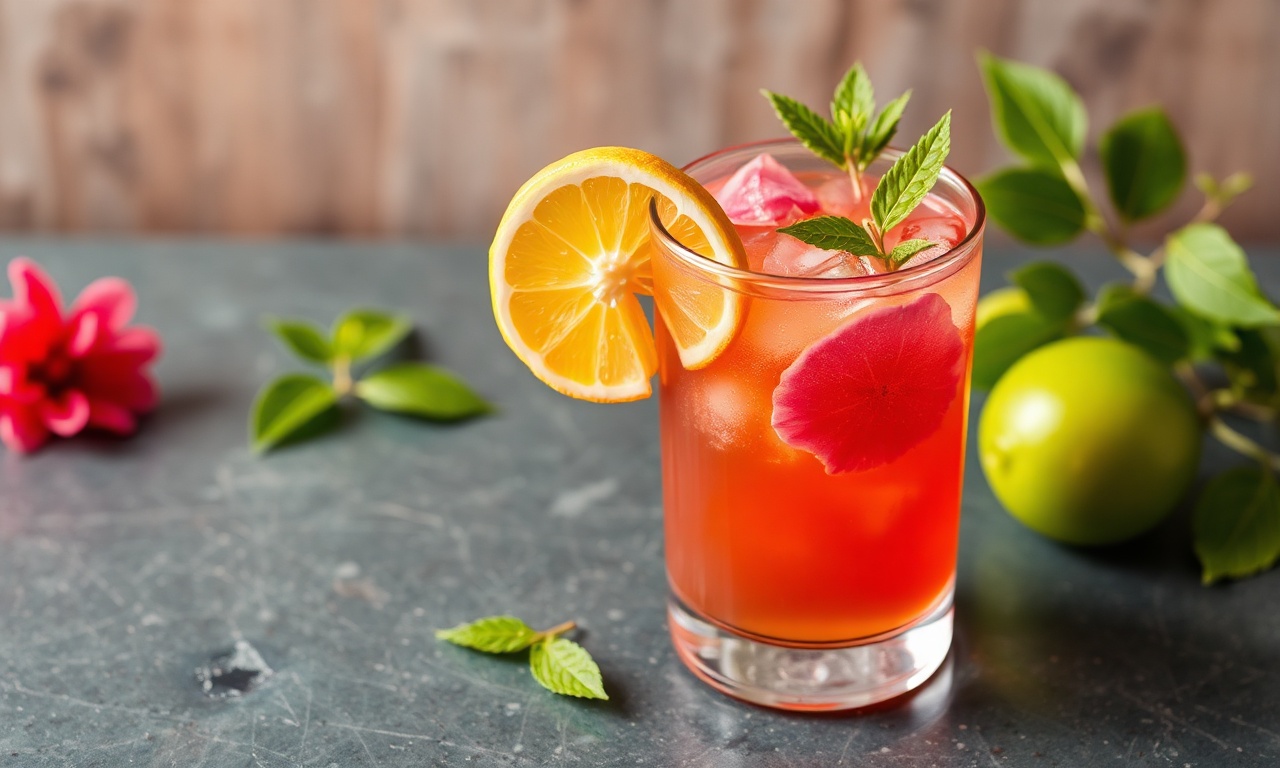
When the midday slump hits and the summer sun stays high, you want a drink that feels bright, cold, and easy to love. Hibiscus Ginger Iced Tea delivers that refresh fast: ruby-tart hibiscus plus warming ginger, served over ice with a clean citrus lift.
- Why Hibiscus and Ginger Work So Well Together
- Health Benefits: What We Can Say Safely and Clearly
- Hibiscus Ginger Iced Tea Recipe (Step-by-Step)
- Tips for Better Flavor (and Fewer Fixes Later)
- Adjust Ginger Level Without Guesswork
- Sweetener Swaps That Still Taste Balanced
- A Make-Ahead Method That Holds Up
- Cold Brew Option for a Softer Infusion
- Serving Ideas That Maximize Aroma and Visual Appeal
- FAQ
At a Glance: Hibiscus Ginger Iced Tea
- Taste: floral-tart hibiscus balanced by spicy ginger.
- Best use: afternoon cooling, post-workout sipping, and caffeine-free hydration.
- Make it right: steep hibiscus in the right window to avoid harsh bitterness.
- Serve smart: chill fully, then pour over fresh ice for peak aroma.
To craft this drink at home, you start with steeping hibiscus petals and sliced ginger in hot water. Then you sweeten lightly, add lime, strain, and chill before serving. The result tastes like summer in a glass, with a clean zing that stays lively from first sip to last.
Why Hibiscus and Ginger Work So Well Together
Hibiscus brings a tart, cranberry-like flavor that feels crisp rather than heavy. Ginger adds a spicy warmth that wakes up your palate and makes the tea taste more “alive,” even when served cold. Together, they create a balance of tang and zing that feels refreshing instead of flat.
This flavor pairing also makes sense in simple food science. Hibiscus contains natural acids that brighten taste, while ginger’s aromatic compounds give a warming bite. If you enjoy herbal teas, you’ll notice how this blend stays fragrant without tasting overly bitter. For background on hibiscus tea culture, see Hibiscus.
What Makes the Flavor “Zesty” (Not Just Sour)
“Zesty” comes from how tartness, sweetness, and citrus interact. Lime juice does more than add flavor; it also sharpens the hibiscus notes and lifts ginger’s spice. If you skip lime, the tea can still taste great, but it often feels less vibrant.
You control zestiness with three levers: steep time, sweetener level, and ginger amount. Keep the steep in a tight range, add sweetness gradually, and slice ginger thin so it infuses evenly. For a quick primer on citrus acidity, read lemon or citric acid.
Cooling Effects You’ll Notice Right Away
Cold temperature changes how we perceive flavor intensity. Tart notes can feel smoother when chilled, and ginger spice can feel less sharp, more “round.” That’s why iced hibiscus tea can taste more balanced than hot versions.
If you want the best cooling effect, use cold steeped or fully chilled tea before serving. Then pour over fresh ice so dilution stays controlled. To understand why ice matters for drinks, check ice basics.
Health Benefits: What We Can Say Safely and Clearly
Many people enjoy hibiscus tea for its antioxidant content and overall wellness routine. Hibiscus beverages are also studied for effects on blood pressure markers in some populations. Ginger often gets praised for digestion support and anti-inflammatory potential, based on bioactive compounds.
Still, you should treat these points as “may support,” not guaranteed outcomes. Individual results depend on dose, diet, and health status. For a solid overview of antioxidants in plants, see antioxidants.
Antioxidants in Hibiscus
Hibiscus is rich in plant polyphenols and pigments that act as antioxidants. These compounds help explain why the drink has a deep red color and a complex tang. While research varies, antioxidants remain a key reason people choose hibiscus tea as part of a daily routine.
For general context on plant pigments and how they relate to color, review anthocyanin. The red hue often points to anthocyanin presence, which ties to antioxidant activity.
Ginger’s Digestive Reputation
Ginger contains compounds like gingerols and related substances. Many people use ginger tea when they want a calmer stomach feeling after meals. It can also add a pleasant warmth that makes the drink feel more comforting, even on hot days.
That said, keep expectations realistic. Ginger may help some people, but it’s not a cure for medical conditions. If you have reflux or take blood-thinning medicines, ask a clinician before using higher doses of ginger regularly. For background on ginger’s chemistry, see ginger.
Even with these cautions, you can still enjoy this iced tea as a flavorful beverage. Use moderate sweeteners, steep for taste, and treat it like a refresh routine. With the right portion, most people can enjoy it safely.
Now let’s move from benefits to execution. You’ll get a reliable recipe that delivers consistent color, clean tartness, and a spicy ginger finish.
Hibiscus Ginger Iced Tea Recipe (Step-by-Step)
This recipe makes about 6 servings. It keeps the hibiscus tang bright and gives ginger enough time to infuse without turning harsh. You can scale it up for parties, then chill in larger pitchers.
Focus on timing. If you steep too long, hibiscus can taste overly bitter. If you add lime before cooling, you still get flavor, but chilling first helps the overall balance feel smoother.
Prep and Cook Time
Preparation: 10 minutes
Brewing & cooling: about 15 minutes (plus chilling)
Total time: ~25 minutes, then chill at least 1 hour.
Yield and Difficulty
Serves: 6
Difficulty: Easy
Ingredients
- 4 cups water
- 1/2 cup dried hibiscus petals
- 2-inch piece fresh ginger, sliced thin
- 1/4 cup honey or agave syrup (adjust)
- 1 tbsp fresh lime juice
- Ice cubes (as needed)
- Fresh mint leaves (optional garnish)
- Lime slices (optional garnish)
Instructions
- Boil the water: Bring 4 cups of water to a rolling boil in a medium saucepan.
- Steep hibiscus and ginger: Turn off heat. Add hibiscus petals and sliced ginger. Cover and steep for 10 minutes.
- Strain: Strain into a heat-safe pitcher, removing petals and ginger slices.
- Sweeten: Stir in honey or agave while the tea is still warm until dissolved.
- Add lime juice: Stir in the fresh lime juice for a brighter, zesty finish.
- Chill: Cool to room temperature, then refrigerate for at least 1 hour.
- Serve: Pour over fresh ice. Garnish with mint and lime slices.
If you want extra fragrance, muddle mint gently before serving so aroma lifts without turning bitter. For a general reference on brewing tea methods, see Tea.
Tips for Better Flavor (and Fewer Fixes Later)
Most “failed” hibiscus ginger tea comes down to one of two issues: steep time or sweetener balance. If you taste after straining, you can fix it quickly—add a little sweetener or a touch more lime before chilling.
Use these tips to make every batch taste consistent. They also help you build a flavor style you enjoy, from lighter and floral to bold and spicy.
Adjust Ginger Level Without Guesswork
For a milder spice, cut the ginger to about 1 inch or use thinner slices. For a stronger ginger punch, add an extra thin slice or two and steep the same 10 minutes.
Thin slices infuse faster. That means you don’t need long steeping to taste ginger. The blend stays bright when you control steep time.
Sweetener Swaps That Still Taste Balanced
If you skip honey or agave, coconut sugar or maple syrup can work. Add sweetener gradually, then taste once the tea is warm and again after chilling. Cold changes perceived sweetness.
Also, don’t over-sweeten. Hibiscus needs room to show tart character. When sweetness overpowers tartness, the tea can taste flat even if it’s technically “sweet.”
A Make-Ahead Method That Holds Up
You can prepare a batch ahead and refrigerate it for up to 3 days. The hibiscus color may deepen slightly over time, and ginger notes can mellow. That’s usually a good trade if you prefer a softer spice.
Keep it sealed in a glass pitcher when possible. Then pour over fresh ice each time so you don’t dilute flavor too quickly.
Cold Brew Option for a Softer Infusion
For a gentler taste, steep hibiscus and ginger in cold water overnight in the refrigerator. Cold infusion often creates a smoother flavor with less “edge.”
After straining, sweeten and add lime right before serving or after cooling. Then chill until you’re ready to pour over ice.
Serving Ideas That Maximize Aroma and Visual Appeal
Presentation matters with this drink because the ruby color looks best in clear glass. Serve it in tall glasses or a clear pitcher so guests can see the color and bubbles of ice melt.
Use simple garnish choices: mint leaves, lime wheels, and even edible flowers if you want a special occasion feel. Small details boost perceived quality without adding major effort.
Flavor Pairings for a Full Afternoon
Pair the tea with light snacks that don’t fight the tartness. Cucumber sandwiches, fresh fruit, and coconut macaroons match well because they stay light and sweet rather than heavy or salty.
If you serve it with spicy food, the ginger can echo the heat. If you serve it with sweet desserts, the hibiscus tang helps cut richness.
Make It a “Build-Your-Glass” Drink
Set up a small bar: ice, lime slices, mint, and a few optional add-ins like extra ginger slices. Then let people adjust spice and citrus to taste. This increases participation and keeps the tea from tasting too strong for some guests.
For a refresher twist, top with a splash of sparkling water just before serving. That keeps the drink light while still preserving hibiscus flavor.
For broader context on carbonated drinks and how they change flavor perception, see soda.
FAQ
How long should hibiscus ginger tea steep for best flavor?
Steep for about 10 minutes after bringing the water to a boil. This window keeps the hibiscus tart and reduces the risk of harsh bitterness.
If you love a deeper red color, increase only slightly and taste after straining. Don’t stretch far past 15 minutes if you dislike bitterness.
Is hibiscus ginger iced tea caffeine-free?
Hibiscus tea made from petals is naturally caffeine-free. Ginger also does not add caffeine, so the blend works as a caffeine-free option for many people.
Always confirm the ingredients if you use tea bags or blends that might include other leaves.
Can I make hibiscus ginger iced tea without honey or agave?
Yes. Maple syrup, coconut sugar, or another natural sweetener can work. Add gradually and taste while the tea is still warm so you can adjust properly.
After chilling, sweetness will feel a bit different, so do a quick taste check before serving.
How should I store it to keep it fresh?
Store the strained tea in a sealed container in the refrigerator for up to 3 days. Keep it chilled, and use fresh ice when serving.
For best flavor, avoid adding ice to the whole pitcher because it dilutes quickly.
Can I serve it warm instead of iced?
Yes. You can enjoy the same hibiscus ginger mixture warm by following the steep and straining steps, then serving without chilling.
Warm sipping highlights ginger’s aroma and gives a cozy feel, especially when you want a soothing drink.
Final Thoughts: Hibiscus Ginger Iced Tea gives you a bright, zesty sip that fits the real pace of summer. With clean steep timing, balanced sweetness, and a quick lime finish, you can make a glass that tastes fresh every time. Cheers to a cooler day and a flavorful routine you can repeat.
See also: Hibiscus Ginger