

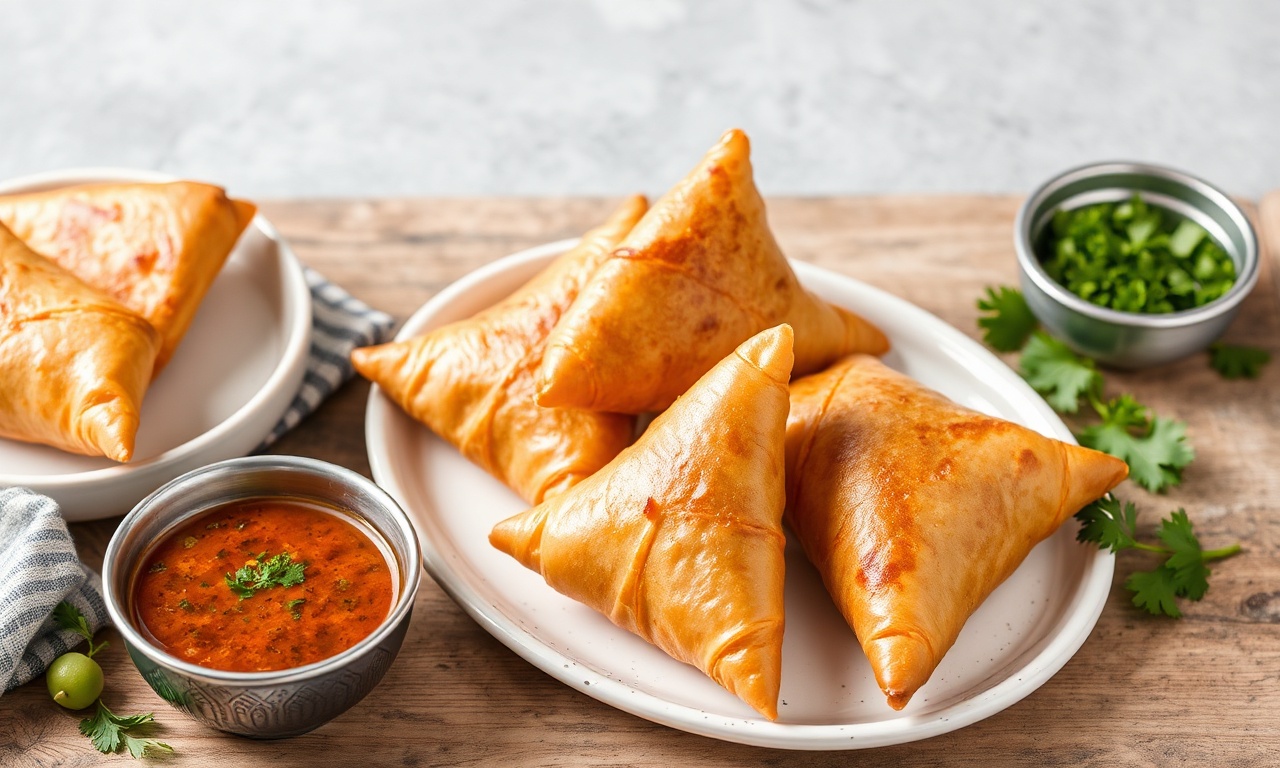
Golden, flaky, and bursting with aromatic spices, crispy potato samosas have long held a cherished spot in the hearts—and taste buds—of food lovers around the world. This classic snack delivers a satisfying crunch, plus a warm, spiced potato filling that tastes like comfort food with real depth.
- Crispy Potato Samosas: What Makes This Classic So Irresistible
- Prep and Cook Time
- Ingredients for Crispy Potato Samosas
- Instructions: Make the Filling, Shape, and Fry
- Step 1: Cook the Potato Filling
- Step 2: Add Spices and Finish the Flavor
- Step 3: Make the Dough
- Step 4: Shape Samosas into Cones
- Step 5: Fry Until Deep Golden and Crisp
- Tips for Success: Crisp Shell, Balanced Filling, Clean Frying
- Flavor Variations That Still Stay Classic
- Dough Consistency for Extra Crunch
- Frying Temperature and Batch Control
- Make-Ahead Strategy
- Oil Choice for a Cleaner Flavor
- Serving Suggestions and Pairings
- Q&A: Crispy Potato Samosas (Indian Snack)
- What exactly are samosas?
- What makes the potato filling taste special?
- How do I get a signature crispy shell?
- Can I bake samosas instead of frying?
- Are potato samosas vegetarian?
- Key Takeaways
- Crisp shell comes from thin dough, even folding, and steady oil temperature.
- Flavorful potato filling relies on toasted whole spices and balanced acidity from lemon.
- Best results happen after you fully cool the filling and rest the dough.
- Serving improves with chutneys and a light chaat masala finish.
Whether you eat them as an appetizer at a celebration or as street-style comfort on a rainy afternoon, samosas reflect the bold, layered approach of Indian cooking. In many regions, the same idea shows up across different spice profiles—yet the goal stays consistent: a crisp outer shell and a tender, savory bite.
Crispy Potato Samosas: What Makes This Classic So Irresistible
Crispy potato samosas succeed because they balance texture and flavor. The pastry acts like a protective shell, while the filling brings warmth, spice, and moisture in the right proportions.
These stuffed pastries also connect to a broader South Asian food tradition of layered, spiced fillings. If you want context on how Indian street snacks evolved, see Indian cuisine and how regional cooking techniques shape flavor.
Prep and Cook Time
Plan a little time for resting and cooling. Resting the dough relaxes gluten, so your folds stay neat and your shell fries evenly.
Here’s a reliable schedule you can follow for consistent results.
Time Breakdown
- Preparation: 35 minutes
- Cooking: 20 minutes
- Total Time: 55 minutes
Yield and Difficulty
You’ll get about 20 medium-sized samosas depending on how thin you roll the dough. This recipe sits at medium difficulty, mostly because folding takes a few tries.
If you’ve never folded cones before, practice with a small batch. Once you get a steady seam seal, the frying step becomes straightforward.
Ingredients for Crispy Potato Samosas
For a crisp samosa, use ingredients that support both structure and flavor. The dough needs flour, fat, salt, and cold water, while the filling needs spices that release aroma when heated.
For spice background and common Indian flavor building blocks, you can review spices and how whole-spice blooming changes taste.
Potato Filling
- 4 medium potatoes (boiled, peeled, and mashed)
- 1 tablespoon vegetable oil
- 1 teaspoon cumin seeds
- 2 green chilies, finely chopped
- 1-inch piece fresh ginger, grated
- ½ teaspoon mustard seeds
- 1 small onion, finely chopped
- 1 teaspoon garam masala
- 1 teaspoon coriander powder
- ½ teaspoon turmeric powder
- Salt to taste
- 2 tablespoons chopped fresh cilantro (coriander leaves)
- 1 tablespoon lemon juice
Dough
- 2 cups all-purpose flour, sifted
- 4 tablespoons vegetable oil or ghee
- ½ teaspoon salt
- ½ cup cold water (adjust as needed)
Frying
- Vegetable oil, for deep frying
Instructions: Make the Filling, Shape, and Fry
Follow these steps in order. First, you cook the filling until it tastes bold and aromatic. Next, you cool it fully so the dough doesn’t soften.
Then you shape and fry until golden. The right oil temperature helps the shell puff and crisp instead of absorbing oil.
Step 1: Cook the Potato Filling
Heat 1 tablespoon vegetable oil in a skillet over medium heat. Add cumin and mustard seeds, and sauté until they start to pop.
Stir in onions, green chilies, and ginger. Cook until onions look translucent, about 5 minutes.
Step 2: Add Spices and Finish the Flavor
Add turmeric, coriander powder, and garam masala. Stir for about 30 seconds to bloom the spices, then keep the heat controlled.
Mix in mashed potatoes, salt, and lemon juice. Cook on low heat for 5 minutes, stirring occasionally. Turn off the heat and fold in chopped cilantro. Cool the filling completely.
Step 3: Make the Dough
In a large bowl, combine all-purpose flour and salt. Rub in the oil or ghee until the mixture resembles coarse crumbs.
Add cold water gradually and knead into a firm, smooth dough. Cover and rest for 30 minutes so the dough becomes easy to roll.
Step 4: Shape Samosas into Cones
Divide dough into equal lemon-sized balls. Roll each ball into an oval about 6 inches long and 4 inches wide, then cut it in half to form two semi-circles.
Fold one semi-circle into a cone. Bring the straight edges together and seal with a little water. Fill with about 2 tablespoons potato filling, then press to seal the open edge and form a triangle shape.
Step 5: Fry Until Deep Golden and Crisp
Heat oil in a deep pan over medium heat. To test readiness, drop a small dough piece into the oil; it should rise steadily without burning fast.
Fry samosas in batches, turning occasionally, until golden brown and crisp on all sides, about 5–7 minutes. Drain on paper towels to remove excess oil.
Tips for Success: Crisp Shell, Balanced Filling, Clean Frying
Small changes can make a big difference in crunch. Use these tips to improve texture, prevent leaks, and keep the oil behaving consistently.
For broader context on why frying works, you can review frying and how moisture and heat create crisp surfaces.
Flavor Variations That Still Stay Classic
You can add cooked green peas for sweetness and color. You can also add finely chopped roasted peanuts for crunch, as long as the filling stays firm and not wet.
When you change the mix, keep the spice balance close to cumin, garam masala, and ginger. That combination usually preserves the classic samosa taste profile.
Dough Consistency for Extra Crunch
A firmer dough yields a crisp shell. If your dough feels sticky, add a little flour while kneading, then rest again.
Avoid over-softening, because fragile dough tears during sealing and can cause filling leaks.
Frying Temperature and Batch Control
Maintain steady medium heat. If oil runs too hot, the shell browns quickly while the interior stays undercooked.
If oil runs too cool, samosas absorb more oil and turn heavy. Frying in small batches also helps you keep the temperature stable.
Make-Ahead Strategy
You can prepare the filling ahead and refrigerate it once it cools. Make sure it’s thick enough to hold shape after chilling.
You can also prepare the dough ahead, wrap it, and refrigerate. Assemble and fry only when you’re ready for the best crunch.
Oil Choice for a Cleaner Flavor
Use a neutral vegetable oil such as sunflower or canola. Neutral oils let spice aromatics stand out.
As a general cooking guideline, check the oil for consistent bubbling before frying. Then keep batches steady instead of constantly changing heat.
Serving Suggestions and Pairings
Serve crispy potato samosas hot and fresh for best texture. Place them on a plate and garnish with cilantro leaves and thin lemon wedges.
Pair with chutneys that match the samosa’s spice level. Tangy tamarind chutney and cooling mint-coriander chutney work especially well, because they balance heat and richness.
Classic Pairings
Try a bowl of dal tadka alongside the samosas if you want a fuller snack meal. Spiced lentils and samosas share a similar warmth.
Another easy option is masala chai. Warm tea complements fried snacks without overpowering the potato spices.
Finish with Chaat Masala
For extra brightness, sprinkle chaat masala just before serving. The seasoning adds tangy, savory layers that make each bite feel more complex.
If you want to understand how Indian snack seasonings build flavor, see Indian chutney for a helpful overview of flavor styles.
| Nutrient | Per Serving (1 samosa) |
|---|---|
| Calories | 130 kcal |
| Protein | 3 g |
| Carbohydrates | 18 g |
| Fat | 5 g |
Image and photo credit remain unchanged from your original post.
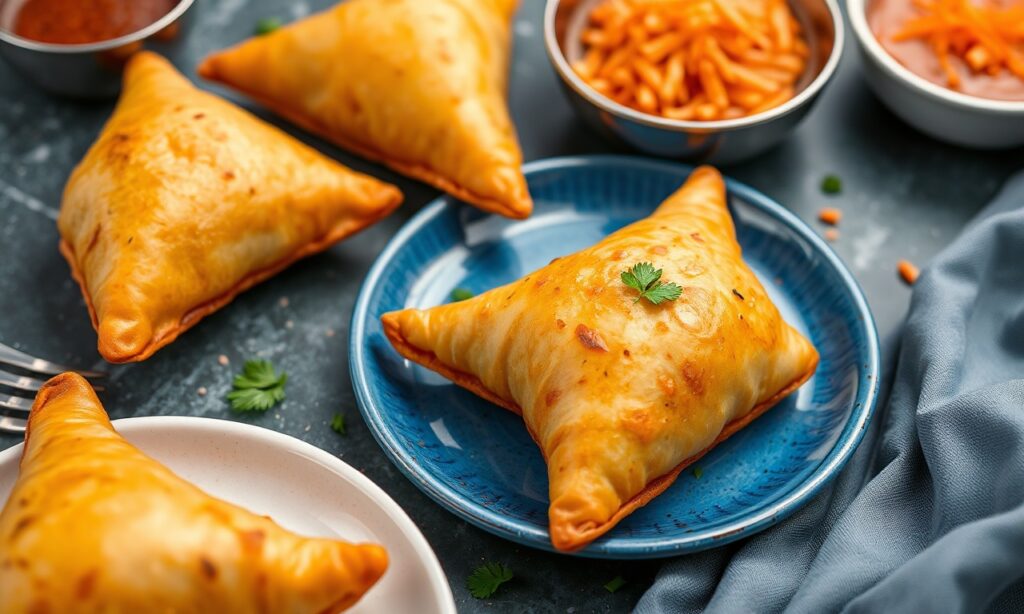
Photo credit: Food Network
Q&A: Crispy Potato Samosas (Indian Snack)
Use these answers if you run into common issues like soggy shells, sealing problems, or storage questions. Clear fixes help you cook with confidence.
For general background on Indian snack culture, you can also reference samosa.
What exactly are samosas?
Samosas are deep-fried pastry pockets filled with a savory mixture. In many versions, the filling includes spiced potatoes and sometimes peas.
They show up across the Indian subcontinent and beyond, with regional spice and dough variations.
What makes the potato filling taste special?
A good potato filling balances toasted spices with aromatics like ginger and onion. Then it gets depth from garam masala and warmth from turmeric.
Lemon juice adds brightness, which keeps the filling from tasting flat after frying.
How do I get a signature crispy shell?
Use thin, sturdy dough and fold it with clean seals. Fry at steady medium heat so the shell sets quickly and crisps evenly.
Also cool the filling fully before filling the cones to reduce steam inside the pastry.
Can I bake samosas instead of frying?
Yes. Baking works as a lighter alternative, especially if you brush the dough lightly with oil and bake at high heat.
For crisp results, place samosas on a preheated tray and flip halfway through, then crisp longer if needed.
Are potato samosas vegetarian?
Classic potato samosas are typically vegetarian because the filling uses spiced vegetables and herbs. Check any added ghee or toppings if you avoid animal products.
Most recipes also skip meat, making them a common vegetarian snack.
Key Takeaways
Whether you eat them as street-style comfort or serve them at a festive table, crispy potato samosas deliver a crisp shell with a tender, spice-forward filling. When you cook the spices properly and cool the filling, the texture stays reliable.
Now you can make this classic snack at home with confidence. Focus on dough rest, steady oil temperature, and neat sealing for crunch you can hear.
So the next time you crave something warm, crispy, and deeply spiced, let these crispy potato samosas bring that Indian snack-table energy to your kitchen—one golden bite at a time.
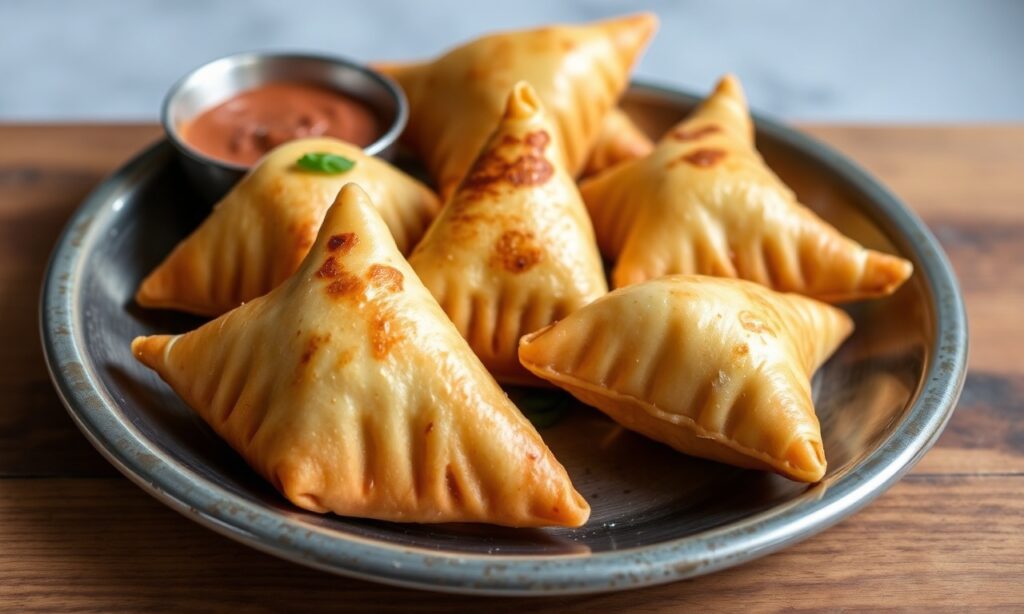
See also: crispy potato samosas