
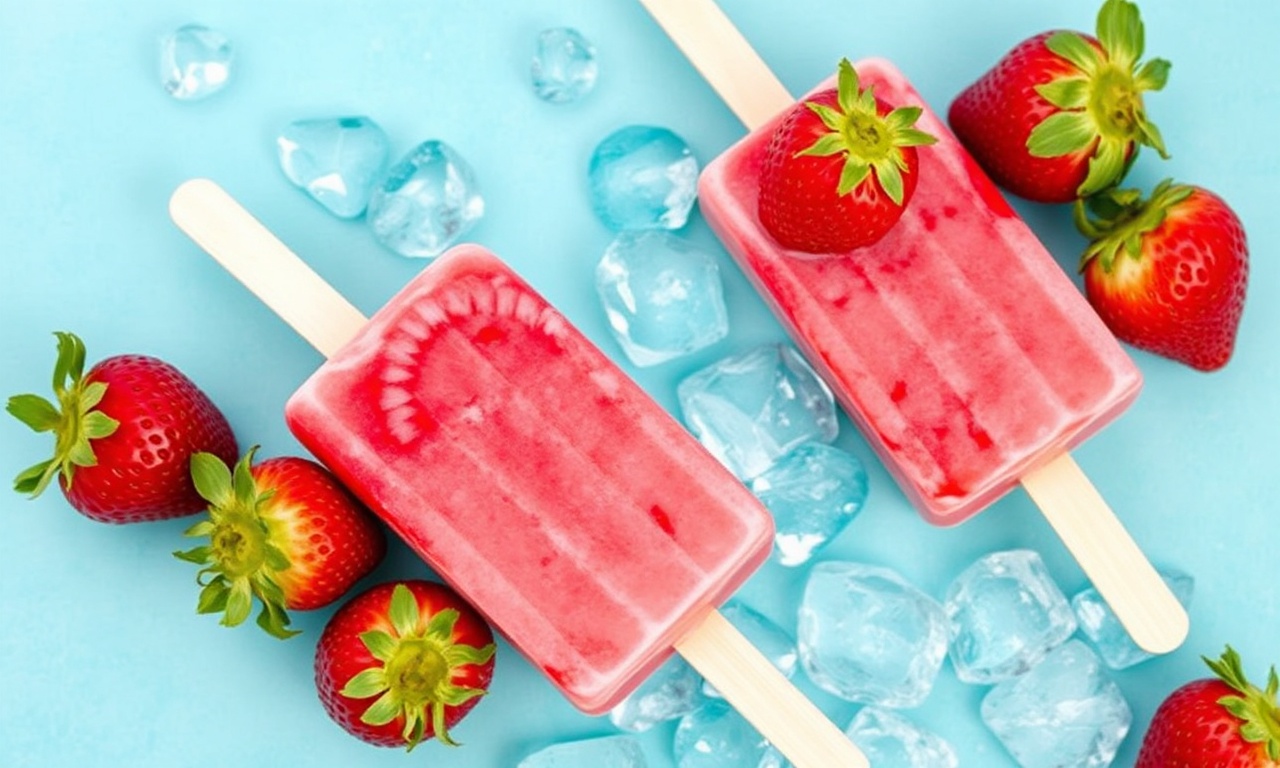
Strawberry popsicles can taste like a treat and still fit a lighter routine. When you keep the recipe simple—fresh fruit, smart sweetness, and a texture-first process—you get that cool, bright berry flavor without the heavy dessert feeling.
- Why Low-Calorie Strawberry Popsicles Taste Better Than You Expect
- Ingredients That Keep Strawberry Popsicles at ~50 Calories
- Fresh strawberries: choose for ripeness, not size
- Sweetener: small amounts, tasted in cold conditions
- Hydration liquids: coconut water or unsweetened tea
- Texture boosters: one at a time
- The Creamy-Not-Icy Method (Works in Most Freezers)
- Step 1: Blend, then strain for a velvety base
- Step 2: Add chilled liquid last
- Step 3: Freeze on a stable shelf, avoid the door
- Step 4: Unmold with gentle warmth
- Flavor Upgrades That Stay Low-Calorie
- Mint-lime strawberry (clean and bright)
- Ginger strawberry (sweet heat)
- Mango swirl (tropical contrast)
- Greek yogurt “silk” (small dose, big payoff)
- Reliable 50-Calorie Strawberry Popsicle Recipe (Batch + Technique)
- How to Store Strawberry Popsicles (So They Taste Fresh)
- Common Problems (and Exact Fixes)
- Problem: Icy texture
- Problem: Weak strawberry flavor
- Problem: Too sweet
- Problem: Pops crack or won’t release
- Pairing Ideas That Make the Dessert Feel Complete
- FAQ
- Use ripe strawberries to reduce added sweetener and boost real berry flavor.
- Balance with lemon so sweetness tastes fuller even when calories stay low.
- Strain the puree for a creamy bite and fewer icy seeds.
- Freeze evenly (flat molds, stable freezer) to cut ice crystals.
Why Low-Calorie Strawberry Popsicles Taste Better Than You Expect
Most “low-calorie” frozen desserts fail because they chase sweetness instead of flavor. Strawberries solve that problem naturally. They bring both sugar and water, so the popsicle sets with a refreshing, melt-friendly texture.
Ripe strawberries also release aroma fast. That matters because flavor doesn’t come only from taste; it comes from smell and the way cold interacts with fruit volatiles. If you want a quick science reference for fruit flavor compounds, see strawberry nutrition and chemistry.
The calories usually come from sweetener—not berries
Strawberries have natural sugars, but you still control the total. When you taste your berries before blending, you can decide how much honey or agave (if any) you truly need. Less added sweetener helps you stay near the 50-calorie target without sacrificing that “real dessert” taste.
Also, a strained base lets you taste more strawberry per spoon. If you leave seeds and pulp chunks, the mouthfeel can feel sharper and less smooth. Smoothness lets fewer calories feel “richer,” which is exactly what you want from a summer popsicle.
Lemon juice helps sweetness taste louder
Acid turns down cloying sweetness while making fruit taste brighter. In practice, adding lemon often lets you reduce sweetener because your palate reads flavor more strongly. For background on taste perception and acidity, reference food acids.
Think of lemon as a “flavor multiplier.” You don’t need more sugar—you need a balanced mixture that tastes like fresh strawberries, not syrup.
Ingredients That Keep Strawberry Popsicles at ~50 Calories
The best results come from a tight ingredient list. Each component should either add strawberry flavor, improve texture, or help the popsicle freeze smoothly. Anything else just adds bulk and raises calories.
If you’re aiming for about 50 calories per medium popsicle, treat this as your control system: fruit sets the flavor, lemon balances, and hydration liquids keep the texture light.
Fresh strawberries: choose for ripeness, not size
Pick strawberries that smell fragrant and look fully red. Overly pale berries taste watery, so you’ll feel forced to add more sweetener. Ripe berries freeze with better flavor intensity and a more stable texture.
If you store strawberries before using, keep them dry and use them quickly. Water on the berries can dilute flavor and change how concentrated your puree becomes after blending and straining.
Sweetener: small amounts, tasted in cold conditions
Honey or agave works well because it dissolves easily in cold mixtures. But keep it small. Cold reduces how clearly you taste sweetness, so you need enough for balance, not enough for candy-level sweetness.
Start with a teaspoon-scale amount, then taste after chilling the base for 10 minutes. That quick step often prevents “oops, it’s too sweet” problems later when the popsicles freeze.
Hydration liquids: coconut water or unsweetened tea
Coconut water keeps the base light and helps it freeze cleanly. If you prefer zero-fruit extra sugars, choose unsweetened tea. Mint tea or light herbal blends pair well with strawberry aroma.
For a reliable reference on coconut water composition and hydration framing, see coconut water.
Texture boosters: one at a time
You can improve creaminess, but you must control the calories. Greek yogurt or unsweetened almond milk can reduce icy mouthfeel because they add proteins and solids that slow ice crystal growth. Yet adding too much raises calories fast.
Use a single booster in small amounts. If you already use coconut water, keep yogurt to a spoon or two per batch, not a big pour.
The Creamy-Not-Icy Method (Works in Most Freezers)
Icy popsicles usually come from either unstrained seeds or uneven freezing. You fix both with a process: blend thoroughly, strain, chill the base, and freeze evenly on a flat shelf.
This is not about fancy equipment. It’s about controlling particle size and freeze rate so the mixture forms smaller ice crystals rather than large ones.
Step 1: Blend, then strain for a velvety base
Blend strawberries with lemon juice and your sweetener until completely smooth. Then strain through a fine mesh sieve. This removes seeds and helps the popsicle feel smoother.
Straining also makes portion control easier. When you skip chunks, each mold gets a consistent, predictable texture.
Step 2: Add chilled liquid last
Stir coconut water or tea into the strained base after blending. Keep it cold so your mixture starts freezing quickly once it hits the mold.
Cold starts matter because they reduce the time your base spends in a semi-frozen state, where larger ice crystals can form.
Step 3: Freeze on a stable shelf, avoid the door
Put the molds on a flat shelf near the center of the freezer. The door warms and cools every time you open it, and that temperature cycling changes texture.
If you want a general background on freezing and crystallization behavior, you can reference freezing.
Step 4: Unmold with gentle warmth
Run warm water over the outside of the mold for 10–20 seconds, then gently twist. Don’t soak it. Excess warmth can partially melt the surface and create a rough edge.
Silicone molds usually release more easily and crack less. If you’ve ever had a popsicle break, this small change often fixes it.
Flavor Upgrades That Stay Low-Calorie
You can add “big taste” without turning this into a high-calorie dessert. The trick is to use flavor concentrates (citrus zest, herbs, spice) rather than extra fruit juice or sugar.
Below are reliable combinations that work because they match strawberry’s aromatic profile.
Mint-lime strawberry (clean and bright)
Add finely chopped mint for aroma and a touch of lime zest for fragrance. Lime zest carries oils that taste strong even with low sweetness. Use only a small handful—too much mint can taste herbal instead of fresh.
If you want a reference for zest and citrus aromatic chemistry, see citrus fruit.
Ginger strawberry (sweet heat)
Ginger brightens strawberry and adds a warming note that makes the flavor feel deeper. Use finely grated ginger and strain it out if you want a clean texture. Start small, because ginger can dominate quickly.
Pair ginger with extra lemon rather than extra sweetener. That keeps calories stable while flavor stays bold.
Mango swirl (tropical contrast)
A mango puree swirl looks impressive and tastes like summer. Use a small amount (about 1–2 tablespoons per mold) and swirl after you pour the base. The visual contrast makes each pop feel “restaurant-style.”
Choose unsweetened mango puree to protect your calorie target. If your mango is already sweet, reduce or skip added honey.
Greek yogurt “silk” (small dose, big payoff)
If you want a creamier bite, add a tablespoon of unsweetened Greek yogurt to the strained base. It boosts body and reduces icy mouthfeel. Keep it to one texture booster to avoid raising calories too much.
Stir until fully smooth before pouring. If you see yogurt streaks, blend briefly again.
Reliable 50-Calorie Strawberry Popsicle Recipe (Batch + Technique)
This recipe targets about 50 calories per ~4 oz popsicle, depending on your mold size and exact strawberry sweetness. Measure carefully, and you’ll hit the target more consistently.
It’s designed to stay light and still taste like real strawberries—bright, clean, and satisfying.
Ingredients
Base
- 3 cups fresh strawberries, hulled and washed
- 1 tablespoon fresh lemon juice
- 2 teaspoons honey or agave syrup (adjust after tasting)
- 1 cup chilled coconut water or unsweetened mint tea
- 1–2 teaspoons finely chopped mint (optional)
- 1 teaspoon ginger juice or 1/2 teaspoon grated ginger (optional)
Optional texture upgrade
- 1 tablespoon plain unsweetened Greek yogurt (only if you want it creamier)
Instructions
1) Blend strawberries, lemon juice, and honey/agave until smooth. Stop and scrape the blender sides once for an even puree.
2) Strain the puree through a fine mesh sieve into a bowl. Use a spoon to press through for a smooth, seed-free base.
3) Stir in chilled coconut water (or mint tea). Add mint and/or ginger now if you’re using them.
4) If using Greek yogurt, stir it in until no streaks remain. For best results, blend the final mixture 10–15 seconds.
5) Pour evenly into popsicle molds, leaving a small gap at the top. Insert sticks.
6) Freeze flat on a stable shelf for at least 6 hours. For a firmer bite, go 8 hours if your freezer is busy.
7) Unmold by running warm water over the outside of the molds, then gently twist and pull.
How to Store Strawberry Popsicles (So They Taste Fresh)
Storage matters as much as the recipe. Fruit pops can lose moisture and pick up freezer odors, which dulls strawberry aroma. Good handling keeps flavor bright for longer.
Use airtight storage and reduce air exposure. That slows freezer burn and protects the fruit notes you worked for.
Prevent freezer burn
Once the popsicles freeze solid, move them to airtight bags or containers. Keep them toward the back of the freezer where temperatures stay steadier.
If you stack molds, wrap them so surfaces stay protected. Freezer burn dries the outer layer and can make fruit taste less vibrant.
Plan a realistic “best by” window
For peak texture and flavor, eat within about 2 weeks. After that, quality can drop even if the pops remain safe to eat.
When you notice stronger freezer smell or duller berry flavor, it’s time to rotate the batch.
Serving timing for warm afternoons
Take pops out right before serving. If you leave them on the counter too long, they’ll soften quickly, which makes the flavor feel weaker and can dilute aroma.
Serve with chilled plates or a cold glass setup. That keeps the popsicle cold longer and improves the “refreshing” effect.
Common Problems (and Exact Fixes)
Even good recipes can vary by freezer model, mold shape, and strawberry ripeness. Instead of guessing, use these fixes when texture or taste misses the mark.
Most issues connect to one of two causes: uneven freezing or an imbalanced flavor base.
Problem: Icy texture
Usually, this comes from skipping straining or not freezing evenly. Next time strain the puree thoroughly and freeze molds flat away from the door.
If you want creamier texture, add a small amount of Greek yogurt rather than more juice. Keep boosters measured.
Problem: Weak strawberry flavor
Use riper berries next time. If your berries are less sweet, add lemon zest (not extra liquid) and adjust honey by taste after chilling.
Also check that you blended enough. If puree stays chunky, you lose flavor continuity across each bite.
Problem: Too sweet
Reduce honey/agave next time and rely more on lemon juice. Acid helps sweetness taste fuller while total sugar drops.
You can also use slightly more strawberry puree next time if your strawberries were naturally sweet.
Problem: Pops crack or won’t release
Cracks often come from rapid temperature changes during unmolding. Warm water should stay brief, then release gently.
If unmolding fails repeatedly, try silicone molds or freeze the mixture a little longer for a firmer set.
Pairing Ideas That Make the Dessert Feel Complete
Low-calorie popsicles can feel like “just fruit” if you serve them plainly. A few smart add-ons improve satisfaction without changing the popsicle’s core nutrition.
Keep add-ons small so you don’t accidentally double the calories.
Best low-calorie pairings
Try serving with a small handful of berries, a spoon of plain Greek yogurt on the side, or a sprinkle of chia. Chia adds texture and a bit of thickness to the overall experience.
For a reference on chia’s nutritional fiber properties, see chia seeds.
Optional crunchy coating
Dip the unmolded pops in crushed pistachios or chia. This adds crunch and makes the popsicle feel more indulgent, even with a low-calorie base.
Let the coating set for 2–3 minutes in the freezer before serving.
FAQ
How do I keep strawberry popsicles creamy instead of icy?
Blend until smooth, then strain the puree through a fine mesh sieve. Freeze molds flat on a stable shelf and avoid the freezer door area. For extra smoothness, use a small amount of Greek yogurt as your only texture booster.
Can I make these dairy-free?
Yes. Skip Greek yogurt and rely on coconut water or unsweetened mint tea. The straining step still matters most for a smooth mouthfeel, even without dairy.
What if my strawberries aren’t very sweet?
Taste after blending with lemon. Add honey or agave in small increments (start with 1 teaspoon, then reassess after chilling). Riper fruit usually tastes brighter even with less sweetener.
How long can I store low-calorie strawberry popsicles?
For best texture and flavor, eat within about 2 weeks. Store in airtight bags or containers to reduce freezer burn and prevent freezer odors from dulling the berry aroma.
Why do my popsicles get soft quickly?
Softening usually means the freezing point changed (too much juice concentrate, incorrect liquid ratios, or partial melting during storage). Stick to the measured liquid amounts and keep the freezer stable. Take pops out only right before serving.
See also: 50-calorie