
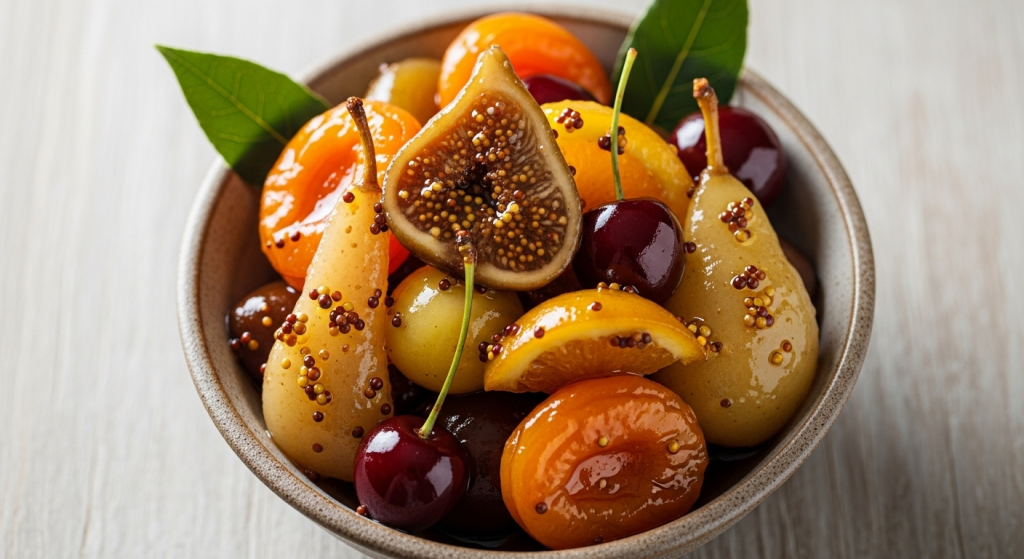
In the vibrant mosaic of Italian cuisine,where bold flavors dance and traditions run deep,an unexpected delight beckons the curious palate: mustard candied fruit. This intriguing fusion, where sweet meets spice in a tantalizing embrace, invites food lovers to rediscover the art of balance through Italy’s lesser-known culinary jewel.
Journey with us into the orchards and kitchens where tangy mustard swirls around luscious, sun-kissed fruits, creating a sensory experience both ancient and avant-garde. “Sweet Meets Spice: Exploring Italy’s Mustard Candied fruit” unravels the stories, techniques, and tastes behind this captivating treat-proof that in Italy, even the moast surprising combinations are crafted with passion and finesse.
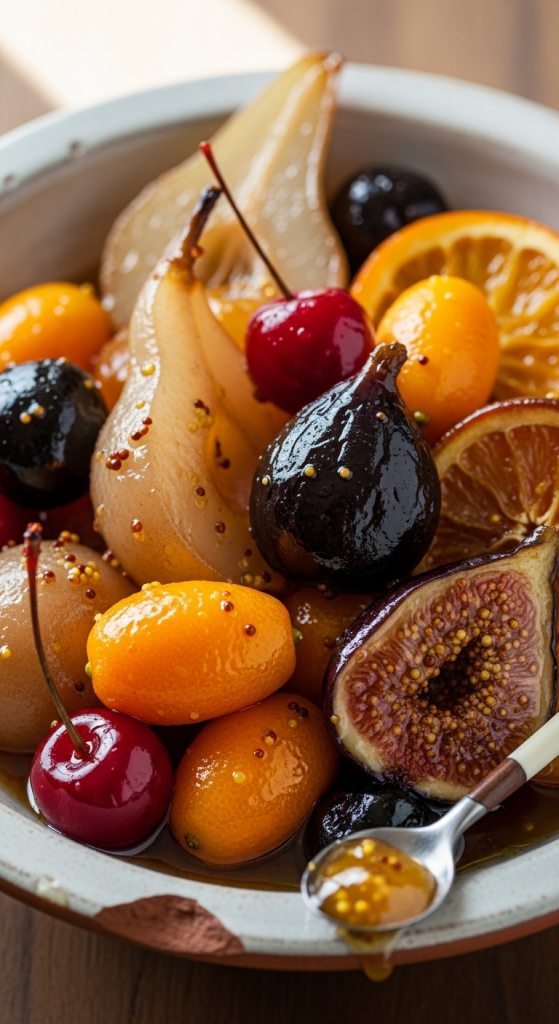
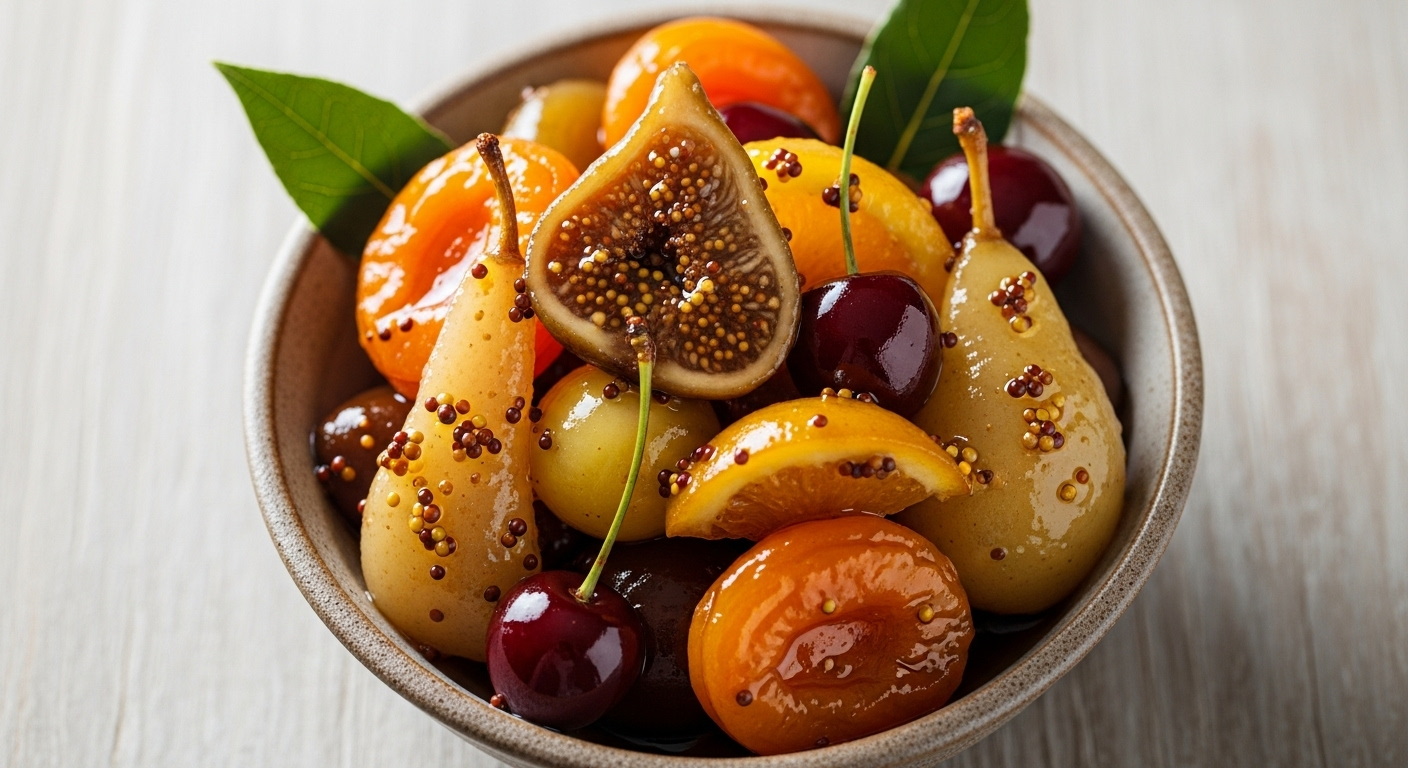
Sweet Meets Spice: Exploring italy’s mustard Candied Fruit reveals a engaging culinary tradition where tangy mustard seeds beautifully marry the natural sweetness of candied fruit, creating a flavor profile that dances on yoru palate. Originating from regions known for their bold and inventive preserves, this distinctive treat balances piquant mustard with luscious fruit, making it a true reflection of Italy’s rich gastronomic heritage. Whether you’re a seasoned foodie or an adventurous cook, mastering the art of balancing flavors in mustard candied fruit opens doors to a world of sensory delight.
prep and Cook Time
- Preparation Time: 20 minutes
- Cooking Time: 60 minutes
yield
Approximately 6 servings (makes about 400g of candied fruit)
Difficulty level
Medium – requires careful attention to timing and heat
Ingredients
- 300g assorted candied fruit (such as citrus peel, cherries, and apricots), chopped into uniform pieces
- 150g granulated sugar
- 120ml water
- 2 tbsp yellow mustard seeds
- 1 tbsp Dijon mustard
- 1 tsp freshly grated lemon zest
- 1 tsp pure vanilla extract
- 1 tbsp freshly squeezed lemon juice
- Pinch of fine sea salt
- Optional: ½ tsp mild chili flakes for added warmth
Instructions
- Toast the mustard seeds: In a dry skillet over medium heat, toast the mustard seeds, stirring frequently, until they become fragrant and start to pop (about 2-3 minutes). Remove from heat and set aside.
- Prepare the sugar syrup: In a medium saucepan, combine the granulated sugar and water. Stir over medium heat until the sugar dissolves wholly, then bring to a gentle boil.
- add flavor bases: Stir in the freshly grated lemon zest, vanilla extract, lemon juice, and a pinch of sea salt. Allow the syrup to simmer for 3-4 minutes to infuse the flavors.
- Incorporate mustard: Add the Dijon mustard and half of the toasted mustard seeds to the syrup,whisking them in to create an aromatic base.
- Simmer with candied fruit: Fold in the chopped candied fruit, reduce the heat to low, and simmer gently. Stir occasionally, ensuring pieces are coated evenly and the syrup thickens to a luscious glaze, about 25-30 minutes.
- Optional spice addition: For a subtle heat, whisk in mild chili flakes a few minutes before finishing cooking.
- Cool and store: Remove from heat and let the mixture cool slightly. Transfer to clean jars and refrigerate once completely cooled. The flavors will deepen after resting overnight.
tips for Success
- Uniform fruit size helps ensure even cooking and an appealing texture.
- Always toast mustard seeds just before use; this unlocks their essential oils and aroma.
- Use a sturdy saucepan with a thick bottom to prevent burning the sugar syrup.
- For a smoother texture,gently mash a portion of the candied fruit during simmering.
- This mustard candied fruit can be made ahead and stored refrigerated for up to two weeks-flavors intensify beautifully with time.
- substitution: If Dijon mustard is not available, use a high-quality yellow mustard for a milder profile.
Serving Suggestions
Present this vibrant mustard candied fruit alongside a selection of mild cheeses like fresh ricotta or creamy burrata to contrast the sweet-spicy notes. it also pairs delightfully with toasted nuts and rustic honeycomb, adding textural contrast. For an unexpected twist, spoon it over warm polenta or use it as a topping for crusty artisanal bread. Garnish with fresh thyme sprigs or edible flowers to enhance its visual allure and elevate your culinary experience.
| Nutrient | Per Serving (approx.) |
|---|---|
| Calories | 180 kcal |
| Protein | 1.2 g |
| Carbohydrates | 45 g |
| Fat | 0.5 g |
Discover more exquisite Italian flavor pairings like this in our related article. For an in-depth history and regional diversity of mustard use in Italy, italy Food Experts offers excellent insights.
Q&A
Q&A: Sweet Meets Spice - Exploring Italy’s Mustard Candied Fruit
Q1: What exactly is mustard candied fruit, and why is it unique in Italian cuisine?
A1: Mustard candied fruit is a delightful Italian specialty that marries the sugary richness of candied fruit with the bold, tangy punch of mustard seeds or mustard-infused elements. This unexpected combination creates a symphony of flavors-sweetness cushioned by a spicy zing-that surprises and delights the palate. Unlike typical candy, this treat embodies the Italian love for balancing flavors in innovative ways, making it a true culinary curiosity.
Q2: In which regions of Italy is mustard candied fruit most commonly found?
A2: While candied fruits are a staple in many parts of Italy, the integration of mustard flavor is particularly cherished in northern regions like Piedmont and Lombardy. These areas have a long tradition of mustard use and artisanal fruit preservation, making them the natural birthplace of this spicy-sweet confection. it’s a regional gem that reflects local ingredients and tastes.
Q3: What fruits are typically used to create mustard candied fruit?
A3: Classic fruits like cherries,oranges,figs,and lemons often form the base of mustard candied fruit.These fruits provide natural sweetness and varying acidity levels, which complement the piquant bite of mustard perfectly. The candied process preserves the fruit’s texture and intensifies its flavor, resulting in a chewy, flavorful delight.
Q4: How is mustard incorporated into the candied fruit-through seeds, powder, or some other form?
A4: Mustard’s presence in the candied fruit can take several forms. Sometiems, whole mustard seeds are embedded within the candy, offering little bursts of spice. Other times, a mild mustard powder or a mustard-infused syrup is gently blended into the candying liquid, ensuring a smooth, consistent heat that enhances but never overpowers the fruit’s sweetness.
Q5: What historical or cultural influences might have inspired this sweet-and-spicy combination?
A5: Italy’s culinary tapestry is woven from centuries of trade and cultural exchange. Mustard, brought to Italy from ancient traders, found favor as a powerful spice, while candied fruit owes its origins to preserved delicacies needed for long winters and special celebrations. The marriage of the two likely arose from a desire to elevate preserved fruits with a vibrant kick, embodying the Italian spirit of culinary experimentation and balance.
Q6: How is mustard candied fruit typically enjoyed-on its own, or as part of other dishes?
A6: Mustard candied fruit shines as a snack enjoyed during festive occasions, often served alongside cheeses, nuts, or rustic breads. It also makes a gourmet addition to dessert platters, where its complex flavor pairs well with mild creams and soft textures. Some chefs creatively incorporate it into sauces or as a garnish, adding depth and intrigue to savory or sweet plates alike.
Q7: Can mustard candied fruit be made at home,and what tips would you offer to aspiring makers?
A7: Absolutely! Home cooks can experiment with mustard candied fruit by gently simmering chosen fruits in sugar syrup infused with mustard seeds or a hint of mustard powder. The key is balancing sweetness with spice-start with minimal mustard and increase gradually to suit your taste. Patience is essential: slow candying ensures the fruit preserves its texture and soaks up the nuanced flavors.
Q8: How does mustard candied fruit reflect Italy’s broader approach to flavor and food?
A8: This unique treat encapsulates Italy’s culinary philosophy: harmonious contrasts and reverence for quality ingredients. The dance between sweet and spicy in mustard candied fruit exemplifies the country’s ability to transform simple elements into unusual experiences. It’s a testament to how tradition and creativity mingle to keep italian food exciting and heartfelt.
Q9: Are there contemporary twists or innovations on traditional mustard candied fruit?
A9: Modern Italian artisans often experiment by infusing mustard candied fruit with unexpected flavors-such as local herbs, citrus zest, or even subtle smoky notes from wood-fired processes. These innovations honor the root tradition while inviting new palates to explore this fascinating fusion of sweetness and spice.
Q10: Where can one find authentic mustard candied fruit when visiting Italy?
A10: Seek out traditional pastry shops, artisan food markets, and specialty delicatessens in northern Italy to discover authentic mustard candied fruit. Festivals celebrating local produce and artisanal preserves also offer a treasure trove of these confections, often crafted by families keeping the tradition alive. Sampling them is a delicious way to connect with Italy’s layered food heritage.
Wrapping Up
As we close this flavorful journey through Italy’s mustard candied fruits, it’s clear that this unexpected pairing of sweet and spice is more than just a culinary curiosity-it’s a testament to Italian ingenuity and the art of balancing contrasts. From the sun-soaked orchards where fruit is harvested to the meticulous crafting of mustard-infused syrups, each bite tells a story of tradition meeting bold innovation.
Whether you’re a seasoned gourmand or a curious palate, these delicacies invite you to experience Italy in a new, tantalizing way-where sweetness dances with a hint of heat, and every bite sparks a delicious surprise. So next time you seek a taste adventure, remember: sometimes, the most unforgettable flavors are those that dare to blend the unexpected.