

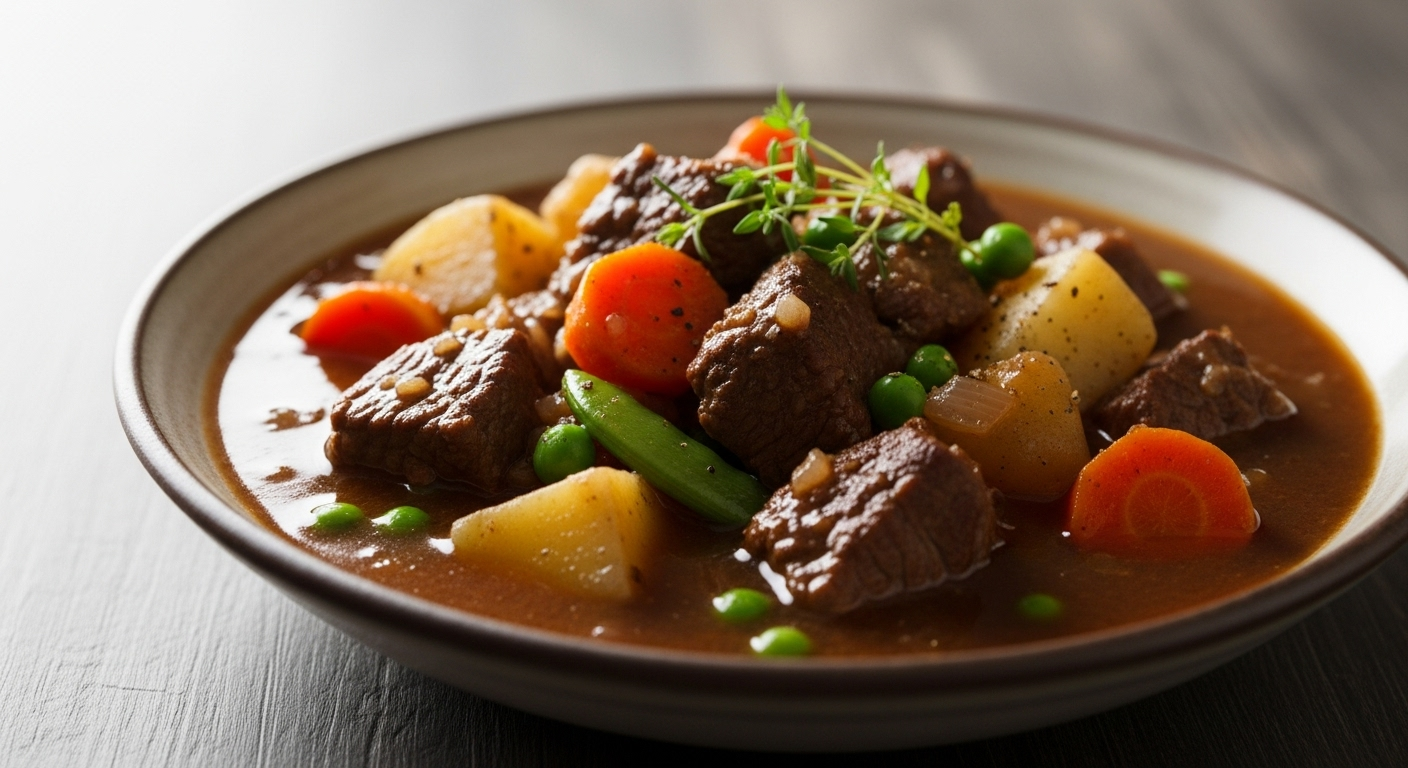
There’s something undeniably comforting about a steaming bowl of hearty homemade beef stew-a dish that wraps you in warmth with every tender bite and savory sip. Rooted in tradition yet endlessly adaptable, this classic recipe has long been a favorite in kitchens around the world, promising a satisfying blend of robust flavors and rustic charm. Whether simmered slowly on a chilly evening or prepared as a make-ahead meal to nourish busy days, beef stew embodies the essence of comfort food: simple ingredients transformed through patience and love into a soul-soothing experience.
In this article, we’ll take you through the art of crafting the perfect beef stew, exploring key techniques and tips that bring out the rich, melt-in-your-mouth goodness you crave all year round.
Hearty homemade beef stew is more than just a meal-it’s a soulful embrace on a chilly day, a timeless dish that fills the kitchen with inviting aromas and promises of comfort. The secret to this classic lies in selecting the right cut of beef, layering flavors with fresh vegetables and fragrant herbs, and embracing the slow simmer that tenderizes every bite to perfection. Drawing from both tradition and culinary expertise, this recipe transforms humble ingredients into a rich, hearty stew that warms your heart as much as your palate.
Prep and Cook Time
- Readiness: 20 minutes
- Cooking: 3 hours 30 minutes (includes slow simmering)
Yield
Serves 6 generous portions
Difficulty Level
Medium – Perfect for home cooks ready to embrace slow cooking techniques with rewarding results
Ingredients
- 2 lbs beef chuck roast, cut into 1 ½-inch cubes
- 1 ½ cups all-purpose flour, seasoned with salt and black pepper
- 3 tbsp olive oil or vegetable oil
- 1 large onion, diced
- 3 cloves garlic, minced
- 3 medium carrots, peeled and sliced into thick rounds
- 3 celery stalks, sliced
- 4 cups beef broth, preferably low sodium
- 1 cup dry red wine (optional but highly recommended)
- 2 cups Yukon Gold potatoes, peeled and cubed
- 2 bay leaves
- 1 tbsp tomato paste
- 1 tsp dried thyme or 2 tsp fresh thyme leaves
- 1 tsp dried rosemary or 1 ½ tsp fresh rosemary, finely chopped
- Salt and freshly ground black pepper, to taste
- Fresh flat-leaf parsley, chopped for garnish
Instructions
- Prepare the beef: Toss the beef cubes in the seasoned flour, coating each piece evenly. Shake off excess flour to prevent clumping during browning.
- Brown the beef: Heat 2 tablespoons of olive oil in a large Dutch oven over medium-high heat.Sauté beef cubes in batches, avoiding crowding-brown on all sides, about 4-5 minutes per batch. Remove browned beef onto a plate and set aside.
- Sauté vegetables and aromatics: Lower heat to medium, add remaining tablespoon of olive oil if necessary. Into the same pot, add diced onion, carrots, and celery. Cook for about 7 minutes until softened and lightly caramelized, stirring occasionally.Add garlic and sauté 1 more minute until fragrant.
- Build flavor: Stir in tomato paste, coating vegetables thoroughly. Pour in red wine to deglaze the pot, scraping up any browned bits from the bottom with a wooden spoon. Allow wine to reduce by half, about 5 minutes, intensifying that rich depth of flavor.
- Combine ingredients for slow simmering: Return browned beef to the pot along with beef broth, potatoes, bay leaves, thyme, and rosemary. Season with salt and freshly ground black pepper. Bring to a gentle boil.
- Slow simmer: Reduce heat to low, cover the pot with lid slightly ajar, and let simmer for 3 hours.Every 45 minutes, stir gently and check for tender beef-fork-tender beef is the hallmark of a perfectly slow-simmered stew.
- Thicken the stew: If desired, mix 2 tablespoons of cold water with 1 tablespoon cornstarch or flour to create a slurry.Stir slowly into the stew over medium heat and simmer for 5 more minutes until thickened and glossy.
- Final seasoning and serving: Remove bay leaves. Taste and adjust salt, pepper, or herbs as needed. Ladle stew into bowls, garnish generously with fresh parsley, and serve hot alongside crusty bread, creamy mashed potatoes, or buttered egg noodles.
Tips for Success
- Choose the right cut: Beef chuck is ideal for its marbling and connective tissue that breaks down beautifully with slow cooking, lending deep, savory richness and tender texture.
- Brown in batches: Avoid overcrowding the pot; this ensures proper caramelization rather than steaming, contributing a complex, roasted flavor.
- Layer your aromatics: Onions, garlic, carrots, and celery (the classic mirepoix) form the heart of this stew’s flavor base-caramelize them well for natural sweetness.
- Don’t rush the simmer: Letting the stew bubble low and slow develops an unparalleled tenderness and melding of flavors that fast cooking can’t replicate.
- Make it ahead: Stews taste even more magnificent the next day, as flavors continue to deepen.
- Substitutions: Swap red wine for extra beef broth or a splash of balsamic vinegar for acidity if preferred.
Serving Suggestions
Present your hearty homemade beef stew in rustic bowls, garnished with vibrant fresh parsley or a sprig of thyme. Accompany with buttery mashed potatoes,creamy polenta,or thick slices of crusty artisan bread to soak up every luscious drop. For added comfort, serve with a simple mixed green salad dressed in a bright vinaigrette to balance the stew’s richness.
| Nutrition Per Serving | Approximate Amount |
|---|---|
| Calories | 450 kcal |
| Protein | 38 g |
| carbohydrates | 28 g |
| Fat | 18 g |
Q&A
Q&A: Hearty homemade Beef Stew – A Comfort Food Classic Recipe
Q1: What makes beef stew a quintessential comfort food?
A: Beef stew is the embodiment of cozy, hearty nourishment. Slow-simmered chunks of tender beef meld beautifully with rich,savory broth and an array of vegetables,creating a bowl of warmth that soothes the soul and satisfies the palate. It’s the kind of meal that wraps you up in nostalgic flavors and homey goodness.
Q1: What’s the secret to achieving tender, melt-in-your-mouth beef in stew?
A: Patience is key. Choosing a tougher cut like chuck or round, then searing it to lock in flavors before slow-cooking it at a low temperature, transforms the meat into buttery tenderness. The long, gentle simmer breaks down connective tissues, turning them into luscious gelatin that thickens the stew naturally.
Q2: Can I customize the vegetables in my beef stew?
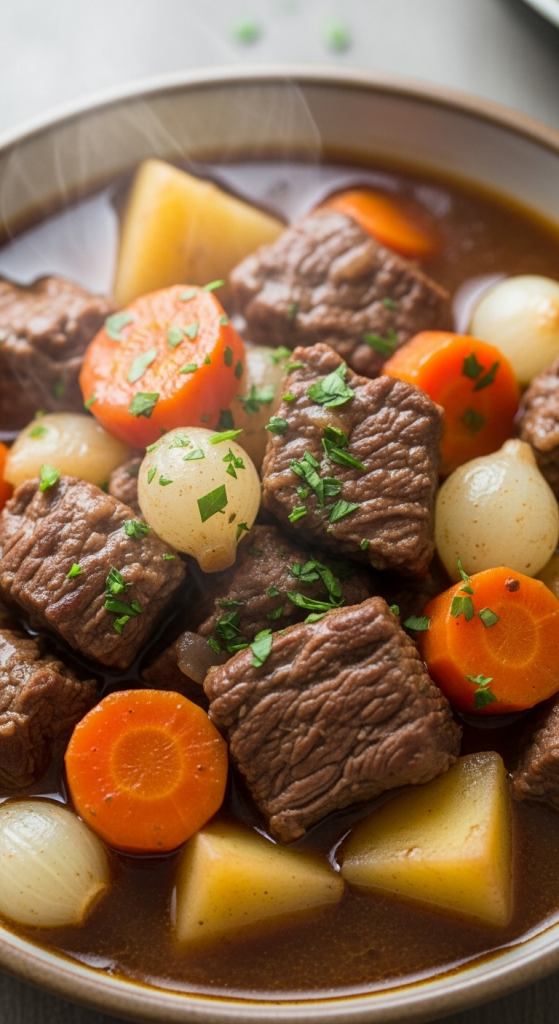
A: Absolutely! Classic stew veggies like carrots, potatoes, onions, and celery are staples for a reason-they add sweetness, texture, and earthiness. But feel free to get creative: parsnips, turnips, mushrooms, or even pearl onions can elevate the flavor profile and add captivating layers.
Q2: How do I thicken the stew without using flour or cornstarch?
A: There are tasty alternatives to conventional thickeners. Letting the stew reduce naturally by simmering uncovered concentrates flavors while thickening the broth. Another trick is tossing in diced potatoes early in the cooking; as they break down, their starch naturally enriches the stew’s texture.
Q3: What herbs and spices best complement beef stew?
A: Classic herbs like thyme, rosemary, and bay leaves bring an aromatic depth that pairs perfectly with beef’s robustness. Adding a touch of garlic and black pepper adds warmth, while a splash of Worcestershire sauce or a hint of tomato paste can introduce a subtle umami boost.
Q3: How far ahead can I prepare beef stew?
A: One of beef stew’s charms is that it often tastes even better the next day! Preparing it a day in advance allows the flavors to marry and deepen. Simply refrigerate overnight and gently reheat before serving for a comforting, well-rounded meal.
Q4: Any tips for serving beef stew with a delicious twist?
A: Serving your beef stew over creamy mashed potatoes or buttered egg noodles turns it into a full-bodied feast. For added flair, garnish with fresh parsley or a dollop of tangy sour cream. Crusty bread on the side is a must for soaking up every last drop of that rich, savory broth.
Q4: Can beef stew be made in a slow cooker or Instant Pot?
A: Definitely! Slow cookers excel at the low-and-slow process, perfect for melting beef into tenderness. Instant pots speed up the process with pressure cooking,delivering tender results in a fraction of the time. Both methods retain the stew’s hearty soul-just adjust cooking times accordingly.
Q5: Is beef stew suitable for freezing and reheating?
A: Yes, beef stew freezes beautifully and maintains its flavor well. Portion it into airtight containers or heavy-duty freezer bags, label with dates, and store up to 3 months. Thaw overnight in the fridge and reheat gently on the stovetop or in the microwave.
Q5: What’s the ancient background of beef stew?
A: Beef stew is a dish with roots running deep through culinary history worldwide. From rustic European peasant kitchens to cowboy campfires, stewing tough cuts of meat was a practical way to maximize flavor and nutrition. Over time, this humble method became a beloved comfort food classic, celebrated for its simplicity and heartiness.
enjoy crafting your own comforting pot of beef stew-a timeless recipe that invites you to slow down, savor deeply, and share moments of warmth with those you love.
The Conclusion
As the rich aroma of your hearty homemade beef stew fills the kitchen, you’re not just serving a meal-you’re offering a timeless comfort that warms both body and soul. This classic recipe, with its tender beef, savory broth, and wholesome vegetables, is more than food; it’s a slow-cooked story of tradition and love. Whether enjoyed on a chilly evening or shared with loved ones around the table, this beef stew reminds us that sometimes, the simplest ingredients prepared with care create the most memorable moments.So grab a spoon, savor each bite, and let this comforting dish become a cherished staple in your culinary repertoire.