
Grilled Chicken & Avocado Caprese Salad: The Summer Plate That Actually Stays Fresh
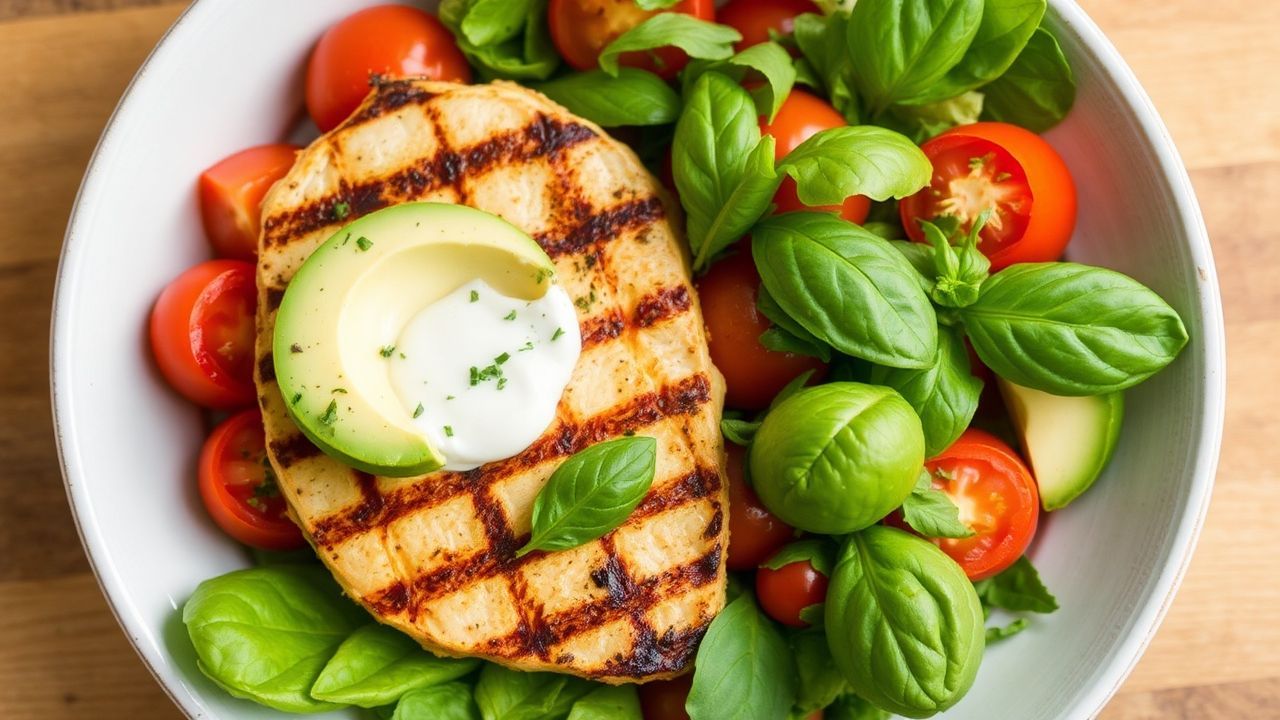
When temperatures rise, people crave meals that feel light but still satisfy. This grilled chicken & avocado Caprese salad hits that sweet spot: smoky char from the grill, creamy avocado, juicy tomatoes, and basil-bright freshness.
- Grilled Chicken & Avocado Caprese Salad: The Summer Plate That Actually Stays Fresh
- Why This Combo Works: Charred Chicken + Classic Caprese + Creamy Avocado
- Ingredients That Deliver (and what to buy)
- Marinade + Grill Method: The Juicy Chicken Workflow
- Step 1: Make the marinade (10 minutes is enough)
- Step 2: Preheat and oil the grates
- Step 3: Grill once per side (flip once for better char)
- Step 4: Rest, then slice
- Avocado Caprese Assembly: Build Layers That Hold Up
- How to slice and layer without bruising
- Prevent avocado browning (the lemon strategy)
- Dress with restraint so tomatoes don’t flood the plate
- Serving Ideas That Make It a “Meal,” Not Just a Salad
- Make-Ahead Plan (So You Still Win on Texture)
- Nutritional Snapshot (Realistic Estimates)
- FAQ
It also solves a common problem. Many salads turn soggy because dressing, salt, and cut produce release water too early. This recipe keeps texture in mind—so you can prep ahead without ruining the final bite.
- Cook chicken to safe doneness, then rest before slicing for juicier pieces.
- Assemble right before serving to keep mozzarella creamy and basil vivid.
- Use lemon strategically to slow avocado browning.
- Balance oil and balsamic so tomatoes stay firm.
Why This Combo Works: Charred Chicken + Classic Caprese + Creamy Avocado
Caprese traditionally relies on tomato, mozzarella, and basil. This version respects that logic, then upgrades the texture with grilled chicken for protein and avocado for creamy mouthfeel.
Heat changes flavor in two helpful ways. First, grilling creates browned, aromatic compounds on the chicken surface. Second, the rest period lets juices redistribute, which improves sliceability and reduces dryness.
If you want the science-friendly version, think “surface browning meets controlled moisture.” For grill fundamentals, see grilling.
The flavor balance you should aim for
This salad should feel bright, not sharp. Tomatoes bring natural acidity and sweetness, balsamic adds tangy complexity, and olive oil rounds out the bite.
Avocado’s fats help soften the overall acidity, so the salad feels creamy instead of “salad-y.” For background on how fats affect satiety and texture, use lipids.
Texture rules (the part most recipes skip)
Moisture drives texture breakdown. Salt draws water out of tomatoes, while dressing pools and makes basil lose its fresh bite. That’s why this method keeps dressing light and timing tight.
Also, avocado changes fast once sliced. Lemon doesn’t stop flavor change, but it slows oxidation and helps the slices look appetizing for longer. For general fruit/oxidation context, review oxidation.
Ingredients That Deliver (and what to buy)
Use simple, high-quality ingredients. You don’t need complicated sauces, but you do need reliable produce and a chicken cut that cooks evenly.
For the cleanest results, gather everything before you heat the grill. A “set-and-slice” workflow prevents overcooking and reduces the time mozzarella sits uncovered.
Grilled chicken ingredients
Chicken: 4 boneless, skinless breasts (about 6 oz each). If breasts vary in thickness, slice them horizontally to even the cooking time.
Marinade: extra virgin olive oil, minced garlic, smoked paprika, dried oregano, lemon juice, salt, and black pepper. Smoked paprika adds depth even with a short marinate.
Avocado Caprese salad ingredients
Avocado: 2 ripe avocados, peeled and sliced right before assembly. You want yield to gentle pressure, not mush.
Tomatoes: 2 large ripe tomatoes, sliced evenly. Uneven slices create uneven bite and messy plating.
Mozerella: 8 oz fresh mozzarella. Choose buffalo or regular—either way, slice just before building layers for best creaminess.
Basil + dressing: torn fresh basil, olive oil, and balsamic glaze. Finish with flaky sea salt and cracked black pepper.
Marinade + Grill Method: The Juicy Chicken Workflow
The goal is simple: season thoroughly, grill hot enough for char, and rest long enough to keep juices inside the meat. Skipping rest time turns “juicy” into “firm.”
If you use a thermometer, you’ll hit consistent results. Chicken safety targets 165°F / 74°C internal temperature, and a thermometer removes guesswork.
Step 1: Make the marinade (10 minutes is enough)
Whisk olive oil, minced garlic, smoked paprika, oregano, lemon juice, salt, and black pepper. Coat each chicken breast evenly.
Marinate for 10–60 minutes. Short marinating works because salt + acid + oil move flavor quickly on the surface.
If you need more lead time, prep everything except the chicken marinade. Keep ingredients ready, then marinate closer to grilling.
For general food safety context around grilling chicken, review chicken (food).
Step 2: Preheat and oil the grates
Heat the grill to medium-high. Clean grates first, then lightly oil them so the chicken releases cleanly.
Good preheat matters. If the grill runs cool, chicken steams before it sears, and you lose the caramelized flavor that makes this salad feel special.
Step 3: Grill once per side (flip once for better char)
Cook about 6–7 minutes per side depending on breast thickness. Flip once so the first sear stays intact.
Check doneness with a thermometer. When the thickest part hits 165°F / 74°C, move chicken to a clean plate.
Step 4: Rest, then slice
Rest the chicken for 5 minutes. This pause lets juices redistribute, so slices feel moist instead of watery.
Slice into thick strips. Then fan pieces across the platter so each forkful includes both char and creamy components.
Avocado Caprese Assembly: Build Layers That Hold Up
Assembly determines whether this salad tastes like a summer restaurant plate or a sad pile of cut ingredients. Treat it like a quick plating job, not a long mixing session.
Plan the order: build the base first, dress at the last moment, then add basil and chicken right before eating.
How to slice and layer without bruising
Slice tomatoes evenly and tear basil by hand for a fresher aroma. For mozzarella, slice thin but not so thin it folds.
Avocado slices should go on last among the salad components. If you must hold them, keep slices slightly protected from air with lemon.
Prevent avocado browning (the lemon strategy)
Mix a few drops of lemon juice with a pinch of salt and lightly coat avocado slices. This helps slow oxidation and keeps the color closer to bright green.
For the chemical reason, oxidation of plant pigments causes browning. Lemon’s acidity doesn’t “reverse” everything, but it slows the process. See ascorbic acid for related science on antioxidants in produce.
Dress with restraint so tomatoes don’t flood the plate
Use olive oil first, then a controlled drizzle of balsamic glaze. Too much balsamic increases sweetness and adds a dark, watery layer as tomatoes release juice.
Light seasoning also matters. Flaky sea salt adds crunch and pops flavors, but salt can pull moisture out of tomatoes over time.
Serving Ideas That Make It a “Meal,” Not Just a Salad
Serve on a large platter so the layers stay visible. People eat with their eyes first, and this dish looks better when avocado, mozzarella, and tomatoes form distinct bands.
Add chicken on one side or fan it evenly across the top. Either way, make sure every serving includes charred chicken plus creamy avocado.
Best time to plate
Assemble close to serving. If you assemble too early, mozzarella loses that silky surface, basil darkens, and tomatoes release more liquid.
If you’re hosting, prep components ahead. Keep chicken covered, store avocado with lemon, and slice tomatoes and mozzarella earlier—then assemble when guests sit down.
Pair with sides that support freshness
Choose sides that don’t overwhelm basil and balsamic. Grilled corn, cucumber salad, and chilled roasted potatoes all match the Mediterranean feel.
If you serve bread, go for crusty pieces for scooping olive oil and balsamic glaze from the platter.
Make-Ahead Plan (So You Still Win on Texture)
You can prepare parts in advance and still serve a crisp, high-quality salad. The trick is separating tasks that affect texture from those that don’t.
Use a “timeline” approach: chicken can be cooked early, but avocado slicing and dressing belong near the finish.
What you can do up to 24 hours ahead
Cook and slice chicken: You can grill up to a day ahead. Cool, cover, and refrigerate. Rewarm briefly before serving, then slice.
Slice tomatoes and mozzarella: Store separately in airtight containers. Tomatoes hold up better whole-sliced than diced.
What to do right before serving
Squeeze lemon over avocado and slice right away. Then layer avocado with mozzarella and tomatoes.
Dress and garnish last: Add olive oil, balsamic glaze, and basil right before serving so flavors stay bright.
Nutritional Snapshot (Realistic Estimates)
Exact nutrition varies by chicken breast size and mozzarella brand. Still, this dish typically lands in a moderate-calorie range because it balances lean protein with healthy fats.
Avocado and olive oil raise the fat content, but they also improve satisfaction. Protein helps stabilize hunger, which matters for summer meals when people snack more often.
For general macronutrient context, see macronutrients.
FAQ
What cut of chicken works best for this salad?
Boneless, skinless chicken breasts work best because they grill evenly and slice cleanly. If your breasts vary in thickness, trim or pound to even thickness so you avoid dry edges.
How do I keep mozzarella from getting watery?
Slice mozzarella close to assembly time and keep it covered until plating. Also, dress tomatoes lightly and delay balsamic until the final minutes.
Can I use store-bought balsamic glaze?
Yes. Choose a thick glaze so you use less liquid. Thin balsamic can run, increasing tomato pooling and making the salad look messy.
Why does lemon help with avocado?
Lemon slows oxidation after slicing. It keeps avocado looking greener for longer and improves flavor when paired with tomatoes and basil.
Can I make this dairy-free?
You can swap mozzarella for dairy-free alternatives made for slicing. For a different texture, use thin marinated vegetables like grilled eggplant, then follow the same assembly timing rules.
See also: grilled chicken