
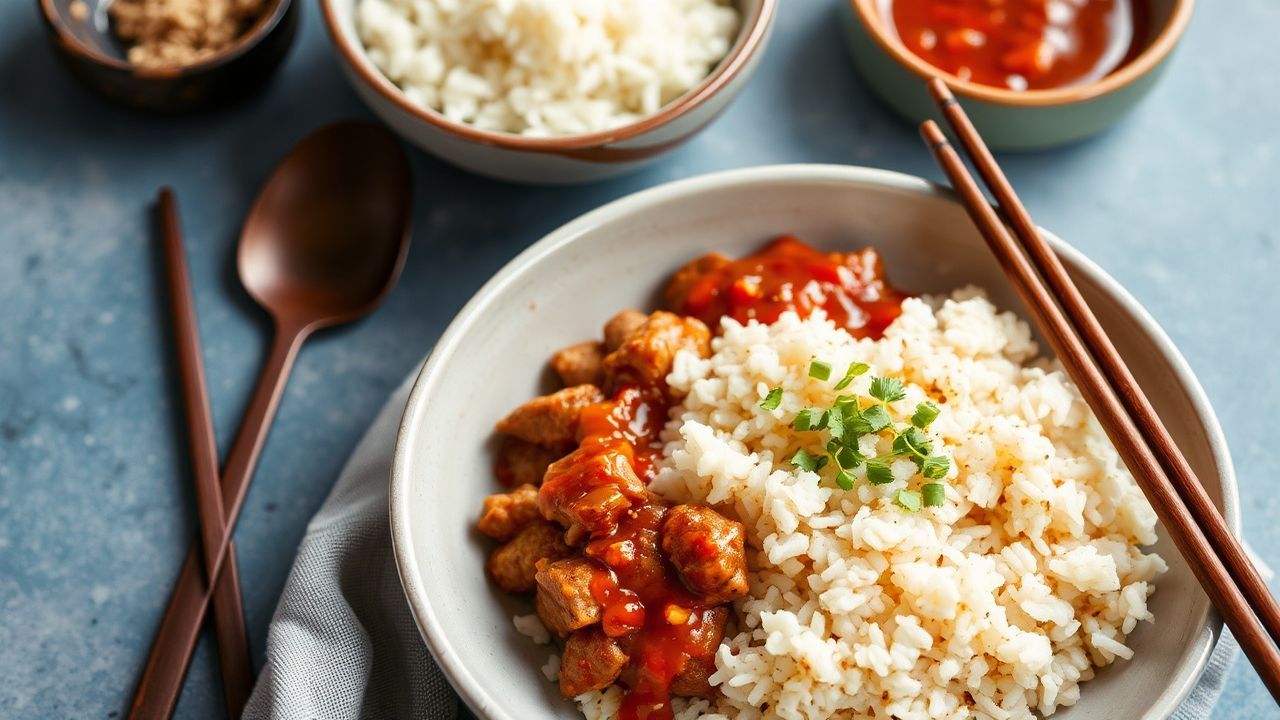
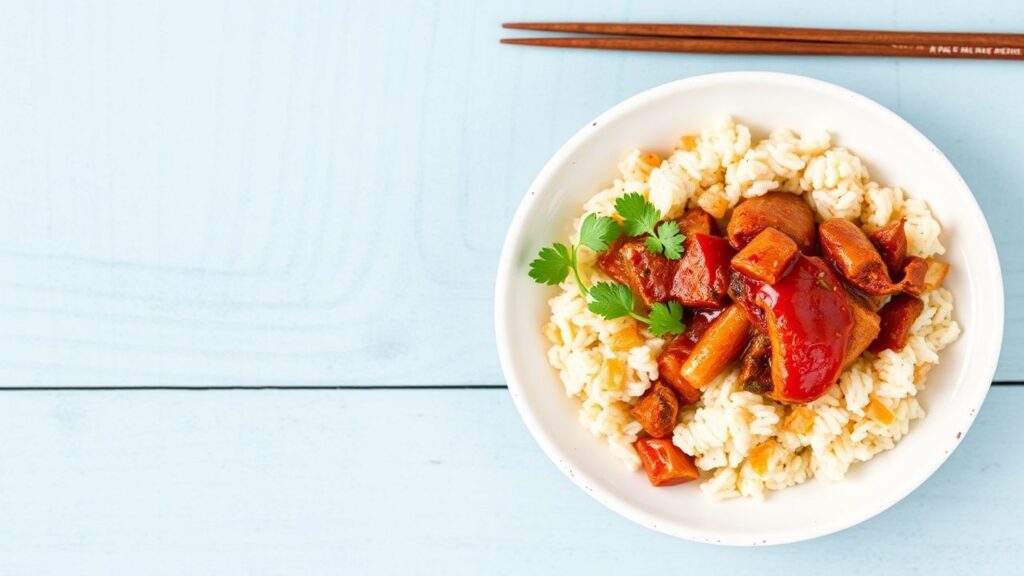
The best gochujang turkey rice delivers real comfort and real heat in every bite. It blends turkey’s savory richness with gochujang’s fermented chili depth, so the rice tastes hearty, slightly smoky, and deeply satisfying. You can dial the spice up or down with simple changes to the paste amount and liquid.
- Why This Gochujang Rice with Turkey Works
- Prep and Cook Time
- Yield and Difficulty
- Ingredients for Gochujang Turkey Rice
- Instructions (Single-Pan Method)
- Chef’s Notes: Tips for Success
- Balancing Spice Level
- Turkey Selection and Browning
- Fresh Herb Timing
- Make-Ahead and Reheating
- Optional Mix-Ins
- Serving Suggestions
- Storage and Food Safety
- FAQ
At a Glance
- Flavor profile: smoky, umami-rich turkey plus sweet-spicy gochujang
- Texture control: toasted rice + covered simmer = tender, non-mushy grains
- Spice control: adjust gochujang and add a splash of broth for milder heat
- Make-ahead friendly: reheats well with a little extra moisture
In fusion rice style, this dish turns everyday pantry staples into a weeknight meal with Korean-inspired character. Gochujang brings fermented complexity and chili warmth, which works especially well with lean ground turkey when you brown it well first. For background, you can review gochujang to understand why its sweetness and funk matter.
Traditional rice-based comfort dishes often rely on seasoning layers and gentle simmering. Here, you build flavor by sautéing aromatics, browning the turkey, then letting the gochujang coat everything before the broth hits the pan. To ground the cooking method in rice science, see rice basics like water absorption and grain texture.
Why This Gochujang Rice with Turkey Works
This recipe works because each step supports the next. Browning the turkey develops savory “fond,” which boosts the final flavor when you deglaze with chicken broth. Then, gochujang disperses heat evenly instead of sitting only on top.
Gochujang’s fermented ingredients add depth beyond simple “spice.” It also carries a balanced sweet-heat profile, so the dish feels cozy rather than punishing. If you want to connect that flavor to fermentation, read fermentation for a clear explanation of why fermented foods taste complex.
Turkey for Moisture and Richness
Ground turkey can taste dry if you overcook it. Browning it first and simmering gently helps it stay juicy while it absorbs the sauce. Choose ground turkey thigh style if available, because the added fat typically keeps the texture tender.
If you want to understand protein behavior during cooking, look at turkey and general meat-cooking principles. The key for this recipe is internal moisture retention: cook until browned, then cover and simmer so the rice drives the final tenderness.
Gochujang Flavor Pairings
Gochujang shines with smoky spices like paprika and warm herbs like thyme. It also pairs naturally with garlic and onions because those aromatics build a savory base. Add cumin for a gentle earthiness that keeps the chili flavor from feeling one-note.
To round out the taste, use a bright finishing boost like lemon juice or lime. That acidity balances gochujang’s fermented sweetness and helps the dish taste lighter even though it’s filling. You can also serve with fresh green onions for crisp, clean contrast.
Prep and Cook Time
Plan for a single-pan workflow that moves fast after the initial sauté. Most people can finish the active work in under 20 minutes, then let the rice simmer hands-off.
You’ll get best results when you keep the lid on during the simmer. That traps steam, so the rice absorbs liquid evenly. For general guidance on covered simmering and starch cooking, you can reference rice cooking concepts.
- Readiness: 15 minutes
- Cooking: 35 minutes
- Total Time: 50 minutes
Yield and Difficulty
This recipe makes enough for a family dinner without feeling heavy or complicated. It serves about four people with generous portions, especially if you add a side salad.
Difficulty stays in the mid range because you need basic timing: brown turkey, then simmer covered until tender. If you follow the steps and avoid lifting the lid, you’ll hit the texture you want.
Serves: 4 generous portions
Difficulty: Medium
Ingredients for Gochujang Turkey Rice
Use fresh aromatics for the best fragrance, but you can keep the rest pantry-friendly. The ingredient list below creates balanced flavor: smoky, savory, sweet-heat, and a final bright lift.
For salt levels, taste near the end and adjust. Different brands of broth and gochujang vary, so the final seasoning often needs a small tweak for your kitchen.
- 1 tablespoon vegetable oil (or avocado oil)
- 1 pound ground turkey thigh (rich flavor and moisture)
- 1 cup long-grain white rice, rinsed and drained
- 2 ½ cups low-sodium chicken broth
- 1 medium yellow onion, finely chopped
- 3 cloves garlic, minced
- 1 medium green bell pepper, diced
- 2 tablespoons gochujang (Korean chili paste)
- 1 teaspoon smoked paprika
- 1 teaspoon ground cumin
- ½ teaspoon dried thyme
- Salt and black pepper, to taste
- 2 green onions, sliced thinly (garnish)
- ¼ cup fresh flat-leaf parsley, chopped
- 1 tablespoon fresh lemon juice (optional)
- Red pepper flakes (optional)
Instructions (Single-Pan Method)
Follow these steps for a tender rice texture and evenly coated flavor. Each action has a purpose: build aroma first, brown turkey next, then toast and simmer.
If your skillet runs hot, keep an eye on browning so turkey doesn’t burn before you add spices. Burnt spice turns bitter, which fights gochujang’s sweet-heat balance.
- Heat the oil in a large skillet over medium-high heat.
- Sauté onion, bell pepper, and garlic until fragrant and translucent, about 5 minutes.
- Brown turkey, breaking it apart with a spatula. Cook 7–8 minutes until no longer pink.
- Stir in gochujang, smoked paprika, cumin, thyme, salt, and black pepper. Mix until the paste coats turkey and vegetables.
- Toast the rinsed rice for 1–2 minutes in the pan, stirring gently.
- Pour in chicken broth and scrape the bottom to release browned bits. Bring to a gentle boil.
- Simmer on low, cover tightly, and cook 18–20 minutes without lifting the lid.
- Finish off heat. Fluff rice, then fold in parsley and lemon juice if using.
- Garnish with green onions and optional red pepper flakes. Serve warm.
Chef’s Notes: Tips for Success
Small adjustments make a big difference with gochujang rice. Because gochujang varies in salt and sweetness by brand, you’ll get the best outcome by tasting and adjusting after the simmer.
You’ll also want to manage moisture. Toasting rice helps texture, but covered simmering does the real work of turning grains tender and cohesive.
Balancing Spice Level
Start with 2 tablespoons gochujang for a balanced sweet-heat. If you want a milder bowl, reduce to 1 tablespoon and add an extra few tablespoons of broth for smoother integration.
If you love heat, add red pepper flakes at the end. You can also serve hot sauce or kimchi on the side, so guests control intensity without changing the whole batch.
Turkey Selection and Browning
Ground turkey thigh tends to stay juicier than breast-style options. Browning matters because it drives flavor through Maillard reactions and creates those tasty browned bits for the broth to dissolve.
For general science behind browning, you can review Maillard reaction. The goal is even browning, not full scorching.
Fresh Herb Timing
Add parsley and lemon juice after cooking. This keeps the herbal notes bright instead of dull or cooked down. The citrus also lifts fermented chili flavors, making the whole dish taste more balanced.
For a simple aroma upgrade, use lemon zest too, then keep the juice for finishing. That method boosts fragrance without adding extra acidity too early.
Make-Ahead and Reheating
This recipe holds up well for meal prep. Cool it, store in a covered container, and refrigerate promptly.
When you reheat, add a splash of broth or water and cover briefly. Stir once, then heat until steaming. This helps rice regain a tender, cohesive bite.
Optional Mix-Ins
If you want extra texture, stir in sautéed mushrooms or chopped kale near the end. Keep them tender but not overcooked.
Mushrooms add savory depth that complements turkey and gochujang. Kale adds a clean bite and extra nutrients without changing the core method.
Serving Suggestions
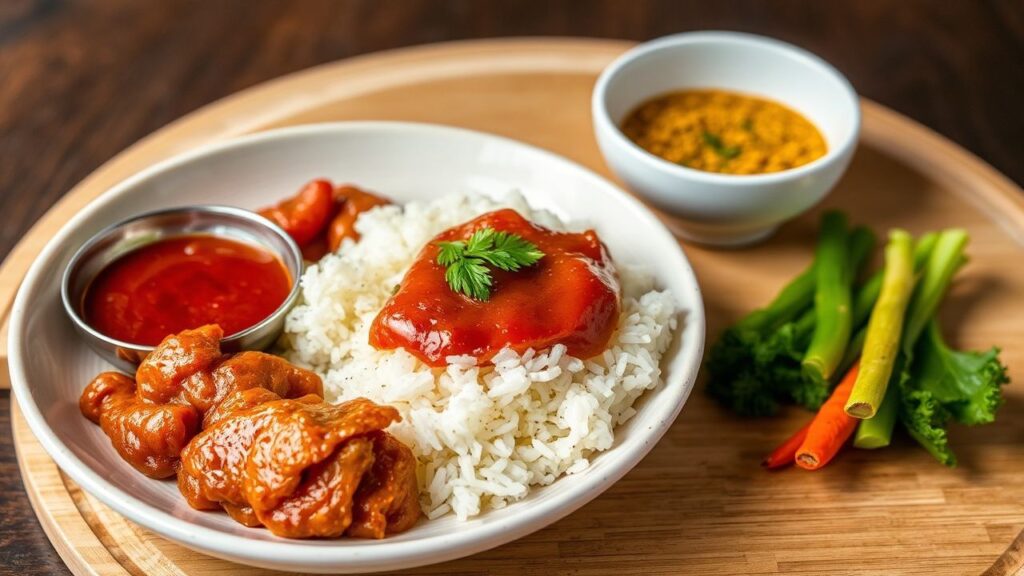
Serve this gochujang turkey rice with sides that cool and crunch. A cucumber salad offers crisp freshness, while roasted okra adds a Southern-style roasted note that feels familiar alongside Korean spice.
For a quick upgrade, top each bowl with a fried egg. The yolk adds richness that softens heat and rounds out the savory profile.
If you want more ideas for similar rice-and-spice combinations, you can explore fusion cuisine to understand why cross-cultural flavor pairings often work so well.
| Nutrient | Per Serving |
|---|---|
| Calories | 370 kcal |
| Protein | 32 g |
| Carbohydrates | 38 g |
| Fat | 10 g |
Storage and Food Safety
Let the rice cool to room temperature before refrigerating. Store in a sealed container to help keep flavor and moisture stable.
Reheat until steaming hot throughout. This practice supports food safety by reducing the risk of bacterial growth during storage. For food-handling fundamentals, review food safety.
FAQ
How spicy is gochujang turkey rice?
It ranges from mild to medium heat depending on your gochujang brand and how much you use. Start with 2 tablespoons, then adjust in future batches by adding less paste for mild or extra chili flakes for heat.
Can I use brown rice instead of white rice?
Yes, but brown rice needs a longer cook time and often more liquid. If you switch, simmer longer and check tenderness before turning off the heat.
What if my rice turns out mushy?
Mushy rice usually comes from lifting the lid, too much liquid, or overcooking. Cover tightly during simmering, and fluff after cooking. Next time, reduce broth slightly if your pan runs wet.
Is gochujang gluten-free?
Not always. Some gochujang products contain wheat, so check the label if you need gluten-free. If you’re sensitive, verify the ingredients before cooking.
What can I serve with this dish?
Serve with cucumber salad, roasted vegetables, or a simple cabbage slaw to cool the heat. A fried egg on top also works well because it adds richness that balances gochujang.
See also: Gochujang turkey rice