

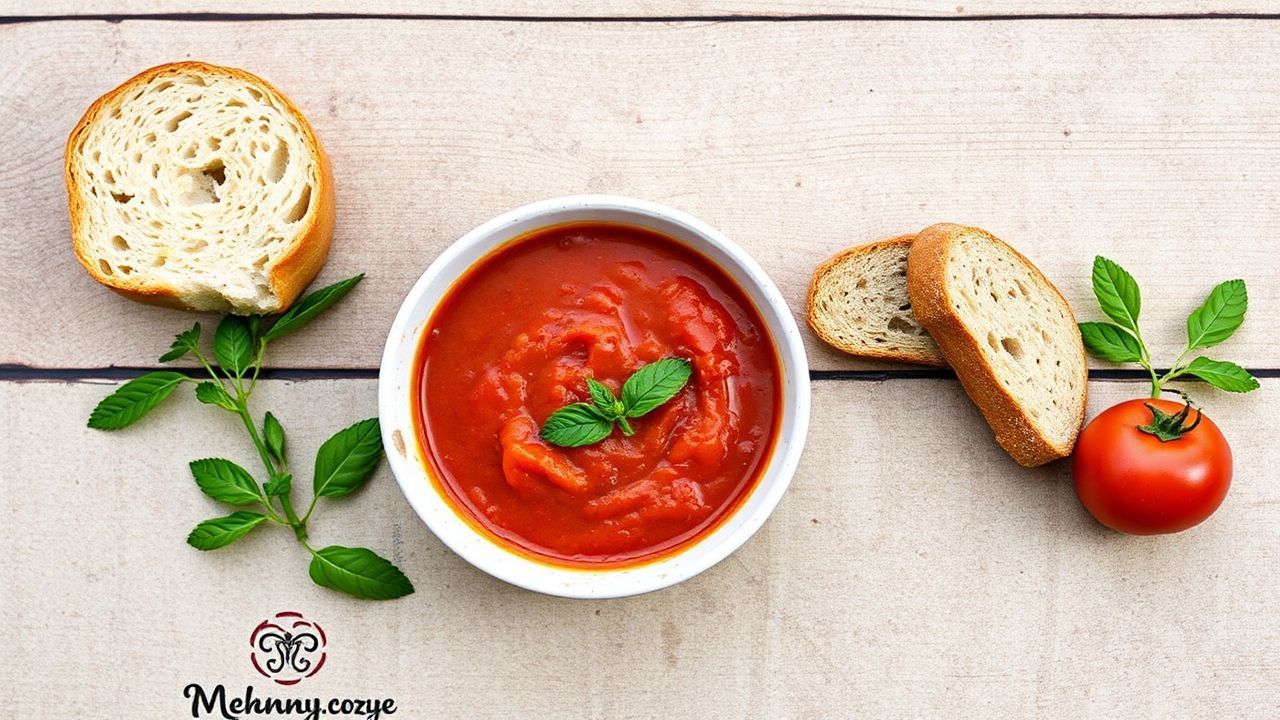
Pappa al Pomodoro is Tuscany’s most comforting tomato bread soup. You build flavor by simmering ripe tomatoes with olive oil, then thickening the bowl with bread until it turns silky and spoonable.
At a Glance
- Key technique: press torn bread into the simmering tomato base.
- Best bread: stale, crusty bread holds shape and texture.
- Classic finish: extra-virgin olive oil and fresh basil at the end.
- Texture target: thick stew, not gummy porridge.
In Tuscany, this dish grew from simple pantry needs. Families used leftover bread and seasonal tomatoes, then let time and heat do the work. Today, Pappa al Pomodoro still tastes like home-cooked thrift turned into real cuisine.
Because tomatoes vary by season, you also control consistency. Simmer until the sauce reduces, and add warm broth if it gets too thick. For background on the region’s food culture, see Tuscan cuisine.
What Is Pappa al Pomodoro?
Pappa al Pomodoro is a thick tomato and bread soup from central Italy. It sits between a stew and a soup, with bread acting as the natural thickener.
The core idea stays simple. You cook onion and garlic in olive oil, simmer tomatoes until they soften, then stir in bread so it absorbs liquid and releases starch. For a helpful nutrition and ingredient overview, review tomatoes and bread.
Prep and Cook Time
Plan for quick prep and steady simmering. Most steps move fast, but the bread needs time to absorb flavor.
- Readiness: 15 minutes
- Cook Time: 35 minutes
- Total: 50 minutes
Yield and Difficulty Level
This recipe makes enough for a warm family dinner. It also works well for meal prep because flavors improve after resting.
Serves: 4 generous bowls. Difficulty: Easy for first-timers and steady for experienced cooks who like classic technique.
Ingredients for Pappa al Pomodoro
Choose ingredients that taste strong on their own. Since this soup relies on tomato flavor, use ripe tomatoes and real olive oil.
For olive oil facts and types, consult olive oil. For classic Italian seasoning logic, keep it simple and let basil stay fresh.
- 400g ripe plum tomatoes, roughly chopped
- 200g day-old rustic bread, crust removed and torn into chunks
- 4 tbsp extra-virgin olive oil, plus extra for drizzling
- 2 cloves garlic, finely minced
- 1 small onion, finely chopped
- 750ml vegetable broth, warm
- Handful fresh basil leaves, torn
- Salt and black pepper, to taste
- Optional: pinch of red chili flakes
Instructions: How to Make Pappa al Pomodoro
Cook with medium heat and stir often. You want tomatoes to break down and bread to absorb, without scorching garlic or thinning the base too much.
As you follow the steps, watch texture closely. The soup should thicken as bread releases starch, but it must stay moist enough to spoon smoothly.
- Warm the olive oil in a large saucepan over medium heat. Add onion and sauté until translucent, about 5 minutes, stirring to avoid browning.
- Add garlic and cook about 1 minute, just until fragrant. Keep heat moderate so garlic stays sweet, not bitter.
- Stir in tomatoes. Simmer gently 8–10 minutes until they soften and break down. Season with salt, pepper, and optional chili flakes.
- Pour in warm vegetable broth and bring to a gentle simmer.
- Add torn bread chunks. Press them lightly with a wooden spoon so they absorb liquid and start to soften.
- Simmer uncovered for about 20 minutes, stirring often. Aim for thick stew texture—still tender, not dry.
- Turn off the heat. Fold in torn basil so the aroma stays bright.
- Adjust seasoning and serve with a generous drizzle of extra-virgin olive oil.
Texture and Flavor Balance Tips
Texture controls the whole eating experience in Pappa al Pomodoro. Bread needs enough time to absorb tomato liquid, and tomatoes need enough simmering to reduce.
Use the soup’s surface as a guide. When it looks glossy and thick, and the bread has softened but not vanished, you’re close. If it gets too thick, add a splash of warm broth and stir.
Expert Texture Control
Starch release does the thickening work, so stirring style matters. Gentle, frequent stirring helps bread break down evenly while keeping a rustic bite.
Choose tomatoes that taste sweet and balanced. Acid level varies, so salt early and taste often. You can also reduce simmer time if tomatoes release too much liquid.
If you want deeper flavor, cook onion until soft, then simmer tomatoes longer for a thicker base. For more on flavor and cooking fundamentals, you can reference soup and how thickness changes the mouthfeel.
Expert Insight: Tear bread into irregular chunks instead of uniform cubes. Irregular pieces soften at different rates, which creates a more authentic Tuscan texture—some spoonable, some gently chewy.
Finish with olive oil at the last step. Hot oil can dull aroma, so drizzle after you turn off the heat. This step also helps the soup taste fresh, not heavy.
Serving Suggestions for Pappa al Pomodoro
Serve the soup steaming hot in wide bowls. A wider bowl helps cool it quickly while keeping the center thick and flavorful.
Top each serving with extra-virgin olive oil and extra basil. Add a pinch of flaky salt if you like a clean pop of salinity against tomato sweetness. For pairing ideas, see Italian cuisine.
Pairings That Stay On-Topic
Pair Pappa al Pomodoro with a simple salad dressed in lemon and olive oil. The acidity cuts richness and helps basil stand out.
For a heartier meal, serve roasted vegetables or grilled zucchini on the side. You keep flavors aligned: tomatoes, olive oil, and herbs stay the center.
Storage and Reheating
Store leftovers in a sealed container in the fridge. The soup thickens as bread absorbs more liquid, so plan to loosen it before serving.
When reheating, warm it gently over low heat. Stir in a little warm broth or water until it reaches your preferred thickness.
Flavor After a Rest
After resting, flavors blend more smoothly. Tomato sweetness and basil aroma distribute across the bowl.
Still, add basil at the end each time you reheat if you can. Fresh basil keeps the aroma lively instead of fading into cooked notes.
Key Takeaways
When you savor Pappa al Pomodoro, you taste more than tomato soup. You taste a technique that turns humble bread into a natural thickener.
This Tuscan tomato bread soup rewards slow simmering and careful texture control. If you follow the bread method and finish with olive oil and basil, your bowl stays rustic, rich, and comforting.
- Pappa al Pomodoro thickens with bread starch, not flour.
- Simmer gently for balanced tomato softness and bread tenderness.
- Finish fresh with basil and olive oil for bright aroma.
- Taste and adjust with salt, pepper, and warm broth.
FAQ: Pappa al Pomodoro
Is Pappa al Pomodoro a soup or a stew?
It acts like both. Pappa al Pomodoro uses broth and turns thick through bread starch, so it feels spoonable like a stew while still tasting like tomato soup.
What bread works best for Pappa al Pomodoro?
Use day-old, crusty bread. It absorbs the tomato liquid and thickens the pot without turning instantly gummy.
Can I make Pappa al Pomodoro ahead of time?
Yes. Make it, cool it, then refrigerate. Reheat gently and add warm broth to loosen the texture.
How do I keep the garlic from turning bitter?
Sauté onion until soft, then cook garlic only about 1 minute. Keep heat moderate and stir so garlic stays fragrant, not browned.
Can I use canned tomatoes instead of fresh?
Yes. Choose good-quality canned tomatoes and simmer long enough to thicken. Taste for salt and adjust because canned tomatoes vary in acidity.
See also: Pappa al Pomodoro