

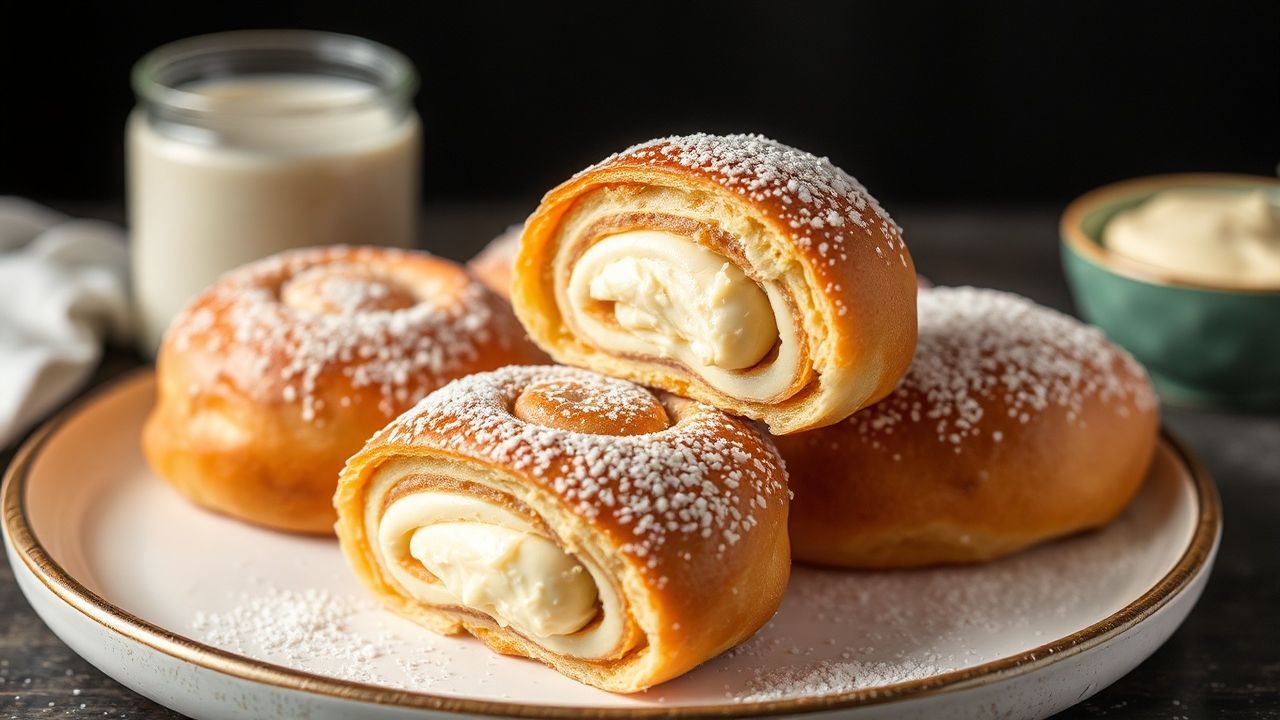
Fluffy sweet rolls filled with luscious creamy goodness have a special kind of comfort. They combine a soft, enriched yeast dough with a tangy-sweet cream center that stays silky after baking.
- Prep and Cook Time
- Yield
- Difficulty Level
- Ingredients
- Step by Step Techniques for Baking and Assembling Your Rolls
- Tips for Serving and storing to maintain Freshness and Flavor
- Q&A
- What makes these sweet rolls so irresistibly fluffy?
- How can I make the creamy filling thick enough to stay in the roll?
- What’s the best way to roll and cut for even baking?
- Can I make these rolls ahead of time?
- How should I store and reheat them?
- Insights and Conclusions
At a Glance
- Soft crumb: Use warm milk and proof until visibly doubled.
- Cream that holds: Chill the filling so it stays thick when you spread it.
- Even bake: Bake at 350°F (175°C) and rotate the pan once.
- Best texture: Glaze right after baking for shine and aroma.
These rolls work because yeast dough develops structure as it rises. When you knead just enough and proof properly, the dough traps gas for a tender, airy bite. For background, yeast fermentation and dough behavior connect directly to yeast and gluten formation (more on timing later).
Below you’ll find a reliable, kitchen-tested method for shaping, filling, and baking. You’ll also learn storage steps that protect softness, plus simple variations for different cream flavors.
Fluffy sweet rolls filled with luscious creamy goodness bring a timeless delight to any kitchen. The pillow-like dough pairs with a smooth cream filling that melts in your mouth. Whether you serve them for breakfast, brunch, or a cozy afternoon treat, you can master that “bakery-style” texture with careful proofing and gentle handling.
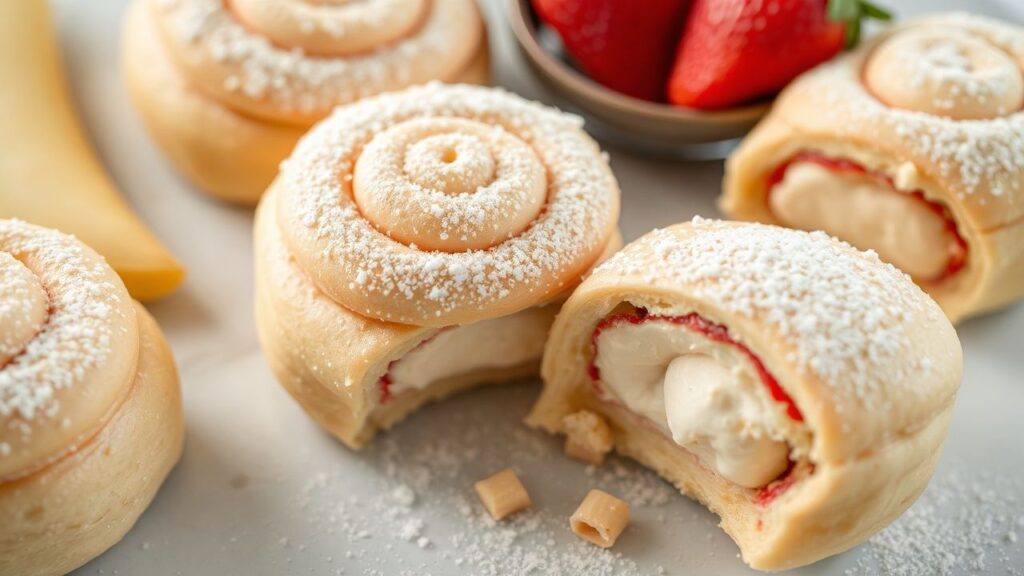
Prep and Cook Time
Plan your day around rising. Yeast needs time to produce gas and expand the dough, so your schedule matters as much as your ingredients.
Cooking itself moves quickly once the rolls hit the oven. Keep an eye on color, because oven heat can vary even when you set the same temperature.
- Planning: 25 minutes (plus 1-1½ hours for rising)
- Cooking: 20-25 minutes
- Total Time: Approximately 2 hours
Yield
This recipe makes 12 fluffy sweet rolls filled with luscious creamy goodness. The portion size helps each roll bake evenly without drying out.
If you want a smaller batch, you can cut the recipe in half. Still keep the same dough thickness when you roll it out.
12 rolls
Difficulty Level
Difficulty stays Medium because the steps depend on proofing and dough texture. You don’t need advanced equipment, but you do need attention.
If you’ve worked with yeast dough before, you’ll pick this up fast. If not, follow each step closely and measure by volume and temperature.
Medium – ideal for confident beginners comfortable with yeast doughs
Ingredients
Measure accurately for consistent rise. Flour absorbs liquid differently, so exact amounts help your dough feel elastic, not dense.
Also, use ingredients at similar temperatures when possible. Warm milk supports yeast activity, while room-temperature eggs mix smoothly.
Dough
- 3 ½ cups all-purpose flour, sifted
- ½ cup whole milk, warmed to 110°F (43°C)
- ¼ cup granulated sugar
- 2 ¼ teaspoons (1 packet) active dry yeast
- 2 large eggs, room temperature
- ⅓ cup unsalted butter, melted and cooled
- 1 teaspoon pure vanilla extract
- ½ teaspoon salt
Creamy Filling
- 8 oz (225g) cream cheese, softened
- ½ cup powdered sugar, sifted
- ¼ cup unsalted butter, softened
- 1 teaspoon lemon zest (optional)
- 1 teaspoon pure vanilla extract
Glaze (Optional)
- 1 cup powdered sugar
- 2-3 tablespoons whole milk
- ½ teaspoon vanilla extract

Step by Step Techniques for Baking and Assembling Your Rolls
Work in order and keep your dough warm during rises. When you rush the middle steps, the rolls bake dense and the cream can leak.
For extra dough science, gluten development explains why kneading time affects chew and spring.
- Activate the yeast: Combine warmed milk and sugar in a small bowl. Sprinkle yeast over top and stir gently. Let it sit 5-10 minutes until foamy.
- Mix the dough: Whisk flour and salt in a large bowl. In another bowl, beat eggs, melted butter, and vanilla. Add the yeast mixture and egg mixture to the flour. Stir until shaggy.
- Knead the dough: Knead on a lightly floured surface for 8-10 minutes. You want a soft, elastic dough that stays slightly tacky but doesn’t smear. Add flour a tablespoon at a time if needed.
- First rise: Place dough in a greased bowl. Cover and let rise in a warm spot for about 1 hour, or until doubled.
- Prepare the creamy filling: Beat cream cheese and butter until smooth. Mix in powdered sugar, vanilla, and lemon zest. Chill 15-30 minutes so it spreads easily without running.
- Shape your rolls: Punch down gently. Roll into a 16×12-inch rectangle. Spread filling evenly, leaving a small border at the edges.
- Roll and cut: Roll from the longer side into a log. Slice into 12 equal rolls, about 1½ inches thick.
- Second rise: Arrange rolls in a greased 9×13-inch baking dish. Cover loosely and proof 30-40 minutes until puffy.
- Bake to golden perfection: Preheat oven to 350°F (175°C). Bake 20-25 minutes, until golden brown and cooked through. Rotate the pan halfway for even color.
- Glaze and serve: Whisk glaze ingredients smooth. Drizzle over warm rolls for a glossy finish that complements the cream.
Yeast timing varies with room temperature, so use visual cues. Foamy yeast signals active fermentation, and doubled dough signals enough gas production. If you want more context, see fermentation for how time and warmth drive flavor and rise.
After the second rise, don’t overproof. If the dough rises too long, it can collapse in the oven and feel gummy instead of airy.
Also, aim for even thickness when you roll the rectangle. Uneven thickness makes some rolls bake too fast while others stay doughy in the center.
Tips for Serving and storing to maintain Freshness and Flavor
Serve fluffy sweet rolls filled with luscious creamy goodness warm for the best texture. Fresh warmth makes the cream feel softer and the crumb taste more tender.
Pair them with chai, coffee, or fruit preserves for a bright contrast. If you like crunch, add toasted nuts on top right before serving.
For storage, cool rolls fully before wrapping. Trapped steam can soften the outside, so let them rest on a rack for 20-30 minutes.
Store tightly wrapped at room temperature for up to 2 days. For longer storage, freeze unglazed rolls in an airtight container for up to 1 month. Thaw in the fridge overnight, then reheat covered with foil to protect moisture.
To improve reheated texture, use a low reheat time in the oven. The goal stays to warm the dough without drying it out. For general guidance on food safety and refrigeration practices, refer to food storage.
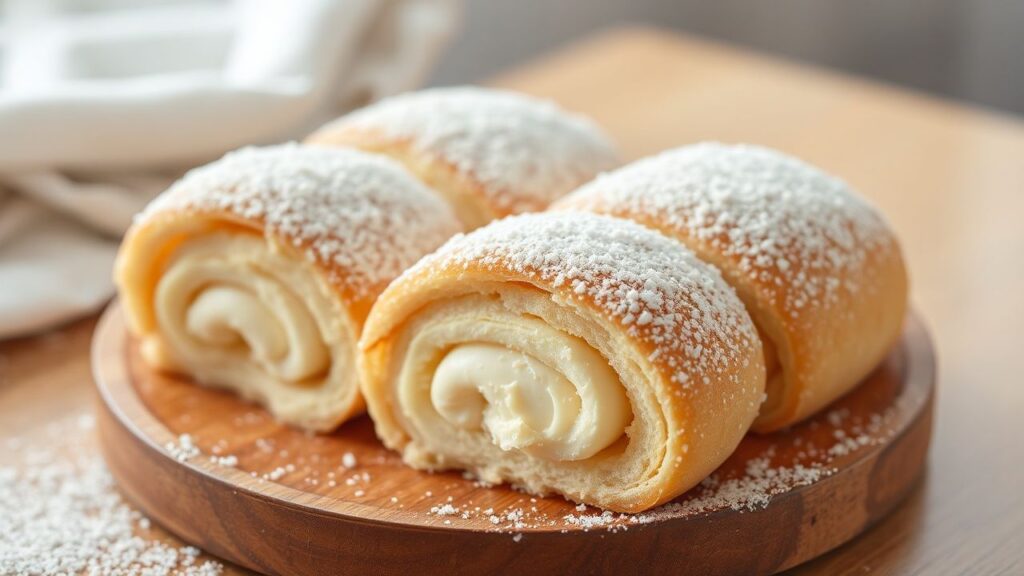
Chef’s notes: Tips for success
These quick checks prevent the most common roll problems: dense dough, runny filling, and uneven bake. Use them as a fast troubleshooting guide.
Then, once your first batch comes out right, you’ll know how your kitchen environment behaves with yeast and dough.
- Dough tips: Whole milk gives richness and a softer crumb. If you substitute milk, choose one that you can warm gently to the same temperature range.
- Filling variations: Add finely chopped berries, orange zest, or cinnamon for different cream profiles. Keep add-ins dry to reduce moisture.
- Handling dough: Avoid adding too much flour. Slight tackiness signals a tender dough, which supports fluffy layers.
- Prevent dryness: Cover dough and rolls during rests. Dry dough skins can reduce expansion.
- Make ahead: Refrigerate shaped rolls overnight, covered. Bake straight from the fridge and adjust rise time as needed.
| Nutrient | Per Roll (approx.) |
|---|---|
| Calories | 310 kcal |
| Protein | 6 g |
| Carbohydrates | 38 g |
| Fat | 14 g |
| Sugar | 15 g |
If you want deeper technical background on baked structure, explore bread basics. Yeast dough and bake conditions connect through the same principles of rise, set, and moisture balance.

Q&A
Here are quick answers to the questions people ask most when making fluffy sweet rolls filled with luscious creamy goodness. Use these to troubleshoot or customize with confidence.
For yeast-related fundamentals, you may find helpful context in active dry yeast.
What makes these sweet rolls so irresistibly fluffy?
The combination of warm milk, active yeast, and enough kneading builds a gluten network that traps gas. Proofing until doubled lets that structure expand before baking.
Gentle handling also matters. If you flatten the dough too much after shaping, the rolls lose spring and feel heavy.
How can I make the creamy filling thick enough to stay in the roll?
Use softened cream cheese and butter, but chill the mixture before spreading. When the filling stays cool, it spreads smoothly and holds its shape.
Also avoid adding very wet ingredients. Extra fruit juice or liquid sweeteners can loosen the filling and cause leaks.
What’s the best way to roll and cut for even baking?
Roll the dough into a uniform rectangle, then spread filling evenly. Even thickness creates consistent bake time across all 12 rolls.
For clean cuts, use a sharp knife or a cutting method that doesn’t compress the dough. You want tight spirals without squashing.
Can I make these rolls ahead of time?
Yes. After shaping and filling, cover the rolls and refrigerate overnight. The next day, bake when they look puffy or follow your dough’s time needs.
Chilled proofing deepens flavor because fermentation continues more slowly.
How should I store and reheat them?
Store cooled rolls tightly wrapped at room temperature for up to 2 days. For longer storage, freeze unglazed rolls and add glaze after reheating.
Reheat covered to keep moisture in. This helps the crumb stay soft and the cream center taste freshly baked.
Insights and Conclusions
Fluffy sweet rolls filled with luscious creamy goodness succeed when you respect three factors: dough strength, proofing time, and filling temperature. Get those right, and your rolls bake up light and tender with a cream center that stays silky.
Once you nail the process, you’ll repeat it confidently. Then you can experiment with flavors like citrus zest, berry bits, or a thicker glaze for extra shine.
Next time you want a bakery-style treat at home, follow the steps in order. Bake a batch, share the first warm roll, and enjoy the soft layers and creamy swirl that make this classic dessert unforgettable.

See also: fluffy sweet rolls