

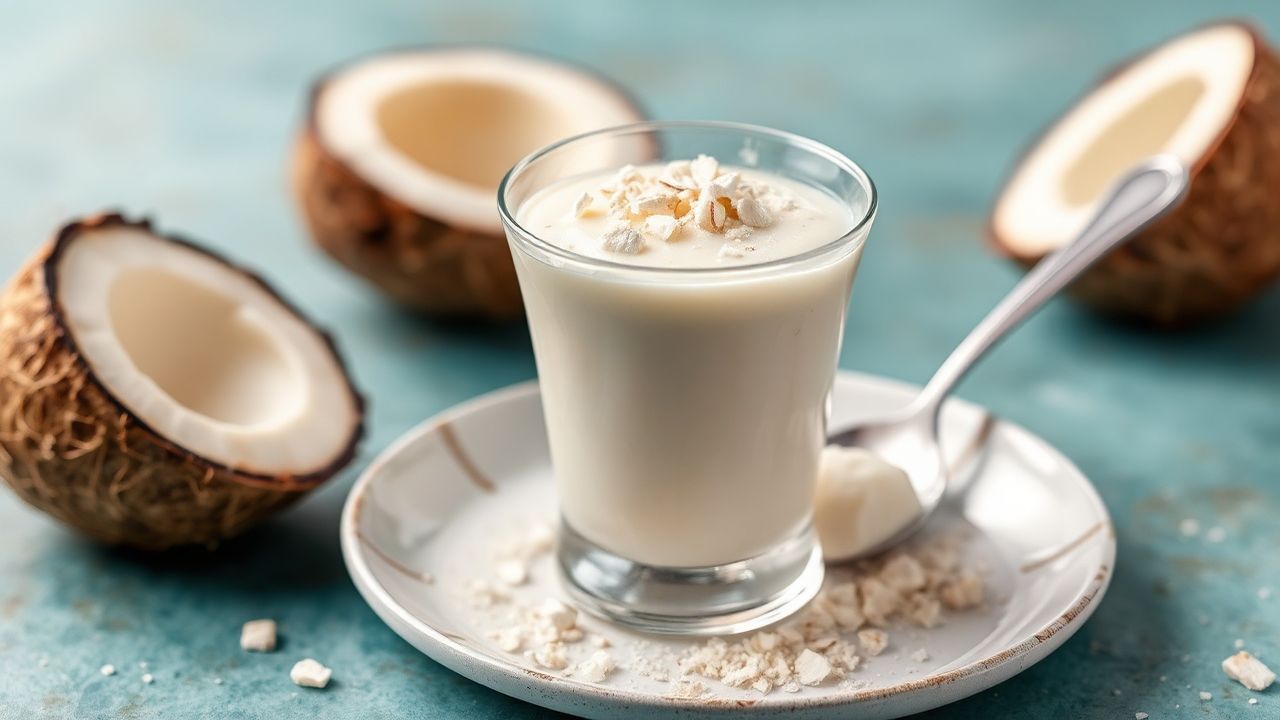
Velvety taro coconut pudding pairs the mild, earthy sweetness of taro with the smooth richness of coconut milk. The result tastes comforting, yet bright and fragrant enough to feel special all year.
- Prep and Cook Time
- Yield and Difficulty Level
- Essential Ingredients for Creamy Taro Coconut Pudding
- Step-by-Step Instructions for a Silky Creamy Texture
- At a Glance: Tips for Success When Crafting Your Taro Coconut Pudding
- Creative Serving Ideas for Taro Coconut Pudding
- Nutritional Data
- Q&A
- What is taro coconut pudding, and why is it so popular?
- How do the flavors of taro and coconut complement each other in this pudding?
- Is taro coconut pudding suitable for vegans or people with dietary restrictions?
- How do I get the best texture—smooth and not runny?
- How should I store taro coconut pudding, and how long does it last?
- Insights and Conclusions
- Silky texture: tapioca pearls help the pudding set with a tender bite.
- Balanced flavor: taro’s natural sweetness blends well with coconut’s richness.
- Make-ahead friendly: chilling improves body, aroma, and overall smoothness.
- Easy control: adjust sugar and coconut cream for your preferred sweetness and thickness.
This dessert shows up across Southeast Asian kitchens in different forms, but the core idea stays the same: cook taro until soft, then simmer it gently in coconut milk for a pudding-like finish. If you love creamy desserts, you’ll enjoy how each spoonful feels thick yet spoonable, not gummy.
Also, taro’s purple color makes the pudding look inviting right in the bowl. For background reading on the ingredient, see taro.
Prep and Cook Time
Set aside about 20 minutes for prep, then plan for 30 minutes of cooking. Most hands-on work stays simple: cube, rinse, simmer, and stir.
Once the pudding cooks, it needs time to cool and thicken in the fridge. If you can, prepare it earlier the same day or the night before for the best texture.
- Readiness: 20 minutes
- Cooking: 30 minutes
- Total Time: 50 minutes (plus chilling)
Yield and Difficulty Level
This recipe makes 4 to 6 servings, depending on how thick you prefer it. It also stores well, so leftovers often taste just as good after a proper chill.
The difficulty stays Medium. You don’t need advanced skills, but you must watch heat levels and stir at key steps to keep the texture smooth.
Tip: Use a wide saucepan when cooking taro. It helps heat spread evenly, so the cubes soften faster.
Essential Ingredients for Creamy Taro Coconut Pudding
Gather ingredients first so cooking moves smoothly. When you measure, keep an eye on coconut milk thickness, since brands vary.
For ingredient science basics, coconut milk comes from coconut milk, which behaves differently from thinner coconut drinks. Full-fat coconut milk gives the pudding its signature body.
- 1 cup fresh taro, peeled and cubed (frozen taro works too)
- 2 cups full-fat coconut milk (for rich flavor and thick texture)
- 1/2 cup granulated sugar (adjust to taste)
- 2 tbsp tapioca pearls (adds chew and thickening)
- 1/4 tsp salt (balances sweetness)
- 1 tsp vanilla extract (optional)
- 2 tbsp coconut cream (extra silkiness at the end)
Optional flavor add-ins can include pandan leaves or toasted coconut, but keep them subtle so taro stays the star. If you want a quick reference on tapioca, browse tapioca.
Step-by-Step Instructions for a Silky Creamy Texture
Work in stages: cook tapioca pearls first, then simmer taro until tender. After that, you combine everything and finish with coconut cream for a smooth, pudding-like mouthfeel.
Because starch thickens as it heats, keep your simmer gentle. A rolling boil can break texture and make the mixture feel grainy.
- Prepare the taro: Peel and cube taro into about 1-inch pieces. Rinse under cold water to remove excess surface starch.
- Cook tapioca pearls: Bring water to a boil in a medium saucepan. Cook tapioca pearls until translucent, usually 10–15 minutes. Stir occasionally to prevent sticking. Drain, rinse with cool water, and set aside.
- Simmer taro: In a separate pot, combine taro cubes with 1 1/2 cups coconut milk and salt. Bring to a gentle boil, then reduce to simmer. Cook until taro turns soft, about 15–20 minutes.
- Mash and season: Mash some taro for creaminess, while leaving a few cubes intact for texture. Stir in sugar and vanilla extract, then taste and adjust sweetness.
- Add tapioca pearls: Fold pearls into the taro mixture gently. Stir slowly so pearls stay intact and distribute evenly.
- Finish with creamy richness: Pour in the remaining 1/2 cup coconut milk and stir in coconut cream. Cook on low heat about 5 more minutes to thicken and blend flavors.
- Cool and rest: Let the pudding cool to room temperature. Refrigerate at least 2 hours, ideally longer, so the starch sets and the flavor develops.
Pay attention to thickness as it cools. The pudding thickens more in the fridge, so aim for “spoonable” rather than “too stiff” while hot.
[WARNING]Pro-Caution: Keep heat gentle after you add coconut milk and especially after pearls go in. High heat can cause separation and uneven texture.
After chilling, stir once before serving. This redistributes pearls and taro particles, creating a smoother spoonful.
At a Glance: Tips for Success When Crafting Your Taro Coconut Pudding
Small choices decide the final texture. For example, the way you rinse taro and the way you simmer the mixture both affect how creamy it feels.
If you want to learn how food texture changes with heating, starch explains why thickening happens. That same principle guides pudding thickness here.
- Rinse taro: reduces excess starch for a smoother pudding.
- Simmer, don’t boil: keeps coconut texture stable.
- Taste before finishing: taro sweetness varies by batch.
- Chill for best set: resting improves both body and flavor.
[TIP]Expert Insight: If your pudding looks thick right after cooking, transfer it to a shallow container before chilling. Thin layers cool more evenly, so the pudding sets without forming a tight top film.
Creative Serving Ideas for Taro Coconut Pudding
Serve this pudding chilled for the classic creamy experience. Use clear glass cups so you can see the lilac hue with tapioca pearls.
For garnish, keep flavors light and fresh. A small spoonful of coconut whipped cream adds a soft aroma, while mint adds a cool contrast without overpowering taro.
You can also pair it with fruit. Tropical fruit flavors work well because coconut already carries a gentle sweetness. If you want a quick reference on lychee’s botanical background, see lychee.
If you prefer a warm-style dessert, reheat gently over the lowest heat and stir often. Then top with toasted coconut or crushed nuts for added crunch.
Serving ideas: chilled in cups, warm with a drizzle of syrup, or as a dessert component alongside sticky rice and fruit salad.

Nutritional Data
Nutritional values depend on your exact taro size, coconut brand, and portion size. The table below provides an estimate per serving.
For general reference on how plant-based carbs contribute to total nutrition, you can review carbohydrates and how they affect calorie counts.
| Nutrient | Per Serving (approx.) |
|---|---|
| Calories | 180 kcal |
| Protein | 2 g |
| Carbohydrates | 28 g |
| Fat | 7 g |
If you want more dessert inspiration, match this pudding with other coconut-forward sweets or tapioca desserts. For ingredient background on coconut-based products, you can also read coconut.
Q&A
Here are the most common questions people ask when making taro coconut pudding at home. Use these answers to avoid texture problems and improve flavor balance.
If you want a quick concept check on what makes puddings set, it links back to pudding as a category—thickeners and gentle heat matter.
What is taro coconut pudding, and why is it so popular?
Taro coconut pudding combines the earthy sweetness of taro root with creamy coconut milk. Many people love it because the texture feels smooth and rich, while the taro flavor stays mild and comforting.
How do the flavors of taro and coconut complement each other in this pudding?
Taro adds a subtle, starchy sweetness with a gentle nutty note. Coconut milk adds fat-based creaminess and a mild tropical aroma, so the two flavors blend into a balanced dessert rather than competing.
Is taro coconut pudding suitable for vegans or people with dietary restrictions?
Yes, this version can fit vegan needs because the main ingredients come from taro, coconut milk, tapioca pearls, and plant-based flavorings. Always check labels for your coconut milk brand and any added flavor ingredients.
How do I get the best texture—smooth and not runny?
Cook taro until fully tender, then mash part of it. Also, simmer gently and chill long enough. The pudding thickens as starch and tapioca set, so don’t judge texture until after refrigeration.
How should I store taro coconut pudding, and how long does it last?
Store it in an airtight container in the refrigerator. It typically tastes best within 2 to 3 days because the texture gradually changes as it rests.
Before serving, stir well and let it sit at cool room temperature for a few minutes so it becomes easier to spoon.
Insights and Conclusions
Taro coconut pudding offers a simple route to a dessert that feels both traditional and luxurious. When you cook taro until soft and finish with coconut cream, the pudding delivers that signature silky spoonful every time.
Serve it chilled for a cool, comforting bite, or warm it gently for a softer mouthfeel. Either way, the combination of taro’s earthy sweetness and coconut’s rich creaminess creates a satisfying dessert you’ll want to make again.
See also: taro coconut