
Strawberry Sauce Perfection: Make Sundae-Ready Sauce in 25 Minutes
There’s something magical about strawberry sauce that turns a basic sundae into a rich, glossy dessert. A well-made sauce adds bright fruit flavor, balances sweetness with tart notes, and clings to every scoop for clean, satisfying bites. Sweet, vibrant, and full of berry character, strawberry sauce is the heart of the sundae experience.
- Why Strawberry Sauce Works So Well on Sundaes
- Prep & Time, Yield, and Difficulty
- Ingredients for Classic Sundae-Ready Strawberry Sauce
- Instructions: How to Make Strawberry Sauce Step by Step
- 💡 Expert Insight Expert Insight: Get the Best Texture for Drizzling
- ⚠️ Pro-Caution Pro-Caution: Don’t Rush the Thickening Step
- Optional Variations: Chunky Compote vs. Smooth Glaze
- Chef’s Notes: Troubleshooting and Make-Ahead Tips
- Serving Suggestions for Sundaes
- Nutritional Details (Approx.)
- FAQ: Strawberry Sauce Perfection for Sundaes
At a Glance
- Cook time: about 15 minutes for a thick, pourable finish.
- Texture control: cornstarch (or arrowroot) thickens without dulling flavor.
- Flavor balance: lemon juice sharpens and helps the color stay lively.
- Serve smarter: drizzle warm-slightly for the best melt and coverage.
In this guide, you’ll learn how to craft strawberry sauce that behaves like a pro-made drizzle. You’ll master a simple method for macerating berries, cooking them down for body, and thickening to a sheen that looks as good as it tastes. Whether you want a chunky compote or a smooth glaze, you can adjust the steps fast and reliably.
Why Strawberry Sauce Works So Well on Sundaes
Fresh strawberry sauce hits two goals at once: it delivers fruit intensity and it cuts through the fat of ice cream. That contrast makes vanilla taste more vivid, and it keeps chocolate sundaes from feeling heavy. When the sauce is thick enough, it forms a thin, flavorful layer instead of pooling and sliding off.
Strawberries bring natural sugars and acids that support a balanced flavor profile. Lemon juice boosts that “sweet-tart” effect and helps the sauce taste brighter after cooling. If you want deeper background on fruit flavor chemistry, see Strawberry and Fruit for helpful basics.
Prep & Time, Yield, and Difficulty
This recipe fits busy schedules and still delivers restaurant-style results. You’ll start with a quick maceration step, cook until the fruit softens, then thicken for a glossy drizzle. The sauce also holds up well for short storage.
Readiness: 10 minutes
Cooking: 15 minutes
Total: 25 minutes
Yield: about 1 ½ cups (6 generous sundae servings)
Difficulty: Easy for all skill levels.
Ingredients for Classic Sundae-Ready Strawberry Sauce
You only need a handful of ingredients, but each one affects texture or taste. Choose ripe berries for the best flavor, and measure sugar and thickener carefully so the sauce stays pourable. If you like experimenting, you can swap thickener and adjust fruit shape without changing the core method.
Here’s the ingredient list you’ll use for smooth, glossy strawberry sauce:
- 2 cups fresh strawberries, hulled and halved
- ½ cup granulated sugar
- 1 tablespoon freshly squeezed lemon juice
- 1 teaspoon vanilla extract
- 2 teaspoons cornstarch mixed with 2 tablespoons cold water
- Pinch of salt
Instructions: How to Make Strawberry Sauce Step by Step
Follow the steps in order for consistent results. First, you macerate berries to create a fragrant syrup. Then you simmer just long enough to soften the fruit and concentrate flavor.
Finally, you thicken with a slurry so the sauce stays smooth instead of starchy. If you want general guidance on thickening starches, review cornstarch for a quick refresher on how starch behaves with heat.
- Selecting your strawberries: Pick ripe berries with a deep red color and firm texture. Skip any with white tips or bruised spots to avoid sour, watery notes.
- Combine and macerate: Add strawberries and sugar to a medium saucepan. Let them sit at room temperature for 10 minutes so sugar draws out juices and forms a light syrup.
- Cook the berries: Set the pan over medium heat and stir occasionally. Cook for about 7–8 minutes until the fruit softens and the mixture looks glossy and thicker.
- Add lemon and vanilla: Stir in lemon juice and vanilla. Lemon sharpens flavor, while vanilla rounds out the berry aroma.
- Thicken the sauce: Stir the cornstarch mixture again, then pour it into the saucepan. Continue cooking 2–3 minutes, stirring constantly, until the sauce turns glossy and coats a spoon.
- Cool and adjust: Remove from heat and taste. Add a touch more lemon if you want sharper tang, or add a small pinch of sugar if you prefer a sweeter finish. Let cool slightly before serving or storing.
💡 Expert Insight
Expert Insight: Get the Best Texture for Drizzling
[TIP]Expert Insight: For a spoonable sundae swirl, stop cooking the moment the sauce coats the back of a spoon. If it looks too thin at first, keep in mind it thickens slightly as it cools.
[TIP]Expert Insight: For a spoonable sundae swirl, stop cooking the moment the sauce coats the back of a spoon. If it looks too thin at first, keep in mind it thickens slightly as it cools.
For reference on how fruit pectin and natural compounds can shift texture during cooking, you may find pectin useful. Your results will still come mainly from the cornstarch timing, but this helps you understand why simmering changes mouthfeel.
⚠️ Pro-Caution
Pro-Caution: Don’t Rush the Thickening Step
[WARNING]Pro-Caution: Add the cornstarch slurry only after the fruit softens. If you thicken too early, you can trap fruit pieces and end up with a gummy texture rather than a smooth drizzle.
[WARNING]Pro-Caution: Add the cornstarch slurry only after the fruit softens. If you thicken too early, you can trap fruit pieces and end up with a gummy texture rather than a smooth drizzle.
Also, keep heat at a steady simmer. Rapid boiling can break the texture and can make the sauce taste more “cooked” than fresh. If your kitchen runs hot, lower the burner and stir more often.
Optional Variations: Chunky Compote vs. Smooth Glaze
You control texture with two simple choices: how long you simmer and whether you blend. For a chunky strawberry sauce, leave the fruit pieces intact and simmer until they soften but still hold shape. For a smooth glaze, mash berries with a spoon and cook a minute longer.
If you want a silky finish, blend the cooked sauce and then warm it again for serving. After blending, you can also strain for extra smoothness. For background on how fine emulsions and textures can change in food processing, emulsions offers a helpful conceptual overview.
Chef’s Notes: Troubleshooting and Make-Ahead Tips
Even simple recipes improve with a few high-impact checks. If your berries vary in sweetness, adjust with lemon first and sugar last so you keep flavor balanced. If your sauce looks thin, simmer briefly; if it looks thick, thin with a small amount of warm water.
Here are practical notes you can use every time you make strawberry sauce:
- Use the ripest berries you can find for stronger flavor and better color.
- Choose fresh lemon juice for brighter acidity and cleaner taste.
- If the sauce thickens too much in the fridge, warm it gently and stir.
- Swap cornstarch for arrowroot for a clear, glossy finish (use the same slurry method).
- Store in a sealed jar in the refrigerator for up to 5 days.
For long-term storage, freeze in small portions so thawing takes less time. If you’d like more general storage safety guidance, check food storage for foundational principles.
Serving Suggestions for Sundaes
This is where your work turns into a memorable dessert. Spoon strawberry sauce over vanilla ice cream for classic flavor harmony. For chocolate lovers, drizzle over rich chocolate ice cream to add a fresh berry contrast.
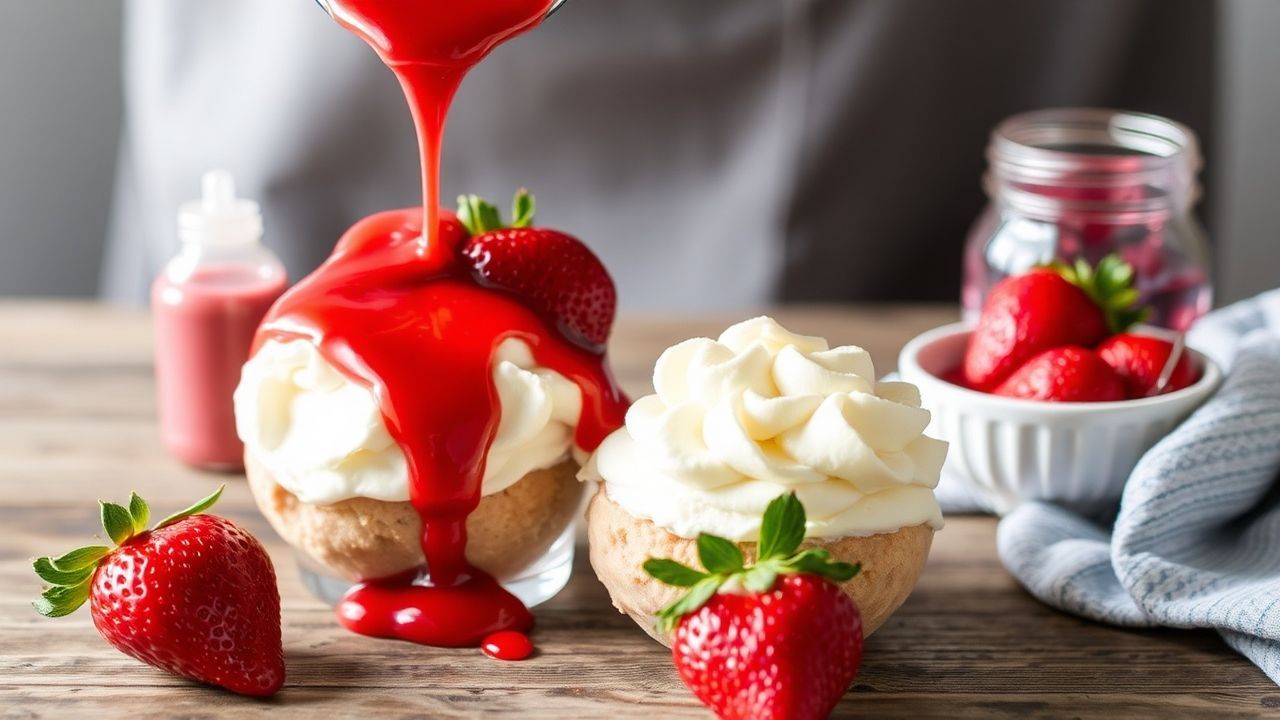
For a layered sundae, build in this order: ice cream, sauce, then toppings like whipped cream or crushed nuts. Garnish with a whole strawberry half for a clean visual and a pop of fresh aroma. You can also serve the sauce over pancakes, waffles, or cheesecake for a quick breakfast-to-dessert upgrade.
Nutritional Details (Approx.)
The values below are estimates per serving. Actual numbers vary with berry sweetness, sugar level, and how much sauce you use per sundae. Treat this as a guide, not a strict medical measure.
| Nutrient | Per Serving (approx.) |
|---|---|
| Calories | 60 |
| Protein | 1g |
| Carbohydrates | 15g |
| Fat | 0g |
FAQ: Strawberry Sauce Perfection for Sundaes
Below are quick answers to the most common questions. If you want the best results, focus on cooking time and stirring during thickening. Then taste and adjust with lemon for brightness.
What makes strawberry sauce essential for sundaes?
It adds real fruit flavor and a sweet-tart balance that makes ice cream taste more vibrant. A thick sauce also clings to each scoop, so you get flavor in every bite.
Can I use fresh, frozen, or both strawberries?
Yes. Fresh berries deliver bright flavor, while frozen berries work year-round. If you use frozen, thaw first and drain excess liquid so the sauce thickens properly.
How do I get the perfect consistency for strawberry sauce?
Cook until the mixture softens, then thicken with a cornstarch slurry and stir constantly. Stop when it coats a spoon and looks glossy, then cool slightly before serving.
Do I need to strain strawberry sauce for a smooth finish?
No. Leave it as-is for a rustic compote texture. If you want a silky glaze, blend and strain through a fine sieve.
How long can I store homemade strawberry sauce?
Store it in a sealed container in the refrigerator for up to 5 days. Warm it gently before serving so it returns to a smooth, pourable texture.
Enjoy crafting your perfect strawberry sauce—sweet, bright, and built for unforgettable sundaes. With a few small technique choices, you’ll get a drizzle that tastes homemade and looks professionally finished.
For broader fruit preparation ideas, explore preserve techniques and sugar background to understand how sweetness and concentration affect cooking.
See also: strawberry sauce