
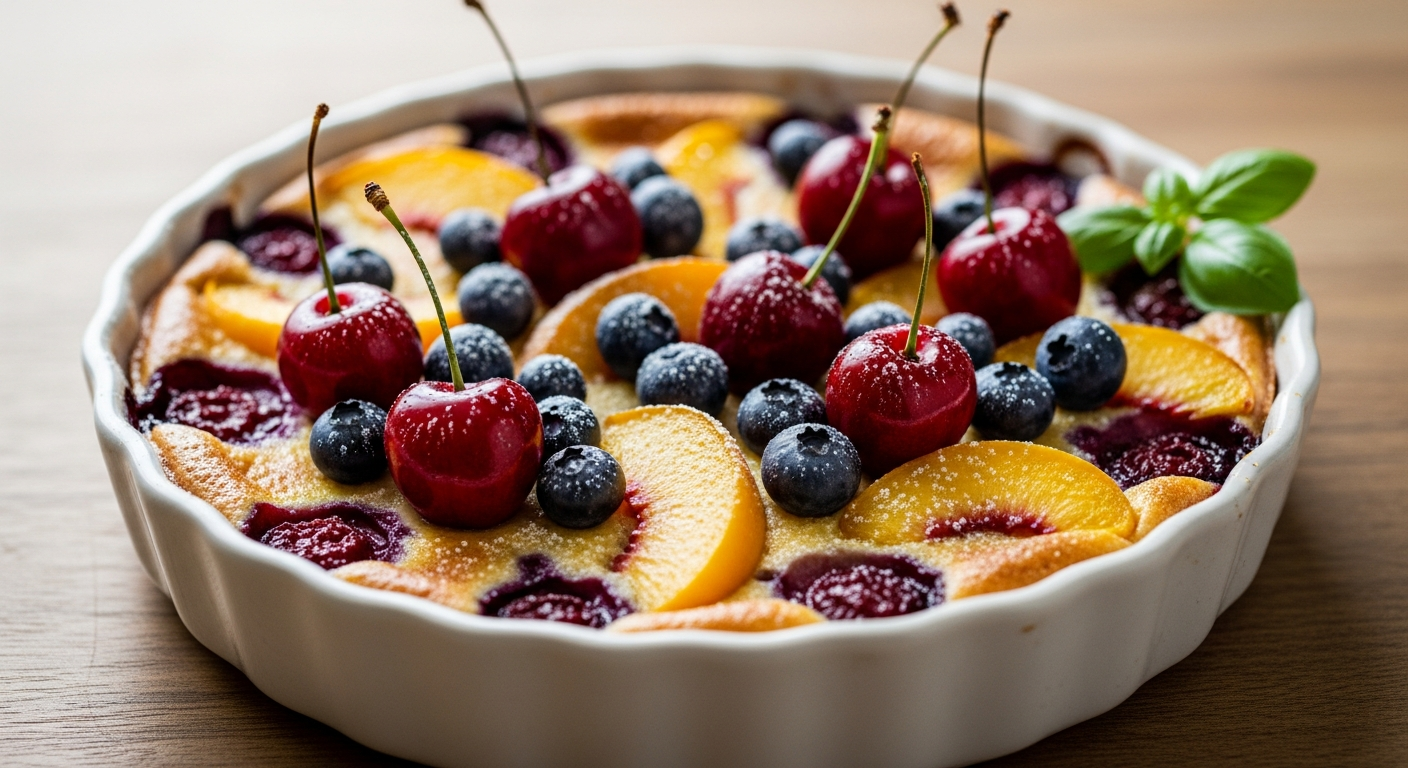
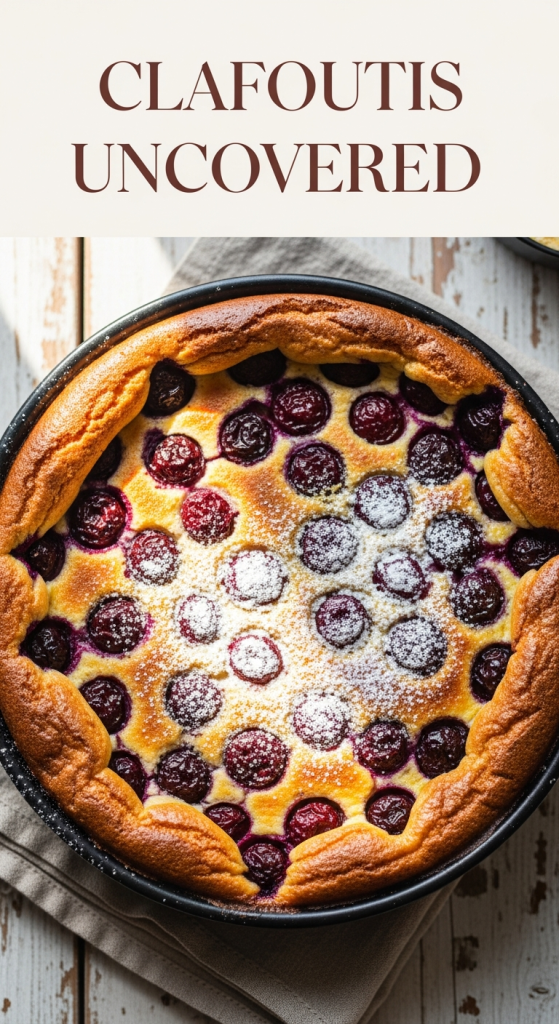
Nestled between the realms of rustic charm and refined French patisserie, clafoutis emerges as a beguiling dance of fruit and custard-a harmonious marriage that delights both the eye and the palate. Often overshadowed by flashier desserts, this baked cherry custard holds within its delicate, golden crust a story of tradition, technique, and timeless flavor. In “Clafoutis uncovered: The Art of Baked Cherry Custard,” we peel back the layers of this classic dish to reveal the secrets behind its silky texture, the subtle interplay of sweet and tart, and the artistry that transforms simple ingredients into an unforgettable experiance. Whether you’re a seasoned baker or a curious newcomer, step inside the world of clafoutis, where every bite tells a story.
- Origins and Evolution of Clafoutis in French Cuisine
- Selecting the Perfect Cherries and Ingredients for Authentic Flavor
- Mastering the Ideal Batter Consistency for Fluffy Custard Texture
- Baking Techniques and Serving Suggestions to Elevate Your Clafoutis Experience
- Prep and Cook time
- Yield
- Difficulty Level
- Ingredients
- Instructions
- Tips for Success
- Serving Suggestions
- Q&A
- The way Forward
Origins and Evolution of Clafoutis in French Cuisine
clafoutis Uncovered: The Art of Baked Cherry Custard begins with a journey through time, revealing its roots in the rustic kitchens of the limousin region in France.This deceptively simple yet elegant dessert evolved from humble beginnings where local farmers would bake freshly picked cherries under a smooth, egg-enriched batter. Traditionally, whole cherries were used, pits and all, lending the dish a subtle almond note from the stones themselves-a signature hallmark of authentic clafoutis. Over centuries, clafoutis has transcended its regional origins, embraced by chefs and home cooks worldwide who delight in its custardy texture and tart-sweet cherry contrast.
The beauty of this dish lies not only in its rich heritage but in how the recipe has been lovingly adapted to suit modern kitchens, offering endless variations while preserving its quintessential charm.
Selecting the Perfect Cherries and Ingredients for Authentic Flavor
Achieving the true magic of clafoutis starts with the quality of cherries. Opt for ripe, fresh black cherries such as Burlat or Rainier if you prefer a blush tone, ensuring they are firm, juicy, and bursting with natural sweetness balanced by a refreshing tartness. Avoid overly soft or mealy fruit, as this will compromise the texture. If cherries are out of season, frozen unsweetened cherries work well when properly thawed and drained.
Key ingredients like farm-fresh eggs, full-fat milk or cream, unbleached all-purpose flour, and a touch of pure vanilla extract create the ideal batter base that supports but does not overpower the delicate cherry flavors. Using organic sugar or a mix of caster sugar and powdered sugar helps the batter brown perfectly, adding subtle caramel notes.
Mastering the Ideal Batter Consistency for Fluffy Custard Texture
One of the most crucial techniques in crafting this baked cherry custard is to achieve the right batter consistency. The batter shoudl resemble a thin pancake batter, flowing easily but not watery. This balance ensures the baked clafoutis develops a light, fluffy custard interior with a slight wobble, rather than becoming dense or cake-like.
To get there, slowly whisk the eggs and sugar until pale and airy, then gently sift and fold in the flour to avoid lumps. Gradually incorporate the milk and cream, whisking steadily to form a smooth blend. The batter benefits from resting at room temperature for 15-20 minutes to allow the flour to hydrate fully, leading to a tender, silky crumb once baked.
Baking Techniques and Serving Suggestions to Elevate Your Clafoutis Experience
Prepare your baking dish by generously buttering it and dusting with granulated sugar-a subtle trick that creates a crisp, caramelized crust. Pour the batter over evenly spaced cherries, then bake in a preheated oven at 180°C (350°F) until the custard puffs up softly and takes on a golden hue, about 35-40 minutes.
Resist opening the oven too early to prevent the delicate custard from collapsing. The finished clafoutis should wobble slightly in the center when gently shaken and have a fragrant,toasted aroma.
Serve warm or at room temperature, dusted lightly with powdered sugar or accompanied by a dollop of crème fraîche or lightly whipped vanilla cream. For a seasonal twist,garnish with fresh mint leaves or a sprinkle of toasted almond slivers,which introduce delightful textural contrast.
Prep and Cook time
- Prep: 20 minutes
- Rest Batter: 15 minutes
- Cook: 35-40 minutes
Yield
Serves 6-8 elegantly sized portions
Difficulty Level
Medium – Perfect for home chefs ready to refine their baking skills
Ingredients
- 1 ½ cups fresh black cherries, pitted (or frozen, thawed and drained)
- 3 large eggs, at room temperature
- ¾ cup granulated sugar, plus extra for dusting
- 1 cup unbleached all-purpose flour, sifted
- 1 ¼ cups whole milk (or half-and-half for richer custard)
- ½ cup heavy cream (optional, for added silkiness)
- 2 teaspoons pure vanilla extract
- Pinch of fine sea salt
- Unsalted butter for greasing the dish
Instructions
- Preheat your oven to 180°C (350°F). Generously butter a 9-inch round or oval baking dish and sprinkle granulated sugar over the bottom and sides, tapping out excess. This step ensures a beautifully caramelized crust.
- Prepare the batter: In a large bowl, whisk together the eggs and sugar vigorously until pale, creamy, and slightly voluminous (about 3 minutes). This aeration is crucial for the light texture.
- Sift the flour and salt over the egg mixture. gently fold with a spatula or whisk until just combined and smooth-avoid overmixing to keep the custard tender.
- Gradually pour in the milk and cream, stirring continuously to produce a silky batter without lumps. Fold in the vanilla extract last.
- Rest the batter at room temperature for 15-20 minutes. This step allows the flour to fully absorb liquid and the mixture to thicken slightly.
- Arrange the cherries evenly over the bottom of the sugar-coated baking dish. Pour the rested batter gently over the fruit, ensuring cherries are distributed throughout.
- Bake for 35-40 minutes in the center of the oven. the clafoutis should rise slightly and become golden but still wobble in the middle when gently shaken.
- Cool for 10 minutes before serving to allow custard to set further. Serve warm or at room temperature, sprinkled with powdered sugar or a small scoop of softly whipped cream.
Tips for Success
- For an authentic cherry flavor, pit the cherries if preferred, but leaving the stones imparts a subtle almond essence unique to classic recipes.
- If your batter appears too thick,add a tablespoon of milk gradually until it flows easily but isn’t runny.
- Use a glass or ceramic baking dish to retain gentle, even heat; this promotes a creamy custard rather than a dry bake.
- Make in advance: clafoutis can be baked the day before and gently reheated at 150°C (300°F) for 10 minutes.
- For a gluten-free twist, substitute the flour with fine almond flour or a 1:1 gluten-free blend, but reduce batter rest time slightly.
Serving Suggestions
Present this elegant clafoutis on a rustic wooden board or delicate porcelain plate to emphasize its French countryside charm. Garnish with a light dusting of powdered sugar sifted through a fine mesh. Fresh mint or lemon balm sprigs add radiant color and herbal fragrance. For extra indulgence, offer a side of softly whipped crème fraîche or vanilla bean ice cream, which melts luxuriously into the warm custard. pair with a fragrant black tea or a mild espresso to round out your experience.
| Nutrient | Per Serving |
|---|---|
| Calories | 210 kcal |
| Protein | 6 g |
| Carbohydrates | 33 g |
| Fat | 6 g |
For more tips on perfecting classic French desserts, explore our article on Mastering French Desserts at Home. To deepen your understanding of European culinary history, visit Encyclopaedia Britannica’s clafoutis entry.
Q&A
Q&A: Clafoutis Uncovered – The Art of Baked Cherry Custard
Q1: What exactly is clafoutis?
A: Clafoutis is a rustic French dessert that beautifully marries the juiciness of fresh fruit with a tender, flan-like batter. Traditionally, it features cherries nestled in a creamy, baked custard that is somewhere between a pancake and a pudding, resulting in a dish that is both comforting and elegant.
Q2: Where does clafoutis originate from?
A: This charming dessert hails from the Limousin region of France. Historically, it was a humble farmer’s treat, born from the need to use up seasonal fruit in a simple, homey way. Over time, clafoutis has captured the hearts of food lovers worldwide.
Q3: Why are cherries the star fruit in clafoutis?
A: Cherries offer the perfect balance of sweetness and tartness that complements the rich, eggy custard.Their firm flesh holds up well to baking, releasing juices that infuse the batter with subtle bursts of flavor and a vibrant color.
Q4: Can other fruits be used in clafoutis?
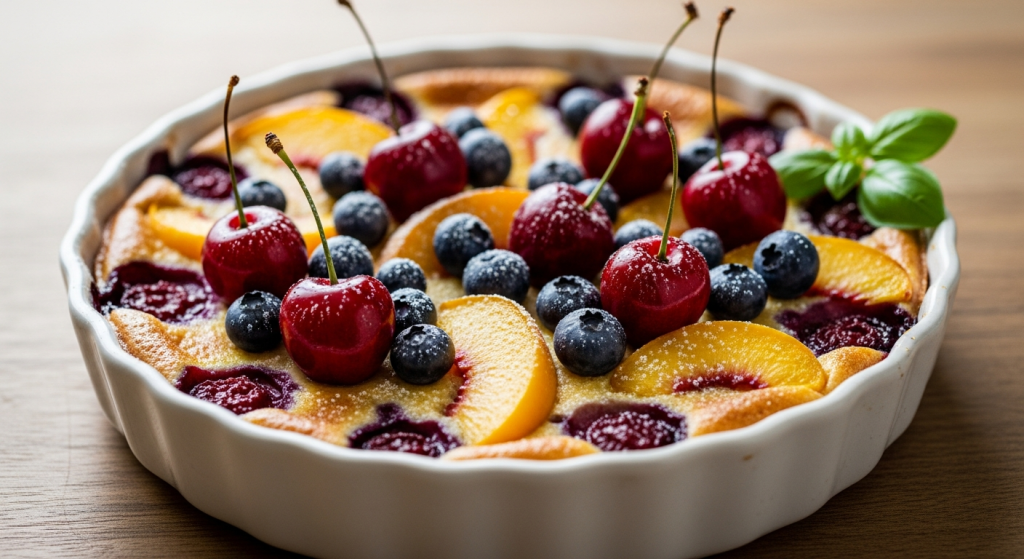
A: Absolutely! While cherries reign supreme, ripe plums, blueberries, peaches, or even figs can make delightful variations.The key is to choose fruits that hold their shape during baking and bring a juicy freshness to the custard canvas.
Q5: What makes the batter of clafoutis unique compared to other baked custards or cakes?
A: The batter is a delicate blend of eggs, flour, sugar, milk, and sometiems cream, creating a light, waffle-like texture. Unlike dense cakes or firm custards, clafoutis achieves a pillowy softness with a slightly golden crust, balancing melt-in-your-mouth creaminess with a tender bite.
Q6: Are the cherry pits typically removed before baking?
A: Traditionally, whole cherries with pits are used, as the pits are said to release an almond-like aroma during baking, enhancing the flavor. Though, many prefer to pit cherries for ease and safety, especially when serving children. Both methods lovingly preserve the essence of clafoutis.
Q7: How is clafoutis best served?
A: Clafoutis is a versatile delight enjoyed warm or at room temperature. A dusting of powdered sugar adds a gentle sweetness and visual allure. It pairs wonderfully with a dollop of whipped cream or a scoop of vanilla ice cream to elevate its creamy richness.
Q8: What are some tips for perfecting the texture of clafoutis?
A: To nail that signature custard texture, keep these in mind: whisk the batter until smooth but avoid overmixing to prevent toughness; bake at moderate heat – around 350°F (175°C) – until just set with a slight jiggle; and let it cool slightly so the custard firms without becoming rubbery.
Q9: Is clafoutis a dessert for beginners or more advanced bakers?
A: Clafoutis is wonderfully approachable for bakers of all levels. Its straightforward ingredients and forgiving technique make it ideal for experimenting with fruit and flavors, while still delivering a elegant taste and presentation.
Q10: How can one add a creative twist to traditional clafoutis?
A: Consider infusing the batter with vanilla bean, almond extract, or citrus zest for aromatic depth. Experiment with different fruit combinations or add a sprinkle of toasted nuts for a textural contrast. The beauty of clafoutis lies in its simplicity,ripe for personal touches that celebrate seasonal bounty.
The way Forward
As the final notes of our journey through clafoutis fade, what remains is more than just a recipe-it is an invitation to partake in a timeless dance of flavor and tradition. this humble baked cherry custard, with its golden crust and tender, fruity heart, epitomizes the art of transforming simple ingredients into a culinary experience that bridges generations. Whether enjoyed fresh from the oven, dusted with powdered sugar, or paired with a dollop of cream, clafoutis is a testament to the elegance that arises when technique meets seasonal bounty.
So next time cherries beckon from the market, remember: beneath their glossy skin lies the potential for a dessert that’s as much about history and craft as it is indeed about taste. Embrace the art of clafoutis, and let your kitchen become a stage where tradition and flavor rise together in perfect harmony.