

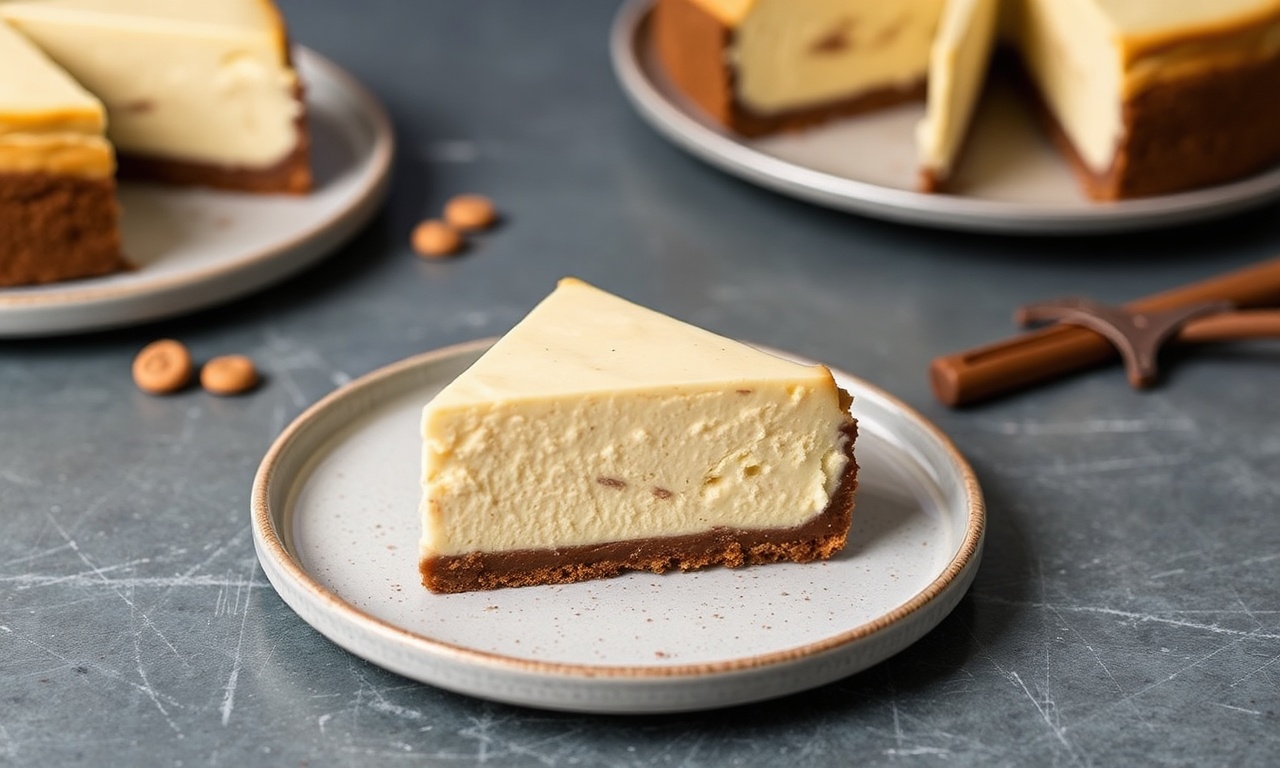
Ther’s a special kind of magic that happens when creamy cheesecake meets the rich, spiced sweetness of Biscoff cookie butter. The flavor stays warm and familiar, thanks to cinnamon and caramel-like notes from the iconic European biscuits. This Biscoff Cookie Butter Cheesecake gives you that dessert-comfort feeling with a distinctly spiced twist.
- Indulgent Biscoff Cookie Butter Cheesecake Overview
- Prep and Cook Time
- Yield and Difficulty Level
- Ingredients for Biscoff Cookie Butter Cheesecake
- Instructions: How to Make Biscoff Cookie Butter Cheesecake
- Tips for Success (Crack-Free Results and Better Texture)
- Serving Suggestions for Biscoff Cookie Butter Cheesecake
- Nutrition Snapshot (Per Slice)
- Q&A: Biscoff Cookie Butter Cheesecake
- What makes the Biscoff Cookie Butter Cheesecake so indulgently special?
- How is the Biscoff crust different from a classic graham cracker crust?
- Can this cheesecake be made ahead of time?
- What toppings pair best with Biscoff cookie butter?
- How do I get a smooth, crack-free top?
- Closing Remarks: Enjoy the Sweet Delight
At a Glance
- Texture: silky filling with a buttery, spiced cookie crust.
- Flavor: cinnamon-caramel warmth from Biscoff cookie butter.
- Key method: gentle mixing and slow cooling to reduce cracks.
- Make-ahead: best after 6–24 hours of chilling.
Welcome to the world of an indulgent Biscoff Cookie Butter Cheesecake, where velvety smoothness blends with caramelized biscuit character. Each slice delivers a layered taste: crust crunch, creamy center, then lingering spiced sweetness. Whether you bake often or you’re learning, you can create a restaurant-style cheesecake at home with steady steps and precise chilling.
In the next sections, you’ll get a tested ingredient list, clear instructions, and practical success tips. You’ll also find serving ideas that highlight the cheesecake’s flavor without overpowering it. Finally, the Q&A covers common questions like cracking, water baths, and substitutions.
Indulgent Biscoff Cookie Butter Cheesecake Overview
Indulgent Biscoff Cookie Butter Cheesecake pairs rich, caramelized spice notes with a luxuriously creamy bite. The base starts with Biscoff cookies, which are known for warm cinnamon and brown sugar tones. Then the cheesecake filling gets its signature flavor from Biscoff cookie butter—a smooth spread made from spiced baked cookies.
Cheesecake works because cream cheese provides a soft, fat-rich structure, while eggs add set during baking. This recipe balances those roles so the cheesecake sets cleanly and stays creamy. If you want deeper background on cheesecake structure, see cheesecake on Wikipedia for a quick overview of how it typically firms up.
Prep and Cook Time
Plan your schedule before you start. Most of the time comes from chilling, not active baking. That chilling stage helps the filling fully set and improves slice-clean results.
- Readiness Time: 25 minutes
- Baking Time: 50–55 minutes
- Cooling & Chilling: At least 6 hours (overnight works best)
Yield and Difficulty Level
This recipe yields about 12 generous slices. It also works well for parties because it holds its shape after proper chilling.
Difficulty Level: Medium. You’ll benefit from careful mixing and slow cooling, but the steps stay straightforward. If you’ve baked cookies and measured ingredients before, you can handle this with confidence.
Ingredients for Biscoff Cookie Butter Cheesecake
Use room-temperature dairy for the smoothest batter. Cold cream cheese can trap lumps that you can’t easily fix later. Then measure your ingredients so the cheesecake sets with the right balance of fat, sugar, and egg proteins.
For a background on why eggs help baked custards set, read egg on Wikipedia. That helps you understand what happens during baking and cooling.
For the Crust
- 2 cups Biscoff cookie crumbs (about 25 cookies), finely crushed
- 5 tbsp unsalted butter, melted
- 2 tbsp light brown sugar
For the Cheesecake Filling
- 24 oz (675 g) cream cheese, softened to room temperature
- 1 cup Biscoff cookie butter, smooth and creamy
- 1 cup granulated sugar
- 3 large eggs, room temperature
- 2/3 cup heavy cream
- 2 tsp pure vanilla extract
- 1 tbsp lemon juice, freshly squeezed
- 1/4 tsp fine sea salt
Optional Toppings
- Whipped cream
- Whole Biscoff cookies
- A drizzle of caramel sauce
- Toasted pecans or chopped hazelnuts
Instructions: How to Make Biscoff Cookie Butter Cheesecake
Follow each step in order. When you keep timing and temperature steady, the batter bakes evenly. After baking, you’ll cool gradually to protect the surface.
Cheesecake cracks usually happen from rapid temperature change or over-aeration. For an ingredient-by-ingredient guide to baking chemistry, protein on Wikipedia helps explain why batter texture shifts with heat and mixing.
- Prepare the crust: Preheat your oven to 350°F (175°C). In a bowl, mix Biscoff cookie crumbs, melted butter, and brown sugar. Stir until the crumbs look evenly coated and hold together when pressed.
- Press and pre-bake: Press the mixture firmly into the bottom of a 9-inch springform pan. Bake for 10 minutes, then cool while you prepare the filling.
- Make the filling: Beat softened cream cheese on medium speed until smooth, about 2–3 minutes. Stop and scrape the bowl to remove any hidden lumps.
- Add Biscoff cookie butter and granulated sugar, then beat just until fully combined. Scrape again so the batter stays uniform.
- Add eggs carefully: Add eggs one at a time. Beat briefly after each addition, just until incorporated.
- Mix in heavy cream, vanilla extract, lemon juice, and salt on low speed. Mix until the batter looks silky and glossy, with no streaks.
- Assemble: Pour filling over the pre-baked crust. Tap the pan gently on the counter to release trapped air bubbles.
- Bake: Bake for 50–55 minutes. The edges should look set, and the center should still jiggle slightly when gently shaken.
- Cool gradually: Turn off the oven. Leave the cheesecake inside with the door slightly ajar for 1 hour. This slows the cooling rate and helps prevent surface cracking.
- Chill: Run a thin knife around the edges to loosen. Refrigerate for at least 6 hours, or overnight for the best texture.
- Serve: Release the rim. Top with whipped cream, Biscoff cookies, caramel drizzle, or toasted nuts for contrast.
Next, focus on the chilling stage. During refrigeration, the filling firms as fats and proteins stabilize. The result tastes richer, and slices cut more cleanly.
Tips for Success (Crack-Free Results and Better Texture)
These steps target the most common issues: lumps, cracks, and grainy texture. Use them to keep your cheesecake creamy and smooth from first slice to last.
For more on how heat affects food structure, you can reference baking on Wikipedia. It provides useful general context for why consistent heat matters across baked goods.
- Bring cream cheese and eggs to room temperature for a smooth batter.
- Beat cream cheese first, then add cookie butter and sugar. Scrape the bowl often.
- Mix eggs gently. Medium speed can be fine early, but stop once incorporated.
- For extra protection, bake in a water bath. Wrap the pan well so water can’t leak into the springform.
- Make ahead: bake one day early and chill overnight. Flavors blend and texture improves.
- If you need a dairy twist, use full-fat coconut cream as a substitute, but expect a slightly different flavor and set.
Serving Suggestions for Biscoff Cookie Butter Cheesecake
Serving is where your cheesecake becomes a showpiece. Start with clean plating so the thick slice sits tall and shows off the layers. Then add toppings that match the spiced profile.
The best toppings echo caramel and cinnamon without turning the dessert into a sauce-only dish. Balance sweetness with texture and a little brightness. If you want topping pairing ideas, you can also review caramel on Wikipedia for flavor notes that commonly work well with spiced desserts.
Lay down a base of crushed Biscoff crumbs on each plate for crunch. Lightly dust with cinnamon for aroma. Add a slice of cheesecake and then pipe or spoon whipped cream for a soft contrast to the dense filling.
Garnish with mini Biscoff cookies and a delicate drizzle of salted caramel sauce. Toasted pecans or chopped hazelnuts add crunch and complement the cookie butter’s warm spices. Finish with a small sprinkle of flaky salt if you like a stronger salted-caramel effect.
For an elegant contrast, serve alongside fresh berry compote or thin apple slices. The acidity from berries helps the cheesecake taste less heavy. This pairing also adds color that makes photos pop.
Nutrition Snapshot (Per Slice)
Nutrition can shift based on brands of cookie butter, butter fat level, and portion size. Use the table below as a practical estimate for planning.
If you want to manage calories for portioning, measure slices consistently. A 12-slice cut keeps servings predictable for guests.
| Nutrition (Per Slice) | Amount |
|---|---|
| Calories | 390 kcal |
| Protein | 7 g |
| Carbohydrates | 35 g |
| Fat | 25 g |
Q&A: Biscoff Cookie Butter Cheesecake
What makes the Biscoff Cookie Butter Cheesecake so indulgently special?
The indulgence comes from the blend of creamy cheesecake and the warm, spiced caramel flavor of Biscoff cookie butter. That spread adds cinnamon and brown-sugar-like depth, so the cheesecake tastes cozy and rich. The cookie crust reinforces the spiced flavor with crunch.
How is the Biscoff crust different from a classic graham cracker crust?
A classic graham crust relies on sweet crumbs and butter for structure. This version uses crushed Biscoff cookies, which bring a spiced, caramel-like character. You get both flavor and texture in one step.
Can this cheesecake be made ahead of time?
Yes. Bake it a day or two ahead and refrigerate it tightly covered. Chilling time helps the filling set and improves smoothness, so slices cut cleanly and taste richer. For best results, remove from the fridge about 15–20 minutes before serving.
What toppings pair best with Biscoff cookie butter?
Whipped cream works well because it balances richness. Add a drizzle of caramel sauce, plus whole or crushed Biscoff cookies for repeated texture. For a brighter finish, pair with berries or a light drizzle of lemony sauce.
How do I get a smooth, crack-free top?
Use room-temperature ingredients, mix gently, and avoid over-aerating the batter. Cool the cheesecake slowly by leaving it in the turned-off oven with the door ajar for 1 hour. If you want extra protection, bake with a water bath to keep heat even.
Closing Remarks: Enjoy the Sweet Delight
In desserts, the balance of comfort and contrast matters. This Biscoff Cookie Butter Cheesecake nails that balance with a spiced cookie flavor, a creamy set, and crisp crust edges. Each bite feels rich without tasting flat.
Serve it at a gathering, bring it to a potluck, or keep it for an indulgent dessert moment at home. When you follow the mixing, baking, and chilling steps, you create a cheesecake that looks impressive and tastes even better. That’s why this sweet delight earns repeat requests.
See also: Biscoff Cookie Butter