
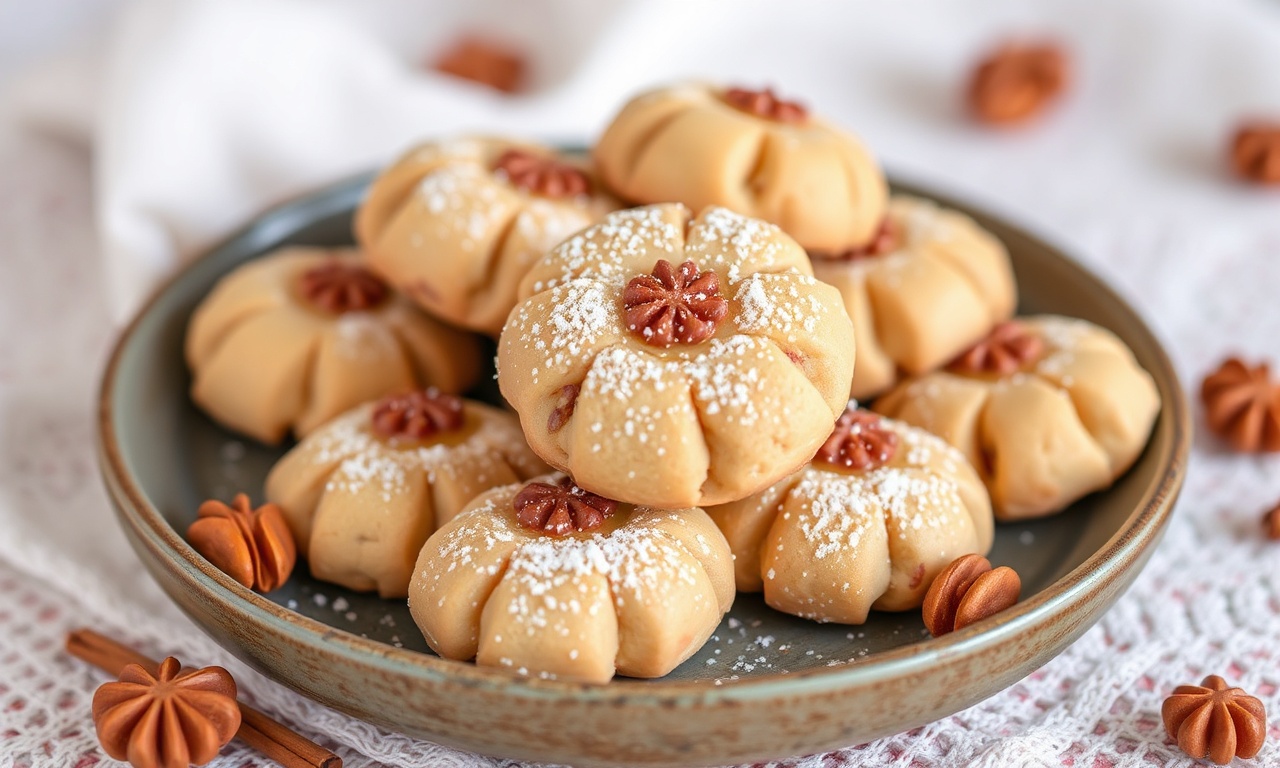
Melomakarona Magic brings classic Greek holiday flavor to your table with a tender, crumbly bite, warm spices, and a glossy honey syrup soak. These spiced honey and walnut cookies taste like winter nostalgia: cinnamon, clove, orange zest, and toasted nuts all in one tray.
- Exploring the Rich History Behind Melomakarona
- Why the spice blend matters
- Prep and Cook Time
- Yield
- Difficulty Level
- Ingredients
- For the dough
- For the syrup
- For the walnut topping
- Instructions
- Tips for Success
- Serving Suggestions
- Q&A
- Q1: What are melomakarona, and why are they so cherished?
- Q2: What spices give melomakarona their signature flavor?
- Q3: How does the honey syrup contribute to melomakarona’s unique texture?
- Q4: Can melomakarona be made in advance? How should they be stored?
- Q5: Are melomakarona suitable for all dietary preferences?
- In Retrospect
At a Glance
- Key flavor: honey syrup with cinnamon and cloves.
- Key texture: baked dough then soaked briefly, not soggy.
- Key topping: chopped walnuts mixed with cinnamon.
- Best timing: rest 6–24 hours for peak moisture.
In the Greek tradition of winter desserts, melomakarona earn their place for a reason. They balance sweetness and spice, then use soaking to create that signature, melt-in-the-mouth feel. If you want cookies that hold up during a holiday spread and still taste fresh the next day, this recipe fits the job.
Exploring the Rich History Behind Melomakarona
Melomakarona are rooted in Greek seasonal baking, where honey, spices, and nuts show up during colder months. Honey has long been used to sweeten and preserve flavors, and it remains a central ingredient in many Mediterranean dessert traditions. For background on honey’s cultural and culinary role, see honey.
Walnuts also carry symbolic weight in many regions, since nuts represent richness and harvest abundance. In Greek sweets, walnuts add crunch and depth, especially when paired with warm spice notes like cinnamon and clove. If you want the spice context, check cinnamon for how the flavor profile builds when heated.
Why the spice blend matters
Melomakarona rely on spice more than many other cookie styles. Cinnamon and clove create a warm, fragrant base, while orange zest brings brightness so the honey doesn’t taste flat. This trio also explains why the cookies smell so inviting right from the oven.
When you bloom spices in the dough and then simmer them in the syrup, you lock in aroma. Heating spices helps release their volatile compounds, which you can think of as the “smell” of the ingredient. That’s one reason this recipe uses both spice stages—inside the dough and in the honey soak.
Prep and Cook Time
- Readiness: 30 minutes
- Cooking: 20 minutes
- Soaking (syrup): 10 minutes
- Total Time: about 1 hour
These timings work well for home ovens and typical cookie batch sizes. You bake first, then soak briefly, then top while warm so the walnut mixture sticks. Plan a short rest time after glazing for the best slice-free texture.
Yield
Approximately 30 medium-sized cookies, depending on how large you shape each oval. If you prefer smaller cookies, your yield may rise. If you prefer larger ones, expect fewer but thicker cookies.
Consistent sizing helps every cookie soak evenly. Aim for walnut-sized dough portions and keep the thickness similar across the tray. That small step improves both texture and presentation.
Difficulty Level
Medium—ideal for home cooks who enjoy technique and want dependable results. The dough comes together with a forgiving mix method, but the soaking step needs timing. With attention, you can nail the signature honey glaze without over-softening.
Most difficulty comes from rhythm: bake, make syrup, dip, then top. Once you repeat that sequence once or twice, the rest of the batch moves fast. You don’t need special equipment beyond a saucepan and baking trays.
Ingredients
Use ingredients at room temperature when possible. Room-temperature components mix more smoothly, which makes shaping easier and helps the dough bake evenly. If your olive oil is very cold, let it sit briefly before mixing.
Also note that honey quality matters. Look for honey that tastes floral or lightly herbal, since that character carries through the syrup. For a quick reference on honey types, you can review honey varieties.
For the dough
- 3 cups all-purpose flour, sifted
- 1 cup fine semolina
- ¾ cup extra virgin olive oil
- ½ cup fresh orange juice
- ⅓ cup granulated sugar
- 1 tbsp baking powder
- 2 tsp ground cinnamon
- 1 tsp ground cloves
- 1 tsp freshly grated orange zest
For the syrup
- 2 cups water
- 2 cups honey
- 1 cup granulated sugar
- 1 cinnamon stick
- 2–3 whole cloves
For the walnut topping
- 1 ½ cups walnuts, finely chopped
- 1 tbsp ground cinnamon
For walnuts, finely chopped pieces distribute crunch and flavor across every bite. If you want extra aroma, toast the walnuts briefly before chopping. For more on walnuts in general, see walnut.
Instructions
Follow the order carefully. Baking first sets the cookie structure, and then the syrup soak adds moisture and shine. If you swap steps or soak too long, the cookie can turn heavy instead of tender.
Set up your workstation before you start. Place shaped cookies on parchment, preheat the oven, and keep a wire rack nearby for draining. That layout cuts waiting time and keeps the syrup warm.
- Prepare the dough: In a large bowl, whisk sifted flour, semolina, baking powder, cinnamon, cloves, and orange zest. Add olive oil, orange juice, and sugar. Stir until you form a soft dough that holds together. If it feels too loose, add a few tablespoons flour; if it feels too dry, add a splash of juice.
- Shape the cookies: Divide dough into walnut-sized portions. Shape each into an oval or tear-drop shape, about 2–3 inches long. Arrange on parchment-lined trays with space for slight spread.
- Bake to golden perfection: Preheat oven to 350°F (175°C). Bake for about 20 minutes, until golden brown and firm to the touch. Overbaking can reduce the soft, syrup-friendly crumb.
- Prepare the honey syrup: While cookies bake, combine water, honey, sugar, cinnamon stick, and cloves in a saucepan. Bring to a gentle boil, then simmer for 10 minutes. Remove cinnamon stick and cloves. Keep syrup warm, not rolling.
- Soak the cookies: Dip each warm cookie into warm syrup for about 10 seconds. Lift and place on a wire rack to drain excess. Keep the dip brief to prevent a soggy interior.
- Finish with walnut topping: While cookies stay slightly sticky, sprinkle cinnamon-spiced chopped walnuts over each one. Press lightly so walnuts adhere.
- Rest and serve: Let cookies cool fully so syrup settles. For best texture, rest covered at room temperature for 6–24 hours.
Pro-Caution: Do not dip cookies for too long. If the soak lasts past your target, the surface can collapse and the cookie may lose its signature bite. The goal is short absorption, not a full “submerge and steam” effect.
After dipping, drainage matters. A wire rack gives airflow so excess syrup drips away. That step protects the crust and keeps topping crisp.
Now for the technique that makes your batch look bakery-fresh.
When you move cookies from tray to syrup, keep the timing consistent. If one tray’s cookies sit too long before dipping, you may see uneven soak depth. Work in small waves to keep temperature and texture aligned.
Tips for Success
These small adjustments help you nail flavor, moisture, and crunch. Taste is not only about ingredients—it’s also about how you handle heat and timing. Use these tips as quick checks while you bake.
Start with fresh orange zest and juice. Citrus brightens honey and spices, and it also cuts through sweetness for a cleaner finish. If you have only bottled juice, add extra zest for a stronger aroma.
- Use fresh orange juice and zest to lift the honey aroma.
- Choose high-quality extra virgin olive oil for a smoother, rounded flavor.
- Soak cookies while warm and syrup stays warm, not boiling.
- Finely chop walnuts for even topping coverage.
- Make ahead: rest 6–24 hours for best moisture distribution.
- For a nut-free texture, replace walnuts with toasted sesame seeds (use the same cinnamon mix).
Olive oil plays a bigger role than many people expect. In this dough, it helps keep the crumb tender and supports a pleasant mouthfeel. For general olive oil context, see olive oil.
Serving Suggestions
Serve melomakarona at room temperature for the best balance of soft crumb and crisp walnut topping. Arrange them on a platter with a rustic look, then add a light sprinkle of cinnamon for visual warmth. Add a few whole walnuts to highlight the topping texture.
Pair these cookies with hot tea to enhance spice notes. Mountain tea, black tea, or spiced herbal blends complement cinnamon and clove well. For more on traditional tea culture, you can read tea.
If you host, place cookies in small batches during the first hour. Guests often snack right away, and fresh-plated cookies look better. Offer napkins and a small tray for easy pickup.
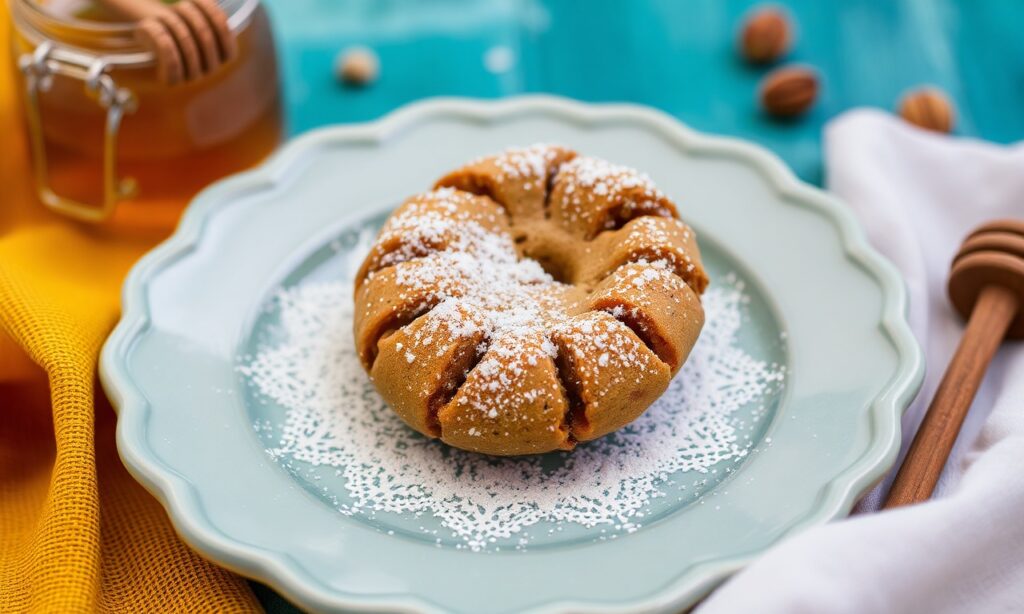
| Nutritional Facts (per cookie) | Amount |
|---|---|
| Calories | 150 kcal |
| Protein | 3 g |
| Carbohydrates | 20 g |
| Fat | 7 g |
For more Greek dessert variety, match flavors across a holiday table. If your menu already includes nut butter cookies or honeyed pastries, melomakarona add spice-and-syrup depth. Keep spacing consistent so the platter stays balanced.
If you want an authoritative look at Greek dessert history and ingredients, use reliable references like Greek cuisine. Then compare how honey, nuts, and spices appear across seasonal sweets.
Q&A
Q1: What are melomakarona, and why are they so cherished?
Melomakarona are traditional Greek cookies known for their spiced dough, honey syrup soak, and walnut topping. They feel special because the syrup process changes the cookie’s texture, creating a tender crumb and a shiny finish that holds up during holiday servings.
Q2: What spices give melomakarona their signature flavor?
Cinnamon and cloves drive most of the signature warmth. Orange zest adds a fresh, aromatic lift that keeps the honey from tasting one-note. When you use spices in both the dough and the syrup, the aroma stays consistent from first bite to finish.
Q3: How does the honey syrup contribute to melomakarona’s unique texture?
The syrup soaks into the baked dough quickly during a brief dip. That short contact adds moisture without collapsing the structure, so each cookie stays tender while still holding its shape. After resting, the flavors distribute more evenly.
Q4: Can melomakarona be made in advance? How should they be stored?
Yes. Many bakers rest these cookies for 6–24 hours so the syrup settles and the topping stays fragrant. Store them in an airtight container at room temperature, and layer with parchment to reduce sticking.
Q5: Are melomakarona suitable for all dietary preferences?
They typically contain wheat flour, so they are not naturally gluten-free. They can be made dairy-free when using olive oil in the dough, but honey-based syrup means they are not vegan in the classic form. For non-dairy and non-honey needs, you would need a recipe adaptation.
In Retrospect
Melomakarona Magic turns pantry ingredients into a holiday cookie with real character. You shape the dough, bake until golden, dip briefly in warm honey syrup, and finish with cinnamon walnuts for crunch.
Let the cookies rest, and you get the best part: that soft, syrup-kissed bite paired with spice aroma and nutty topping. This is the kind of dessert that earns repeat baking because it tastes even better the next day.
See also: Melomakarona Magic