
There’s a certain magic in the simplicity of authentic Italian cuisine-where a handful of humble ingredients unite to create flavors that sing. Spaghetti Carbonara is one such masterpiece: a timeless Roman classic that’s rich, silky, and deeply satisfying, yet requires no heavy cream or complex techniques. if you’ve ever wondered how to achieve that perfect balance of creamy texture, smoky pancetta, and sharp pecorino cheese without straying from tradition, you’re in the right place. In this guide, we’ll unravel the secrets behind a foolproof, no-cream Carbonara recipe that honors its roots while elevating your pasta game to new heights. Get ready to master the art of true Italian comfort on a plate.
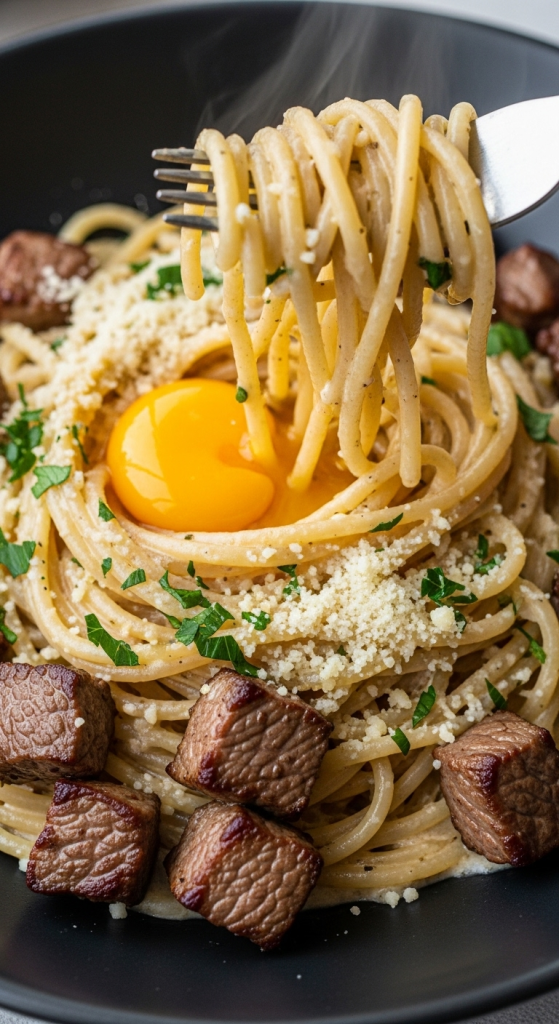
Master Authentic Spaghetti Carbonara blends tradition and technique to create a velvety, rich pasta without a drop of cream or pork-based products. Achieving the perfect balance starts with selecting high-quality, plant-based ingredients that honor the dish’s essence while catering to diverse palates. This guide breaks down the essentials-from ingredient choices to culinary techniques-enabling you to craft a luscious carbonara sauce with a silky texture and crisply golden mushroom beef as an extraordinary alternative to pancetta. Let’s delve into the secrets that elevate this classic Italian favorite into a memorable,foolproof meal.
Prep and Cook Time
- Planning: 10 minutes
- Cooking: 15 minutes
- Total Time: 25 minutes
Yield
Serves 4 generous portions
Difficulty Level
Medium – perfect for home cooks looking to master a classic Italian technique without fuss.
Ingredients
- 400g (14 oz) dried spaghetti, preferably durum wheat semolina
- 150g (5 oz) shiitake or portobello mushrooms, thinly sliced to mimic beef texture
- 3 large free-range eggs
- 1 cup finely grated Pecorino Romano cheese, plus extra for garnish
- 2 cloves garlic, peeled and lightly crushed
- 2 tbsp extra-virgin olive oil
- Freshly cracked black pepper, to taste
- Salt, for pasta water
- Optional garnish: finely chopped fresh flat-leaf parsley
Instructions
- Prepare the mushroom beef : Heat the olive oil over medium heat in a large skillet. Add the crushed garlic and sauté just until fragrant,about 1 minute.
- Discard the garlic and add the sliced mushrooms, spreading them out in a single layer.Cook without stirring for 3-4 minutes until the undersides start to crisp and turn golden brown.
- Flip the mushrooms and continue cooking for another 3-4 minutes until deeply browned and crisp. Sprinkle lightly with salt and freshly cracked black pepper. remove from heat and set aside.
- Cook the pasta: Bring a large pot of salted water to boil. Add the spaghetti and cook until al dente,usually 1-2 minutes less than package instructions.
- Reserve about 1 cup of pasta cooking water before draining. Drain spaghetti and promptly transfer it to a large mixing bowl.
- Prepare the sauce: in a separate bowl, whisk together the eggs, Pecorino Romano, and a generous amount of black pepper until smooth and creamy.
- Bring it all together: While the pasta is still hot, slowly pour the egg and cheese mixture over the spaghetti. Toss vigorously to coat, adding reserved pasta water a little at a time until the sauce achieves a silky, glossy texture. The residual heat cooks the eggs gently, avoiding scrambling.
- Fold in the crisp mushroom beef , reserving a few pieces for garnish.
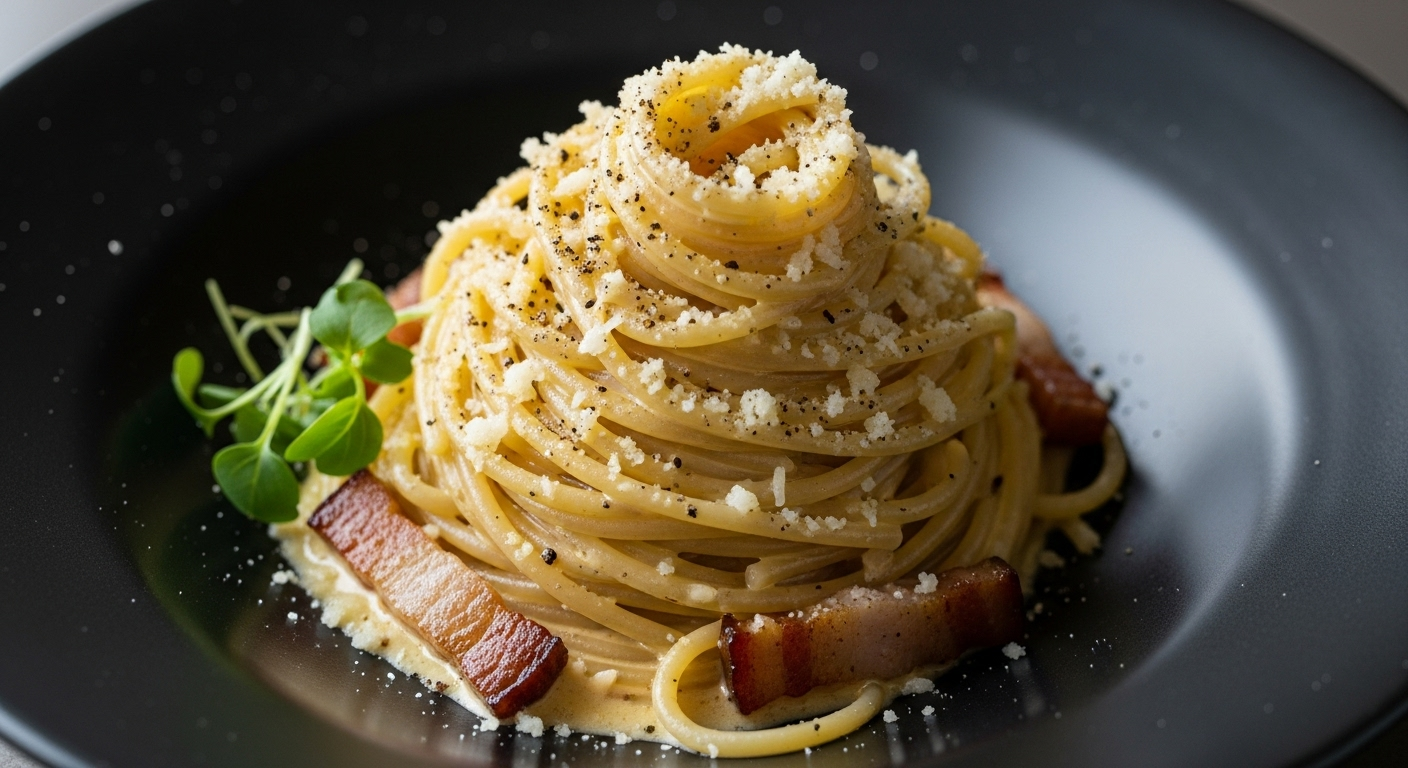
- Serve immediately: Divide pasta among warm plates and top with remaining mushroom beef , extra Pecorino, a twist of fresh black pepper, and optional parsley for vibrant color.
Tips for Success
- Choosing Your Mushroom beef : Opt for meaty mushrooms like shiitake or portobello that caramelize beautifully, delivering smoky, umami notes reminiscent of traditional pancetta without pork.
- Eggs and Temperature Control: Use room-temperature eggs and add the sauce off direct heat to prevent curdling. Stir briskly and add pasta water gradually to create that signature creamy texture.
- Pasta Water Magic: Starchy pasta water is the secret emulsifier for carbonara sauce. Keep some reserved for adjusting consistency-too dry and the sauce won’t coat evenly.
- Cheese Choice: Traditional Pecorino Romano offers the signature salty tang. For a milder touch, blend half Pecorino with parmigiano-Reggiano.
- Make-Ahead Tips: Prepare mushroom beef a day ahead and store airtight. Reheat gently before mixing into fresh pasta to maintain crispness.
- Substitutions: Nutritional yeast can replace cheese for a vegan-kind twist; use aquafaba or silken tofu whisked with black salt (kala namak) to mimic eggs, though results differ from classic technique.
Serving Suggestions and Authentic Variations to Elevate Your Dish
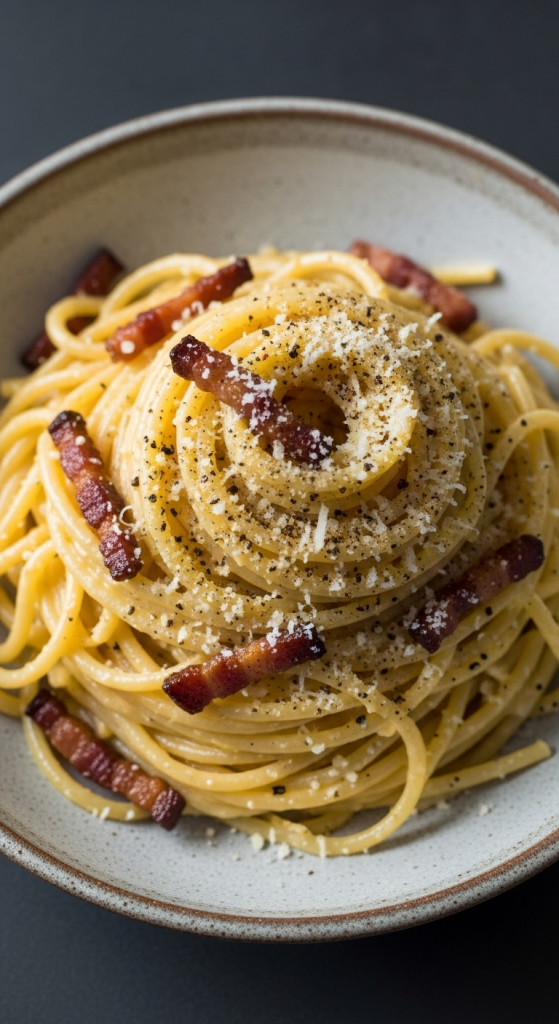
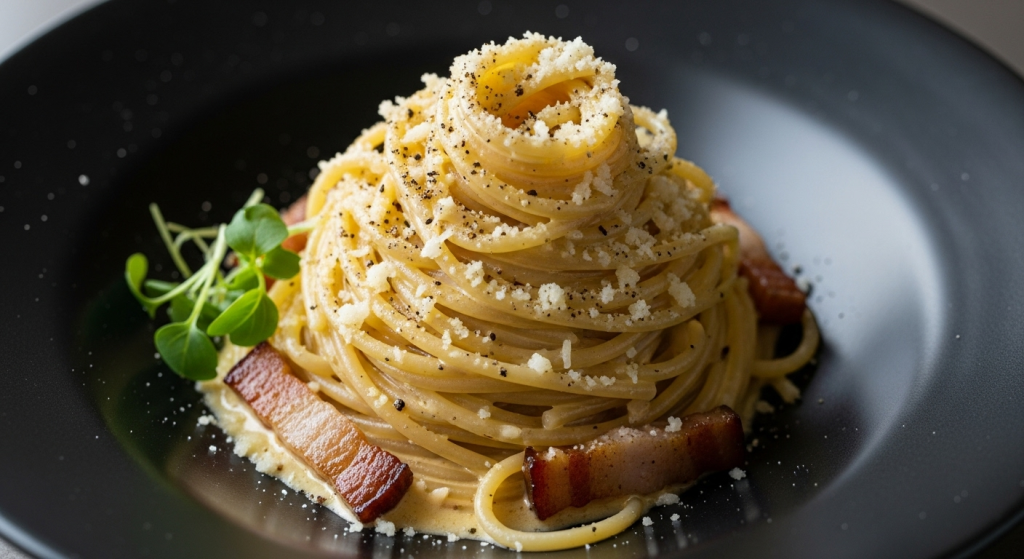
Present your carbonara on warm plates to keep each bite luscious and inviting. A sprinkle of freshly cracked black pepper atop gleaming pasta creates visual drama and layers of flavor. Garnish with chopped parsley for color and a hint of freshness.
To elevate, experiment with adding roasted garlic or a light drizzle of truffle oil post-plating for an earthy opulence. For a twist on tradition without compromising authenticity, swap spaghetti for bucatini or rigatoni, whose hollow tubes capture the creamy sauce beautifully.
| Nutrient | Per Serving |
|---|---|
| Calories | 480 kcal |
| Protein | 20 g |
| Carbohydrates | 65 g |
| Fat | 14 g |
For more plant-based Italian cooking inspiration, check out our collection of vegan Italian classics. To deepen your understanding of classic carbonara techniques, consult en/magazine/eataly-stories/how-to-make-carbonara/” target=”blank” rel=”nofollow noopener noreferrer”>Eataly’s expert guide.
Q&A
Q&A: master Authentic Spaghetti Carbonara – Foolproof no-Cream Recipe
Q1: What makes an authentic spaghetti carbonara different from other creamy pasta dishes?
A1: The magic of authentic carbonara lies in its simplicity and purity. Unlike cream-based sauces, traditional carbonara achieves its creamy texture through a delicate emulsion of eggs, finely grated cheese, and starchy pasta water. This blend creates a silky coating without adding any cream or dairy substitutes-just pure, unadulterated flavor.
Q2: If the recipe doesn’t use cream, how do you get that rich, velvety sauce?
A2: The secret is in timing and technique. Hot pasta, freshly whisked eggs, and grated cheese are combined off the heat with a splash of reserved pasta water. The gentle heat from the pasta cooks the eggs just enough to turn them into a luscious sauce, while the pasta water helps emulsify everything into a smooth consistency. No cream needed!
Q3: Classic carbonara frequently enough features cured meats. what can I use instead for a delightful version without those ingredients?
A3: For a vegetarian or neutral take, consider sautéing mushrooms or smoked paprika-seasoned vegetables like diced zucchini or eggplant. these add umami and a savory depth without overpowering the dish.Toasted nuts like pine nuts can also provide a subtle crunch and richness, enhancing the overall flavor.
Q4: How important is it to use fresh eggs and high-quality cheese in this dish?
A4: Extremely important! Fresh, high-quality eggs form the heart of the sauce, creating its silky texture and rich flavor. Similarly,authentic carbonara traditionally relies on Pecorino Romano or Parmesan cheese,freshly grated for maximum flavor and meltability. Using good ingredients elevates this simple dish from everyday to extraordinary.
Q5: Can I prepare spaghetti carbonara in advance or should it be served immediately?
A5: carbonara is best enjoyed fresh from the pan, while the sauce is still warm and creamy. If made in advance, the sauce can separate and the texture becomes less appealing. Though, if you must prepare ahead, consider cooking the pasta and keeping eggs and cheese separate until reheating, then combining just before serving for the best results.
Q6: What pasta shape works best for carbonara, and why is spaghetti a classic choice?
A6: Spaghetti is ideal because its long strands capture the silky sauce evenly, balancing each bite perfectly. The smooth surface and moderate thickness allow the egg and cheese emulsion to cling without overwhelming the palate. While you can experiment with bucatini, linguine, or fettuccine, spaghetti remains the quintessential match.
Q7: How can I prevent the eggs from scrambling when making the sauce?
A7: Patience and temperature control are key.Remove the pan from direct heat before adding the egg and cheese mixture. Stir vigorously as you add reserved pasta water slowly, allowing the residual heat to gently cook the eggs without turning them into scrambled bits. Using a wide pan for even heat distribution also helps.
Q8: Is it necessary to reserve pasta water, and what role does it play in this recipe?
A8: Absolutely! Pasta water contains starch released from the pasta, acting as a natural thickener and glue for the sauce. When added gradually to the egg and cheese mixture, it loosens it up and helps create a glossy, cohesive coating that clings to each strand of spaghetti beautifully.
Q9: can I customize this recipe with herbs or spices without compromising authenticity?
A9: While traditional carbonara doesn’t include herbs or spices beyond freshly cracked black pepper, you can add subtle enhancements to suit your palate. A pinch of freshly ground white pepper or a sprinkle of finely chopped fresh parsley can brighten the dish without overshadowing its classic simplicity.
Q10: What are common mistakes to avoid when making spaghetti carbonara?
A10: The main pitfalls to avoid are adding eggs directly to a hot pan (which causes scrambling),skipping the pasta water (leading to a dry or clumpy sauce),and overcooking the pasta. Also,resist the temptation to add cream or extra liquids-the beauty of carbonara lies in its restraint and balance.
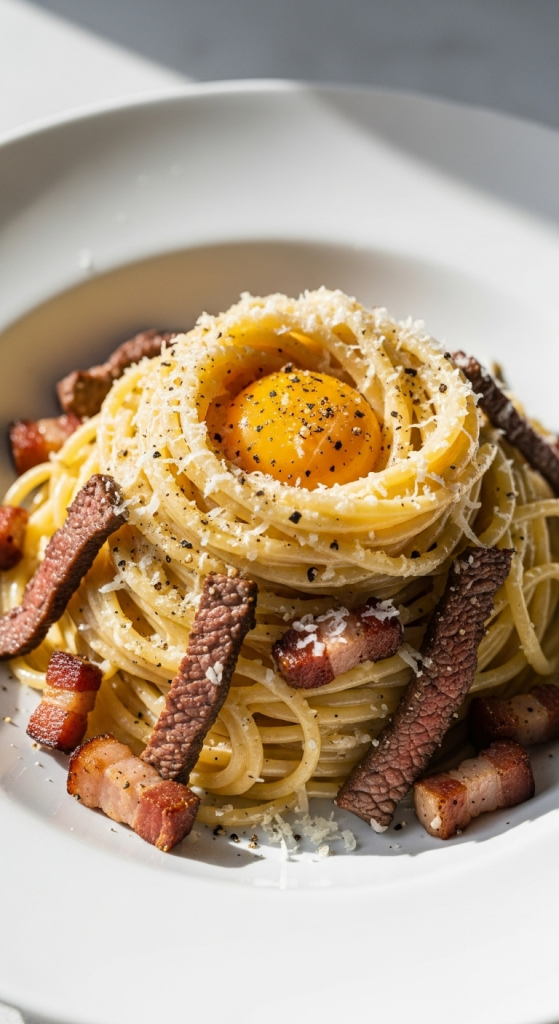
Mastering authentic spaghetti carbonara is about honoring tradition while embracing technique. With fresh ingredients, careful timing, and a few kitchen secrets, you can create a gloriously creamy, irresistibly savory pasta dish-without a drop of cream or anything unnecessary!
The Conclusion
And there you have it-a foolproof guide to mastering authentic spaghetti carbonara, where simplicity meets savory perfection without a drop of cream. Embracing the traditional technique not only honors the dish’s Roman roots but also lets the true flavors of pecorino, guanciale, and egg shine through.
So next time you crave comfort food that feels both elegant and effortless, trust in this no-cream recipe to deliver a creamy, dreamy plate of carbonara that’s sure to impress friends and satisfy your own culinary soul. Buon appetito!