

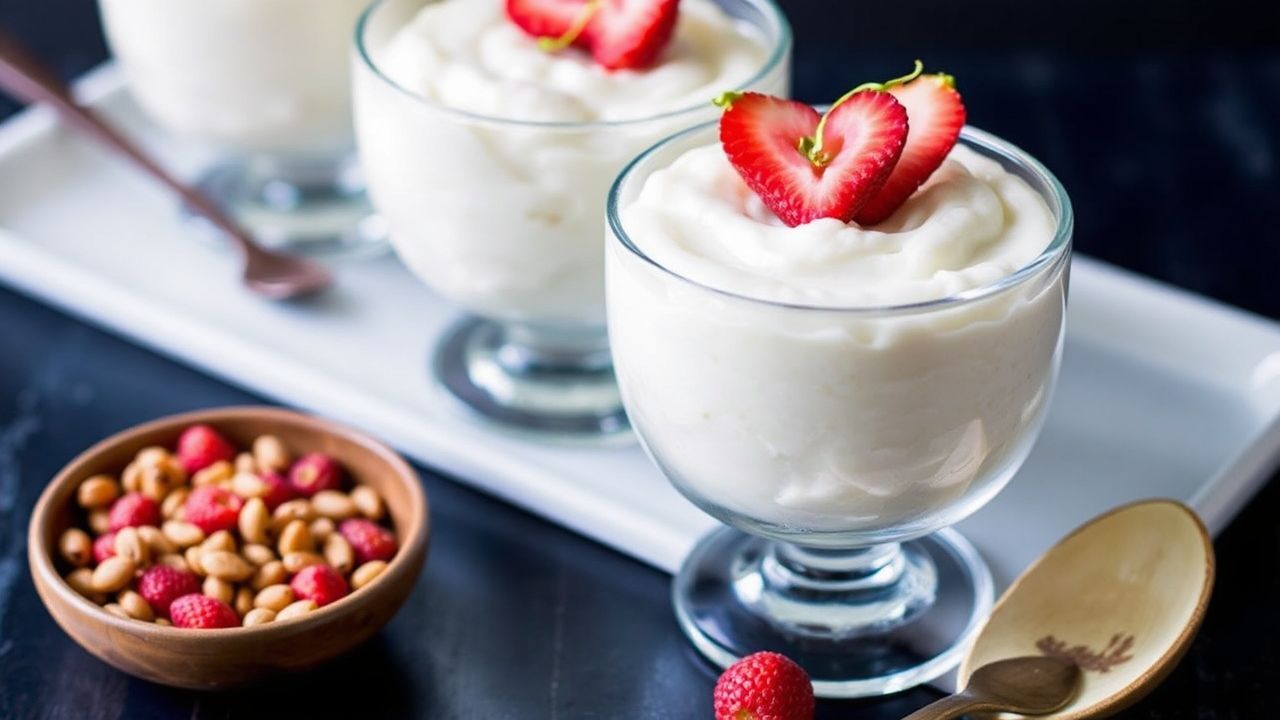
Why This Rosewater Cardamom Rice Pudding Wins Every Time
Rosewater cardamom rice pudding turns simple rice and milk into a floral, creamy dessert. You get a smooth spoon-coating texture when you manage starch release and heat carefully.
- Why This Rosewater Cardamom Rice Pudding Wins Every Time
- Key Ingredients (and What They Do)
- Rice: The Creaminess Engine
- Dairy: Richness Without Curdling
- Sugar, Salt, and Vanilla: Flavor Balance
- Cardamom: Warm, Aromatic Depth
- Rosewater: The Last-Step Floral Lift
- Rosewater & Cardamom Rice Pudding Recipe (45-Minute Cook)
- Expert Insight: How to Add Rosewater for the Right Intensity
- Pro-Caution: Don’t Boil the Dairy
- How to Get Perfect Texture (Creamy, Not Gummy)
- Flavor Variations You Can Make Without Ruining It
- Nutty Finish: Pistachios and Almonds
- Fruit-Forward Option: Citrus Zest (Tiny Amount)
- Different Dairy: Coconut Milk for a Lighter Twist
- Serving Suggestions (Warm vs. Cold)
- Storage and Make-Ahead Notes
- FAQ
The method stays simple: simmer the rice to loosen starch, thicken the dairy, then add rosewater off-heat. That timing keeps the aroma bright instead of turning harsh or perfumey.
- Texture control: short-grain rice releases more starch for natural thickness.
- Aroma timing: add rosewater after you remove the pot from heat.
- Heat discipline: keep a low simmer to prevent dairy separation and graininess.
- Best set: chill at least 2 hours for a firm, silky bite.
Key Ingredients (and What They Do)
Each ingredient shapes both body and aroma in rosewater cardamom rice pudding. If you swap without understanding the function, the dessert can turn thin, gritty, or oddly bitter.
Use rice for thickness, dairy for creaminess, and spices for the signature warm-floral profile. Then keep rosewater as a finishing ingredient so it stays delicate.
Rice: The Creaminess Engine
Use short-grain rice (such as Arborio or sushi rice). Its higher starch content helps thicken the milk as it simmers, which creates a custard-like texture.
Long-grain rice releases less starch, so it thickens slower and often ends up looser. If you want that spoon-slow texture after chilling, short-grain matters.
For starch behavior and cooking basics, read about rice.
Dairy: Richness Without Curdling
Whole milk provides a classic dairy flavor, while heavy cream boosts body and smooth mouthfeel. Together, they build the silky base that holds rosewater and cardamom well.
Simmer gently. A hard boil can rough up proteins and push the mixture toward uneven thickening.
Milk composition and temperature effects make more sense when you review milk.
Sugar, Salt, and Vanilla: Flavor Balance
Sugar sweetens and also affects how fast the mixture thickens. Salt tightens flavor and makes the floral notes feel cleaner.
Vanilla rounds the dairy so cardamom tastes warmer, not sharp. Use a small amount so rosewater stays the star.
Cardamom: Warm, Aromatic Depth
Ground cardamom adds citrusy warmth and prevents rice pudding from tasting one-note. Freshly ground cardamom usually smells brighter because more aromatic oils stay intact.
Cardamom is strong, so measure carefully. You want a gentle glow, not a spice that dominates every spoonful.
If you want background on the spice itself, see cardamom.
Rosewater: The Last-Step Floral Lift
Rosewater smells delicate at first. Heat it too long and you can shift it from floral to soapy, especially in dairy.
That is why you add rosewater after removing the pot from heat. This keeps the top notes bright and keeps the flavor profile smooth.
For an overview of rose water uses, check rose water.
Rosewater & Cardamom Rice Pudding Recipe (45-Minute Cook)
This recipe makes about 6 servings. You can serve it warm, but chilling delivers the best set and the most spoon-friendly texture.
Most failures come from heat level and stirring frequency. When you respect both, you get thick, glossy pudding that stays smooth.
Ingredients
- 1 cup short-grain rice, rinsed thoroughly
- 4 cups whole milk
- 1 cup heavy cream
- 3/4 cup granulated sugar
- 1/4 tsp fine sea salt
- 1 1/2 tsp ground cardamom (or to taste)
- 1 tbsp rosewater (start here, adjust after tasting)
- 1 tsp pure vanilla extract
- Optional: slivered pistachios, edible rose petals, ground cinnamon
Prep and Timing
- Prep: 10 minutes
- Cook and thicken: 35 minutes
- Total: ~45 minutes (plus chilling)
- Chill: at least 2 hours for best set
Step-by-Step Instructions
1) Cook the rice until it softens
In a heavy-bottom saucepan, combine rinsed rice with 2 cups water. Bring to a gentle simmer, cover, then cook until the water absorbs, about 10 minutes.
The goal is softened rice that will release starch into the dairy. Undercooked rice stays firm and slows thickening later.
2) Add dairy and start a low simmer
Pour in milk and heavy cream. Stir to combine, then reduce heat to a steady low simmer. Avoid boiling, which can cause texture issues in dairy-based desserts.
Keep it gentle. A low simmer thickens gradually and helps the mixture stay smooth.
3) Sweeten and infuse cardamom
Stir in sugar, salt, and ground cardamom. Cook uncovered, stirring frequently, until the mixture thickens—about 20–25 minutes.
When it thickens, the pudding looks glossy and clings to the spoon. If you want looser pudding, stop earlier; for scoopable, cook a few minutes more.
4) Turn off heat and add rosewater
Remove the pot from heat. Add rosewater and vanilla, then stir until evenly distributed.
Rosewater tastes different hot versus cool. Add it off-heat so the aroma stays delicate and floral instead of perfumey.
5) Chill to set, then garnish
Pour into ramekins or a serving dish. Cool at room temperature briefly, then refrigerate for at least 2 hours.
Right before serving, top with pistachios and optional rose petals. A pinch of cinnamon adds warmth without fighting cardamom.
[TIP]Expert Insight: How to Add Rosewater for the Right Intensity
Rosewater can shift quickly in perceived strength. Add it after you remove the pot from heat, then start with 1 tablespoon for a balanced floral profile.
Taste, then adjust in tiny increments. Too much rosewater can read soapy because floral notes concentrate as the pudding chills.
[WARNING]Pro-Caution: Don’t Boil the Dairy
A hard boil changes milk proteins and can lead to grainy or uneven texture. Keep the mixture at a low simmer while it thickens, and stir on a regular rhythm.
If you see fast, vigorous bubbling, reduce heat immediately. Stir more often and scrape the bottom lightly to prevent scorching.
How to Get Perfect Texture (Creamy, Not Gummy)
Rosewater cardamom rice pudding thickens through starch release and evaporation. That means you control texture with both time and agitation.
If you stir too little, starch can settle and create uneven thickness. If you boil, the mixture thickens too fast and can turn heavy.
Use the Spoon Test
Dip a spoon into the pudding and draw a line through it. The surface should close slowly, not instantly.
Remember: chilled pudding thickens more. If it feels slightly loose in the pot, it usually becomes perfect after refrigeration.
Stir on Purpose During Thickening
Stir frequently during the 20–25 minute thickening window. Each stir redistributes starch so the final texture stays smooth.
Switch to a wooden spoon or silicone spatula and scrape the bottom gently. This prevents scorching and keeps thickening even.
Balance Sweetness Without Throwing Off Body
Sugar influences sweetness and thickening speed. If you cut sugar heavily, you may need a bit more time to reach the right set.
If you prefer sweeter pudding, keep heat low so dairy stays stable. That keeps rosewater flavors from turning harsh.
Flavor Variations You Can Make Without Ruining It
You can adjust rosewater cardamom rice pudding while keeping the core method intact. Since rosewater and cardamom are aromatic, small changes matter.
Use these swaps to personalize texture, aroma, and presentation without losing the creamy structure.
Nutty Finish: Pistachios and Almonds
Top with pistachios for a classic Middle Eastern-inspired crunch. Add toasted slivered almonds for a warmer, buttery note.
Toast nuts lightly first so they stay crisp after chilling.
Fruit-Forward Option: Citrus Zest (Tiny Amount)
Add a small pinch of orange zest during simmering. Keep it tiny so it supports the floral notes instead of taking over.
This pairs well with cardamom because cardamom naturally echoes citrus-like warmth.
Different Dairy: Coconut Milk for a Lighter Twist
For a lighter version, replace heavy cream with full-fat coconut milk. The aroma shifts, but rosewater still works because floral notes pair well with gentle sweetness.
Keep portions close so the pudding thickens properly. Coconut milk can thicken differently, so watch the spoon test.
Serving Suggestions (Warm vs. Cold)
Serve rosewater cardamom rice pudding in small bowls. Smaller portions help the aroma rise with every spoonful.
Warm pudding tastes cozy and fragrance-forward. Cold pudding tastes thicker, silkier, and more set.
Warm Serving
Warm leftovers gently on very low heat, stirring often. Add a splash of milk if it thickens too much in the fridge.
Warm service highlights cardamom first, with rosewater as a delicate top note.
Cold Serving
Cold pudding feels like a dessert cream. Chilling lets flavors meld, so rose and cardamom taste smoother together.
Use garnishes for texture contrast—nuts, a light cinnamon dust, or edible petals.
Storage and Make-Ahead Notes
This pudding stays delicious in the refrigerator for a few days. Store it covered to reduce skin formation.
Flavors improve after a day because cardamom and rosewater spread more evenly through the pudding.
Best Storage Practices
Cool fully, then refrigerate. If you store in a wide dish, stir once after cooling to reduce separation.
When reheating, use low heat and gentle stirring. That protects a smooth mouthfeel.
Freeze?
Freezing can change the texture of rice-based dairy desserts. Starch and dairy often behave differently after thawing, which can lead to a looser or grainier pudding.
If you must freeze, thaw in the fridge and stir well. Fresh or chilled-only stays best for silky texture.
See also: rosewater rice pudding
FAQ
What makes rosewater cardamom rice pudding creamy without eggs?
Short-grain rice releases starch as it simmers. That starch thickens the milk into a custard-like texture without needing eggs.
Heavy cream adds extra body, which keeps the finish smooth even after chilling.
When should I add rosewater?
Add rosewater after you turn off the heat. Heat dulls floral notes and can push rosewater toward a harsher taste.
Stir it in off-heat, then taste and adjust in small increments.
Can I use ground cardamom instead of pods?
Yes. Ground cardamom works well for this recipe. For maximum aroma, choose a fresh batch and measure carefully so it does not overpower the rose.
If flavor feels weak, add small pinches rather than one big dose.
Why does my pudding look grainy?
Graininess usually comes from too much heat or too-fast thickening. Keep the dairy at a low simmer and stir frequently during thickening.
If scorching starts, lower heat right away and scrape the bottom gently.
Can this be served warm and cold?
Yes. Warm pudding feels lighter and more aromatic, while cold pudding becomes thicker and more set.
Both taste great, and chilling also helps the rose and cardamom flavors blend.