

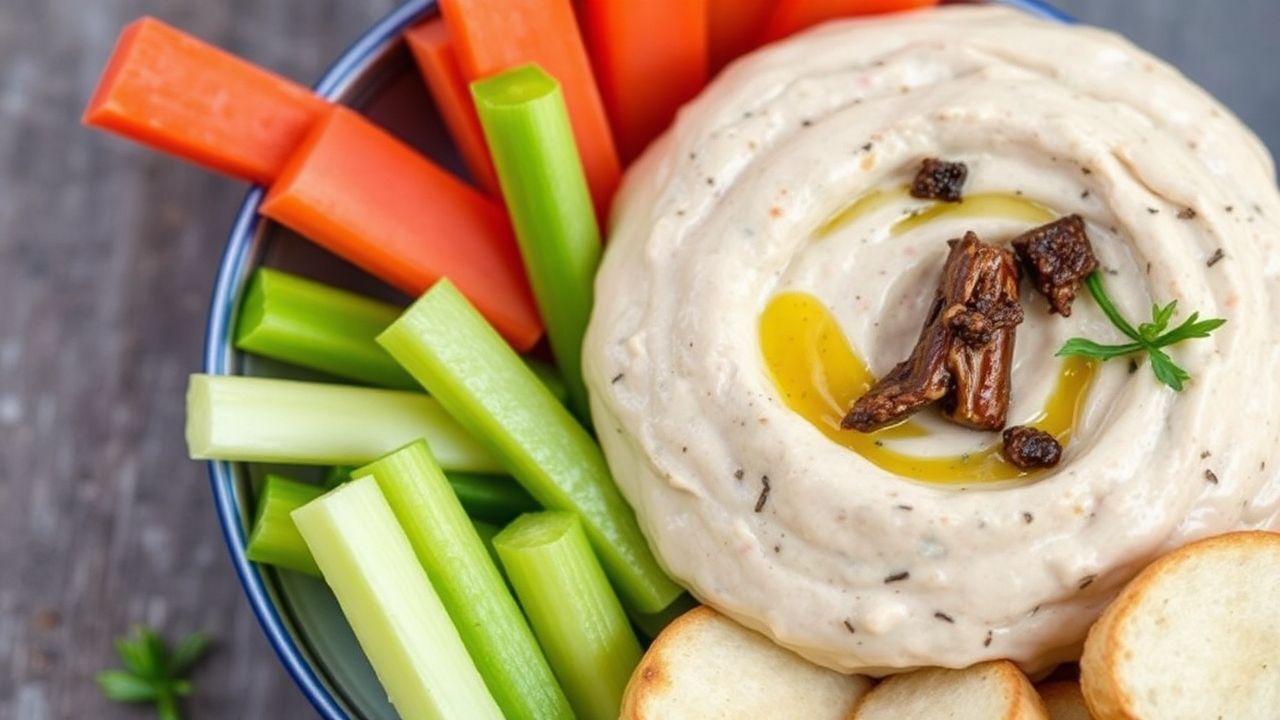
There’s something undeniably magical about the best classic warm garlic anchovy dip—creamy, savory, and made for crisp fresh vegetables. The aroma of gently warmed garlic and the deep umami of anchovies create a dip that feels both comforting and precise. It also pairs effortlessly with raw crunch, roasted bites, and party-ready boards.
At a Glance
- Focus flavor: warm garlic + anchovy umami + creamy base
- Best texture: gentle heating prevents garlic bitterness
- Best dippers: carrots, peppers, celery, snap peas, cucumber
- Serving win: rewarm in a small bowl to keep it spreadable
Whether you’re hosting a casual get-together or building a fast appetizer platter, this dip gives you reliable results. You can prepare parts ahead and still serve it warm with a smooth, cohesive texture. Keep the heat low, stir often, and let the flavors settle into a balanced bite.
Choosing Fresh Vegetables for Dipping
Start with crisp vegetables that can stand up to a rich dip. Firm texture matters because warm anchovy dip clings more evenly to crunch, not mush. Choose a color mix so the platter looks appetizing and the flavors stay varied.
Great options include baby carrots, bell pepper strips, celery sticks, snap peas, and cucumber spears. For an easy upgrade, include one neutral crunch like celery or cucumber and one sweet crunch like carrots. This contrast keeps each bite bright rather than heavy.
If you want extra depth, add roasted or lightly warmed vegetables alongside raw ones. Roasting softens bitterness in some produce and intensifies natural sweetness, which complements anchovy’s savory profile. For background on why garlic and savory notes work so well together, see garlic.
Crafting the Best Classic Warm Garlic Anchovy Dip
This dip builds on classic Mediterranean-style flavor logic: a salty-savor element, an aromatic element, and a creamy binder. Anchovies supply a concentrated umami base, while garlic adds aroma and sweetness when warmed gently. Together, they create a dip that tastes complex without needing complicated steps.
Use anchovy fillets packed in olive oil for smoother mixing and consistent results. You can also use jarred anchovy paste, but fresh fillets often deliver the most controllable texture. Anchovies are a traditional ingredient in many cuisines, and their salty profile drives the dip’s signature character—learn more at anchovy.
Warm the garlic in olive oil over medium-low heat. Keep the heat gentle so the garlic turns fragrant, not browned. Browning creates harsher notes, which can overpower the creamy base and make the dip taste sharp. For the broader science of umami-driven flavors, visit umami.
Next, mix softened cream cheese with mayonnaise until smooth. Then stir in the garlic-anchovy oil slowly so the mixture stays silky. Finish with fresh lemon juice, Dijon mustard, and freshly ground black pepper. Lemon sharpens and lifts the overall flavor so the dip tastes clean, not salty.
Expert technique: heat control and emulsification
Keep stirring as you add the warm oil. That action helps the fat and cream cheese blend into a stable emulsion, giving you the smooth, spoonable texture you want for dipping. If the mixture looks separated, reduce the heat and keep mixing for 20–30 seconds.
For an extra flavor layer, consider a small pinch of smoked paprika. It adds warm aroma that sits well with anchovy and lemon. If you use it, add it after emulsification so the dip stays balanced.
Pro-Caution: anchovy salt and lemon balance
If the dip still tastes too sharp, add a spoonful of cream cheese and mix until smooth. If it tastes flat, add lemon in tiny drops. This step keeps flavors controlled and prevents “one-note” results.
Prep and Cook Time
This recipe stays quick, so it works even during a busy weeknight. You’ll spend most of your time on chopping, gentle sautéing, and mixing. After that, the dip comes together fast.
- Prep Time: 15 minutes
- Cook Time: 10 minutes
- Total Time: 25 minutes
Because the flavor improves with brief resting, you can cook the base and keep it warm while you prep vegetables. That approach boosts dwell time and keeps guests actively snacking.
Yield and Difficulty Level
This dip yields enough for a small crowd without turning into leftovers you won’t finish. It also holds well for short periods when kept warm. For larger parties, scale the recipe and use multiple small warm bowls.
Serves: 6 to 8 people (generously)
Difficulty: Easy—great for first-time cooks.
If you’ve never worked with anchovies, this is still a good entry point because you blend them into a creamy matrix. For storage and food safety basics related to chilled dairy, you can review refrigeration.
Ingredients
Gather everything before you heat the garlic. Mise en place keeps the cooking step calm and prevents overcooking. It also helps you move smoothly from sauté to emulsify.
- 8 cloves garlic, finely minced
- 6 anchovy fillets packed in olive oil, finely chopped
- 1 cup cream cheese, softened
- ½ cup mayonnaise (use high-quality for best texture)
- 2 tbsp extra virgin olive oil
- 1 tbsp fresh lemon juice
- 1 tsp Dijon mustard
- Freshly ground black pepper, to taste
- Pinch of smoked paprika (optional)
- Assorted fresh vegetables: baby carrots, celery sticks, bell pepper strips, snap peas, cucumber spears
Fresh lemon juice matters here because it adds a clean acidic note. Bottled lemon juice can work, but fresh usually gives brighter aroma. For acidity and flavor chemistry context, you can explore acids.
Instructions
Follow these steps in order to keep the dip smooth. The key is gentle warming and slow blending of the warm oil. When you respect that order, the dip tastes cohesive instead of oily.
- Prepare the garlic oil: In a small skillet, heat the olive oil over medium-low heat. Add minced garlic and sauté gently until fragrant and golden, about 3–4 minutes. Avoid browning.
- Infuse anchovies: Add chopped anchovy fillets to the garlic oil. Stir until they dissolve and meld with the oil, about 2 minutes.
- Mix the base: In a medium bowl, combine softened cream cheese and mayonnaise. Whisk or mix until smooth.
- Incorporate flavors: Slowly pour the warm garlic-anchovy oil into the cream cheese mixture while stirring constantly to create a silky texture.
- Season: Stir in lemon juice, Dijon mustard, black pepper, and smoked paprika (if using).
- Adjust consistency: If too thick, loosen with a small splash of water or a teaspoon of extra olive oil.
- Serve warm: Transfer to a small heated bowl or ramekin to maintain warmth. Serve immediately with crisp fresh vegetables.
For best results, serve the dip at warm room temperature rather than scorching hot. Warmth boosts aroma, but too much heat can thin the texture and mute the creamy mouthfeel.
Tips for Success
Small choices improve flavor and texture. These tips focus on what most often causes “almost right” dips to fall flat. Use them to lock in a smooth, balanced outcome.
- Use fresh garlic for the brightest flavor; pre-minced can taste flatter.
- Choose anchovy fillets packed in oil to control salt and keep mixing smooth.
- Make the dip shortly before serving for peak warmth and best texture.
- Use lemon wedges on the side so guests can fine-tune brightness.
When you serve, keep vegetables dry and cut evenly. Water on produce dilutes the dip’s surface flavor and can create watery drips. If you want extra reliability, pat vegetables with a clean towel before plating.
Pairing Suggestions to Elevate Your Classic Snack Experience
This dip shines with crunchy, salty, and lightly toasted pairings. Vegetables do the heavy lifting for freshness, but adding one bread or crisp element makes the platter feel complete. Aim for contrast in texture so each bite feels different.
Serve with toasted breadsticks or grissini. If you prefer crackers, pick a crisp style that won’t soften instantly. You can also add lightly smoked almonds or spiced olives for an extra savory layer that echoes the dip’s umami depth.
For drinks, choose something that refreshes the palate. Crisp sparkling water with lemon works well because it resets taste buds between bites. If you want to include a warm-weather option, consider a citrus-forward iced tea. For a general guide to olive oil and Mediterranean flavor profiles, see olive oil.
Finish with fresh parsley and, if you like heat, a light dusting of red chili flakes. The herb brings a clean green aroma and keeps the dip from feeling heavy. Keep garnish minimal so the dip remains the star.
Serving and Storage Notes
For entertaining, portion the dip into small ramekins. Guests scoop faster, and you avoid repeated reheating that can thin the mixture. Warm bowls also keep the dip aromatic throughout the evening.
If you need to prep ahead, you can mix the base and store it covered in the refrigerator. Reheat gently and stir until smooth before serving. Food quality depends on holding temperature, so keep the dip warm and not left at risky room temperatures.
If you’re curious about why holding temperatures matter, review food safety.
FAQ
Quick answers help you get it right on the first try. Use these for flavor tuning, make-ahead planning, and serving suggestions. Each response focuses on the most common questions for this classic dip.
What makes a warm garlic anchovy dip taste “classic”?
The classic profile comes from warm garlic aroma, anchovy umami, and a creamy binder like cream cheese and mayonnaise. Warmth helps garlic taste sweet instead of harsh, while anchovy provides depth without needing extra seasoning.
Can I make the dip ahead of time?
Yes. Prepare the dip, cool it, then rewarm gently before serving. Stir often to restore smooth texture and prevent oil separation.
Why should I avoid browning the garlic?
Browning can create a sharper, sometimes bitter note. Keeping garlic fragrant and golden but not dark protects the dip’s balance with lemon and creamy richness.
How can I reduce the salty taste if my anchovies are strong?
Taste early. Add a little more cream cheese or mayonnaise to soften salt intensity. You can also add lemon to brighten flavor and make salt taste less dominant.
What vegetables work best if I want variety?
Use a mix of sweet crunch and refreshing crunch. Carrots and bell peppers add sweetness, while celery, cucumber, and snap peas offer clean freshness that keeps the platter lively.
See also: warm garlic anchovy dip