
Spicy Tuna Melts: Fast, Fiery, and Surprisingly Easy to Nail
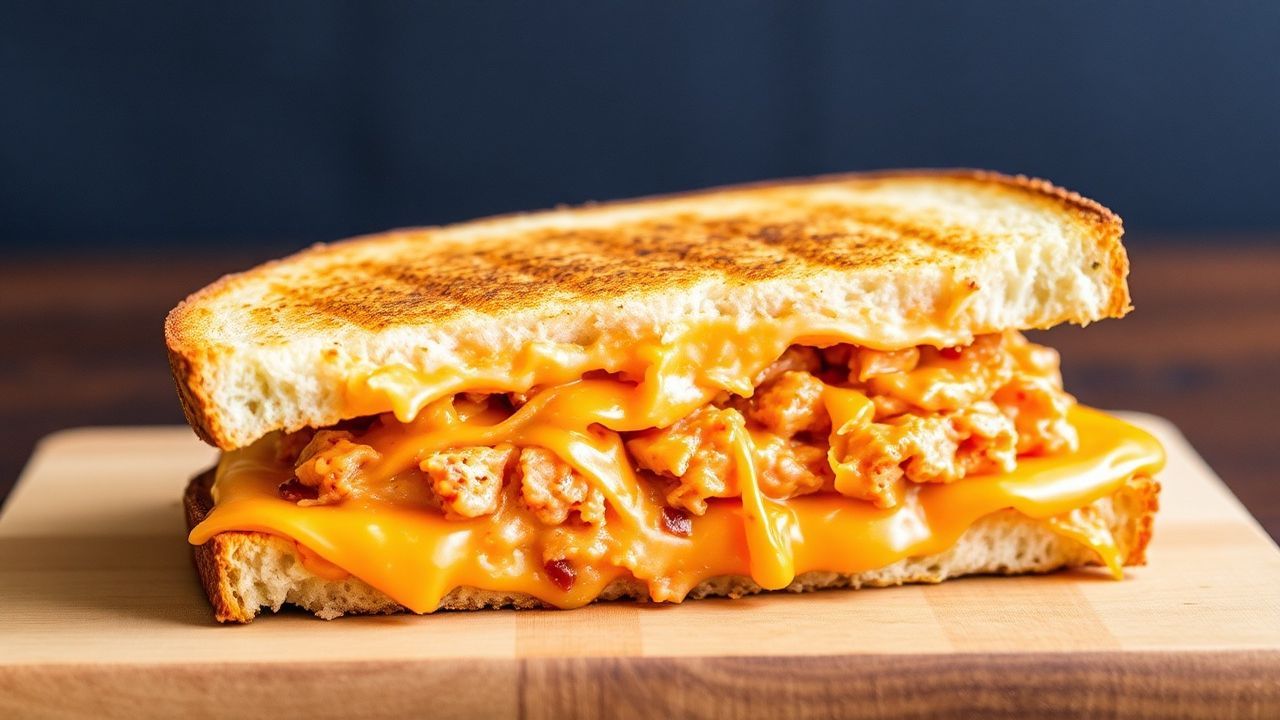
Spicy tuna melts hit the sweet spot between comfort food and “make it now” convenience. You get a savory tuna spread with heat you can adjust, then you seal it under melty cheese on toasted bread.
- Spicy Tuna Melts: Fast, Fiery, and Surprisingly Easy to Nail
- Why These Spicy Tuna Melts Taste “Deli-Like” in Less Time
- What You Need (and What to Swap Without Ruining the Melt)
- Core Ingredients for the Best Spicy Tuna Melts
- Bread Choice: The Hidden Variable
- Spice Options: Pick Your Heat Profile
- The 20-Minute Method That Prevents Soggy Bread and Burnt Edges
- Step 1: Mix the Spicy Tuna Filling
- Step 2: Toast the Bread in the Same Pan
- Step 3: Assemble with Cheese First, Then Heat
- Step 4: Melt with Medium-Low Heat and a Lid
- Heat Control Rules (This Is Where Most Melt Recipes Fail)
- Flavor Engineering: How to Get Spicy, Creamy, and Bright in One Bite
- Recipe: 2 Hearty Spicy Tuna Melts (15–20 Minutes)
- Make-Ahead and Meal Prep Without Losing Texture
- Common Mistakes and Fast Fixes
- Smart Pairings for Spicy Tuna Melts
- FAQ
Most people rush the melt stage. That one shortcut usually causes either burnt toast or under-melted cheese. With a simple heat plan and smart bread prep, you can get glossy, stretchy cheese in about 15–20 minutes.
At a Glance
- Heat control matters more than sauce quantity for a clean flavor.
- Toast first prevents soggy bread under the tuna mixture.
- Cover the pan briefly so cheese melts without scorching.
- Balance spice with acid (lime) and salt for a sharper finish.
Why These Spicy Tuna Melts Taste “Deli-Like” in Less Time
A classic tuna melt tastes rich because of fat and salt, then it tastes bright because of acid. Add chili heat, and you get a layered flavor pattern: savory first, then spicy, then clean at the end.
When you mix tuna with mayonnaise (fat) plus gochujang or sriracha (heat + flavor), you also create a spreadable texture. That texture helps the tuna cling to the bread instead of sliding off during grilling.
If you want to understand why heat stays “pleasant” instead of harsh, it helps to know how capsaicin works. Capsaicin binds to heat receptors and can feel sharper when foods run hot for too long. See capsaicin for the science behind chili heat.
What You Need (and What to Swap Without Ruining the Melt)
You only need a handful of ingredients, but each one plays a role in texture or flavor. Think of the tuna spread as the “sauce,” and the cheese as the glue that turns it into a unified bite.
Start with canned tuna for consistent moisture. If you use tuna packed in water or oil, drain it well. Then you can fine-tune creaminess with mayo and tang with lime.
Core Ingredients for the Best Spicy Tuna Melts
Tuna: 1 can (about 5 oz), drained well.
Heat: gochujang for deep fermented chili flavor, or sriracha for bright heat.
Creaminess + tang: mayonnaise plus Dijon mustard.
Fresh lift: lime juice and finely chopped onion.
Cheese: sharp cheddar or pepper jack for reliable melting and flavor.
Bread Choice: The Hidden Variable
Use a sturdy bread that toasts evenly and doesn’t collapse under cheese steam. Sourdough works well because it has structure and a pleasant crust.
Thin sliced sandwich bread can work too, but you must lower heat. Thin bread browns fast, and it can burn before the cheese turns glossy.
If you want a quick method to choose bread based on water activity and structure, it helps to understand the basics of bread making. For background, see bread.
Spice Options: Pick Your Heat Profile
Gochujang delivers fermented sweetness and a rounded chili base. Sriracha brings a more direct chili punch with a tangy finish. Chili flakes add sharp bite but less “sauce-like” depth.
Use one main heat ingredient, then add small amounts of the others only if you want extra layers. This approach keeps the tuna taste from becoming one-note.
The 20-Minute Method That Prevents Soggy Bread and Burnt Edges
Timing isn’t just about speed. It’s about controlling moisture transfer. Toasting first reduces sogginess, while a short covered cook helps the cheese melt evenly.
Follow this sequence exactly. It guides the process from dry-crisp toast to a melt stage that uses steam as an ally.
Step 1: Mix the Spicy Tuna Filling
In a bowl, combine drained tuna, mayonnaise, Dijon mustard, minced garlic, finely chopped onion, and lime juice. Add gochujang (or sriracha) last.
Season with salt and black pepper. Mix until the tuna breaks down but stays slightly chunky. If it looks watery, drain more and mix longer.
For a quick reference on tuna types and how people store seafood, see tuna. Storage and moisture level strongly affect how your filling behaves.
Step 2: Toast the Bread in the Same Pan
Heat olive oil or butter in a skillet over medium heat. Toast one side of each bread slice for about 1–2 minutes until light golden.
This step builds a protective crust. Then, when the tuna hits the bread and cheese melts, the crust resists soggy collapse.
Step 3: Assemble with Cheese First, Then Heat
Spread the tuna mixture on the toasted side. Layer cheese on top. If you want extra heat, add thin jalapeño slices.
Then place the sandwich back into the skillet with the second bread slice on top. Press gently so the cheese contacts the tuna evenly.
Step 4: Melt with Medium-Low Heat and a Lid
Cook on medium-low heat. Cover the pan with a lid (or foil) and let steam melt the cheese, not scorch the bread.
Cook about 3–4 minutes total. Flip once if needed for even browning, then rest for 60 seconds before slicing.
Heat Control Rules (This Is Where Most Melt Recipes Fail)
High heat melts cheese fast, but it also dries out bread fat and drives browning too quickly. That can create burnt toast flavor that overpowers the tuna.
Medium-low heat gives you time for cheese to soften and stretch. It also lets the tuna warm without turning watery.
Cheese melting depends on the way milk proteins and fats respond to heat. That’s one reason different cheeses melt differently. For a science-backed overview of what makes cheese melt, review cheese.
Also, remember that acidic ingredients can affect flavor perception. Lime juice makes chili taste “brighter” instead of only hotter, so you may need less heat than you expect.
Flavor Engineering: How to Get Spicy, Creamy, and Bright in One Bite
Great spicy tuna melts don’t rely on one ingredient for flavor. They build a balance: salt for depth, fat for richness, acid for brightness, and chili for warmth.
If you taste your tuna mixture before cooking, you should notice an instant “rounded” flavor. It should feel savory first, then zippy, then gently hot.
To push the flavor toward “restaurant style,” adjust in small steps. Start with your main heat (1 tablespoon gochujang or sriracha), then taste. Add chili flakes only at the end for a sharper, drier heat note.
For a deeper look at how fermentation and chili-based condiments create complex flavors, see gochujang. Its flavor complexity makes it a reliable choice for fast sandwiches.
Recipe: 2 Hearty Spicy Tuna Melts (15–20 Minutes)
This version targets bold flavor and controlled heat. It works for a quick dinner, lunch, or a late snack when you want something hot and satisfying.
Make two melts using standard pan size. If you want more, double the filling and cook in batches to keep heat even.
Ingredients
Tuna filling
- 1 (5 oz) can tuna, drained
- 2 tbsp mayonnaise
- 1 tbsp gochujang paste or sriracha
- 1 tsp Dijon mustard
- 1 tbsp finely chopped red onion
- 1 garlic clove, minced
- 1 tsp fresh lime juice
- Salt and black pepper, to taste
Sandwich
- 2 slices sourdough bread
- 2 slices sharp cheddar or pepper jack
- 1 small jalapeño, thinly sliced (optional)
- 1 tbsp olive oil or butter, for toasting
- Fresh scallions, for garnish (optional)
Instructions
1) Mix tuna filling: In a bowl, combine tuna, mayonnaise, gochujang (or sriracha), Dijon mustard, onion, garlic, lime juice, salt, and pepper. Mix until evenly combined but still slightly chunky.
2) Toast bread: Warm olive oil or butter in a skillet over medium heat. Toast bread 1–2 minutes per side until lightly golden.
3) Assemble: Spread tuna mixture over one slice. Add cheese on top. Add jalapeño slices if using. Top with the second slice.
4) Melt: Cook on medium-low heat. Cover with a lid and cook 2–3 minutes, then check. Cook 1–2 minutes more if needed until cheese melts and looks glossy.
5) Rest and serve: Rest 60 seconds, slice, garnish with scallions, and eat while hot.
Make-Ahead and Meal Prep Without Losing Texture
You can prepare the spicy tuna filling ahead of time. That saves minutes on busy nights while keeping flavor punchy.
Store filling in a sealed container in the fridge for up to 2 days. Stir before using, because oil and moisture can separate slightly.
Best Way to Reheat (If You Prep)
When reheating cooked melts, use a skillet instead of a microwave. Microwaving softens bread and can make cheese rubbery.
Warm each side briefly on medium-low heat until heated through. If needed, cover for 30–60 seconds to re-melt cheese gently.
Common Mistakes and Fast Fixes
A few issues repeat across melt recipes. The fixes are simple once you know what’s happening.
Use these troubleshooting notes to keep your sandwiches consistent every time.
Mistake 1: Bread Gets Soggy
Sogginess happens when the bread absorbs moisture before the crust sets. Toasting first usually solves it.
If it still gets soft, reduce the tuna’s watery elements. Drain tuna better and keep the filling thick.
Mistake 2: Cheese Won’t Melt Evenly
Uneven melting comes from high heat or too little covered steam. Medium-low heat plus a lid creates the right melting environment.
If cheese still resists, cover longer instead of raising the flame. Raised heat browns, but it doesn’t always soften cheese well.
Mistake 3: The Tuna Tastes Flat
If it tastes dull, increase salt slightly and add a touch more lime juice. Acid makes heat feel brighter and flavor feel more “alive.”
Also taste after mixing. Your filling should taste strong enough to carry the sandwich once cheese and bread get involved.
Smart Pairings for Spicy Tuna Melts
Spicy tuna melts work best with something crisp or acidic on the side. That contrast keeps the meal from feeling heavy.
Pick one side that cuts richness: salad greens, cucumber, or a lemony dressing.
Side Ideas That Match the Flavor
Try a simple mixed greens salad with a vinaigrette. The acidity brightens the tuna and balances the heat.
Or choose crunchy pickles and sliced cucumbers with lime. You get a cool, tangy rhythm that complements melty cheese.
If you want to understand how acidity changes flavor perception, see sourness. Acid influences how spicy notes feel, and it helps flavors stand out.
FAQ
Can I use fresh tuna instead of canned tuna?
Yes, but you must cook it first and flake it. Fresh tuna tends to taste cleaner and can be a bit drier, so you may need slightly more mayonnaise to keep the filling spreadable.
What cheese melts best for spicy tuna melts?
Sharp cheddar and pepper jack melt reliably and add flavor. Mozzarella melts quickly, but it can feel milder, so you may want a touch more lime or mustard to keep the taste bold.
How do I control the spice level?
Start with 1 tablespoon gochujang or sriracha, then taste the tuna mixture. If you want more heat, add small pinches of chili flakes rather than doubling the full sauce at once.
Why do you toast the bread before adding the filling?
Toasting forms a crust that resists moisture. That prevents sogginess when the tuna heats and the cheese melts under steam.
How long should the melt cook on the pan?
Cook about 3–4 minutes total on medium-low heat, covered. You want melted, glossy cheese—not burnt toast. If needed, extend the covered time rather than increasing the heat.
See also: spicy tuna melts