
Snickerdoodle secrets start with one idea: bake cookies where cinnamon-sugar flavor hits fast and the center stays tender. This guide explains the “why” behind the tang, the crackle, and the classic, bakery-style texture you want at home.
- Origins of Snickerdoodle Secrets
- Key Texture Drivers for Cinnamon-Sugar Cookies
- Prep Time, Yield, and Difficulty
- Ingredients for Timeless Snickerdoodle Secrets
- Instructions: How to Bake Snickerdoodles
- Expert Tips to Master Cinnamon-Sugar Wonders
- 💡 Expert Insight Expert Insight: Chill for Shape and Flavor
- Chilling, Coating, and Mixing Controls
- Cinnamon Quality and Flavor Depth
- Internal Link for Extra Coating Guidance
- Serving Suggestions and Storage
- FAQ: Snickerdoodle Secrets
At a Glance
- Cream of tartar creates the snickerdoodle’s signature tang and soft crumb.
- Coating granularity controls crackle, shine, and caramelized cinnamon notes.
- Chill time improves thickness and reduces spreading.
- Stop mixing early to avoid dense cookies.
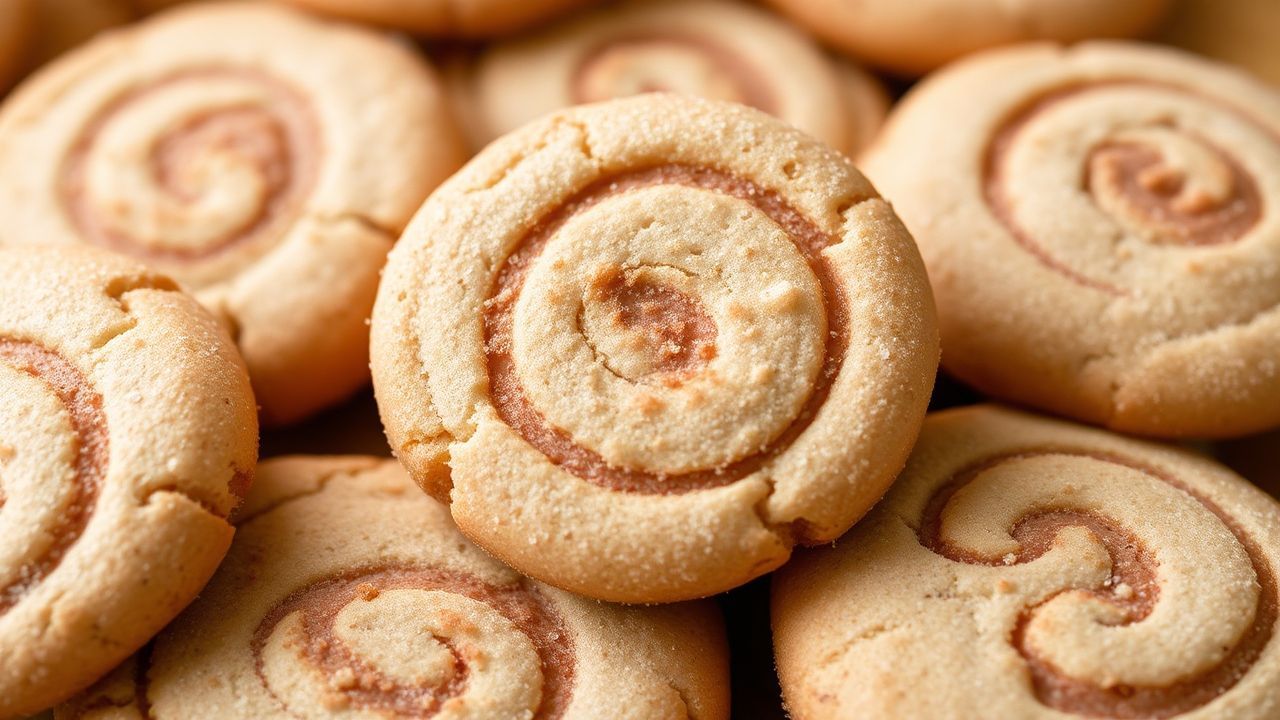
When a tray of snickerdoodles comes out golden, the cinnamon-sugar coating looks crisp while the crumb stays soft. That contrast comes from heat, chemistry, and a few timing choices that matter more than most people think. Follow the steps below and you’ll get consistent results in your own kitchen.
Origins of Snickerdoodle Secrets
Snickerdoodles grew up in American baking culture, and the flavor profile reflects classic home-cookie trends. The signature tang traces back to a common ingredient—cream of tartar—used in older recipes for texture and leavening stability.
If you want historical context, review how baking powder and tartar-based acids work in baked goods. For background on the chemistry, see cream of tartar and baking powder.
The “cinnamon-sugar” coating didn’t happen by accident. Bakers learned that surface coating caramelizes during baking, which creates color and the crackled look. That’s why technique—rolling, spacing, and bake time—belongs in your snickerdoodle secrets.
Key Texture Drivers for Cinnamon-Sugar Cookies
Classic snickerdoodles rely on a specific balance: soft interior and a slightly crisp crust. You get this balance through dough structure and controlled spreading.
Start with flour and mixing limits. All-purpose flour forms gluten when you mix, and too much mixing develops a tougher network. If you want an ingredient reference, use gluten as a practical overview for why overmixing can reduce tenderness.
The Cinnamon-Sugar Coating
Coating controls aroma and appearance. Granulated sugar and ground cinnamon form a dusty layer that melts, bubbles, and then sets as the cookie cools. That sequence produces the classic crackle you associate with snickerdoodle secrets.
For ingredient facts, check cinnamon and sugar. Use the notes here to choose a cinnamon that tastes bold to you, then match it with sugar for the right sweetness.
Tang from Cream of Tartar
Cream of tartar adds acidity, and acidity changes how baking soda releases gas. In snickerdoodles, that reaction helps create lift and a tender crumb while giving the cookie its signature tang. Pair it with baking soda for reliable results.
For a quick reference, see baking soda and acid. Accurate ratios matter here, so keep the ingredient amounts in this recipe.
Prep Time, Yield, and Difficulty
Planning helps you bake with fewer surprises. Snickerdoodles usually bake fast, but chilling and cooling shape the final texture.
Use the times below as your baseline, then adjust by oven behavior. Every oven runs hot in its own way, so rely on visual cues as much as minutes.
Quick Stats
- Readiness: 15 minutes
- Chilling Time: 30–60 minutes (recommended)
- Baking: 10–12 minutes
- Total Time: About 1 hour
Yield and Difficulty
Yield: About 24 classic snickerdoodles.
Difficulty: Easy to medium. You only need focus on coating, bake time, and chilling for best results.
Ingredients for Timeless Snickerdoodle Secrets
Gather ingredients before you start. Snickerdoodles move quickly once mixing begins, so accurate measurements keep the dough consistent.
For best results, soften butter to a spreadable texture—not melted. That detail improves creaming and helps the cookies hold their shape after coating.
- 1 cup (226g) unsalted butter, softened
- 1 ½ cups granulated sugar, divided
- 2 large eggs, room temperature
- 2 ¾ cups (345g) all-purpose flour, sifted
- 2 teaspoons cream of tartar
- 1 teaspoon baking soda
- ½ teaspoon fine sea salt
- 3 tablespoons ground cinnamon, divided
Substitutions change texture. If you plan to swap ingredients, test first or expect differences in spread and tang. Snickerdoodle secrets depend on consistent chemistry, so treat swaps as experiments.
Instructions: How to Bake Snickerdoodles
Follow the order closely. Each step builds dough structure, then sets the cinnamon-sugar crust at the right time.
For accuracy, preheat fully and line your baking sheets. Consistent heat supports even browning and crackle across the whole tray.
- Preheat oven to 375°F (190°C). Line two baking sheets with parchment paper or silicone mats.
- Cream butter and 1 cup sugar in a large bowl for 3–4 minutes until light and fluffy. This aeration supports a tender crumb.
- Add eggs one at a time, mixing until smooth after each addition.
- Whisk dry ingredients in a separate bowl: flour, cream of tartar, baking soda, salt, and 2 tablespoons cinnamon.
- Combine wet and dry and mix just until no dry flour remains. Stop early to prevent dense cookies.
- Make coating: in a medium bowl combine remaining ½ cup sugar with 1 tablespoon cinnamon.
- Scoop and roll dough balls (about 1 ½ inches). Roll generously in cinnamon-sugar for even coverage.
- Place on sheets about 2 inches apart to allow gentle spread.
- Bake 10–12 minutes until edges set and centers look slightly soft.
- Cool 5 minutes on the tray, then move to a wire rack. Cooling finishes the coating’s crystallized texture.
For coating flavor control, watch how the cinnamon looks as it bakes. If it browns too fast, lower rack position or rotate trays mid-bake. Small adjustments keep snickerdoodle secrets on track.
Expert Tips to Master Cinnamon-Sugar Wonders
Great snickerdoodles aren’t luck. They come from small controls: chill, dough consistency, and coating coverage.
Use these tactics to boost reliability across batches, especially if you’re baking for guests or storing cookies for later.
💡 Expert Insight
Expert Insight: Chill for Shape and Flavor
Chill the dough at least 30 minutes. Firm fats reduce spread, and time helps the flavors meld so the cinnamon tastes rounder. This step protects your cookie thickness and helps the coating set with crisp edges.
Chilling, Coating, and Mixing Controls
Chill first, then roll. If the dough warms too much, it can stick and produce patchy coating. Patchy coating still tastes good, but it won’t deliver the full crackled look.
Mix less than you think. When you stop as soon as flour disappears, the cookies stay tender. Overmixing strengthens gluten, which can reduce softness even with perfect bake time.
Cinnamon Quality and Flavor Depth
Use cinnamon you enjoy eating. Aroma matters, and cinnamon’s flavor comes from volatile compounds that fade over time. For a science-backed reference, see spices and use fresh, properly stored cinnamon.
You can also adjust cinnamon intensity by taste. If your cinnamon is mild, use the full amount in the coating plus the recipe amount in the dough. If it’s strong, keep measurements exact and rely on bake time rather than more cinnamon.
Internal Link for Extra Coating Guidance
If you want a more detailed technique for coating coverage and baking behavior, use this resource: how to make cinnamon-sugar coating perfect. It pairs well with this recipe when you want sharper crackle.
You can also revisit timing guides during your first run. Make one batch, note spread and browning, then adjust only one variable next time.
Serving Suggestions and Storage
Snickerdoodles taste best when warm. The cinnamon-sugar aroma feels strongest right after baking, and the interior stays soft before it cools fully.
Serve with hot cocoa, chai, or coffee to match the cookie’s sweet warmth. A light dusting of powdered sugar adds a snowy top note, while a simple vanilla glaze can boost sheen.
For storage, keep cookies airtight. Place them at room temperature for up to one week, and refresh softness with a slice of bread in the container. This method works because moisture equilibrates in a sealed space.
For longer storage, freeze baked cookies in layers separated by parchment. Thaw at room temperature so the coating doesn’t soften unevenly.
FAQ: Snickerdoodle Secrets
Use these answers to fix common issues fast. Most snickerdoodle failures come from one step: mixing too long, skipping chilling, or overbaking.
Read the questions, then match your cookie problem to the right fix.
Why are snickerdoodles tangy?
The tang comes from cream of tartar, which adds acidity. It reacts with baking soda and helps shape the cookie’s tender crumb and signature flavor.
How do I get a crackled cinnamon-sugar top?
Roll dough balls evenly in a well-mixed cinnamon-sugar coating. Bake until edges set while centers remain slightly soft, then cool briefly to let the coating crystallize.
Should I chill snickerdoodle dough?
Yes. Chilling reduces spread and helps the dough hold its shape. It also improves flavor meld, so the cinnamon tastes more integrated.
Can I make snickerdoodles ahead of time?
You can prep dough balls up to 24 hours ahead and refrigerate them. Roll in coating after chilling if your dough feels too firm for easy rolling.
What causes dry snickerdoodles?
Overbaking is the most common cause. Remove cookies when the edges look set and the centers still look slightly underdone, then cool on the tray for a few minutes.
Snickerdoodle secrets come down to control: correct chemistry from cream of tartar, careful mixing to protect tenderness, and timing that preserves chew. When you nail those basics, cinnamon-sugar classics turn into cookies you can bake on repeat.
Whether you’re feeding a family or sharing plates with friends, these cookies deliver warm spice, gentle tang, and a crackled finish that looks as good as it tastes. Bake once, then fine-tune your process for your oven and your palate.
See also: Snickerdoodle secrets