
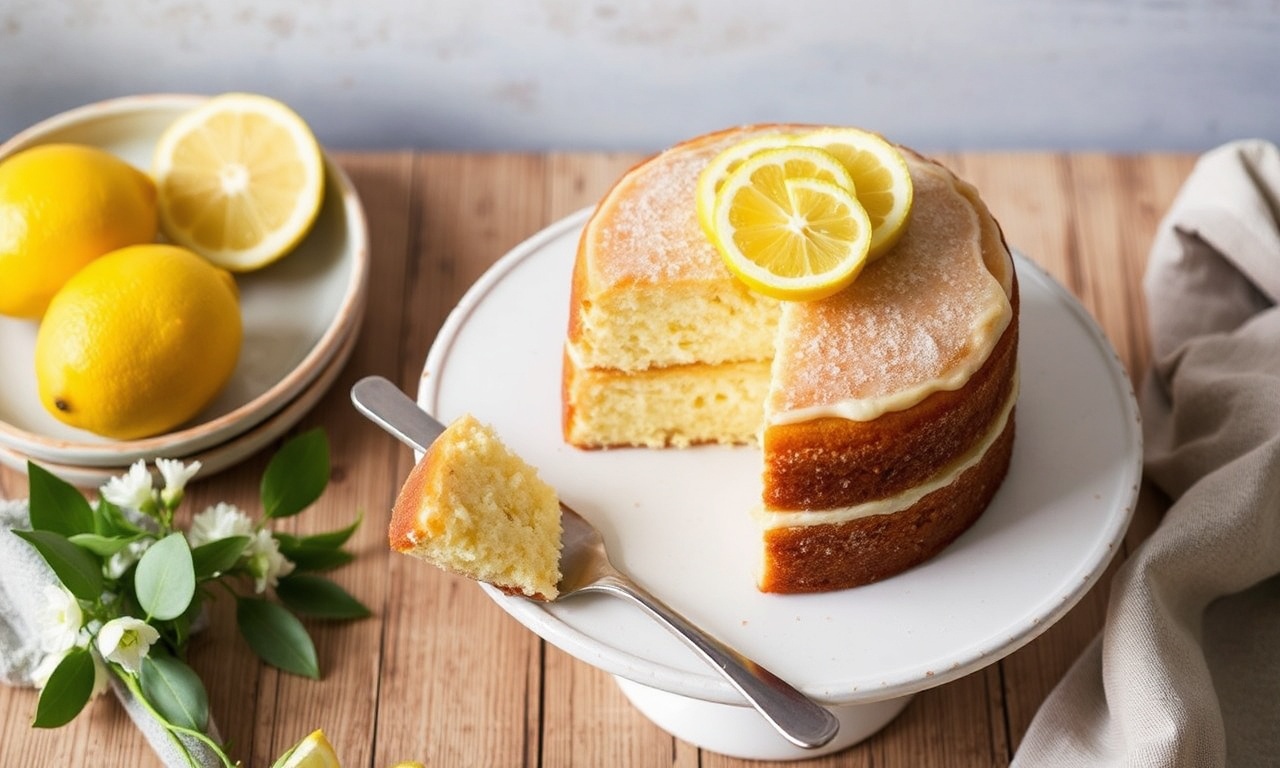
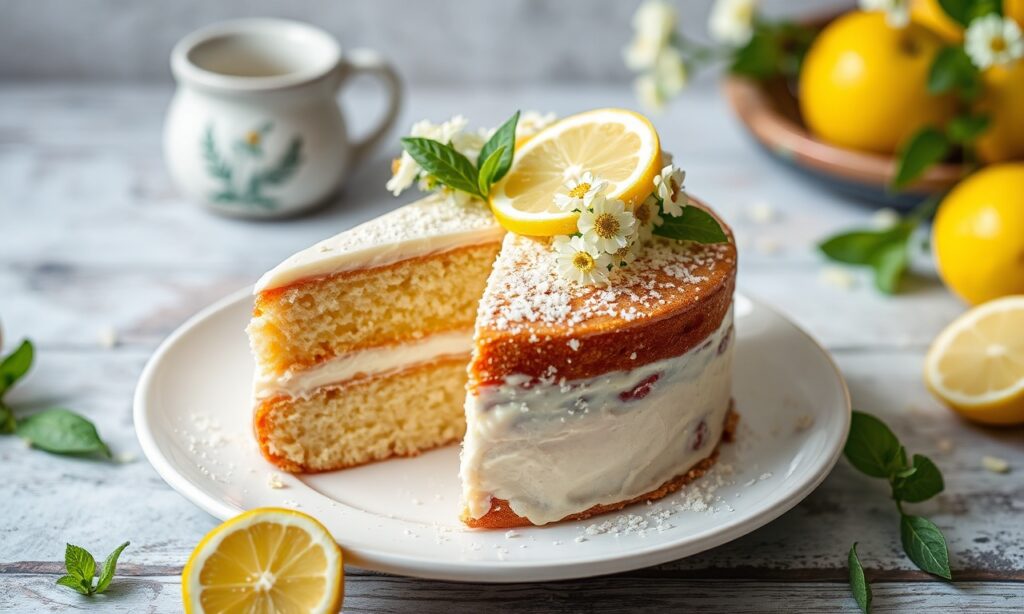
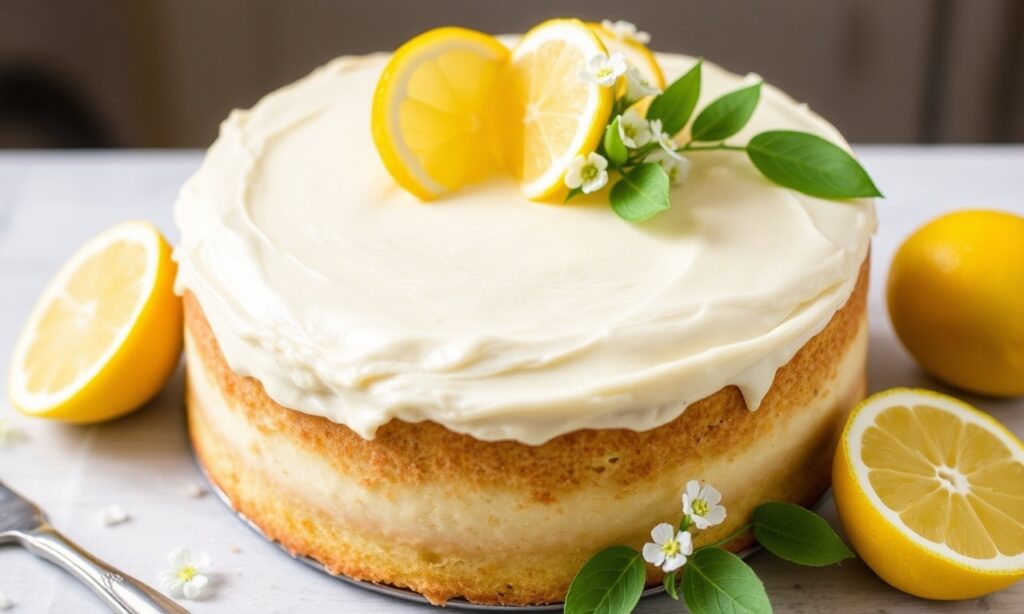
Bright citrus and delicate florals work beautifully together. This Zesty Lemon & Elderflower Cake combines fresh lemon zest, tangy juice, and elderflower cordial for a light, fragrant crumb. The result tastes like a sunny garden tea with every slice.
- Prep and Cook Time
- Yield and Difficulty
- Ingredients
- Instructions
- Tips for Success: Texture, Moisture, and Flavor Control
- Creative Serving Ideas for Floral Citrus Delight
- Nutritional Details (per slice)
- FAQ
- What makes a lemon and elderflower cake so special?
- How can I capture elderflower flavor without it tasting artificial?
- Is this cake best for spring, summer, or year-round?
- What frosting pairs best with this cake?
- Can I make this Zesty Lemon & Elderflower Cake gluten-free?
- How should I store the cake to keep it moist?
At a Glance
- Flavor: zesty lemon + gentle elderflower aroma
- Texture: creamed butter traps air for a moist, tender crumb
- Finish: a thin lemon-elderflower drizzle boosts citrus punch
- Best timing: serve after cooling for clean slices and full aroma
Warm weather desserts call for bright flavors, and this one fits right in. Lemon provides sharp, refreshing acidity, while elderflower adds a sweet floral layer. If you love spring baking with a soft perfume, this is your go-to recipe.
Below, you’ll learn a reliable method for a moist, airy sponge. You’ll also get practical tips to protect the crumb, boost lemon zest flavor, and present the cake for brunch or afternoon tea.
Zesty Lemon & Elderflower Cake feels special because the flavor profile stays balanced. Lemon zest delivers aroma, not just sourness, and elderflower cordial adds a smooth floral sweetness. Together, they create a dessert that feels fresh, light, and elegant.
Prep and Cook Time
Plan for a relaxed bake with enough time to cool. Start with ingredient prep so you can move through mixing without rushing.
Preparation: 15 minutes
Cooking: 40 minutes
Cooling: 30 minutes
Yield and Difficulty
This recipe makes a cake for sharing. It works well for a small group or a casual gathering where people want seconds.
Yield: Serves 8 generous slices
Difficulty: Easy to Medium (great for bakers who want confident results)
Ingredients
Use fresh lemons for the best zest aroma. Elderflower cordial varies by brand, so choose one you enjoy drinking—its character will show up in the cake.
For reference on sugar and flour roles in baked goods, see cake and baking.
- 1 ¾ cups all-purpose flour, sifted
- 1 tsp baking powder
- ¼ tsp fine sea salt
- ¾ cup unsalted butter, softened
- 1 cup granulated sugar
- 3 large free-range eggs, at room temperature
- 2 tbsp freshly grated lemon zest (about 2 lemons)
- 3 tbsp freshly squeezed lemon juice
- 2 tbsp elderflower cordial (preferably artisanal or organic)
- ½ cup full-fat Greek yogurt or crème fraîche
- 1 tsp pure vanilla extract
- Optional glaze: 1 cup powdered sugar + 1 tbsp lemon juice + 1 tbsp elderflower cordial
Instructions
Follow each step closely for a tender crumb. If your butter looks split, slow down and mix just until smooth.
For texture science basics like gluten formation and mixing effects, review gluten and emulsion.
- Preheat the oven to 350°F (175°C). Butter and lightly flour an 8-inch round cake pan.
- In a medium bowl, whisk flour, baking powder, and salt. Set aside.
- In a large bowl, use an electric mixer to cream butter and granulated sugar until pale and fluffy, about 3–5 minutes.
- Add eggs one at a time, beating well after each addition.
- Mix in lemon zest, lemon juice, elderflower cordial, Greek yogurt, and vanilla until fully incorporated.
- Gently fold dry ingredients into the wet mixture using a rubber spatula. Stop as soon as flour disappears.
- Pour batter into the pan and smooth the top.
- Bake for 38–42 minutes, until a toothpick in the center comes out clean. The edges should look golden.
- Cool in the pan for 10 minutes, then transfer to a wire rack to cool fully.
- Drizzle the optional glaze once the cake cools.
Tips for Success: Texture, Moisture, and Flavor Control
Great cake texture depends on mixing, temperature, and how you time doneness checks. Small changes here make a big difference in bite.
Expert Insight:
Next, focus on lemon and elderflower intensity. Zest holds essential oils that fade if overbaked or stored too long.
Pro-Caution:
To keep lemon flavor bright, use fresh zest, not bottled zest. Combine zest into the batter and also in the glaze so you get both aroma and tang. If you want deeper floral notes, choose cordial rather than plain syrup and measure accurately.
- Room temperature ingredients help the batter emulsify for a smooth, light crumb.
- Gently fold dry ingredients; stop once the flour disappears.
- Greek yogurt boosts moisture and adds a mild tang that balances sweetness.
- Fresh lemon zest gives vivid aroma because it contains fragrant oils.
- Check doneness early (about 5 minutes before the low end) to prevent dryness.
Creative Serving Ideas for Floral Citrus Delight
This cake shines as a simple, stand-alone dessert. It also works as a centerpiece when you want a visually soft, springy presentation.
Fresh garnish gives the floral theme without adding clutter. Use edible flowers only if they come from a reliable source and confirm they’re edible.
Pairing ideas for brunch and afternoon tea
Serve slices with lightly whipped cream flavored with a teaspoon of elderflower cordial. That extra floral note makes the cake feel even more aromatic.
For tea, pair with Earl Grey or jasmine. The citrus-and-flowers profile matches well with bergamot and floral tea aromas.
Make it a layered dessert
If you want a showpiece, turn leftovers into a quick trifle. Layer thin slices with lemon curd, Greek yogurt, and a few spoonfuls of elderflower jelly or cordial syrup.
When you build layers, let each component sit briefly so flavors meld. Then chill for 20–30 minutes before serving.
Add texture and color
For crunch and contrast, add toasted almond slivers or a small handful of raspberries. Their tartness sharpens lemon flavor and keeps sweetness in check.
For a food science overview of how flavors and aromas pair, see flavor.
Nutritional Details (per slice)
Nutrition can vary based on slice size, ingredient brands, and glaze thickness. Use these numbers as a close estimate for planning.
To understand why nutrition estimates differ across recipes, review nutrition.
| Calories | Protein | Carbs | Fat |
|---|---|---|---|
| 320 | 5g | 42g | 15g |
If you enjoy citrus desserts, explore other lemon bakes and swap tools like zest vs. juice based on the recipe. For general background on citrus flavors, see citrus.
If you want more on how elderflower appears in food traditions, see elder.
FAQ
You asked great questions, so here are clear answers you can use immediately while baking.
All tips below focus on maintaining the signature balance of bright lemon and gentle elderflower.
What makes a lemon and elderflower cake so special?
Lemon brings sharp acidity and aromatic zest oils. Elderflower cordial adds a sweet floral note that feels delicate, not overpowering.
When both flavors sit in the batter and the glaze, the taste stays cohesive from first bite to the last crumb.
How can I capture elderflower flavor without it tasting artificial?
Choose cordial you enjoy, then measure consistently. Elderflower flavor works best when you distribute it across the cake, not only in frosting.
Use it in the batter and in the optional drizzle so the aroma rises as the cake warms slightly.
Is this cake best for spring, summer, or year-round?
It works year-round, but it feels most natural in spring and early summer. That’s when fresh lemons taste bright and the floral mood of elderflower feels especially fitting.
Still, you can bake it any time you want a light, fragrant dessert.
What frosting pairs best with this cake?
Light options pair best: a lemon glaze, elderflower buttercream, or a thin lemon cream cheese frosting. These keep the cake tasting fresh instead of heavy.
For a balanced bite, keep frosting flavor aligned with the glaze and measure sweetness carefully.
Can I make this Zesty Lemon & Elderflower Cake gluten-free?
Yes, but you need a gluten-free flour blend designed for baking. Pick one that includes a binding agent and follow the brand’s substitution guidance.
Mix gently and avoid overbaking, since gluten-free cakes can dry out faster.
How should I store the cake to keep it moist?
Wrap the cooled cake tightly and store at room temperature for up to two days. For longer storage, refrigerate it to maintain freshness.
Before serving, let refrigerated slices sit at room temperature for 10–15 minutes so the aroma returns.
See also: Zesty Lemon