

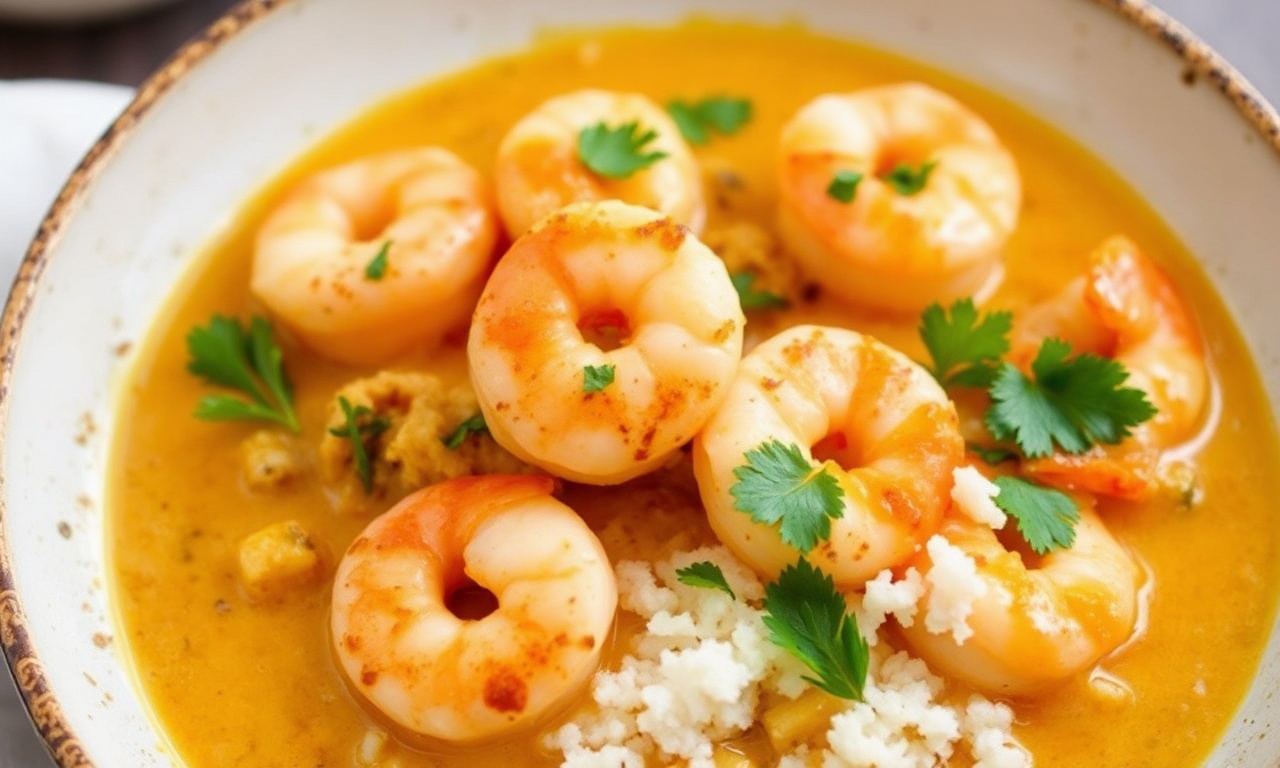
When weeknights run fast, you still deserve a meal that feels rich, aromatic, and satisfying. This Coconut Curry Shrimp recipe brings creamy coconut milk, bright lime, and bold curry flavor to your table in about 15 minutes. It works for busy cooks because shrimp cooks quickly and the sauce builds fast with a short ingredient list.
- Prep and Cook Time
- Yield and Difficulty
- Ingredients for Coconut Curry Shrimp
- Step-by-Step Guide: Best 15-Minute Method
- 1) Prep the Shrimp
- 2) Sauté Onion, Then Bloom Aromatics
- 3) Cook the Curry Paste
- 4) Simmer Coconut Milk Into a Creamy Sauce
- 5) Poach Shrimp in the Sauce
- 6) Finish With Lime and Garnishes
- Tips for Creamy Texture Without Dairy Cream
- Serving Suggestions for Coconut Curry Shrimp
- Nutrition Snapshot
- Chef’s Notes for Consistent Results
- Q&A: Coconut Curry Shrimp FAQs
- 15-minute timeline: shrimp sears while the sauce simmers.
- Creamy without dairy: full-fat coconut milk emulsifies into a silky sauce.
- Balanced flavor: curry paste + fish sauce + lime create sweet, salty, and tangy harmony.
- Easy heat control: adjust red curry paste and chili garnish to match your spice level.
This Quick & Creamy Coconut Curry Shrimp dish borrows familiar Southeast Asian flavor patterns: warm curry spice, coconut richness, and tender seafood. You start with onion, garlic, and ginger, then bloom curry paste to deepen aroma. After that, you simmer coconut milk until it turns smooth and glossy, and finally you poach shrimp just until pink.
Prep and Cook Time
Plan for a total cooking window of 15 minutes from first pan to plated servings. Most of the time comes from quick sautéing and a short simmer, which keeps the recipe realistic for weeknights.
For best timing, set up your ingredients before you heat the pan. Shrimp overcooks fast, so you want everything measured and ready to go.
- Planning: 5 minutes
- Cooking: 10 minutes
- Total Time: 15 minutes
Yield and Difficulty
This recipe makes 4 generous portions. It also scales well if you cook for a smaller household or meal prep portion sizes.
Difficulty stays at Easy because the method uses simple steps and forgiving ingredients. The only skill you need is knowing when shrimp turns opaque and pink.
Ingredients for Coconut Curry Shrimp
Choose large shrimp for the best texture. Medium shrimp cook quickly too, but large pieces stay juicy longer and hold up better in a creamy curry sauce.
To keep the sauce creamy, use full-fat coconut milk. Curry paste flavors vary by brand, so start with the amount listed, then adjust after tasting.
Core Ingredients
- 1 lb large shrimp, peeled and deveined
- 1 tablespoon coconut oil or neutral oil
- 1 small onion, finely chopped
- 3 cloves garlic, minced
- 1 tablespoon fresh ginger, grated
- 2 tablespoons red curry paste (adjust to taste)
- 1 can (13.5 oz) full-fat coconut milk
- 1 tablespoon fish sauce
- 1 tablespoon brown sugar or palm sugar
- Juice of 1 lime
- Fresh cilantro, chopped (for garnish)
- 2 green onions, thinly sliced (for garnish)
- 1 fresh red chili, sliced (optional)
- Salt and black pepper to taste
Why These Ingredients Work
Coconut milk provides body and a naturally sweet flavor that softens curry heat. Curry paste combines spices that bloom in hot fat, which makes the sauce taste more rounded and fragrant.
Fish sauce adds umami and salt. If you want to learn how umami supports savory flavor, see umami.
Step-by-Step Guide: Best 15-Minute Method
Start with shrimp and aromatics prepped. Then move quickly through the steps so the sauce stays smooth and the shrimp stays tender.
Use a wide skillet for faster evaporation and easier searing. Stir often so curry paste releases aroma without burning.
1) Prep the Shrimp
Rinse and pat the shrimp dry with paper towels. Season lightly with salt and black pepper.
Dry shrimp sears better, and it prevents excess water from thinning the sauce. If you use frozen shrimp, thaw fully and pat dry.
2) Sauté Onion, Then Bloom Aromatics
Heat coconut oil in a large skillet over medium heat. Add onion and sauté until translucent and soft, about 3–4 minutes.
Stir in garlic and ginger. Cook for about 1 minute, just until fragrant.
3) Cook the Curry Paste
Add red curry paste and stir continuously for 1–2 minutes. This step “blooms” the spices so they taste deeper in the final curry.
If you want background on curry spice blends, you can reference curry.
4) Simmer Coconut Milk Into a Creamy Sauce
Pour in coconut milk slowly while whisking or stirring to blend. Bring the sauce to a gentle simmer, not a hard boil.
Simmer for about 2 minutes to meld flavors. Then stir in fish sauce and brown sugar to balance salty, sweet, and aromatic notes.
5) Poach Shrimp in the Sauce
Add shrimp in a single layer. Cook for 3–4 minutes, flipping halfway, until shrimp turn pink and opaque.
Do not overcook. Shrimp continue to firm up after you remove them from heat.
6) Finish With Lime and Garnishes
Turn off heat and stir in lime juice. Add chopped cilantro and green onions for fresh color and fragrance.
If you like extra heat, garnish with sliced chili. For more on citrus flavor chemistry, see lime.
Tips for Creamy Texture Without Dairy Cream
Your creaminess comes from coconut milk emulsifying with curry paste and aromatics. Full-fat coconut milk naturally thickens as it warms, which gives the sauce that glossy, coating feel.
To avoid separation, simmer gently. Coconut milk can break if you boil aggressively, so aim for small bubbles at the edges.
Thicken When the Sauce Feels Too Thin
If your curry looks thin, simmer for 1–2 extra minutes while stirring. Many brands thicken faster depending on the fat content.
If you need more help, dissolve 1 teaspoon cornstarch in cold water and stir it in near the end. Heat for about 30–60 seconds until the curry turns silky.
Optional Boosts for a Richer Mouthfeel
You can deepen creaminess by adding a small handful of soaked cashews blended into a paste. Stir it in early enough for the sauce to warm and smooth out.
Cashews add nuttiness, but the main creamy base still stays coconut-forward. For general info on nuts and culinary fats, see cashews.
Serving Suggestions for Coconut Curry Shrimp
Serve the curry immediately so the shrimp stay tender. Spoon it over jasmine rice or basmati rice, so each grain soaks up the sauce.
If you prefer a lighter plate, serve it with steamed bok choy, snap peas, or roasted cauliflower. These sides add crunch or bite without diluting the curry’s flavor.
Best Pairings and Garnish Ideas
Top each bowl with cilantro and green onions. Add lime wedges at the table so guests can brighten the curry as they eat.
For extra texture, try toasted coconut flakes. If you want a wider view of rice types, you can consult rice.
Make It a Full Meal
Warm flatbread or naan works well for scooping. If you use bread, keep the curry slightly looser so it spreads easily.
This dish also pairs well with cucumber salad or a simple mango salsa. The fresh acidity balances the curry’s warmth.
Nutrition Snapshot
Nutrition will vary by shrimp size, coconut milk brand, and how much curry paste you use. The numbers below estimate a typical serving based on the ingredient list provided.
Use this table for planning. For strict tracking, weigh your shrimp and check the nutrition label on your coconut milk and curry paste.
| Nutrition per serving | Amount |
|---|---|
| Calories | 380 kcal |
| Protein | 30 g |
| Carbohydrates | 10 g |
| Fat | 25 g |
Chef’s Notes for Consistent Results
These notes help you nail flavor and texture on your first try. They also make the recipe easier to customize for different spice preferences.
Once you master the base method, you can swap shrimp sizes or add fast vegetables without changing the timeline.
Spice Level and Ingredient Choices
- Spice Level: Adjust red curry paste. Skip chili garnish for a milder bowl.
- Shrimp options: Use wild-caught or sustainably farmed shrimp if available.
- Make it gluten-free: Check labels on curry paste and fish sauce.
Speed Tips for Weeknights
- Advance prep: Mince garlic and ginger and chop onion up to 24 hours ahead.
- Brighten flavors: Finish with lime juice and fresh herbs for a clean lift.
Q&A: Coconut Curry Shrimp FAQs
If you want the most reliable results, use these quick answers. They address the issues people face most often with fast coconut curries.
When you follow the timing and taste for balance, your Coconut Curry Shrimp will come out creamy, fragrant, and properly cooked.
What makes Coconut Curry Shrimp so quick to prepare?
Shrimp cooks in a few minutes, which fits the curry timeline. You also use canned coconut milk and curry paste, so you skip long spice-building steps.
With aromatics prepped and the sauce already made, dinner can land on the table within 15 minutes.
How do I keep the curry creamy without dairy cream?
Use full-fat coconut milk and simmer gently. The curry paste and aromatics help form a smooth emulsion when warmed properly.
If the sauce looks too thin, simmer a little longer or add a small cornstarch slurry near the end.
Can I make it mild or spicy?
Yes. Mild curry comes from using less red curry paste and skipping the fresh chili. Spicy curry comes from adding more paste and using chili garnish.
Always taste the sauce before adding shrimp so you can fine-tune heat and salt.
What sides pair best with Coconut Curry Shrimp?
Jasmine rice and basmati rice work best because they soak up sauce. Steamed bok choy, snap peas, or roasted cauliflower also complement the creamy texture.
For crunch and freshness, add a cucumber salad or mango salsa on the side.
Can I use frozen shrimp for this recipe?
Absolutely. Thaw shrimp fully in the fridge, then pat dry. Dry shrimp sear better and prevents watery curry.
Cook until opaque and pink, and avoid overcooking since frozen shrimp can still finish cooking quickly.
See also: Coconut curry