

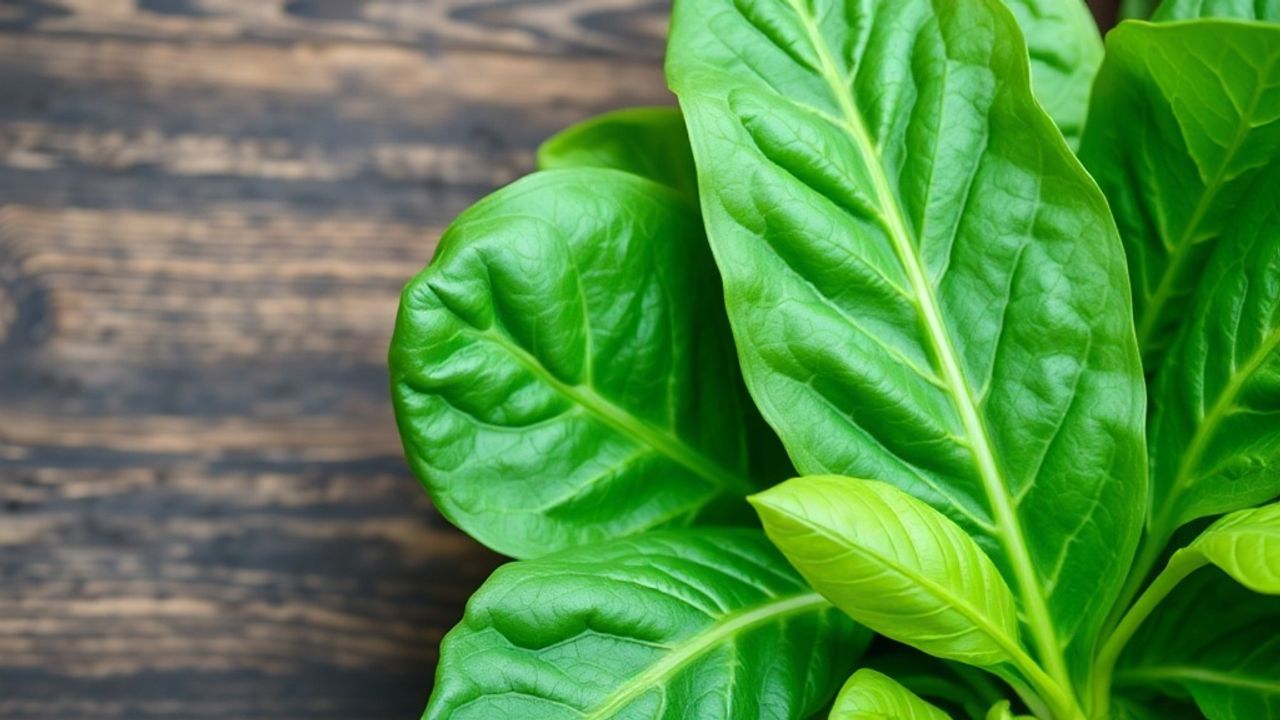
Spinach benefits deliver dense nutrition in a small serving: vitamins, minerals and antioxidants that support energy production, bone metabolism and cardiovascular function. This practical guide explains how to maximize benefits through preparation, cooking technique and pairing strategies, and it includes a quick sauté recipe designed for nutrient retention.
- Prep and Cook Time — Spinach Benefits via Proper Cooking
- Yield — Serving Size and Nutrient Impact
- Difficulty Level — Quick Wins for Daily Nutrition
- Ingredients — Key Components to Unlock Spinach Benefits
- Instructions — Step-by-Step to Preserve Spinach Benefits
- Chef’s Notes & Tips for Success — Maximize Spinach Benefits
- Serving Suggestions — Practical Meals That Enhance Spinach Benefits
- Nutrition Snapshot — What Each Serving Delivers
- Science Behind Spinach Benefits
- FAQ — Common Questions on Spinach Benefits
- Is spinach a complete source of iron?
- How does cooking affect spinach nutrients?
- Can children and seniors eat spinach safely?
- How often should I eat spinach for measurable benefits?
- Are there interactions with medications?
- Concluding Remarks
- Concentrated nutrients: spinach supplies vitamin K, iron and carotenoids per serving.
- Simple prep: light sautéing with oil improves fat-soluble vitamin absorption.
- Versatile uses: add to smoothies, eggs, grains or as a fast cooked side.
- Safety note: people on anticoagulants should monitor vitamin K intake.
Spinach is a foundational leafy green in clinical and culinary practice because it combines micronutrient density with low caloric load. For a concise botanical and nutritional baseline, review the authoritative description of spinach on Wikipedia.
Prep and Cook Time — Spinach Benefits via Proper Cooking
Short, controlled cooking preserves leaf texture while increasing the bioavailability of specific nutrients. Light sautéing reduces soluble oxalates and releases fat-soluble vitamins, which enhances absorption when paired with a healthy fat.
Typical timing: Preparation: 10 minutes, Cooking: 8 minutes, Total: approximately 18 minutes. These brief steps protect flavor and maximize the nutrient yield per serving.
Yield — Serving Size and Nutrient Impact
This sautéed spinach recipe yields four servings, concentrating nutrients across portions in a way that fits standard meal planning. Portion size directly affects intake of vitamin K and iron; clinicians use serving estimates to compare intake with recommended values.
Use the servings information to calculate daily intake against individual targets when tracking nutrients. If you need recipe variations or ideas for pairing spinach with protein or grains, see our internal recipes hub for specific combinations that preserve nutrient balance.
Difficulty Level — Quick Wins for Daily Nutrition
Rated Easy, this dish suits busy cooks who want nutrient-dense sides without complex technique. Minimal steps produce a high-return outcome: bright color, preserved micronutrients, and rapid table readiness.
Consistency matters for measurable benefit. Incorporate spinach several times per week using varied preparations to maintain dietary adherence and broaden phytonutrient exposure.
Ingredients — Key Components to Unlock Spinach Benefits
Ingredient selection influences both taste and nutrient uptake. Include a healthy fat such as extra virgin olive oil to boost absorption of vitamins A and K, and add a citrus element to improve non-heme iron uptake.
For tenderness and quick cooking, choose fresh baby spinach. The ingredient list below serves four and balances flavor with the biochemical strategies needed to maximize nutrient delivery.
- 5 cups fresh baby spinach, washed and drained
- 2 tablespoons extra virgin olive oil
- 3 cloves garlic, finely minced
- 1 small shallot, thinly sliced
- 1/4 teaspoon crushed red pepper flakes (optional)
- 1 teaspoon freshly squeezed lemon juice
- Salt and freshly ground black pepper to taste
- 2 tablespoons toasted pine nuts or slivered almonds (garnish)
- Grated Parmesan or nutritional yeast, optional topping
Instructions — Step-by-Step to Preserve Spinach Benefits
Follow a short, controlled cooking process to protect antioxidants and minerals. Rapid wilting at moderate heat keeps leaves vibrant while minimizing nutrient loss from prolonged exposure to high temperatures.
- Heat the olive oil in a large skillet over medium heat. Add minced garlic and sliced shallot; sauté gently until fragrant and translucent, about 2–3 minutes.
- Add crushed red pepper flakes and stir quickly to release aroma. This builds subtle warmth without overpowering the spinach.
- Increase heat to medium-high and add spinach in batches. Toss continuously as leaves wilt, about 3–4 minutes, until tender but still bright green.
- Season with salt and black pepper. Drizzle lemon juice to brighten flavor and aid iron absorption. Remove from heat promptly to avoid overcooking.
- Serve garnished with toasted pine nuts or almonds and a sprinkle of Parmesan or nutritional yeast for umami and added nutrients.
Chef’s Notes & Tips for Success — Maximize Spinach Benefits
Cooking technique matters for nutrient delivery. Lightly heating spinach with a small amount of fat increases the bioavailability of carotenoids and vitamin K while reducing oxalate binding that can limit mineral availability.
Store fresh spinach properly in a perforated bag in the refrigerator and use within a few days to maintain peak nutrient levels and flavor. Excess moisture accelerates spoilage and nutrient loss, so dry leaves thoroughly before cooking.
For ingredient swaps, baby spinach wilts faster and has a milder profile than mature leaves. If you prefer a stronger texture, use larger leaves but increase cook time slightly while monitoring color and moisture.
Serving Suggestions — Practical Meals That Enhance Spinach Benefits
Sautéed spinach pairs well with omega-3 rich proteins like grilled salmon or with roasted chicken to form a balanced plate. Combining spinach with whole grains boosts fiber and extends meal satiety.
Use spinach as a base for omelets, fold into savory crepes, or mix into grain bowls to increase daily green intake with minimal effort. For additional recipes that use sautéed greens, visit our internal nutrition guides for meal templates and storage advice.
Nutrition Snapshot — What Each Serving Delivers
This recipe yields a nutrient-rich side that supports multiple physiological systems. Per-serving macros approximate 90 kcal, 3.8 g protein, 5 g carbohydrates and 7 g fat, with concentrated micronutrients like vitamin K and iron.
Beyond macronutrients, spinach provides carotenoids (lutein and zeaxanthin), vitamin C, folate and magnesium. Track serving sizes when planning intake for specific clinical goals such as bone health or anemia management.
| Nutrient | Per Serving |
|---|---|
| Calories | 90 kcal |
| Protein | 3.8 g |
| Carbohydrates | 5 g |
| Fat | 7 g |
Science Behind Spinach Benefits
Understanding the mechanisms helps apply spinach strategically in diets. Key compounds—vitamin K, non-heme iron, antioxidants and dietary nitrates—operate through distinct physiological pathways that influence blood clotting, oxygen transport, oxidative stress and vascular tone.
For foundational references, consult established entries on relevant topics such as vitamin K, iron (nutrient) and antioxidants to review biochemical roles and clinical considerations.
Iron and Energy
Spinach supplies non-heme iron that contributes to hemoglobin synthesis and cellular respiration. Non-heme iron has lower bioavailability than heme iron; pairing with vitamin C increases absorption and practical effectiveness.
Count spinach as part of an iron-rich meal strategy rather than the sole iron source. Combining spinach with legumes, fortified grains or lean meats improves overall iron status across meals and days.
Antioxidants and Skin Health
Spinach contains carotenoids, flavonoids and vitamin C that scavenge free radicals and support connective tissue repair. These compounds reduce oxidative stress markers and contribute to cellular resilience when consumed regularly.
Dietary antioxidants work best in a varied diet. Relying solely on one food is less effective than consuming a range of colorful vegetables and fruits to cover different antioxidant classes.
Nitrates, Blood Flow, and Heart Support
Leafy greens provide inorganic nitrates that convert to nitric oxide in vivo, influencing vascular tone and supporting healthy blood pressure regulation. Whole-food nitrate sources such as spinach deliver these compounds alongside vitamins and minerals that modulate their effect.
For background on inorganic nitrates and physiological effects, see the general overview on nitrate. Dietary nitrates from vegetables differ significantly from processed nitrate additives used in preserved meats.
FAQ — Common Questions on Spinach Benefits
Is spinach a complete source of iron?
Spinach contains non-heme iron, which differs from the heme iron in animal products. Non-heme iron is useful but less bioavailable; combine spinach with vitamin C sources for improved absorption and plan varied iron sources for sufficient intake.
How does cooking affect spinach nutrients?
Short cooking improves availability of certain minerals and fat-soluble vitamins by reducing oxalate binding and releasing carotenoids. Avoid prolonged high heat to limit vitamin C loss and to preserve texture and color.
Can children and seniors eat spinach safely?
Yes. Spinach suits all ages when portion sizes and preparation are appropriate. Cooked spinach can aid nutrient absorption for seniors, while milder preparations help children accept greens.
How often should I eat spinach for measurable benefits?
Regular inclusion—several times per week—supports sustained nutrient intake. Vary preparation methods to maintain appetite and ensure exposure to complementary nutrients across meals.
Are there interactions with medications?
Vitamin K in spinach can interact with anticoagulant medications. Maintain consistent intake and consult a healthcare provider before making dietary changes that affect vitamin K levels; clinical monitoring may be required when adjustments occur.
Concluding Remarks
Spinach benefits accrue from both its nutrient density and how you prepare it. Simple strategies—short cooking with a healthy fat and pairing with vitamin C—convert spinach into a highly absorbable source of multiple vitamins and minerals.
Adopt practical habits such as consistent servings, varied preparations and pairing for iron absorption to use spinach as a reliable tool for daily nutrition and culinary variety. For recipe collections that complement spinach-based sides and mains, browse our internal recipes and nutrition guides.
See also: spinach benefits