

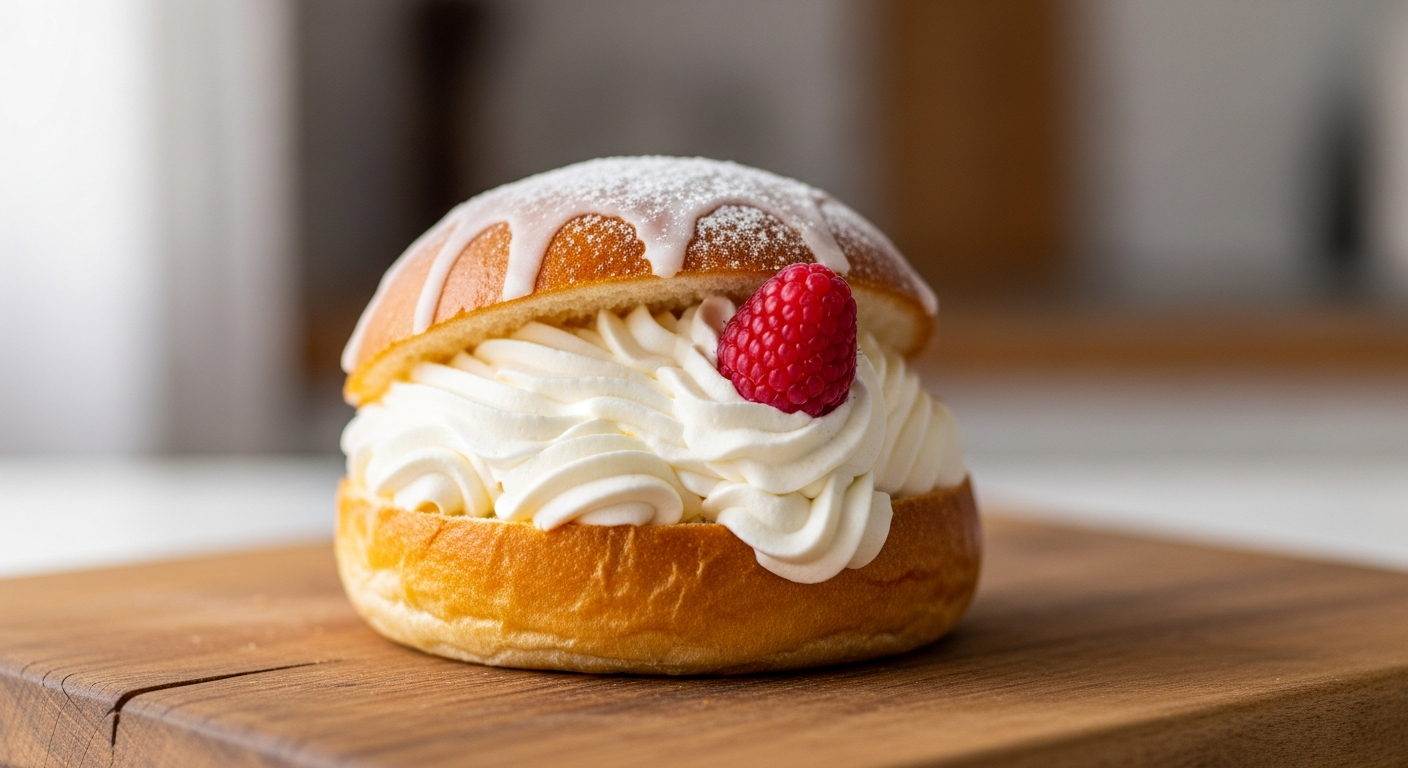
In the heart of RomeS bustling streets and cozy cafés lies a sweet secret that has captivated taste buds for centuries: the Maritozzo. These charming, fluffy buns, gently split and generously filled with luscious whipped cream, are more than just a pastry-they’re a comforting embrace in edible form.Steeped in history and tradition, sweet Roman Maritozzi offer a delightful blend of lightness and indulgence that transports you straight to the cobblestone alleys of Italy’s eternal city. Join us as we uncover the story, texture, and irresistible allure behind these iconic treats, inviting you to savor a slice of Roman sweetness like never before.
Sweet Roman Maritozzi: fluffy buns with luscious cream are a beloved treasure of Roman pastry tradition, enchanting locals and visitors alike with their airy texture and decadent filling. Originating from ancient Rome, these delicate yeast buns were once enjoyed as a celebratory treat, ofen sweetened with honey or studded with dried fruits, symbolizing luxury and festivity. Today, the classic maritozzo maintains its timeless charm, combining soft, fragrant dough with a cloud of whipped cream-making every bite a delightful journey into Italian heritage and culinary artistry.
Prep and Cook time
- Readiness: 25 minutes
- Proofing: 1 hour 30 minutes (divided)
- Baking: 20 minutes
- Total Time: Approximately 2 hours 15 minutes
Yield
Makes 8 generously sized sweet buns
Difficulty Level
Medium – Requires patience for yeast proofing and careful whipping of cream
Ingredients
- 2 ½ cups (320g) all-purpose flour, sifted
- 3 tbsp granulated sugar
- 1 tsp salt
- 1 packet (7g) active dry yeast
- ¾ cup warm whole milk (about 110°F/43°C)
- 3 tbsp unsalted butter, softened
- 2 large eggs
- Zest of 1 organic orange
- ½ tsp vanilla extract
- For brushing: 2 tbsp honey diluted with 1 tbsp warm water
- For the filling:
- 1 ½ cups (360ml) heavy cream, chilled
- 3 tbsp powdered sugar, sifted
- ½ tsp vanilla extract
Instructions
- Activate the yeast: In a small bowl, combine warm milk with yeast and 1 tablespoon of sugar. Stir gently and let it sit for 10 minutes until frothy and bubbly.
- Prepare the dough: In a large mixing bowl, whisk together the sifted flour, remaining sugar, salt, and orange zest. Add the yeast mixture, eggs, softened butter, and vanilla extract. Mix with a wooden spoon or stand mixer fitted with a dough hook until the dough forms a soft, elastic ball (about 8 minutes).
- First proof: Cover the dough with a clean kitchen towel or plastic wrap and let it rise in a warm spot for 1 hour, or until doubled in size.
- Shape the buns: Lightly flour your work surface and gently deflate the dough. Divide it into 8 equal portions and shape each into an oval or slightly elongated bun with a slit cut along the top. Place them on a parchment-lined baking tray,spaced apart.
- Second proof: Cover the shaped buns loosely and allow to rise for another 30 minutes until puffed and nearly doubled.
- Bake: Preheat your oven to 350°F (175°C). Brush each bun lightly with the diluted honey glaze to ensure a lovely golden crust. Bake for 18-20 minutes or until golden brown and hollow-sounding when tapped.
- Cool: Transfer the baked buns to a wire rack and allow to cool completely before filling.
- Whip the cream: Using a chilled bowl and whisk or electric mixer, beat the cold heavy cream with powdered sugar and vanilla on medium-high speed until soft peaks form. Be careful not to overwhip - the cream should be silky and smooth, yet hold shape firmly.
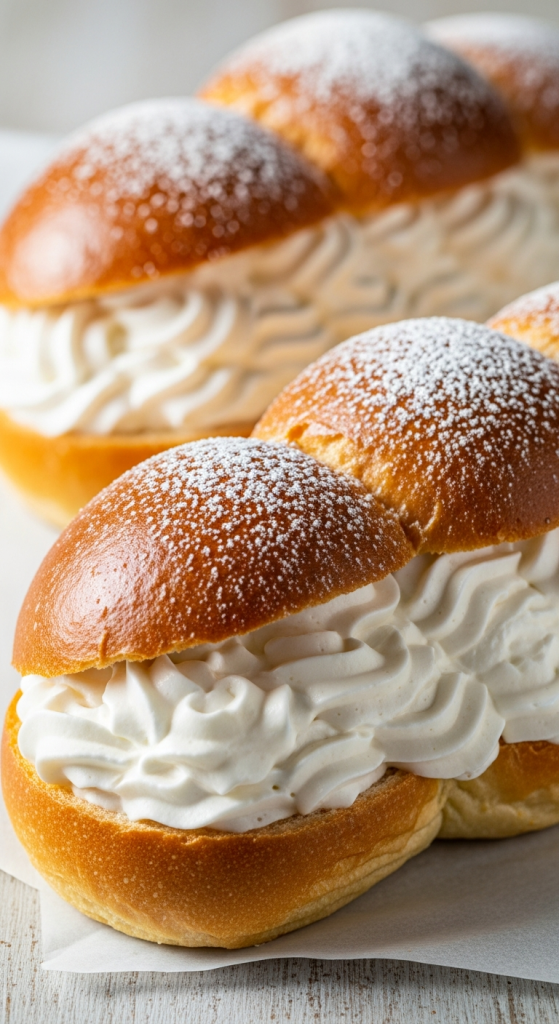
- Assemble: Slice each bun horizontally along the slit, creating a perfect pocket. Generously fill each with luscious whipped cream, using a spatula or piping bag for an elegant look.
Tips for success
- Ingredient temperature: Ensure that milk is warm but not hot (110°F/43°C) to activate yeast without killing it.
- Dough texture: The dough should feel soft and slightly tacky but not sticky. Add flour or milk sparingly to adjust consistency.
- Whipping cream: Chill your equipment and cream thoroughly; cold conditions produce a stable fill perfect for fluffiness without weeping.
- Make ahead: Buns can be baked up to a day in advance,stored in an airtight container.Whip and fill cream just before serving for optimal freshness.
- Flavor variations: add finely chopped candied orange peel or a hint of almond extract to the cream for a nuanced twist.
- Troubleshooting: If dough is dense after baking, yeast may have been inactive-use fresh yeast and check proofing temperature.
Creative Serving Suggestions
Present your Sweet Roman Maritozzi: fluffy buns with luscious cream by adorning the filled buns with a light dusting of powdered sugar or a drizzle of homemade orange blossom honey syrup for a radiant finish. For an elegant brunch, accompany with freshly brewed espresso or a fragrant Earl Gray tea.
Garnish plates with thin strips of candied citrus zest or sprinkle lightly toasted pine nuts around for a delightful textural contrast. For a festive twist, offer seasonal berries or a spoonful of homemade fruit preserves alongside the buns, inviting guests to customize each bite.
To elevate the experience visually, use a piping bag fitted with a star tip to pipe the whipped cream with beautiful swirls peeking out from the buns, creating an irresistible and photogenic presentation.
| Nutrient | Per Serving |
|---|---|
| Calories | 320 kcal |
| Protein | 6 g |
| Carbohydrates | 40 g |
| Fat | 12 g |
For a deeper dive into classic Italian desserts and pastry techniques, check out our Classic Italian Desserts guide. And to explore the rich history of Italian baking traditions, the Britannica article on Italian Cuisine offers an excellent overview.

Q&A
Q&A: Sweet Roman Maritozzi – Fluffy Buns with Luscious Cream
Q1: What exactly are maritozzi?
A1: Maritozzi are traditional Roman sweet buns, characterized by their soft, fluffy texture and a generous filling of luscious whipped cream. They’re a beloved pastry in Rome,frequently enough enjoyed as a morning treat or an indulgent snack.
Q2: Where does the name “maritozzi” come from?
A2: The name “maritozzi” is believed to derive from the Italian word marito, meaning “husband.” historically, these buns were given as gifts by Roman suitors to their fiancées, symbolizing affection and the promise of marriage.
Q3: What makes maritozzi different from other cream-filled buns or pastries?
A3: The magic of maritozzi lies in their light, airy dough and the rich, slightly sweet whipped cream filling. Unlike denser pastries, maritozzi have a delicate crumb that melts in the mouth, paired with a creamy filling that’s just the right balance of sweet and fluffy-not too heavy, not too sugary.
Q4: How are maritozzi traditionally prepared?
A4: Traditionally, the dough is enriched with eggs, butter, and a touch of citrus zest-frequently enough orange or lemon-to add brightness. after a slow rise to develop a tender crumb, the buns are baked until golden. Once cooled,they are sliced and filled generously with whipped cream,sometimes accented with a dusting of powdered sugar or a drizzle of honey.
Q5: Can maritozzi be made with option fillings?
A5: Absolutely! While the classic whipped cream is iconic, variations include fillings such as pastry cream, mascarpone sweetened with a hint of vanilla, or even fresh fruit compote. However, the essence of maritozzi remains in the balance between the fluffy bun and a luscious, creamy center.
Q6: When is the best time to enjoy maritozzi?
A6: Maritozzi are often enjoyed at breakfast alongside a cappuccino or espresso, evoking the warm, sunlit streets of Rome in the morning. Their sweet, airy nature makes them equally delightful as an afternoon treat or a light dessert after a meal.
Q7: Are maritozzi difficult to make at home?
A7: Maritozzi require patience, mainly due to the dough’s rising times, but they’re not overly complicated. With a bit of care-especially in achieving the right dough consistency and whipping the cream properly-home bakers can recreate these iconic Roman buns and bring a piece of Italy into their kitchen.
Q8: What tips help achieve the perfect texture for maritozzi?
A8: The keys to perfection are using high-quality flour and fresh eggs, allowing the dough ample time to rise slowly for softness, and whipping the cream just to soft peaks so it remains light but stable. Adding a touch of citrus zest or vanilla to the dough or cream can elevate the flavor to that authentic Roman flair.
Q9: How should maritozzi be stored?
A9: Because of the fresh cream filling, maritozzi are best enjoyed the same day.If necessary, store them in the refrigerator in an airtight container and consume within 24 hours to keep the cream fresh and the bun soft.
Q10: Can maritozzi be adapted for special dietary needs?
A10: Yes! For those seeking dairy-free options,whipped coconut cream makes a luscious alternative to traditional dairy cream. Gluten-free versions can be attempted using specialized flour blends, though the texture may differ slightly from the classic airy bun.
Enjoying maritozzi is more than just a culinary pleasure-it’s a sweet dive into Roman tradition and the art of simple yet exquisite baking. Whether you savor them in a café by the Tiber or create them in your own kitchen, these fluffy buns with luscious cream invite you to indulge in a timeless Italian delight.
Insights and Conclusions
As you savor the thought of biting into a Sweet Roman Maritozzo-its pillowy bun yielding to a cloud of luscious cream-you’re not just tasting a dessert; you’re experiencing a slice of Roman tradition, rich with history and simple joy. Whether enjoyed as a morning treat with a cup of coffee or as an indulgent afternoon delight, the maritozzo invites you to pause, appreciate, and celebrate the art of humble ingredients transformed into something truly unusual.
So next time you crave a sweet escape, let the fluffy buns and creamy embrace of the Maritozzo transport you straight to the heart of Italy’s eternal city.Buon appetito!