

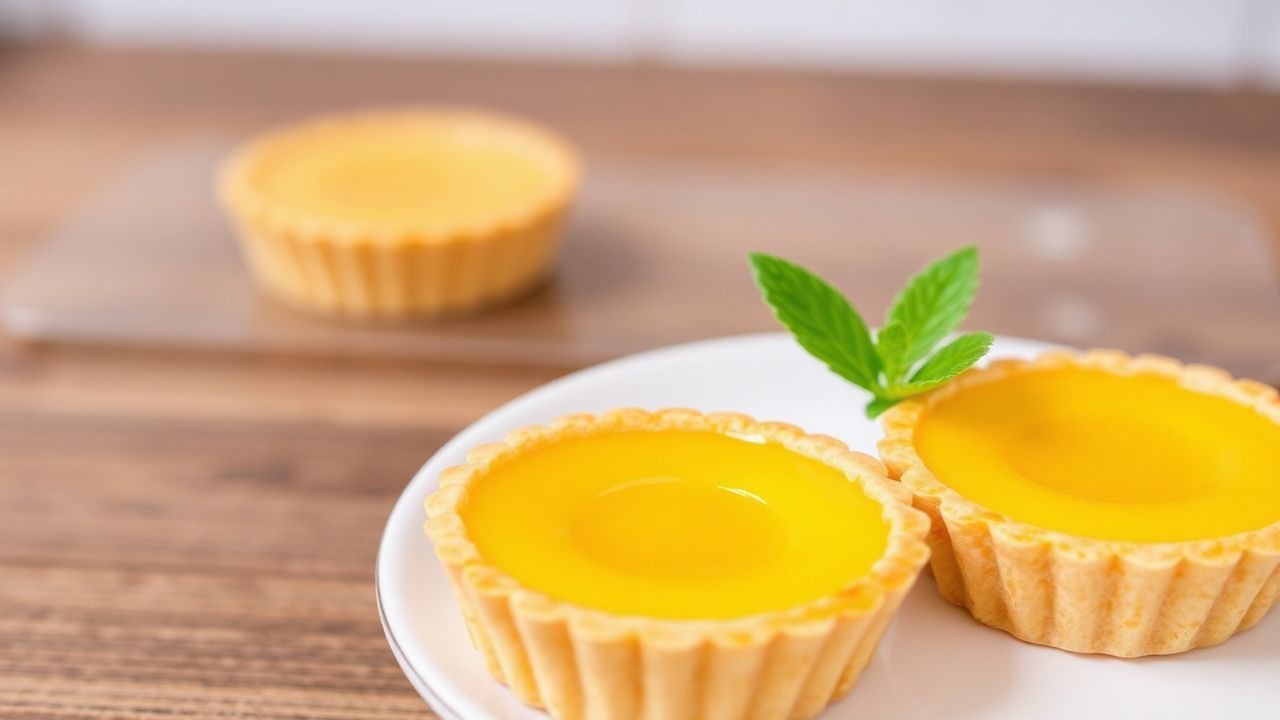
Golden, glossy, and full of tropical charm, quindim (sweet coconut custard tarts) win hearts with a silky custard and a bright caramel-like shine. These Brazilian desserts feature egg yolks, coconut, and sugar baked gently until the center stays creamy. The look matters, too—quindim forms a smooth dome that tastes as good as it looks.
- What Makes Quindim Different from Other Custard Tarts?
- Prep and Cook Time
- Yield and Difficulty
- Ingredients
- Instructions
- Serving Suggestions for Sweet Coconut Custard Tarts
- Nutritional Snapshot
- Origins and Cultural Context of Quindim
- Q&A
- What exactly is quindim?
- Why does my quindim crack or look uneven?
- Can I make quindim ahead of time?
- How do I unmold quindim cleanly?
- Is quindim gluten-free?
- In Retrospect: Why Quindim Still Feels Special
At a Glance
- Focus keyword: quindim—sweet coconut custard tarts from Brazil.
- Texture target: set edges with a tender, creamy center.
- Method secret: a water bath for even baking and fewer cracks.
- Flavor engine: coconut aroma plus the natural richness of egg yolk.
Originating from Brazil’s culinary roots, quindim belongs to a tradition of egg-based sweets. The glossy surface comes from proper baking, heat control, and mold preparation. If you follow the steps carefully, you can repeat that signature shine in your own kitchen.
To understand why quindim feels so “right,” look at the ingredients and the science behind them. Egg yolks thicken as they heat, coconut adds aroma and fat, and sugar caramelizes at the surface. Together, they create a custard tart that feels rich yet clean on the palate.
Quindim Delight: Sweet Coconut Custard Tarts with Brazilian Personality is a radiant gem of Brazilian dessert culture, known for its vivid yellow top and velvety bite. This treat blends creamy egg yolk custard with fragrant coconut, then bakes it until the surface turns glossy and lightly caramelized. Many home bakers love quindim because the recipe feels simple, yet the result looks bakery-level. For broader context on Brazilian dessert traditions, see Brazilian cuisine.
What Makes Quindim Different from Other Custard Tarts?
Quindim earns its own identity because it uses mostly egg yolks, not whole eggs, and it bakes into a dense, spoonable custard. That yolk richness gives a deep, warm color and a smooth mouthfeel. Also, quindim focuses on the surface finish—you want a shiny dome, not a matte top.
Another key difference comes from coconut handling. Finely shredded coconut disperses well in warm milk, which helps the flavor spread evenly. Then, straining removes larger pieces so the final texture stays silky. If you want to explore custard basics, this overview of custard can help you understand thickening and texture.
Prep and Cook Time
Plan your workflow so the custard chills long enough to unmold cleanly. You also want your ramekins buttered thoroughly before you pour. That small prep step keeps the custard dome intact.
- Preparation Time: 15 minutes
- Cooking Time: 35 minutes
- Cooling Time: 30 minutes
- Total Time: 1 hour 20 minutes
Yield and Difficulty
This recipe makes enough for sharing without overloading the oven. You’ll get consistent results when each tart bakes at the same depth and heat exposure.
Yield: Makes approximately 12 individual tarts.
Difficulty Level: Medium. You need attention during baking time and straining, but the method stays approachable for confident home bakers.
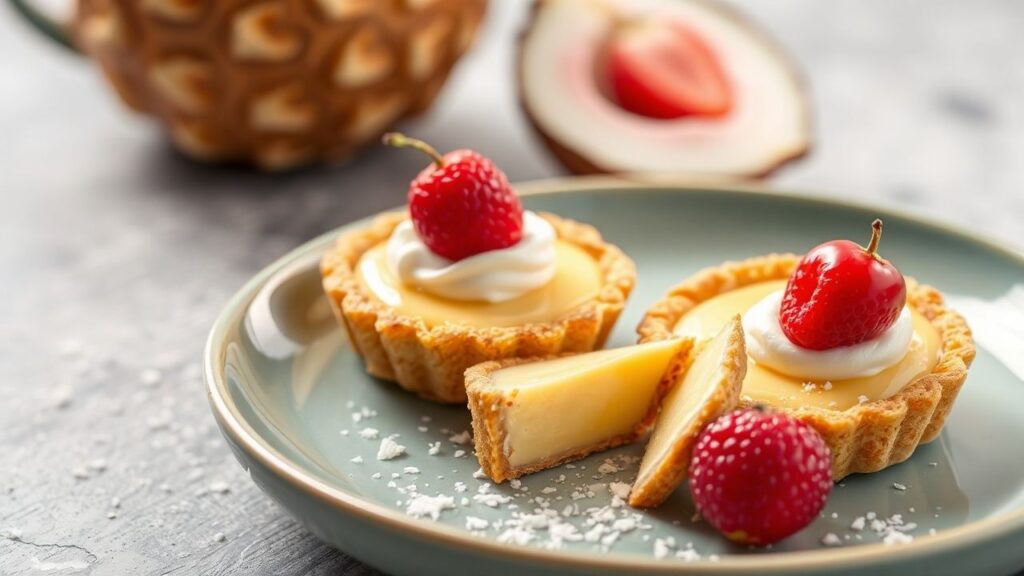
Ingredients
Use room-temperature egg yolks for smoother mixing and better emulsification. If your yolks feel cold, the custard can thicken unevenly during whisking. That’s why this step matters for the final dome.
- 2 cups granulated sugar
- 1 cup unsweetened shredded coconut, finely shredded for best texture
- 10 large egg yolks, at room temperature
- 1/2 cup whole milk
- 4 tablespoons unsalted butter, melted, plus extra for greasing
- 1 teaspoon pure vanilla extract
- Pinch of fine sea salt
For ingredient background, coconut is rich in fats and aroma compounds that release well in warm milk. If you want to read the nutrition and food properties, check coconut.
Instructions
Keep your temperatures gentle. Custard sets by heating the egg proteins, so you should avoid high, dry heat. That approach helps the top stay smooth and glossy.
- Preheat your oven to 350°F (175°C). Butter 12 small ramekins or a muffin tin thoroughly for clean release.
- In a small saucepan, combine milk and shredded coconut. Warm gently over low heat for 5 minutes. This step infuses the milk with coconut aroma and softens the shreds.
- Remove from heat and cool slightly. Strain through a fine sieve, pressing gently to extract flavor. Save the pulp if you want it for another bake, but discard it for classic smoothness.
- In a large mixing bowl, whisk egg yolks and sugar vigorously until pale and slightly thickened—about 3–4 minutes. This improves the custard’s final texture by helping sugar dissolve.
- Slowly incorporate warm coconut milk while whisking continuously. Add it gradually to avoid scrambling the eggs.
- Add melted butter, vanilla, and a pinch of salt. Stir until the mixture looks uniform and glossy.
- Strain the custard mixture again for extra smoothness. This prevents lumps and keeps the dome clean.
- Pour the custard evenly into ramekins, filling about 3/4 full.
- Place ramekins in a deep baking dish. Add boiling water until it reaches halfway up the sides to create a water bath.
- Bake for 35 minutes. The edges should look set, while the center remains slightly jiggly. The surface should show a bright, golden shine.
- Cool and chill by lifting ramekins from the water bath carefully. Let cool to room temperature, then refrigerate at least 30 minutes before unmolding.
- To serve, run a knife around the edge, invert onto a plate, and lift the ramekin. Serve at room temperature for the best custard softness.
Custards rely on protein coagulation and thickening. If you want scientific backing for this process, review protein behavior in cooking contexts, then apply it by using gentle heat and proper timing.
Tips for Success: Crafting the Perfect Quindim
Small technique choices decide whether your tarts look like a Brazilian bakery or an everyday custard. Focus on straining, even heat, and proper chilling. Those steps reduce defects and boost shine.
- Use fresh egg yolks at room temperature for better color and smoother emulsification.
- Strain the custard twice to achieve the iconic, flawless smoothness.
- The water bath stabilizes temperature and helps prevent cracking. Keep the water level consistent.
- Butter every ramekin generously to help unmolding and keep the surface tidy.
- For extra coconut aroma, lightly toast shredded coconut before adding to milk. Stop as soon as it turns fragrant.
- Make-ahead friendly: Bake a day ahead. Chilled flavors meld, and the tart holds shape better.
If you like a deeper look at baking methods for tender results, see baking.
Serving Suggestions for Sweet Coconut Custard Tarts
Quindim shines when you serve it with contrast. The creamy custard benefits from cool temperature, while garnishes add crunch and fresh aroma. That balance makes each bite feel complete.
Serve quindim on white plates to highlight the golden top. Garnish with a small mint sprig, or add a sprinkle of toasted coconut flakes for texture. If you prefer a tangy balance, pair it with citrus fruit or a light fruit salad.
For a classic Brazilian companion, serve with coffee. You can also pair it with fruit like mango or passion fruit, which echoes tropical notes without overpowering the custard. For background on coffee culture, use coffee.
Nutritional Snapshot
Nutrition varies based on brands and exact portion size. Still, you can plan around a typical single tart as a rich, sweet snack rather than a light dessert.
| Nutrient | Amount (per tart) |
|---|---|
| Calories | 190 kcal |
| Protein | 4 g |
| Carbohydrates | 27 g |
| Fat | 8 g |
Egg yolks and butter increase satiety through fat and protein, while sugar drives the caramelized top. If you want ingredient-level detail, you can explore eggs for an overview of why yolks thicken and color baked custards.
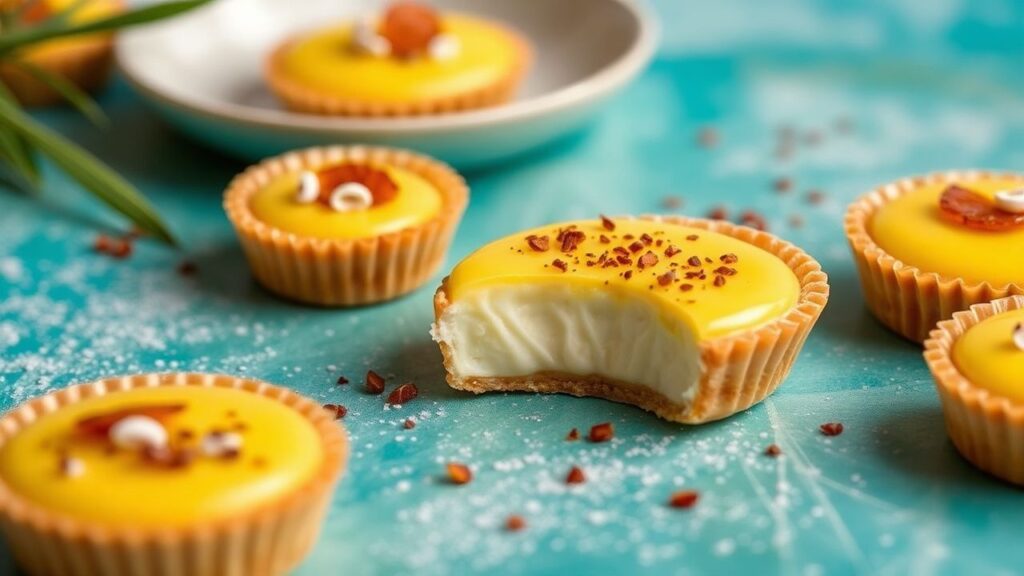
Origins and Cultural Context of Quindim
Quindim sits within Brazil’s wider tradition of sweets shaped by Portuguese influence and local ingredients like coconut. That mix created a style of dessert where eggs and sugar play the starring role. Today, you find quindim at celebrations and family tables because it delivers both flavor and visual impact.
Brazil’s food history ties to colonial-era culinary exchange and regional ingredient availability. If you want a starting point for that larger story, read Portuguese cuisine and then connect it to Brazilian dessert patterns. For a broader view on cultural exchange through food, explore cuisine.
Q&A
What exactly is quindim?
Quindim is a Brazilian dessert that looks like a small, glossy custard tart. It relies on egg yolks and sugar to form a dense, creamy filling, then uses coconut for aroma and texture. The hallmark is the bright golden dome.
Why does my quindim crack or look uneven?
Cracks usually come from harsh heat or overbaking. A water bath helps regulate temperature so the custard sets evenly. Also, straining removes lumps that can create texture faults.
Can I make quindim ahead of time?
Yes. Quindim improves after chilling because the custard firms and the flavors blend. Bake it up to a day ahead, refrigerate, then unmold right before serving for the best presentation.
How do I unmold quindim cleanly?
Let the tarts cool, then chill at least 30 minutes. Run a knife around the edges and invert onto a plate with a smooth, confident motion. If buttering feels uneven, re-butter thoroughly next time.
Is quindim gluten-free?
Classic quindim uses eggs, sugar, coconut, and dairy, with no flour. That makes it naturally gluten-free in principle. Still, check your labels for any cross-contamination if you bake for someone with celiac disease.
In Retrospect: Why Quindim Still Feels Special
Sweet coconut custard tarts are more than a dessert—they’re a small slice of Brazil’s baking identity. The glossy top, the coconut fragrance, and the creamy custard center create a texture contrast that keeps people coming back. When you master gentle baking and careful straining, the result looks impressive every time.
Whether you serve quindim at a festive gathering or as a quiet treat with coffee, you’ll taste the balance of richness and freshness. If you want to keep improving, adjust coconut fineness, watch the jiggle window, and trust the water bath. That steady method turns quindim into a repeatable specialty.
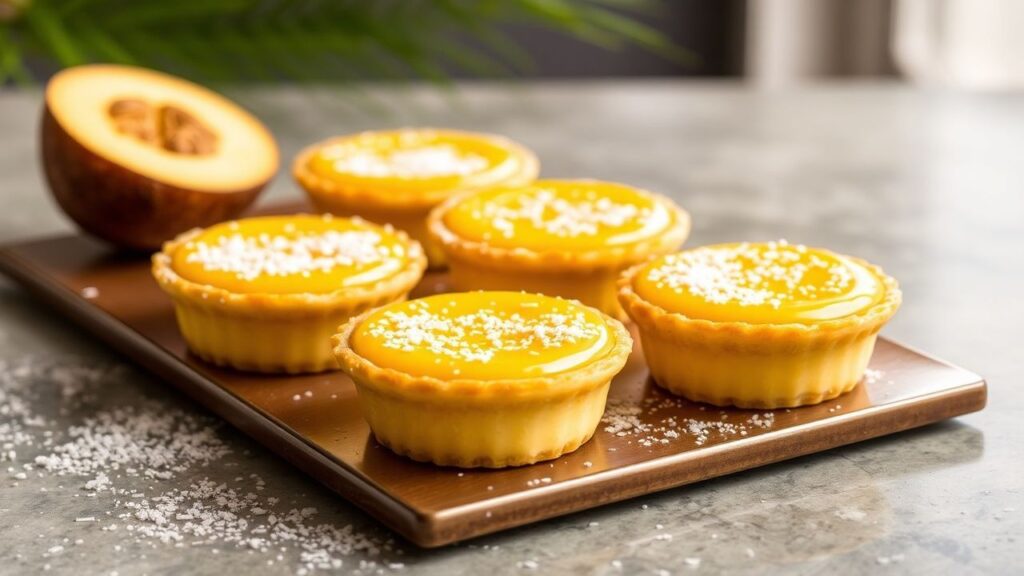
See also: quindim