
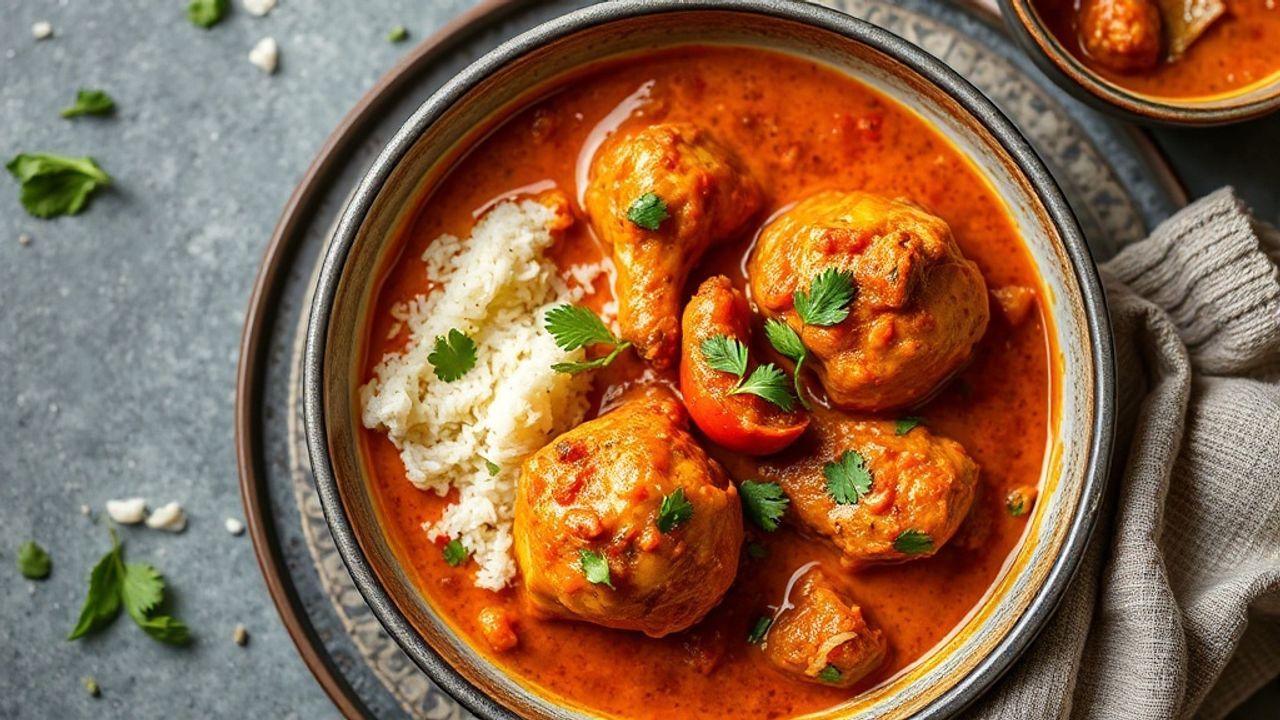
Butter Chicken Bliss: 7 Expert Tips to Master Murgh Makhani
Butter Chicken is a classic Indian curry celebrated for its velvety tomato gravy and tender, spice‑kissed chicken. This guide focuses on precise techniques, ingredient choices, and timing to help you reproduce authentic Murgh Makhani at home.
- Prep and Cook Time for Butter Chicken
- Yield and Difficulty — Butter Chicken for the Home Cook
- Essential Ingredients for Butter Chicken (Murgh Makhani)
- Step by Step: Perfecting the Butter Chicken Gravy
- Insider Tips for the Best Butter Chicken
- Chef’s Notes, Variations, and Food Safety
- Serving Suggestions for Butter Chicken
- Nutrition Snapshot
- FAQ
- Marinate well: yogurt and acid create tenderness and depth.
- Use thighs: boneless thighs keep the meat juicy under long simmering.
- Low heat finish: add cream off heat to avoid curdling and preserve silkiness.
Prep and Cook Time for Butter Chicken
Planning your schedule makes a big difference. Allow 20 minutes for prep, at least 1 hour for marination, and roughly 35 minutes for cooking to reach a total of about two hours.
When you marinate overnight, the flavors intensify and the texture improves. This step transforms the chicken into the dish’s centerpiece.
Yield and Difficulty — Butter Chicken for the Home Cook
This recipe yields enough for four generous servings, ideal for a family meal or a small dinner gathering. The difficulty level sits at medium; the techniques are straightforward but require attention to timing.
With clear steps, even cooks new to Indian cuisine can achieve restaurant-quality results. Follow tools, heat control, and ingredient order closely for consistent outcomes.
Essential Ingredients for Butter Chicken (Murgh Makhani)
Ingredient selection drives authenticity. Use plain yogurt for marinade, ripe tomatoes for a natural sweetness, and unsalted butter plus cream for that characteristic richness.
Include dried fenugreek (kasuri methi) for that earthy finish and Kashmiri chili powder for color without excessive heat. For background reading on fenugreek, see fenugreek.
- 700 g boneless chicken thighs, cut into 1.5‑inch pieces
- 1 cup plain yogurt
- 2 tbsp lemon juice
- 2 tbsp ginger‑garlic paste
- 1 tsp turmeric, 2 tsp Kashmiri chili powder, 2 tsp garam masala
- 4 tbsp unsalted butter, 3/4 cup fresh cream, 1 tbsp cashew paste
- 1 large onion, finely chopped, 3 ripe tomatoes pureed
- Kasuri methi, cumin seeds, oil, salt, coriander for garnish
Step by Step: Perfecting the Butter Chicken Gravy
Follow the sequence: marinate, sear, build the base, return chicken, finish with cream. Each stage contributes texture and layered flavor.
Keep heat control consistent. Searing adds color and caramelization while slow simmering develops depth without overcooking the meat.
Marination and Searing
Combine yogurt, lemon, ginger‑garlic paste, turmeric, Kashmiri chili powder, and salt. Toss chicken to coat and chill for at least one hour or overnight for best results.
Sear in a hot pan with 1 tablespoon oil until lightly browned; do not cook through. Browning locks flavor and gives the meat structure to absorb the gravy.
Building the Tomato Base
In the same pan, melt butter and add cumin seeds until they splutter and perfume the oil. Sauté onions until soft and lightly golden to create a sweet foundation.
Add fresh tomato puree and cook until the oil separates from the masala; this signals a concentrated, robust base. Stir in cashew paste and remaining butter for body and sheen.
Integrating the Chicken
Return the seared chicken and any juices to the pan. Cover and simmer on low for about 15 minutes, allowing the meat to finish cooking and absorb the sauce.
Add fresh cream off direct heat and fold gently. Do not boil after adding cream to prevent curdling and to preserve the sauce’s silkiness.
Insider Tips for the Best Butter Chicken
Small technique tweaks yield big improvements. Choose thighs for moisture retention and control heat at each stage to build texture without breaking the sauce.
For reliable spice balance, measure ground spices and taste mid‑simmer. Adjust salt and acidity last to maintain harmony between cream and tomato.
Use a heavy-bottomed pan to prevent hot spots and ensure even cooking. A cast-iron or thick-gauge stainless pot gives the most consistent results.
Chef’s Notes, Variations, and Food Safety
Substitutions can adapt Butter Chicken to dietary needs while retaining core character. Use coconut or cashew cream for dairy-free variants and swap butter for ghee or neutral oil if needed.
Always follow safe poultry handling: keep raw chicken chilled, avoid cross-contamination, and ensure internal temperature reaches 74°C (165°F) when fully cooked. For historical context on the dish and its origin, consult the butter chicken article.
If using cashew paste, soak nuts thoroughly for a smoother texture. Blend to a fine paste to avoid graininess in the finished sauce.
Serving Suggestions for Butter Chicken
Serve Butter Chicken with steamed basmati rice or warm naan to take advantage of the sauce’s viscosity. Plain rice lets the curry shine while bread offers a tactile way to enjoy each bite.
For guidance on rice technique, see basmati rice. For complementary flatbread ideas, review traditional tandoor baking at tandoor.
Include at least two internal recipe links for deeper site navigation: perfect basmati rice and buttery naan recipe. These internal links improve session depth and help readers build a complete meal plan.
Nutrition Snapshot
Butter Chicken is energy-dense due to butter and cream. Typical portions provide protein, fat, and modest carbohydrates when served with rice.
Use lower-fat cream alternatives or reduced butter portions to control calories while keeping the flavor profile intact. Adjust portions to match dietary goals.
FAQ
How long should I marinate chicken for the best Butter Chicken?
Marinate for at least one hour to let acid and enzymes tenderize the meat. Overnight marination yields noticeably better texture and deeper flavor penetration.
If short on time, a 30‑minute marinade still helps, but do not skip it entirely to avoid bland results.
Can I use chicken breast instead of thighs?
You can use breasts, but they dry out faster and can become tough with prolonged cooking. If you use breasts, reduce searing time and finish gently in the sauce to preserve juiciness.
Thighs are forgiving under slow simmering and produce a more succulent final plate for Butter Chicken.
Is grilling the chicken necessary for authentic flavor?
Traditional preparations often use tandoor or smoky grilling for char and depth. However, pan‑searing or oven‑roasting the marinated chicken replicates much of that effect at home.
If you want a smoky note, briefly broil or char the seared pieces on a hot pan or under the grill before returning them to the sauce.
What spices make the flavor profile of Butter Chicken?
Key spices include garam masala, cumin, turmeric, and Kashmiri chili for color. Kasuri methi (dried fenugreek) adds the final aromatic layer that distinguishes Murgh Makhani.
Balance and timing matter: add whole spices early to bloom in fat and powdered spices later to layer aroma without burning.
How do I keep the sauce smooth and not grainy?
Use smooth cashew paste and strain tomato puree if needed to eliminate seeds and solids. Cook the puree until oil separates to concentrate and smooth the base.
Add cream off heat and fold gently. Avoid high agitation or rapid boiling after adding dairy to maintain a satin sauce.
With these methods, you should be able to produce a reliable, restaurant-style Butter Chicken at home that delivers on texture, balance, and aroma.
See also: Butter Chicken