

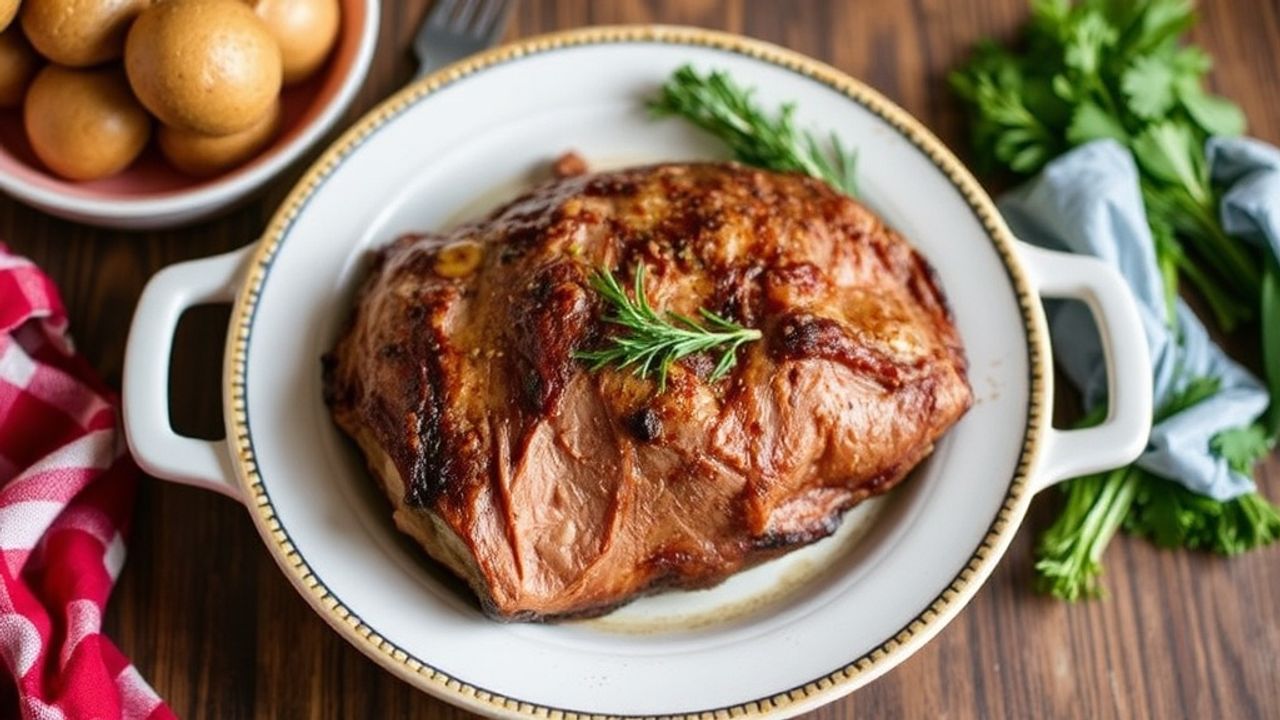
The Instant Pot delivers tender, savory pot roast with far less hands-on time than traditional slow cooking. This guide shows tested techniques for searing, pressure-cooking, and finishing a perfect roast so every serving tastes deliberate and rich.
- At a glance: sear first, pressure-cook 60 minutes, rest with natural release.
- Key flavor builders: caramelized crust, deglazing, and herb aromatics.
- Pro tip: choose a well-marbled roast and keep liquids below the max fill line.
Effortless Comfort: Mastering Instant Pot Pot Roast
Instant Pot pot roast gives home cooks a reliable path to melt-in-your-mouth texture without lengthy slow-roasting. The appliance combines high-pressure steam and heat to break down collagen quickly and evenly for a succulent result.
Understanding how pressure speeds collagen conversion helps you control tenderness and mouthfeel. For background on pressure methods, see pressure cooking.
Instant Pot Prep and Cook Time
Plan for about 90 minutes total: 15 minutes active prep, 60 minutes high-pressure cooking, plus 15 minutes natural pressure release. These windows produce a reliably tender roast from a 3–4 pound cut.
Adjust times for size and cut. Larger cuts or very tough muscles need more time; lean cuts require slightly less. Refer to general meat science on beef for guidance on connective tissue and marbling.
- Readiness: 15 minutes prep
- Pressure cooking: 60 minutes on high
- Natural release: 15 minutes
- Total: ~90 minutes
Ingredients for Instant Pot Pot Roast
Use a 3–4 pound well-marbled roast such as chuck for optimal collagen and flavor. Fresh aromatics and a concentrated liquid base yield an intense braising sauce.
Keep seasonings straightforward: salt, pepper, smoked paprika, garlic, onion, tomato paste, herbs, and beef stock. For a reference on the classic dish, see pot roast.
- 3–4 lb chuck roast, trimmed
- 2 tbsp olive oil
- 1 cup beef broth, low sodium
- 1/2 cup dry red wine (optional)
- 1 large onion, thick-sliced
- 4 cloves garlic, smashed
- 3 medium carrots, 2-inch chunks
- 2 celery stalks, sliced
- 2 tbsp tomato paste
- 2 sprigs fresh rosemary
- 2 sprigs fresh thyme
- 2 bay leaves
- 1 tsp smoked paprika
- 1 tsp kosher salt
- 1/2 tsp freshly ground black pepper
- 1 tbsp all-purpose flour (optional, for thickening)
Instructions
Searing and Flavor Building
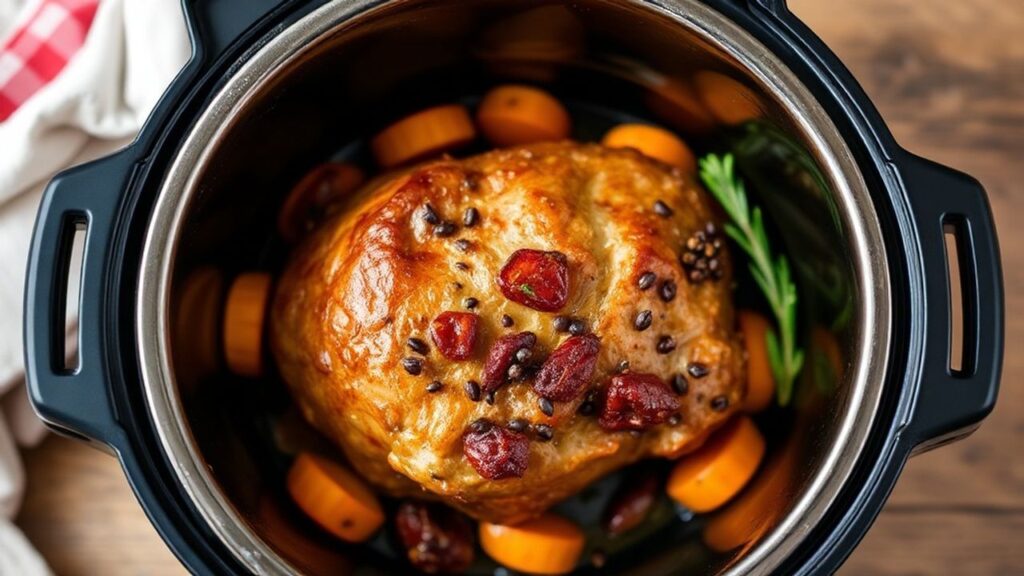
Pat the roast dry and season liberally with salt, pepper, and smoked paprika. Use the Instant Pot on Sauté to heat oil until shimmering, then sear the roast 3–4 minutes per side to build a deep brown crust.
Remove the roast and add onions, carrots, and celery to the hot pot; sauté until soft and slightly caramelized. Stir in garlic and tomato paste for one minute to develop umami before deglazing with wine or a little broth.
Pressure Cooking and Finishing
Return the roast to the pot, nestling it among the vegetables and herbs. Add beef broth, rosemary, thyme, and bay; verify liquid stays below the max fill line for safe pressure build-up.
Seal the lid and set to Pressure Cook (High) for 60 minutes, then allow a 15-minute natural release. Remove meat and vegetables to rest, then reduce the liquid on Sauté if you want a thicker sauce, adding a slurry of flour and cold water if desired.
Tips for Success
Searing is non-negotiable for flavor; the fond released during deglazing forms the backbone of the braising liquid. Use a wooden spoon to scrape the pot floor when deglazing to capture those caramelized bits.
Keep the Instant Pot below its max fill marker and choose cuts with connective tissue for the best texture after pressure cooking. For technique background on searing and Maillard reactions, consult browning (cooking).
[/* spacer paragraph to separate callouts */]
For make-ahead convenience, refrigerate the roast overnight; flavors meld and often taste better the next day. Reheat gently with added broth to restore juiciness.
When thickening, whisk a cold slurry into the simmering liquid off-heat first to prevent lumps. Finish with a short simmer on Sauté to integrate starch and concentrate flavor.
Consider small adjustments like a splash of Worcestershire or a teaspoon of Dijon to amplify umami. Small acid finishes (a teaspoon of vinegar) brighten the braise without thinning the sauce.
Serving Suggestions
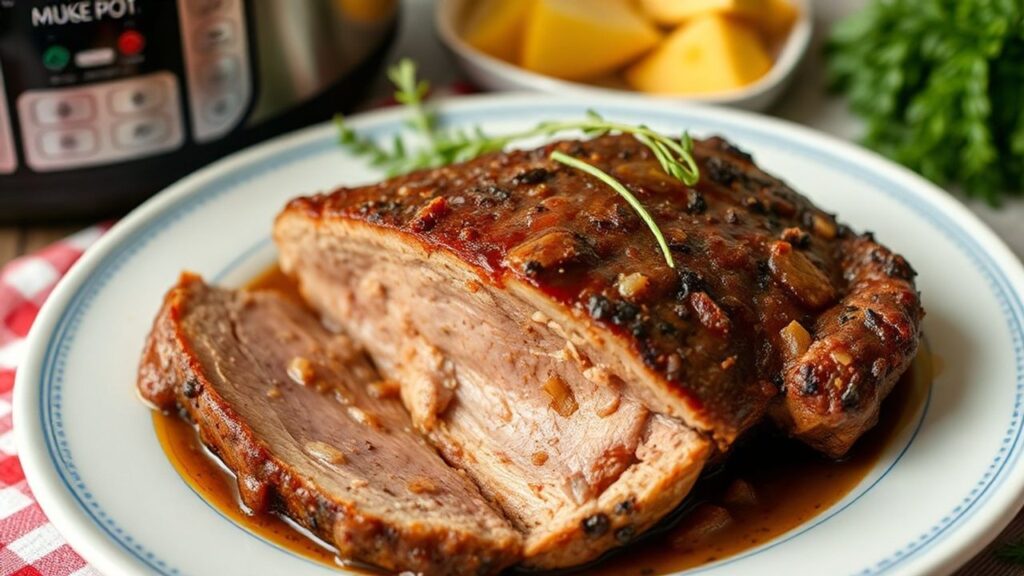
Slice the roast against the grain and ladle the sauce and vegetables over the meat for moist, elegant portions. Pair with creamy mashed potatoes or buttered egg noodles to capture every drop of sauce.
A crisp green salad or lightly roasted root vegetables provide textural contrast. Finish with chopped parsley or extra thyme for visual and aromatic lift.
Nutrition
Typical nutrition for a serving depends on cut, trimming, and added fats. Estimate roughly 420 kcal with balanced protein and moderate fat for a 3–4 pound chuck roast prepared as described.
Adjust portions and sides to match dietary goals. For lower-carb plates, serve the roast over mashed cauliflower or a green vegetable medley.
| Nutrient | Per Serving |
|---|---|
| Calories | 420 kcal |
| Protein | 38 g |
| Carbohydrates | 12 g |
| Fat | 22 g |
Relevant Reading
For historical and culinary context on the roast and similar braises, see the overview for roasting (cooking). This helps place the pot roast within broader meat-cooking methods.
To learn more about ingredient roles and classic pairings, review the general notes on herbs and their aromatic properties. That knowledge guides herb timing in the cook cycle.
FAQ
How long should I pressure cook a 3-pound chuck roast in the Instant Pot?
Cook 60 minutes on high pressure for a 3–4 pound chuck roast followed by a 15-minute natural release. This timing reliably converts collagen to gelatin and yields tender slices.
Can I use a different cut besides chuck?
Yes. Brisket, rump, or shoulder work but adjust time slightly: very lean cuts need less time, very large or tough cuts may need more. Choose cuts based on marbling and desired shreddability.
Do I need wine in the braising liquid?
Wine adds depth but is optional. Substitute extra beef broth and a splash of balsamic or Worcestershire for umami if you prefer no alcohol.
How do I prevent the roast from drying out?
Use recommended cook times, allow a natural pressure release, and avoid over-trimming fat. Rest the roast briefly before slicing to redistribute juices.
Can I cook vegetables with the roast?
Root vegetables like carrots and potatoes cook well but can over-soften. Add delicate pieces later or reduce pressure time slightly when including many starchy vegetables.
With these techniques, the Instant Pot delivers dependable, restaurant-quality pot roast with a fraction of the hands-on time. Practice searing, respect fill limits, and use the natural release for the best texture every time.
See also: Instant Pot