

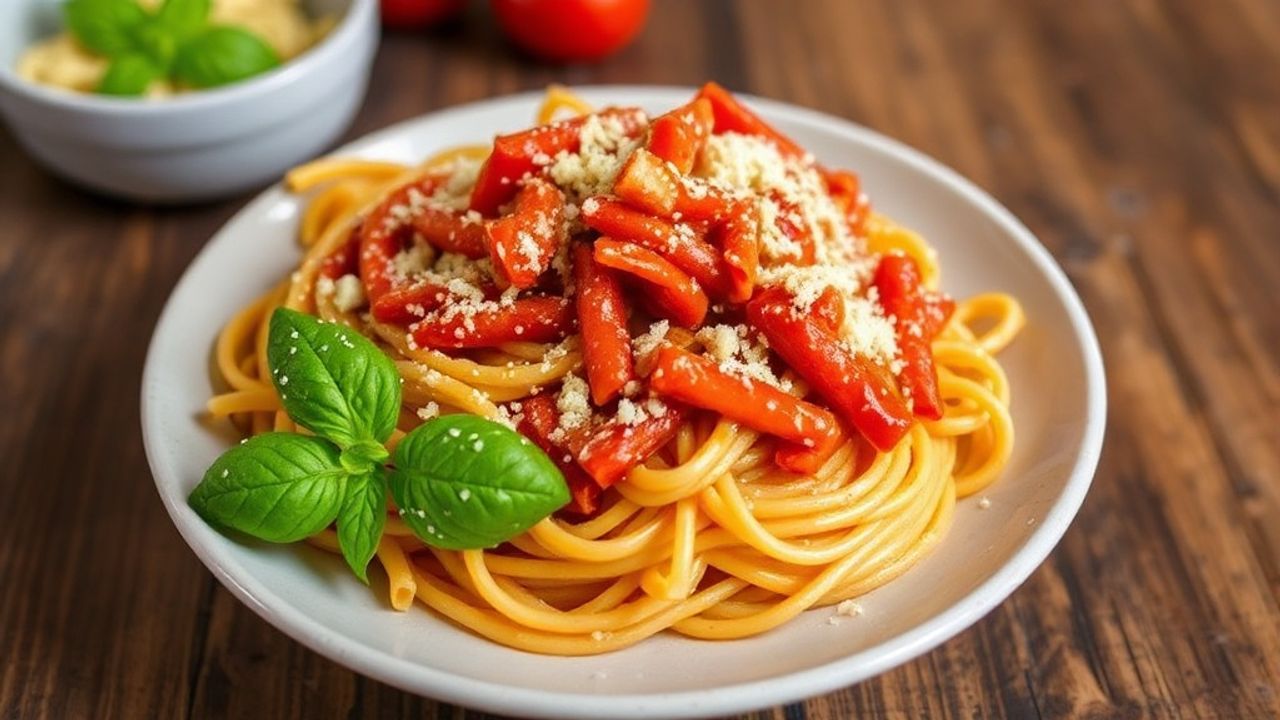
Penne Arrabbiata delivers a compact, spicy hit that defines rustic Roman pasta. The recipe pairs ripe tomatoes, sliced garlic, and red chili so the sauce clings to ridged penne for maximum flavor.
- Origins of Penne Arrabbiata
- Ingredients for Penne Arrabbiata
- How to Cook Penne Arrabbiata
- Tips for Perfect Penne Arrabbiata
- Serving Penne Arrabbiata and Pairings
- Nutrition Snapshot for Penne Arrabbiata
- FAQ
- What is Penne Arrabbiata?
- Where does Penne Arrabbiata come from?
- How spicy should Penne Arrabbiata be?
- Can I make Penne Arrabbiata ahead?
- Which cheese works best with Penne Arrabbiata?
- Key Takeaways
- Simple core ingredients: garlic, tomatoes, chili, olive oil.
- Quick technique: sauté, simmer, toss—ready in about 30 minutes.
- Flavor balance: acid, heat, and salty cheese make the dish sing.
- Finish smart: reserve pasta water and grate Pecorino at service.
Origins of Penne Arrabbiata
Penne Arrabbiata traces to pragmatic Roman kitchens where cooks prized speed and bold flavor. Those cooks built dishes from pantry staples and relied on technique rather than elaborate mise en place.
The recipe sits squarely in Italian pasta tradition and the food culture of Rome. It also reflects the wide role of pasta in regional Italian cooking: simple sauces that highlight ingredient quality and brisk technique.
Ingredients for Penne Arrabbiata
Authentic Penne Arrabbiata uses a short, deliberate ingredient list. You should choose each item for flavor and texture so the sauce reads as bright and spicy rather than muddled.
Key items include high-quality canned tomatoes, firm ridged penne, extra-virgin olive oil, sliced garlic, dried red chili flakes or fresh chiles, and a finishing hard cheese. Use proven varieties where they matter most for consistent results.
- 400g penne rigate – ridged tubes trap sauce on grooves.
- 3 tbsp extra-virgin olive oil – flavor carrier and texture layer.
- 3–4 garlic cloves – thin slices to infuse oil without burning.
- 2 tsp red chili flakes – change to taste; measure with teaspoons.
- 400g crushed tomatoes – hand-crushed or a reliable canned brand; San Marzano-style works well.
- Pecorino Romano – grated at service for salt and bite.
When possible, select canned tomatoes with balanced acidity. If you have access, choose true San Marzano tomatoes for dependable sweetness and acidity. For finishing, classic Pecorino Romano lends the traditional salty edge.
How to Cook Penne Arrabbiata
Timing and heat control determine texture and the dish’s balance of heat. Start the pasta in salted boiling water while you build the sauce so you can finish the dish in the pan.
Reserve a cup of starchy pasta water. That water adjusts sauce viscosity and helps the tomatoes and starch bind to the penne for even coating and a glossy finish.
Step-by-Step Technique
Heat olive oil over medium heat and add thinly sliced garlic. Sweat the garlic until it softens and becomes fragrant; avoid browning, which produces bitterness.
Next, add chili flakes and stir for 20–30 seconds so the oil extracts capsaicin without burning the flakes. Then add crushed tomatoes and simmer gently until the sauce thickens slightly, about 8–10 minutes.
- Boil well-salted water and cook penne until just al dente (usually 9–11 minutes depending on brand).
- While pasta cooks, warm the oil, soften garlic, then quickly bloom chili flakes.
- Add crushed tomatoes, simmer 8–10 minutes, and season lightly with salt.
- Drain penne, reserve a small cup of pasta water, and toss pasta into the skillet with sauce.
- Add pasta water in small amounts to reach a silky cling; finish with chopped parsley and grated Pecorino Romano.
After toasting chiles, let the flavored oil rest a few seconds before adding garlic. This prevents the garlic from hitting extremely hot oil and browning too fast when tomatoes arrive, which preserves sweetness.
Use active heat control: medium-low keeps garlic and tomatoes sweet and avoids bitterness. Tossing the pasta in the pan for a minute lets starch and sauce marry, producing a professional glossy finish.
Tips for Perfect Penne Arrabbiata
Balance heat so it excites but does not overwhelm. A small dusting of hard cheese at service will tame capsaicin while adding savory depth.
Texture matters: choose penne rigate or another ridged tube. Smooth penne will not trap the sauce as well, and the mouthfeel will feel flatter.
- Salt the water well: the pasta seasons from inside when the water is properly salted.
- Reserve pasta water: adjust texture without diluting flavor; add gradually.
- Control chili: measure with teaspoons until you learn your heat tolerance.
- Finish hot: grate cheese at the table so the top layer melts into the sauce and preserves aroma.
Serving Penne Arrabbiata and Pairings
Serve Penne Arrabbiata immediately to preserve texture and aromatic lift. A final toss in the pan right before plating keeps the sauce integrated with the pasta.
Pair with crisp whites or light reds that have good acidity to balance heat and tomato brightness. Serve a simple salad or crusty bread so you do not compete with the sauce but provide a refreshing counterpoint.
For regional context, the dish aligns with broader Mediterranean flavor profiles that value bright tomatoes, olive oil, and assertive cheese. Also consider a light herb garnish—fresh parsley gives a clean finish.
Nutrition Snapshot for Penne Arrabbiata
The recipe provides energy-dense carbohydrates from pasta and moderate protein when you add cheese. Fat depends on oil and cheese portions; control portions to meet goals.
Adjust ingredients for dietary targets: reduce oil and cheese for lower calories, or add a lean protein like grilled chicken for more sustained protein. Vegetables or legumes on the side increase fiber and micronutrients.
| Nutrient | Per Serving |
|---|---|
| Calories | 420 kcal |
| Protein | 14 g |
| Carbohydrates | 70 g |
| Fat | 8 g |
FAQ
Below are the most practical questions home cooks ask about Penne Arrabbiata. Each answer gives direct, tested guidance so you can reproduce the classic flavor reliably.
Use these answers to adjust technique, ingredients, and service so the dish fits your kitchen and taste. The short responses reflect common professional practice.
What is Penne Arrabbiata?
Penne Arrabbiata is a Roman pasta dish built around a spicy tomato and garlic sauce. Heat comes mainly from dried red chili flakes or fresh chiles, and the sauce is finished with a hard, salty cheese.
Where does Penne Arrabbiata come from?
The dish originates in Rome and exemplifies the Italian approach of making bold results from modest, high-quality ingredients. Its name, meaning “angry,” refers to the sauce’s fiery character.
How spicy should Penne Arrabbiata be?
Spice level is personal, but traditional versions are assertive rather than searing. Start with 1–2 teaspoons of chili flakes for four servings and increase after tasting a portion of the sauce.
Can I make Penne Arrabbiata ahead?
Yes. Make the sauce ahead and reheat gently. Refresh the texture by tossing freshly cooked pasta with the warm sauce and a splash of reserved pasta water to restore cling and gloss.
Which cheese works best with Penne Arrabbiata?
Pecorino Romano is the classic choice for its firm texture and salty bite. Parmigiano-Reggiano works if you prefer a milder, nuttier finish; both melt well when grated over hot pasta.
Key Takeaways
Penne Arrabbiata shows how a few well-chosen ingredients and controlled technique produce a balanced, fiery pasta. Focus on timing: avoid burning garlic, toast chiles briefly, and use pasta water to marry sauce and noodles.
Practice the steps and you will replicate the classic Roman result: bright tomatoes, clear heat, and a glossy sauce that clings to penne. Use quality tomatoes and finish with freshly grated Pecorino for an authentic finish.
See also: Penne Arrabbiata