
There’s something truly magical about the humble spaghetti squash-a vegetable that transforms effortlessly from a crisp, golden orb into delicate, noodle-like strands perfect for a hearty, healthy meal. Mastering the art of baking spaghetti squash to perfection unlocks a world of culinary possibilities, offering a lighter option to traditional pasta without sacrificing flavor or satisfaction.
In this article, we’ll take you step-by-step through the process of baking flawless spaghetti squash and pairing it with a rich, vibrant marinara sauce that brings every bite to life. Whether your a kitchen novice or a seasoned cook, get ready to elevate your vegetable game and savor a dish that’s as nourishing as it is indeed appetizing.
Mastering Perfect Baked Spaghetti Squash with Marinara Sauce
Mastering perfect baked spaghetti squash with marinara sauce is a culinary journey that transforms this vibrant, autumn-harvested vegetable into a luscious, stringy noodle alternative bursting with flavor. Originating from North America, the spaghetti squash’s unique texture and subtle sweetness make it a brilliant canvas for a fresh, homemade marinara, elevating simple ingredients into a comforting, nutrient-packed feast. I remember the first time I cracked open a roasted spaghetti squash expecting mushy strands-only to be amazed by the delicate, noodle-like strings that complemented every bite of my tangy marinara. This dish is not just about eating healthfully; it’s about celebrating texture, aroma, and the art of making fresh ingredients sing.
prep and Cook Time
- Preparation: 15 minutes
- Cooking: 45 minutes
- Total Time: 1 hour
Yield
Serves 4 hearty portions
Difficulty Level
Easy to Medium - Perfect for cooks eager to explore vegetable-forward meals with full flavor impact
Ingredients
- 1 medium spaghetti squash (about 3 pounds, firm with bright yellow skin)
- 2 tablespoons olive oil, divided
- 1 medium yellow onion, finely chopped
- 4 cloves garlic, minced
- 1 (28-ounce) can whole peeled tomatoes, preferably San Marzano
- 1 teaspoon dried oregano
- 1 teaspoon dried basil
- 1/2 teaspoon red pepper flakes (optional, for subtle heat)
- Salt and freshly ground black pepper, to taste
- Fresh basil leaves, for garnish
- Grated Parmesan cheese, for serving (optional)
Instructions
- Choose and Prepare the Squash: Select a smooth, firm spaghetti squash with vibrant yellow skin free from soft spots or blemishes. Cut it lengthwise with a sharp serrated knife, carefully halving the squash. Scoop out all fibrous seeds and strands using a spoon.
- Season and Roast: Preheat your oven to 400°F (200°C). Brush each half inside and out with 1 tablespoon of olive oil, then sprinkle with salt and pepper. Place the halves cut-side down on a parchment-lined baking sheet. Roast for 40-45 minutes until the flesh turns tender and easily pierced with a fork.
- Prepare the Marinara Sauce: while the squash roasts, heat 1 tablespoon of olive oil in a large skillet over medium heat. Add the finely chopped onion and sauté until translucent and golden, about 6-7 minutes. Add the minced garlic and cook for another minute until fragrant.
- Add Tomatoes and Simmer: Crush the canned tomatoes by hand or with a spoon and add them to the skillet. Stir in dried oregano, basil, and red pepper flakes. simmer gently for 20-25 minutes, stirring occasionally until the sauce thickens beautifully. Season with salt and freshly ground black pepper to taste.
- String the Squash: Remove the squash from the oven, let cool slightly, then using a fork, scrape the flesh to separate it into delicate, spaghetti-like strands. Avoid scraping too hard to keep the strands intact and appealing.
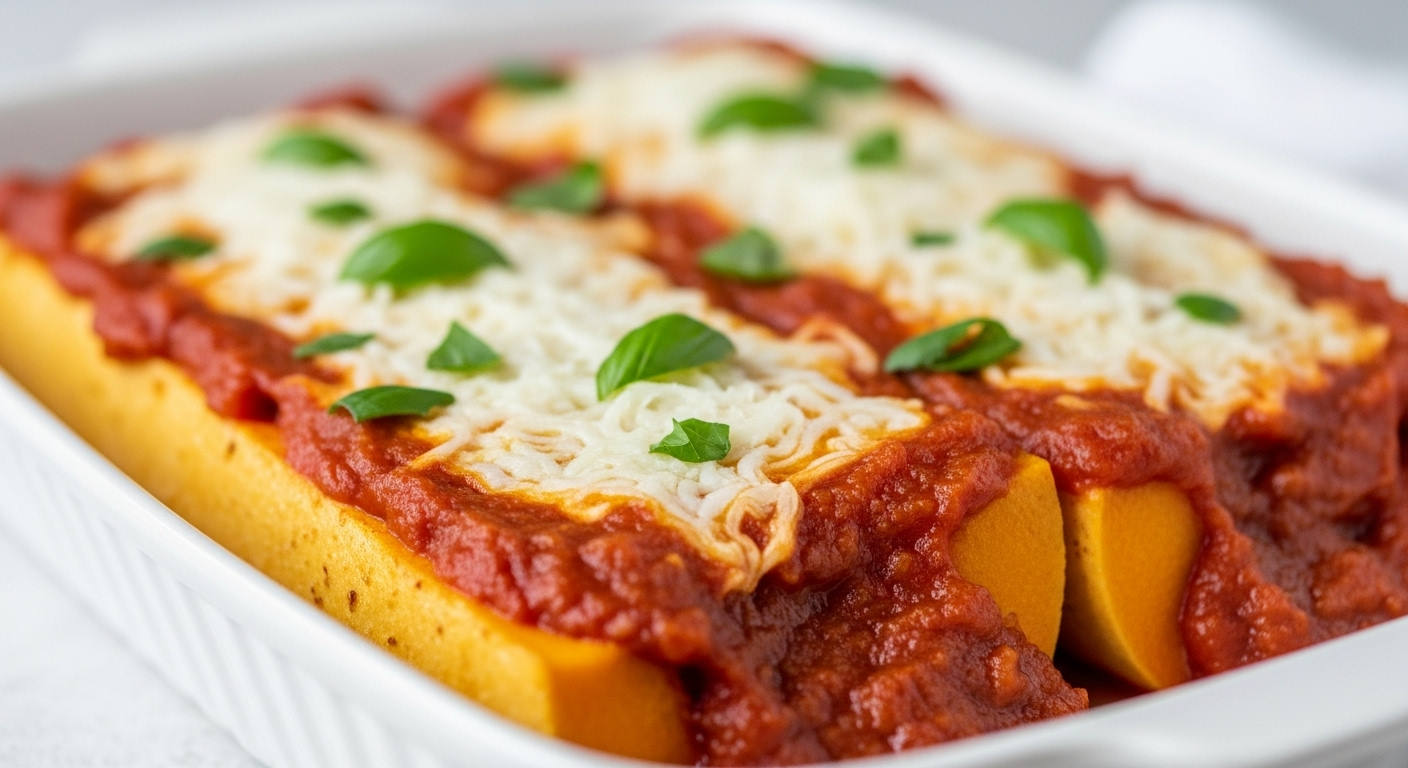
- Combine and Serve: Gently toss the fluffy squash strands with the marinara sauce until evenly coated. Serve warm, garnished with torn fresh basil leaves and a dusting of grated Parmesan if desired.
Tips for Success
- Picking the Best Squash: Weight is your friend-choose a squash that feels heavy to the touch, indicating dense, moist flesh for stringier strands.
- Save the Seeds: Roast the seeds with a pinch of salt for a crunchy snack or garnish.
- advance Prep: Both squash and sauce can be prepared a day ahead; store separately and gently reheat together for a stress-free dinner.
- Customize Your Sauce: for deeper flavor, add a splash of red wine while sautéing onions or finish with a teaspoon of balsamic vinegar.
- Texture Tips: Avoid overcooking the squash-too long in the oven yields mushy strands, while too short leaves tough flesh.
- Alternate Herbs: Fresh herbs like thyme or marjoram can replace dried for a brighter sauce, added in the final 5 minutes of simmering.
Serving Suggestions
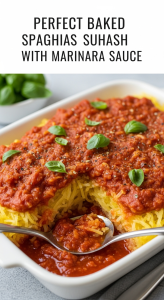
This baked spaghetti squash with marinara sauce shines when complemented with a crisp green salad tossed in lemon vinaigrette and warm, garlic-infused focaccia. For a protein boost, serve alongside grilled chicken or sautéed shrimp. Garnish with freshly torn basil leaves for fragrance and a sprinkle of toasted pine nuts for a luxurious crunch. A light dusting of Parmesan or a dollop of creamy ricotta creates a beautiful contrast in texture and flavor. Serve piping hot in rustic bowls to showcase those glossy, tomato-coated strands shimmering under the afternoon sun for an inviting dining experience.
Nutritional Information
| Nutrient | Per Serving |
|---|---|
| calories | 190 kcal |
| Protein | 6 g |
| carbohydrates | 28 g |
| Fat | 6 g |
Discover more vegetable-centered recipes like this in our Healthy Vegetable Dishes collection. For detailed guidance on vegetable roasting techniques, the Serious Eats roasting guide is an invaluable resource.
Q&A
Q&A: Mastering Perfect Baked Spaghetti Squash with Marinara Sauce
Q1: Why choose spaghetti squash over traditional pasta?
A1: Spaghetti squash is a delightful, nutrient-packed alternative to pasta. When baked, its flesh naturally separates into spaghetti-like strands, offering a low-carb, gluten-free base that soaks up marinara sauce beautifully. Plus,it adds a subtle sweetness and a satisfying texture that elevates your meal.
Q2: How do I select the perfect spaghetti squash for baking?
A2: Look for a firm, heavy squash with a pale yellow hue and no dark spots or soft areas. The skin should be matte rather than shiny, indicating ripeness. Smaller to medium-sized squashes tend to be sweeter and easier to handle.
Q3: What’s the secret to achieving ideal texture in baked spaghetti squash?
A3: The trick is in the baking time and temperature. Bake the whole or halved squash at around 400°F (200°C) for 40-50 minutes, until the flesh is tender but not mushy. Letting it cool slightly before shredding helps maintain the signature spaghetti strands.
Q4: Should I pierce the squash before baking or slice it in half?
A4: Both methods work, but slicing the squash in half lengthwise and scooping out seeds before baking ensures even cooking and caramelizes the edges for added flavor.though, baking it whole locks in moisture and simplifies preparation.
Q5: How do I make a marinara sauce that complements the squash perfectly?
A5: A classic marinara made with ripe tomatoes, garlic, olive oil, fresh basil, and a pinch of red pepper flakes balances sweetness and acidity. Simmering the sauce until thick enhances its richness, creating a luscious coating for the spaghetti strands.
Q6: Can I prepare spaghetti squash and marinara sauce ahead of time?
A6: Absolutely! Bake the squash in advance and store it in an airtight container in the fridge for up to 4 days. The marinara sauce also keeps well and can be refrigerated for up to a week or frozen for longer storage. Reheat gently before serving.
Q7: What toppings and garnishes elevate baked spaghetti squash with marinara?
A7: Freshly grated Parmesan or Pecorino Romano, torn basil leaves, a drizzle of good-quality extra virgin olive oil, and a sprinkle of crushed red pepper can take your dish to the next level. Toasted pine nuts or sautéed mushrooms also add delightful texture and flavor.
Q8: Is spaghetti squash suitable for all dietary preferences?
A8: Yes! It fits vegan, vegetarian, paleo, keto, and gluten-free diets seamlessly. Pair it with a rich, plant-based marinara and toppings like nutritional yeast or vegan cheese to adapt it to various dietary needs.
Q9: How can I avoid watery spaghetti squash strands?
A9: Overcooking or under-draining the strands can cause sogginess. after baking and shredding, gently press the strands with paper towels to blot excess moisture. Also, keep marinara sauce thick and add it just before serving to maintain ideal texture.
Q10: What creative twists can I try with baked spaghetti squash and marinara sauce?
A10: Experiment with mixing in sautéed garlic and spinach, topping with spicy Italian sausage or roasted vegetables, or layering it like a lasagna with ricotta and mozzarella. You can even bake it with the sauce on top to meld flavors further for a comforting casserole-style dish.
the Conclusion
As you’ve discovered, mastering the art of baked spaghetti squash with marinara sauce is more than just a recipe-it’s an invitation to elevate simple ingredients into a satisfying, wholesome meal. With its tender, noodle-like strands and vibrant tomato sauce, this dish offers a perfect harmony of flavors and textures that both comfort and nourish.Whether you’re seeking a lighter alternative to pasta or aiming to impress with a healthful twist, your newfound technique will ensure every bite is a festivity of kitchen confidence. So next time you’re ready to serve up something special, remember: the perfect baked spaghetti squash isn’t just cooked-it’s crafted. Happy cooking!