

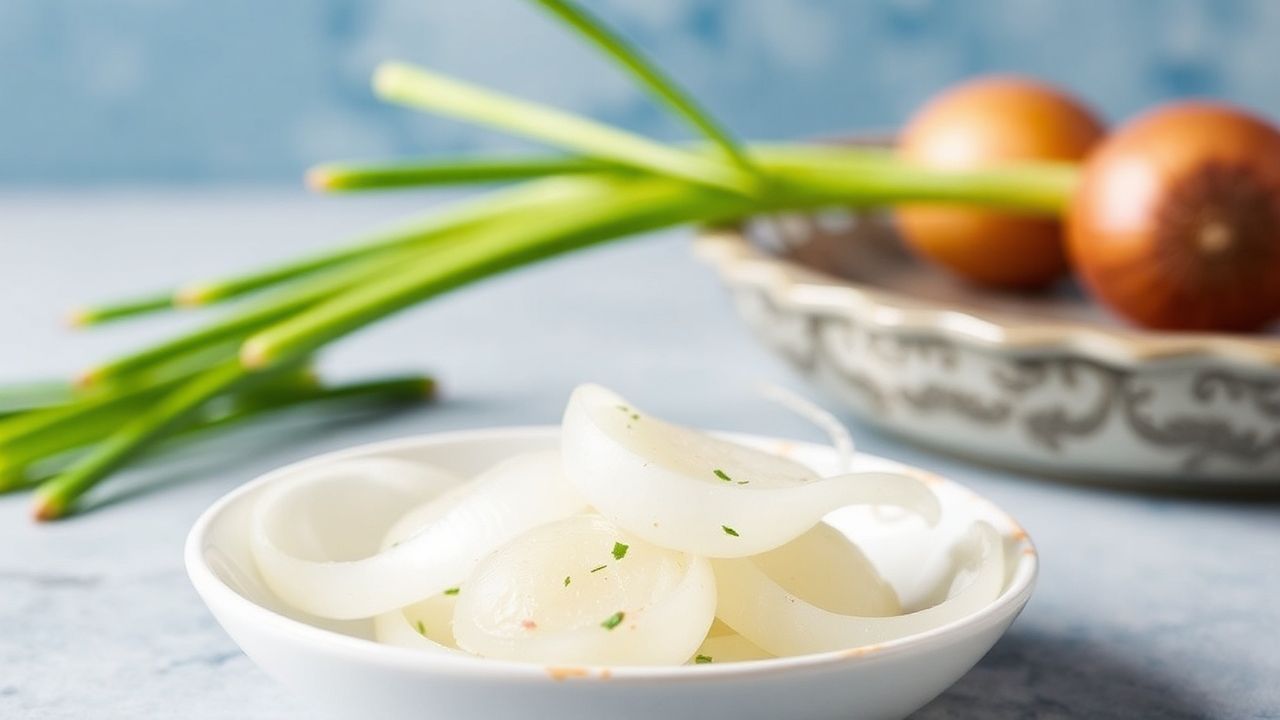
Sweet and Sour Cipollini Onions Recipe delivers a bright, balanced side that feels both simple and special. These petite onions cook into a tender bite, then finish with a tangy glaze that clings to every layer.
- Why Cipollini Onions Taste Different
- Prep and Cook Time
- Yield and Difficulty
- Ingredients
- Step-by-Step Instructions
- Tips for Success
- Serving Suggestions to Elevate Your Tangy Delight
- Q&A
- Q1: What makes cipollini onions ideal for a sweet and sour recipe?
- Q2: Do I need to blanch cipollini onions first?
- Q3: How do I balance acidity and sweetness?
- Q4: Can these onions be served warm or cold?
- Q5: How long do they keep in the fridge?
- In Retrospect
- Flavor balance: sweet honey and sharp vinegar stay in harmony when you simmer gently.
- Best texture: caramelize the onions first for depth, then reduce the liquid for a glossy coating.
- Make-ahead friendly: flavors improve after resting in the fridge.
- Easy serving: pair with salads, roasted vegetables, or charcuterie.
Sweet and Sour Cipollini Onions Recipe: Tangy Power
Sweet and Sour Cipollini Onions Recipe brings out the natural sugar in cipollini onions while the vinegar adds a clean tang. The result tastes like Italian-inspired antipasti, with a syrupy finish that makes even plain plates feel dressed up. These onions work because their small size lets them cook quickly and stay tender without falling apart.
Cipollini onions are often called “flat” onions, and they typically have thinner skins than larger yellow onions. That matters here, because you want a quick sauté and a fast, even simmer. For background on onion types and culinary uses, see onion.
The magic is not a secret ingredient. It comes from timing, heat control, and reduction. When you let the onions caramelize, you build a deeper base flavor, then you seal it in with a sweet-and-sour glaze.
Why Cipollini Onions Taste Different
Cipollini onions tend to taste milder than many storage onions, yet they still carry a natural sweetness. Their smaller layers also absorb the vinegar-sweet mixture more efficiently during the simmer. That’s why the tang reaches the center instead of staying only on the surface.
Because they cook fast, cipollini onions help you avoid overcooking. Overcooked onions turn soft and watery, which weakens the glaze. If you want more clarity on how onions break down during cooking, review caramelization and onion cooking behaviors.
Prep and Cook Time
You can make these Sweet and Sour Cipollini Onions Recipe onions in under an hour, including peeling time. If you prep while the onions sauté, the process stays smooth.
- Preparation: 15 minutes
- Cooking: 25 minutes
- Total Time: 40 minutes
This schedule also suits batch cooking. Many people find the leftovers even better because the glaze thickens as it cools.
Yield and Difficulty
This recipe makes enough for 4 servings as a side dish or appetizer. If you’re feeding more guests, scale the onions and keep the sauce ratios steady.
Difficulty Level: Easy. You only need a skillet and a pot-level simmer. With gentle heat, the onions stay intact and glossy.
Ingredients
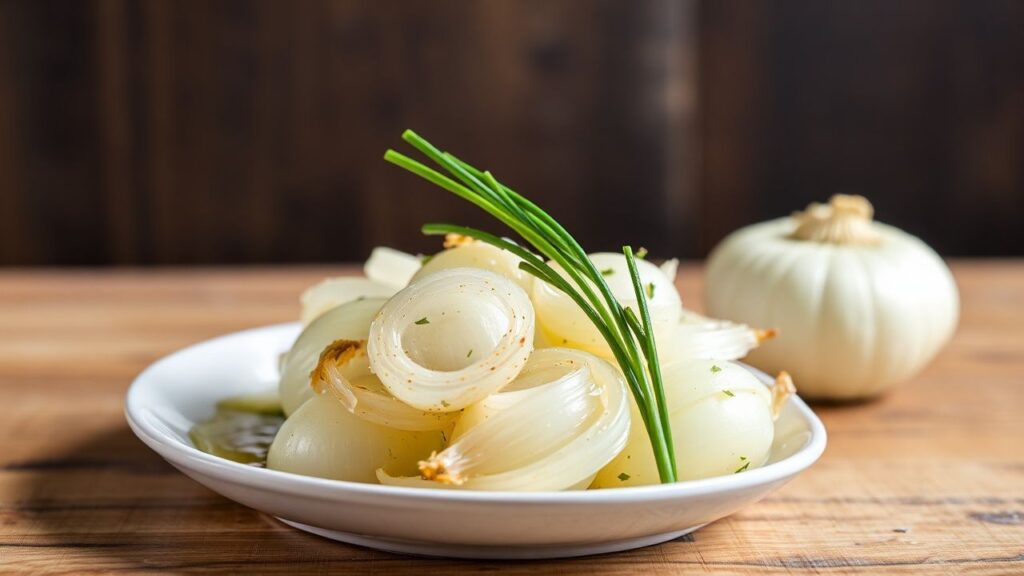
Use fresh, firm cipollini onions for best texture. If you notice soft spots or sprouting, skip those bulbs. Quality onions give you a cleaner sweet-sour balance.
Below is the ingredient list for one batch of this Sweet and Sour Cipollini Onions Recipe:
- 1 lb Cipollini onions, peeled
- 2 tbsp olive oil, extra virgin
- 1/3 cup apple cider vinegar
- 1/4 cup honey or pure maple syrup
- 1/2 cup water
- 1 tsp kosher salt
- 1/2 tsp freshly ground black pepper
- 1 sprig fresh thyme (optional)
- 1/4 tsp red pepper flakes (optional)
- Fresh parsley for garnish
Step-by-Step Instructions
Follow these steps in order so the flavor builds instead of jumping around. Start with caramelization, then move to simmering for the glaze.
Sweet and Sour Cipollini Onions Recipe works best when you keep heat steady and avoid rushing the liquid reduction.
- Select and peel cipollini onions. Choose onions that feel firm and look smooth. Peel the papery skin away, then trim any rough ends so the onions sit evenly in the pan.
- Sauté the onions. Heat olive oil in a medium skillet over medium heat. Add onions and sauté until they develop a golden-brown crust, about 7–8 minutes. Stir every 1–2 minutes to prevent sticking and to brown the sides evenly.
- Prepare the sweet and sour mixture. In a bowl, combine apple cider vinegar, honey (or maple syrup), water, salt, and black pepper. Stir until the sweetener dissolves. If using thyme or pepper flakes, add them now for a more even flavor.
- Simmer the onions in tangy liquid. Pour the mixture over the sautéed onions. Lower the heat to a gentle simmer and cook, uncovered, for about 15 minutes. You want the liquid to reduce and thicken so it coats the onions rather than pooling on the plate.
- Remove thyme and fine-tune seasoning. Taste the glaze. Add a pinch more salt if it tastes flat, or add a little more honey if you want a rounder sweetness. Keep adjustments small so the tang stays sharp.
- Plate and garnish. Transfer onions to a serving dish and spoon over the glossy glaze. Finish with chopped parsley for brightness and color. Serve warm or at room temperature.
Best Texture and Flavor Notes
If your onions look browned but the pan is dry, add a splash of water and keep moving. That prevents burning while you chase color. Then, when you add the vinegar mixture, keep the simmer gentle to avoid breaking the onions.
For additional culinary science behind reduction and thickening, you can reference sauce and reduction (cooking) from Wikipedia.
Pro-Caution With Sweet-Sour Glazes
Sweeteners can burn if you boil too hard during the simmer. If you notice thick bubbles too aggressively, lower the heat right away. Burnt honey or maple brings a bitter note that ruins the balance.
Also, don’t salt too early in the sauté. Salt draws moisture from onions, which can slow browning. This Sweet and Sour Cipollini Onions Recipe avoids that by salting mainly in the simmer liquid.
Adjust salt and sweetness only after the liquid reduces. At that point, your glaze concentrates naturally, and small tweaks make a big difference.
Tips for Success
Small process details make the biggest difference in this recipe. Use these pointers to keep the onions tender and the glaze glossy.
- Choosing cipollini onions: Pick firm bulbs with intact skin. Avoid soft or sprouting onions.
- Caramelization matters: Don’t rush the sauté. Gold color improves the final taste.
- Honey vs. maple: Honey reads floral and rounded, while maple feels deeper and slightly earthy.
- Make ahead: Rest the onions in the fridge so the glaze thickens and flavors meld.
If you want a quick primer on vinegar’s culinary role, you can read vinegar. Acid affects perceived sweetness, which is why the simmer step creates that classic sweet-sour effect.
Serving Suggestions to Elevate Your Tangy Delight
Sweet and Sour Cipollini Onions Recipe shines as part of a spread. Serve the onions warm for a spoonable glaze, or chilled for a firmer bite and brighter tang.
Pair them with roasted vegetables, grilled vegetables, or hearty legumes. Their vinegar brightness cuts through rich textures like cheese and adds sparkle to salads.
Try them on crostini with ricotta or goat cheese. You also can fold them into grain bowls with herbs for a quick, no-fuss meal. For more ideas on antipasti-style sides, explore antipasto from Wikipedia.
For texture, add crunchy toppings such as toasted pine nuts or a few pomegranate seeds. Finish with a thin drizzle of extra virgin olive oil just before serving to boost aroma.
| Nutrient | Per Serving |
|---|---|
| Calories | 120 |
| Protein | 1g |
| Carbohydrates | 25g |
| Fat | 4g |
Nutrition values vary based on onion size and how much glaze each serving includes. If you track calories closely, weigh the cooked onions and spoon the same amount of sauce per portion.
For general guidance on how cooking methods change nutrient retention, you can refer to nutrition on Wikipedia.
Q&A
If you want your Sweet and Sour Cipollini Onions Recipe to match your taste, these answers help you dial in sweetness, tang, and texture. Use them as quick troubleshooting steps.
These tips also help you plan ahead for parties, since this dish holds well once the flavors settle.
Q1: What makes cipollini onions ideal for a sweet and sour recipe?
Cipollini onions stay tender while developing a sweet caramel note during sautéing. Their small size also helps the vinegar-sugar glaze penetrate faster. That combination creates a balanced bite instead of separate flavors.
Because onion browning relies on sugars, caramelization improves the final flavor. Review caramelization for the science behind that browned sweetness.
Q2: Do I need to blanch cipollini onions first?
Blanching isn’t required for this recipe. When you sauté first and then simmer gently, the onions usually reach tender without extra steps. Blanching can help if your onions are unusually large or firm.
If you choose to blanch, keep it short and then continue straight to sauté and simmer. Longer blanching can make onions too soft and harder to glaze.
Q3: How do I balance acidity and sweetness?
Start with the recipe ratios, then adjust after reduction. Taste the glaze near the end, when it already tastes concentrated. If it’s too sharp, add a small spoon of honey. If it’s too sweet, add a small splash of vinegar.
Acid changes how you perceive sweetness. That’s why the final tasting step matters most.
Q4: Can these onions be served warm or cold?
Yes. Warm onions feel more tender and the glaze stays spoonable. Cold onions deliver a firmer bite and a fresher tang.
For best results, refrigerate in a covered container and let them sit at room temperature 10–15 minutes before serving. That step improves aroma and texture.
Q5: How long do they keep in the fridge?
Stored properly, Sweet and Sour Cipollini Onions Recipe keeps about a week. Keep onions submerged in the glaze when possible so the flavors stay intact.
Reheat gently on the stove with a low simmer. Avoid boiling hard, which can thin the glaze and soften onions too much.
In Retrospect
Sweet and Sour Cipollini Onions Recipe gives you a reliable way to create vibrant flavor with simple ingredients. You get sweetness from onions and honey, tang from vinegar, and depth from sautéed caramel notes.
Use them to brighten salads, elevate roasted vegetables, or add a glossy topping to cheeses and antipasti boards. When you let the glaze reduce and rest, the dish tastes more complete and more “chef-like.”
If you want another culinary foundation, you can read about meal planning and how sides and condiments work together. Then serve these onions as the aromatic, tangy element that pulls the plate together.
See also: Sweet and Sour Cipollini