
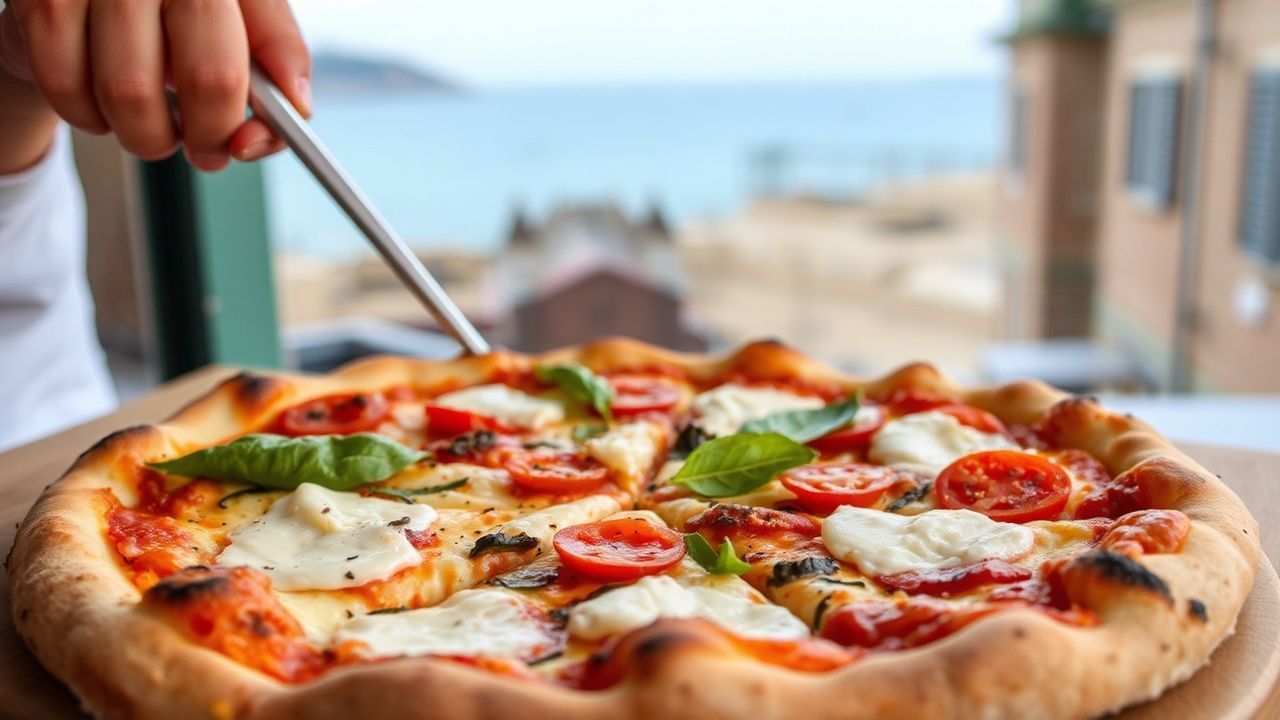
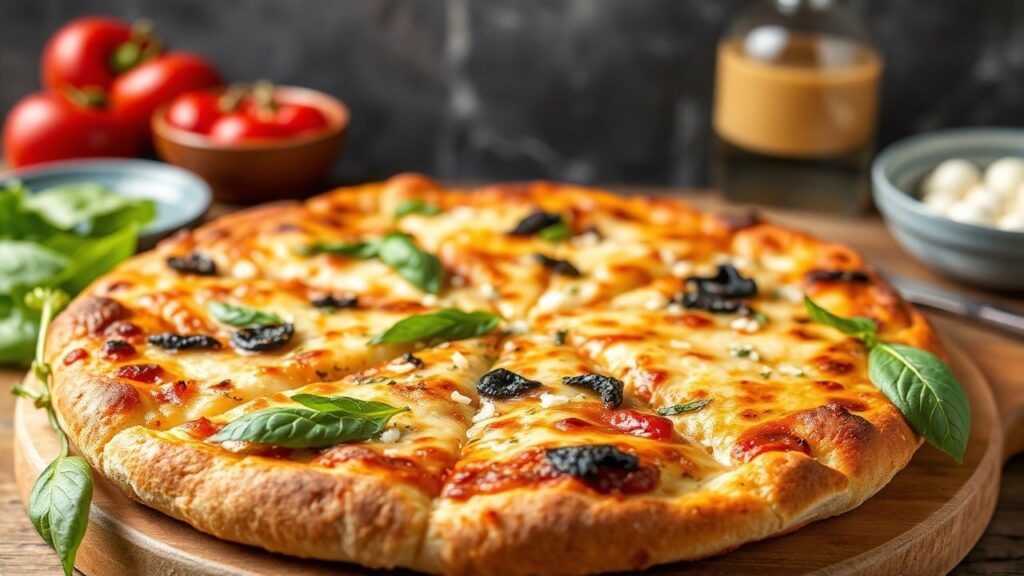
Savoring Sicilian Sfincione means biting into a thick-crust pizza that tastes like it comes straight from Palermo. Every slice delivers sun-warmed tomato sauce, tender bread-like crumb, and that signature topping layer—anchovies, onions, and breadcrumbs—built for deep, savory satisfaction.
- Origins and Traditions Behind Sicily’s Beloved Sfincione
- Crafting the Perfect Thick Crust: Ingredients and Techniques Explained
- Toppings That Transform Sfincione Into a Flavor Explosion
- Serving Suggestions and Pairings to Elevate Your Sfincione Experience
- Chef’s Notes: Tips for Success
- FAQ
- What exactly is Sicilian sfincione, and how does it differ from typical pizza?
- Where does sfincione originate, and what cultural role does it play?
- What ingredients make the topping taste classic?
- How should sfincione dough be different from regular pizza dough?
- Can I customize toppings without losing the Sicilian character?
- Sicilian sfincione uses a thick, airy, focaccia-like dough with higher hydration.
- The topping stays textured: onions, tomatoes, breadcrumbs, and usually aged cheese—not mozzarella.
- Longer fermentation and two rises improve flavor and spongy structure.
- You get the best results by baking until the crust is golden and bubbling at the edges.
This ultimate guide covers origins, dough technique, topping logic, and serving ideas so you can cook with confidence. You will learn what makes sfincione different from thin Neapolitan styles and how to reproduce the classic thick-crust feel at home.
From street-food roots to family-table tradition, sfincione focuses on comfort and texture. It tastes bold because the sauce cooks down, the onion softens, and the breadcrumbs form a crisp top layer over a tender base.
Origins and Traditions Behind Sicily’s Beloved Sfincione
Sfincione belongs to Sicily’s everyday food culture, where practical ingredients become memorable meals. Many Sicilian breads and baked dishes share the idea of stretching simple pantry items into something filling and flavorful.
You can connect sfincione’s spirit to regional Sicilian cooking traditions that highlight bread, tomatoes, and olive oil. For context on regional food foundations, review Sicilian cuisine.
Thick-crust pizza styles often evolve from local ovens, seasonal produce, and household methods rather than from one single recipe. In that way, sfincione mirrors other Mediterranean bread traditions where dough structure and topping layering matter more than a single “perfect” shape.
Historically, Sicilian streets and marketplaces shaped what people could access and afford. Tomatoes became a natural fit for many Sicilian dishes, since tomato cultivation and use spread widely across Mediterranean cooking.
To understand where the tomato foundation fits in Italian food history, see Tomato. That background helps explain why sauces sit at the center of many iconic Sicilian flavor profiles.
Crafting the Perfect Thick Crust: Ingredients and Techniques Explained
Great sfincione starts with dough that stays soft, even when baked thick. Use a high-protein flour and higher hydration so the dough develops an open, tender crumb after fermentation.
Savoring Sicilian Sfincione depends on structure, so plan two rises. The first rise builds flavor and dough strength, while the second rise puffs the dough before you add toppings.
For flour and gluten development, use knowledge from gluten. Gluten gives dough elasticity, but longer fermentation also improves taste and texture.
Choose extra virgin olive oil for aroma and mouthfeel. Olive oil also helps dough handle better during pressing and shaping, which matters when you spread dough to a thicker, pan-based crust.
For yeast-based fermentation timing, refer to bread principles. Active dry yeast needs warm water and enough time to create gas and develop a soft crumb.
Prep and Cook Time
Plan your schedule so dough has time to ferment. A rushed dough usually bakes dense, while a rested dough bakes light.
- Preparation: 20 minutes
- First rise: 1 hour 30 minutes
- Second rise: 30 minutes
- Baking: 25–30 minutes
- Total time: About 3 hours
Yield
This batch makes a rectangular sfincione for hearty slices. Expect 6–8 generous servings depending on how thick you cut.
- Serves 6–8 slices
Difficulty Level
You do not need a pizza oven, but you do need attention to dough feel. If your dough looks too stiff, adjust technique next time by increasing hydration slightly.
- Medium: Requires timing and texture checks
Toppings That Transform Sfincione Into a Flavor Explosion
Toppings build the identity of sfincione. The sauce usually features onions and tomatoes, cooked long enough to soften and reduce, then topped with breadcrumbs and cheese.
Anchovies add savory depth that helps the sauce taste complete. Their flavor distributes into the sauce as they melt, which creates an umami layer without a “fishy” punch when used in classic amounts.
For broader context on umami and savory depth, see umami. That concept explains why anchovies and aged cheese work so well together on thick, saucy dough.
Breadcrumbs are not an afterthought. They absorb extra moisture from the sauce and then toast into a crisp layer, giving sfincione its top texture contrast.
For background on breadcrumbs and their role in cooking, review Breadcrumb. That helps you understand why breadcrumb choice affects crunch and moisture balance.
Traditional sfincione often uses aged cheeses rather than melted mozzarella. Aged cheese adds salt and a nutty, sharper taste that holds up under thick sauce and baking.
To make the flavor profile feel Sicilian, finish with a light drizzle of extra virgin olive oil after baking. It boosts aroma, and it keeps the topping from tasting flat or overly cooked.
Ingredients
Use ingredients that support fermentation and a sturdy, thick crust. Measure accurately because sfincione dough behaves like enriched bread dough.
- 2 ¾ cups all-purpose flour, sifted
- ½ cup semolina flour
- 1 packet (2 ¼ tsp) active dry yeast
- 1 ¼ cups lukewarm water
- 3 tbsp extra virgin olive oil (plus more for greasing)
- 1 tsp fine sea salt
- 1 tbsp sugar
- 1 large yellow onion, thinly sliced
- 1 can (14 oz) crushed San Marzano tomatoes
- 4–6 anchovy fillets in olive oil, drained and chopped
- 1 cup fresh breadcrumbs (made from day-old Italian bread)
- 1 tsp dried oregano
- ½ cup finely grated aged pecorino cheese
- Salt and freshly ground black pepper to taste
Instructions
Follow the steps in order so fermentation and sauce timing do not fight each other. Keep the dough covered during rising to prevent a dry crust from forming.
- Activate the yeast: Combine lukewarm water, sugar, and yeast in a small bowl. Stir gently and bloom for 5–10 minutes until frothy.
- Mix and knead the dough: Whisk flours and salt in a large bowl. Add the yeast mixture and 2 tbsp olive oil. Knead 8–10 minutes until smooth and elastic.
- First rise: Oil a large bowl, place dough inside, and cover. Let rise 1 hour 30 minutes in a warm place until doubled.
- Prepare the sauce and toppings: Heat 1 tbsp olive oil in a skillet. Sauté onions until translucent and golden, about 8 minutes. Add crushed tomatoes, oregano, salt, and pepper. Simmer 20 minutes, then stir in chopped anchovies until melted.
- Prepare the breadcrumbs: Toast fresh breadcrumbs in a dry pan over medium heat, stirring until golden and crunchy. Set aside.
- Shape and second rise: Lightly oil a 12×16-inch rectangular pan. Press dough evenly to about 1 inch thickness. Cover and rise 30 minutes.
- Assemble: Spread sauce over the dough. Sprinkle toasted breadcrumbs, then add grated pecorino. Drizzle a little olive oil over the top.
- Bake: Preheat oven to 425°F (220°C). Bake on the middle rack for 25–30 minutes until the crust is golden and the topping bubbles.
- Rest and serve: Rest 10 minutes before slicing so flavors meld and the crust sets.
Serving Suggestions and Pairings to Elevate Your Sfincione Experience
Sfincione shines when you serve it warm and slice it with respect for its thickness. Let it rest, then plate portions that show the topping layers from edge to edge.
Use fresh herbs for contrast. A light scatter of chopped flat-leaf parsley or rosemary on top adds perfume and bright color against the deep tomato sauce.
A small drizzle of aged balsamic vinegar can add acidity. That acid cuts through richness, especially when you use generous anchovy and cheese amounts.
Pair sfincione with salads that lean crisp and citrusy. The goal is clean freshness that balances the dense dough.
If you want a background on how citrus and olive oil work together in classic Mediterranean salads, see Citrus. It supports the idea of bright acidity as a counterweight to fat and salt.
For a simple meal, add marinated artichokes, olives, or roasted vegetables. Those sides keep the flavor profile cohesive while giving you different textures next to the spongy crust.
For drinks, choose mineral water or a light citrus-based option. You want hydration and palate reset, not strong competing flavors.
Serve sfincione family-style when you can. Thick-crust pizza naturally invites sharing because each slice feels hearty and complete.
| Nutrient | Per Serving (1 slice) |
|---|---|
| Calories | 280 kcal |
| Protein | 9 g |
| Carbohydrates | 36 g |
| Fat | 9 g |
Chef’s Notes: Tips for Success
Chef notes help you correct common issues before they ruin the bake. The most common problems are dense dough, soggy topping, and uneven browning.
Start by treating dough like bread, not like thin pizza. Fermentation and hydration drive softness, while pan oil and bake time shape crust color and texture.
- Flour choice: For extra chew, substitute half the all-purpose flour with bread flour.
- Yeast alternatives: Use fresh yeast if needed, then adjust proofing time based on your room temperature.
- Make-ahead: Refrigerate shaped dough overnight and bring to room temperature before the second rise.
- Anchovy substitution: If anchovies are not an option, use finely chopped olives or sun-dried tomatoes for savory depth.
- Crispier crust: Bake on a preheated stone or cast iron pan for better browning.
- Storage: Keep leftovers refrigerated up to 2 days and reheat in a hot oven to restore crisp edges.
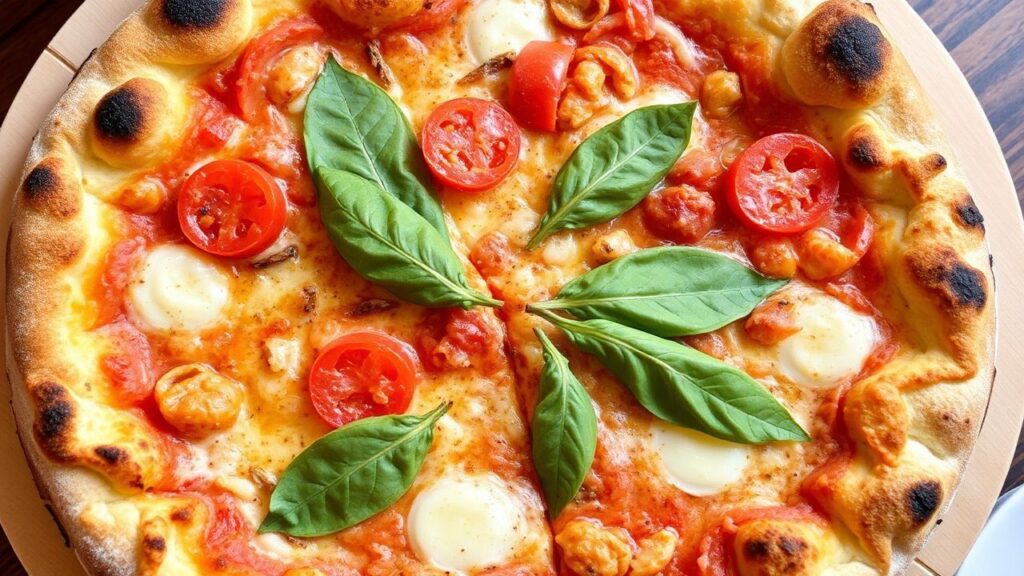
To understand why bread-like bakes benefit from steam and heat control, see Baking. Heat management explains how crust forms, then toppings bubble and set.
You can also use that baking knowledge to fine-tune oven performance. If your crust browns too slowly, bake a few minutes longer and confirm that the breadcrumbs look toasted, not pale.
FAQ
What exactly is Sicilian sfincione, and how does it differ from typical pizza?
Sicilian sfincione is a thick-crust, focaccia-like baked pizza with a spongy, airy crumb. Unlike thin-crust pizza styles, sfincione uses a thicker dough base and a topping that includes onions, tomatoes, breadcrumbs, and often aged cheese.
Where does sfincione originate, and what cultural role does it play?
Sfincione is strongly associated with Sicily, especially Palermo-style street-food traditions and festive home baking. It fits communal meals because the thick slice feels filling and the toppings hold flavor well as the pizza cools slightly.
What ingredients make the topping taste classic?
Classic sfincione relies on reduced tomato sauce, sautéed onions, breadcrumbs, and savory cheese. Anchovies add umami depth, and aged pecorino brings salt and sharp richness.
How should sfincione dough be different from regular pizza dough?
Sfincione dough typically has higher hydration and often includes more oil, then it ferments longer. That combination creates a softer crumb and a sturdy, pan-pressed crust that can support thick toppings.
Can I customize toppings without losing the Sicilian character?
Yes. Keep the core structure—tomato sauce, onions, breadcrumbs, and a finishing cheese—then vary add-ons like roasted peppers or additional savory vegetables. The goal is balance, so the topping stays textured and never turns watery.
See also: Sicilian sfincione