
Why 5-Minute Cottage Cheese Bowls Work for Real Life
Protein-packed cottage cheese bowls fit busy schedules because they require zero cooking and almost no prep. You just portion, layer, and finish with crunchy toppings. That speed makes it easier to choose a nutrient-dense option on days when motivation drops.
- Why 5-Minute Cottage Cheese Bowls Work for Real Life
- The Nutrition Logic: Protein, Fiber, and Texture in One Bowl
- Build the Perfect Bowl: A Repeatable Ingredient System
- 5-Minute Recipe: Classic Berry Protein Bowl
- How to Customize: Sweet Variations (without calorie chaos)
- How to Customize: Savory Cottage Cheese Bowls
- Meal Prep Without Sogginess (The Right Way)
- Common Mistakes That Make Bowls Disappointing
- Pro-Caution: Dairy sensitivity and hidden sugars
- Expert Insight: Build protein first, then lock texture last
- Estimated Nutrition (What to Expect)
- FAQ
- Is cottage cheese a complete high-protein food?
- How can I prevent my bowl from getting watery?
- What toppings are best for staying full longer?
- Can I make savory cottage cheese bowls for breakfast?
- How do I increase protein without adding lots of calories?
- Next Step: Choose Your Favorite Template
Cottage cheese also brings a practical advantage: it’s naturally high in protein, so you build satiety into the meal from the start. When you pair that base with fiber-rich fruit and measured crunch, your bowl becomes both satisfying and repeatable. For a deeper nutrition framework, see protein.
At a Glance (Key Takeaways)
- Protein first: cottage cheese forms the core for fullness and muscle support.
- Fiber + crunch: berries, seeds, and nuts slow digestion and improve texture.
- Build for stability: keep toppings dry until serving to prevent thinning.
- Sweet or savory: the same base adapts to your calories and taste goals.
The Nutrition Logic: Protein, Fiber, and Texture in One Bowl
Most people feel “satisfied” when a meal does three things: it provides enough protein, adds volume through fiber, and creates a texture variety your brain enjoys. Cottage cheese supports the protein side, while fruit and seeds contribute fiber and micronutrients. For fiber basics, review dietary fiber.
Texture matters because it changes eating pace and satisfaction. Creamy cottage cheese plus juicy fruit plus crunchy seeds creates multiple signals in each bite. That variety often helps people stop eating sooner without feeling deprived.
Protein quality and timing (simple, practical)
Cottage cheese contains complete protein, meaning it provides essential amino acids the body needs for repair and maintenance. That makes it a smart breakfast or post-workout snack. For an overview of protein structure, see amino acids.
Protein timing doesn’t have to be perfect. What matters most is consistency—getting enough total protein across the day. If your schedule changes, bowls help you hit your target without cooking or meal-kit complexity.
Why fiber + seeds improve “stay full” effects
Fruit adds water and natural sweetness, while seeds and nuts add fat and fiber. Together they slow digestion compared with a meal that’s mostly refined carbs. That helps many people avoid the hunger cycle that starts 60–90 minutes later.
Chia and flax in particular form a gel-like texture when they hydrate. You can use that to your advantage by either adding them right before eating (for a thicker mouthfeel) or prepping separately if you prefer crunch.
Build the Perfect Bowl: A Repeatable Ingredient System
The easiest way to succeed is to use a structure you don’t have to think about. Start with the base, then add one fruit component, then one crunch component, then one flavor boost. With that system, you can swap flavors while keeping nutrition stable.
A “repeatable” bowl also reduces decision fatigue. You can shop once, build multiple variations, and stick to your goals without recalculating everything each morning.
The core formula (sweet or savory)
Base: cottage cheese (choose low-fat or full-fat based on your calorie target). Aim for enough to anchor your bowl—about 1 to 1½ cups per serving. Small-curd often feels smoother under toppings.
Fruit: berries, sliced banana, peaches, or even apples with cinnamon. Use fruit for fiber and natural sweetness, then control the “extra sweet” with portioning.
Crunch + fats for satisfaction
Crunch: nuts (almonds, walnuts, pecans) or seeds (pumpkin, chia, flax). Measure them. Nuts and seeds add healthy fats, but they also add calories quickly, so portion control matters.
To understand fat’s role in energy density and diet patterns, see dietary fat.
Flavor boosters that keep sugar low
Cinnamon, vanilla, citrus zest, and extracts add strong flavor without pushing sugar higher. If you want sweetness, use fruit first, then add a small drizzle of maple syrup or honey only if needed.
Fresh herbs work too. Mint pairs well with berries, while dill or chives fit savory versions. Your bowl doesn’t need added sauces—just thoughtful seasoning.
5-Minute Recipe: Classic Berry Protein Bowl
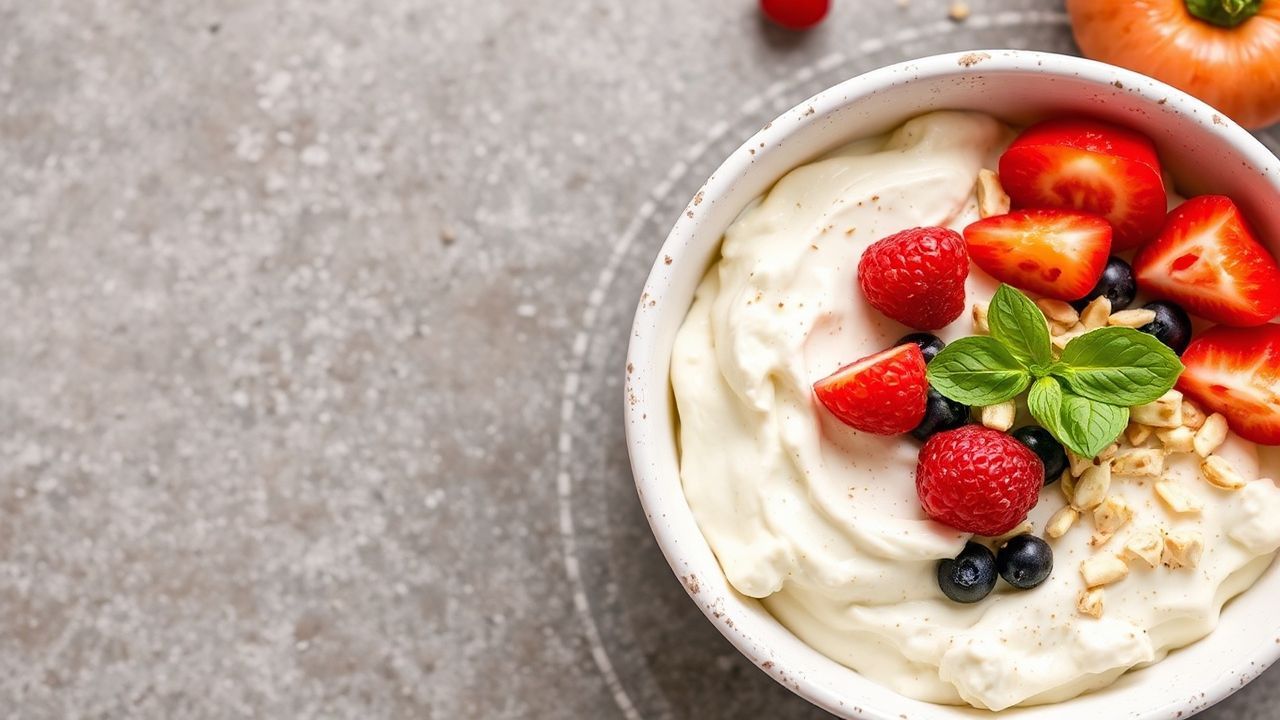
This is the version most people start with because it tastes like dessert while staying high in protein. It also adapts well for meal prep, as long as you handle toppings the right way.
Use this as a template. Once you master it, you’ll build dozens of variations without changing the routine.
Ingredients (1–2 servings)
Base: 1½ cups cottage cheese
Fruit: ½ cup mixed berries (fresh or thawed, well-drained if frozen)
Crunch: 1 tbsp chia seeds + 2 tbsp almonds + 1 tbsp pumpkin seeds
Flavor: 1 tsp cinnamon + 1–2 tbsp unsweetened shredded coconut (optional)
Finish: fresh mint leaves (optional) + 1 tsp maple syrup or honey only if needed
Step-by-step (fast assembly)
1) Spoon cottage cheese into a bowl and spread it slightly so toppings sit evenly. This creates more “topped bites” per spoonful.
2) Add berries on top. If they’re watery, blot them with a paper towel to reduce thinning.
3) Sprinkle chia, almonds, and pumpkin seeds. Distribute them across the surface so every bite includes crunch.
4) Dust with cinnamon. Add maple syrup only after you taste—often fruit sweetness is enough.
5) Finish with coconut and mint right before eating for the freshest aroma.
Texture success checklist
Serve immediately if you want seeds to stay crisp. If you meal prep, keep crunchy toppings in a small container and add them at the last minute.
Don’t over-slice fruit too early. Cut fruit releases juices. Those juices can make the bowl thinner and reduce crunch.
How to Customize: Sweet Variations (without calorie chaos)
You can keep the same protein base and rotate fruit, spices, and crunch. That means you get variety without losing the nutrition structure that makes bowls work.
Below are swap ideas that change flavor quickly but stay easy to assemble.
Banana “dessert” bowl
Replace berries with sliced banana. Add cinnamon, chopped walnuts, and 1–2 tbsp shredded coconut. For dessert flavor, use vanilla extract instead of extra sweetener.
If your banana is very ripe, you may not need maple syrup at all. Taste first, then decide.
Chocolate-cocoa bowl
Use unsweetened cocoa powder (1–2 tbsp) plus a pinch of salt. Pair with berries or sliced strawberries and chia for thickness.
Because cocoa tastes richer than it looks, you can keep sweeteners minimal. That matters if you’re watching added sugar.
Berry-citrus bowl
Add lemon or orange zest. Then finish with pistachios and cinnamon. Citrus brightens sweetness and can reduce cravings for sugary toppings.
This version works especially well in warm weather because it feels lighter.
How to Customize: Savory Cottage Cheese Bowls
Savory bowls are a smart option when you don’t want a sweet breakfast. The base stays the same; you swap fruit for vegetables and switch spices for herbs.
This approach also helps some people reduce daily sugar intake because vegetables naturally taste less sweet than most fruit.
Tomato-basil bowl
Top cottage cheese with cherry tomatoes, black pepper, and chopped basil. Add toasted pumpkin seeds for crunch and a drizzle of olive oil if you need more calories.
For seasoning ideas, use garlic powder or smoked paprika. Keep it light—your toppings should taste fresh, not overpowering.
Cucumber-dill bowl
Use diced cucumber, dill, and lemon juice. Add crushed walnuts or sunflower seeds for texture.
This bowl feels like a cool salad but takes about 5 minutes to make.
Avocado-chili bowl
Spoon cottage cheese into a bowl, then add sliced avocado. Sprinkle with chili powder, salt, and diced tomato. Finish with hemp seeds for a thicker bite.
Avocado brings healthy fats, so portion it carefully if you’re tracking calories.
Meal Prep Without Sogginess (The Right Way)
Meal prep fails when everything sits together too long. Fruit releases moisture, and chia can absorb liquid and turn from “crunch” into “gel” quickly. You can avoid both outcomes with simple separation.
Think in components: base, fruit, and dry crunch. Assemble when you’re ready to eat for the best texture.
Storage plan that protects texture
Container 1: cottage cheese
Container 2: fruit (washed, cut, and patted dry). If fruit is very juicy, store it with a paper towel to absorb extra moisture.
Container 3: nuts and seeds (keep dry and sealed).
Then combine right before eating. This small change improves satisfaction more than most people expect.
Common Mistakes That Make Bowls Disappointing
Even a simple bowl can go wrong. Usually the issue isn’t the ingredients—it’s ratios and timing.
Here are the biggest mistakes and how to fix them.
1) Using watery fruit
Thawed frozen berries and freshly cut fruit can release juice. That juice thins cottage cheese and makes toppings slide around.
Blot fruit dry and measure portions so you don’t end up with a watery bowl.
2) Adding too much sweetener too early
Maple syrup or honey can quickly add sugar and calories. Many people pour it in before tasting, then stop enjoying the natural fruit flavor.
Add sweetener last and taste as you go.
3) Skipping crunch
If you only add soft toppings, the bowl can feel “flat” after a few bites. Crunch creates contrast, which improves perceived satisfaction.
Use chia, pumpkin seeds, almonds, or a measured amount of granola if you prefer a softer crunch.
[WARNING]Pro-Caution: Dairy sensitivity and hidden sugars
If you’re sensitive to dairy or lactose, test a small serving first. Some people tolerate cottage cheese better than milk, but your gut may react differently depending on your individual sensitivity.
Also watch sweet toppings. “Healthy” syrups and flavored additions can raise sugar quickly, especially when you use larger-than-planned fruit or multiple sweet components.
Choose low-sugar flavor strategies first: cinnamon, vanilla, citrus zest, and measured nuts. Then decide whether you truly need extra sweetness.
[TIP]Expert Insight: Build protein first, then lock texture last
When you want a higher-protein bowl, start with cottage cheese that lists more protein per serving on the label. Keep fruit portions steady so you don’t accidentally reduce protein density.
Finish with crunch by adding seeds first and saving the nuts for last. This order helps chia and pumpkin seeds contribute thickness without letting nuts soften too quickly.
Estimated Nutrition (What to Expect)
Nutrition varies by brand and portion size, but this template usually lands in a moderate calorie range with strong protein. If you track macros, weigh the cottage cheese and check the label for protein per serving.
As a planning estimate for the classic berry bowl: about 280 calories, 28 g protein, 18 g carbohydrates, and 9 g fat per serving. Adjust fruit and crunch to match your goals.
FAQ
Is cottage cheese a complete high-protein food?
Cottage cheese provides protein with essential amino acids, and it can support muscle maintenance as part of a balanced diet. The key is portion size and total daily protein. For background, see protein.
How can I prevent my bowl from getting watery?
Use berries that aren’t soaking wet, blot thawed frozen fruit, and store fruit separately from cottage cheese. Assemble right before eating, and keep seeds and nuts in a dry container until serving.
What toppings are best for staying full longer?
Pair protein with fiber and measured fat. Berries plus chia or pumpkin seeds plus a small portion of nuts usually perform well because they slow digestion and keep texture satisfying.
Can I make savory cottage cheese bowls for breakfast?
Yes. Tomato-basil, cucumber-dill, and avocado-chili bowls work well because they keep the same high-protein base while replacing fruit with vegetables and herbs.
How do I increase protein without adding lots of calories?
Pick a cottage cheese brand with higher protein per serving, then keep fruit portions consistent. You can also add more protein via toppings with minimal sugar impact, such as measured seeds, while avoiding large calorie increases from extra sweeteners.
Next Step: Choose Your Favorite Template
Pick one sweet version and one savory version that match your cravings. Then repeat them for a week using the same portion system. Consistency builds results because you spend less time deciding and more time hitting nutrition targets.
When your bowls taste good and stay satisfying, you’ll reach for them automatically—especially on mornings when cooking feels like too much.
See also: Protein cottage cheese