
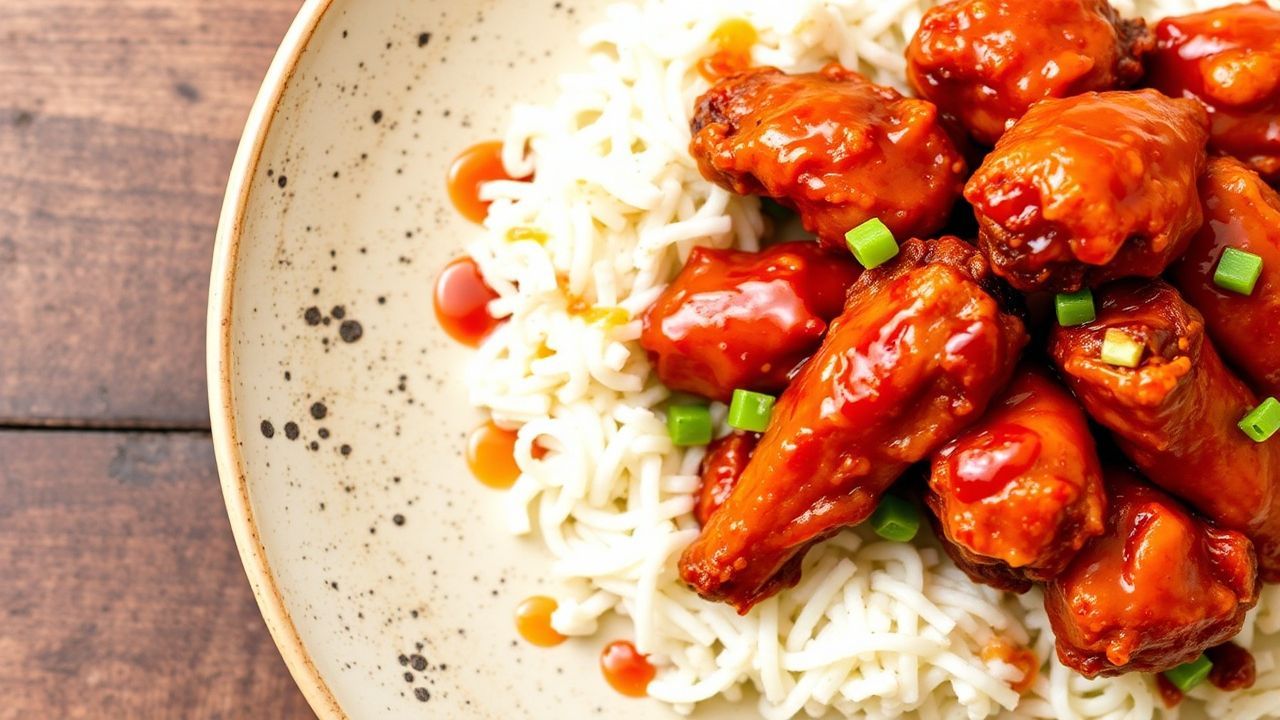
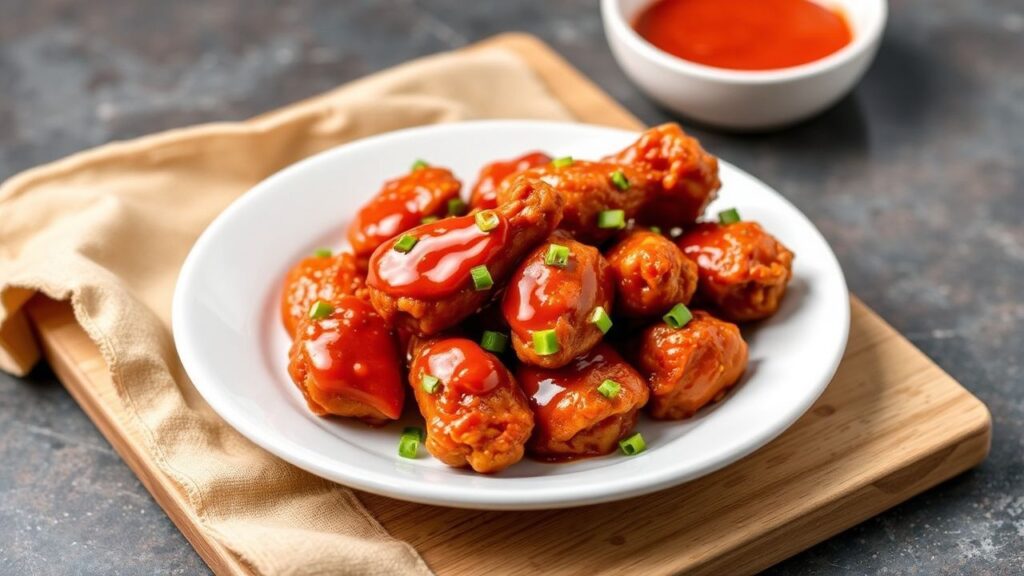
One-Pot Gochujang Honey Buffalo Wings bring bold, sticky heat to your table with far less hassle than deep-frying or multi-step glazing. You cook the wings, build the sauce, and coat everything in the same pot, so flavor comes fast and cleanup stays small.
- One pot handles searing, saucing, and simmering.
- Gochujang + honey gives sweet heat and a glossy glaze.
- Buffalo-style tang keeps the flavor sharp, not flat.
- Easy heat control with simple ingredient swaps.
These wings combine the punch of buffalo sauce with the fermented depth of gochujang. Honey rounds the edges and helps the sauce cling, so every bite tastes sticky, spicy, and balanced.
If you want crowd-pleasing game day wings without a kitchen disaster, this method fits. You can serve them straight away or reheat them later, and the glaze still coats well.
Prep and Cook Time
Plan on about 40 minutes total from prep through serving. The cook time includes searing for crisp texture and then simmering to thicken the gochujang honey buffalo sauce.
If you use smaller wing pieces, they cook slightly faster. For larger wings, keep an eye on browning and aim for tender meat before saucing.
- Planning: 15 minutes
- Cooking: 25 minutes
- Total Time: 40 minutes
Yield
This recipe yields serves 4–6. It works well for a casual group, especially if you add dips and crunchy sides.
If you feed a larger crowd, double the batch and use a bigger pot. Avoid crowding the skillet, because overcrowding steams the skin instead of crisping it.
- Serves 4-6 hungry guests
Difficulty Level
These One-Pot Gochujang Honey Buffalo Wings land in the easy to medium range. The technique stays simple: dry, sear, then simmer in one pot.
You don’t need special equipment, but a heavy skillet or Dutch oven helps you manage heat. Stable heat improves both browning and sauce thickness.
- Easy to Medium
Essential Ingredients for One-Pot Gochujang Honey Buffalo Wings
The ingredient list uses familiar wing pantry staples plus two flavor anchors: gochujang and honey. Together, they create sweet heat with a deep, savory base.
For background on the chili paste style, see gochujang. For the buffalo-sauce flavor profile, review buffalo wings to match expectations.
- 2 lbs chicken wings, split at the joint, tips removed
- 2 tablespoons vegetable oil, for crisping
- 3 tablespoons gochujang (Korean red chili paste) — choose a reputable brand
- 1/4 cup honey — for sweetness and glaze
- 1/4 cup buffalo hot sauce — for classic tangy spice
- 2 cloves garlic, minced — for aromatic depth
- 1 tablespoon soy sauce (or tamari for gluten-free)
- 1 teaspoon apple cider vinegar — for brightness
- Salt and pepper, to taste
- Optional garnish: sliced green onions and toasted sesame seeds
Step-by-Step Guide to One-Pot Crispy Buffalo Wings
Start with dry wings. Dry skin browns better, and that matters because this recipe relies on searing before saucing. Keep the skin intact as you handle the wings.
Then build the sauce in the same pot. This reduces dishes and lets the glaze stick to the browned bits left from searing.
- Prep the wings: Pat the wings very dry with paper towels. Season lightly with salt and pepper so the skin has flavor.
- Heat the oil in a deep skillet or Dutch oven: Warm vegetable oil over medium-high heat until shimmering. Avoid letting it smoke.
- Sear the wings: Place wings in a single layer. Cook about 5–7 minutes per side until golden and crisp, working in batches if needed.
- Manage excess fat: If your pan has heavy oil buildup, carefully drain a bit, then lower heat to medium-low.
- Make the gochujang honey buffalo sauce: Stir together gochujang, honey, buffalo hot sauce, minced garlic, soy sauce, and apple cider vinegar. Cook 2–3 minutes until glossy and warmed.
- Toss the wings: Return wings to the pot and coat well. Simmer gently 5–7 minutes, turning occasionally until the sauce thickens.
- Final seasoning: Taste and adjust. If it needs more balance, add a pinch of salt or a touch more vinegar for tang.
- Garnish and serve: Plate the wings and finish with green onions and sesame seeds for crunch.
For heat and fermented flavor context, fermentation explains why gochujang tastes complex. That complexity is why the sauce holds up even when you cook it in one pot.
Tips for Customizing Heat Levels and Serving Suggestions
You can easily control the heat without changing the method. If you want milder wings, reduce gochujang and add a bit more honey to keep sweetness and texture balanced.
If you want more heat, add extra buffalo hot sauce or a pinch of cayenne. Because you simmer the sauce, small changes build fast—so taste as you go.
Serve with cooling sides that cut through the sticky heat. Celery sticks work well because they add crunch and mild bitterness, and creamy dips balance spice.
For a fun option, pair with rice or a crunchy slaw. For the tangy crunch ideas behind fermented sides, you can reference slaw to match textures.
Serving Ideas That Boost Dwell Time
To keep guests eating longer, place wings and sides on one large platter. Then add dip bowls in the center so people reach for them naturally while they talk.
If you serve a crowd, keep the wings warm by holding them on low heat in the same covered pot. This helps the glaze stay cohesive instead of drying out.
Chef’s Notes for Better Results
Small process choices improve both crispness and sauce cling. Dry skin first, then sear until browned, then simmer only until thick.
Also, remember that wing size affects timing. Don’t rush the simmer; the sauce needs a short cook to become glossy.
Make Ahead and Reheating
You can sear and sauce earlier, then reheat before serving. Store wings covered in the fridge, and rewarm gently so the glaze doesn’t split.
If the sauce thickens too much, loosen it with a splash of water. Stir while reheating so the honey and gochujang blend smoothly.
Gluten-Free and Ingredient Swaps
For a gluten-free version, use tamari instead of soy sauce and confirm your buffalo sauce label. Then follow the recipe exactly so flavor stays balanced.
If you can’t find gochujang, substitution gets tricky. You can create a similar sweet-savory-spicy base, but flavor depth may differ because gochujang uses fermented ingredients.
- Make ahead: Sear and sauc up to a day ahead; reheat gently in the sauce.
- Alternative oils: Use avocado or grapeseed oil for higher smoke points.
- Gluten-free option: Use tamari and check buffalo sauce for gluten.
- Gochujang substitution: If needed, mimic sweet-savory-spicy depth carefully; results vary.
| Nutrition per Serving | Calories | Protein | Carbs | Fat |
|---|---|---|---|---|
| One-Pot Gochujang Honey Buffalo Wings | 350 kcal | 28 g | 12 g | 22 g |
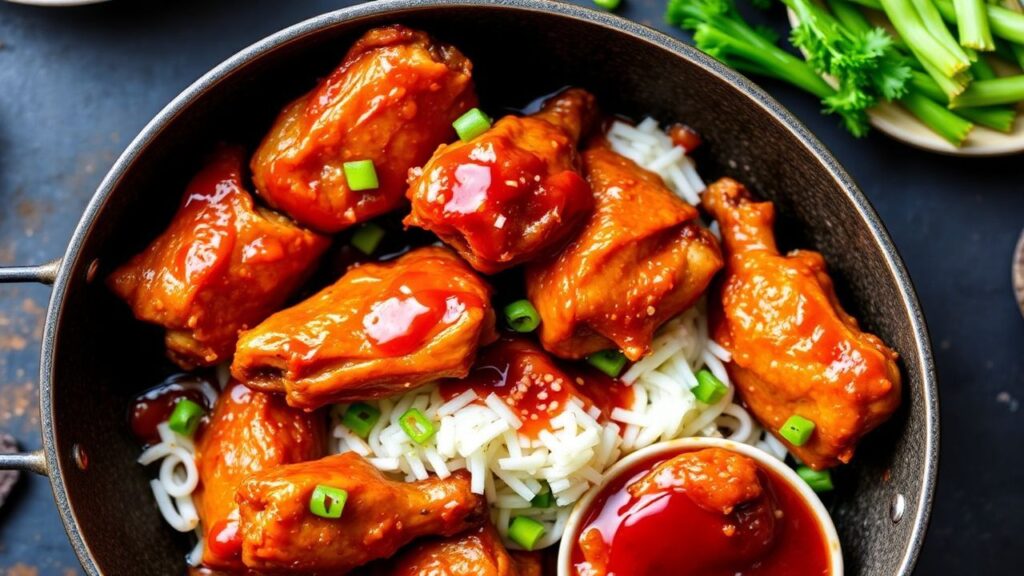
These wings fit busy schedules because the method stays streamlined. One pot also helps the sauce pick up fond from searing, which improves overall depth.
If you want more context on how hot peppers and chili-based sauces add flavor complexity, visit chili pepper. It helps explain why layering chili paste and buffalo sauce creates a richer burn.
At a Glance
Quick takeaways help you nail the texture and taste the first time. Use these points as your checklist from sear to serve.
- Dry wings for crisp skin before saucing.
- Sear hard, then reduce heat for a glossy simmer.
- Toss and simmer until the sauce thickens and clings.
- Adjust balance with honey for sweetness or vinegar for tang.
FAQ
What makes one-pot cooking ideal for wings?
One-pot cooking reduces steps and keeps flavors together. As the wings simmer in the sauce, they absorb sweet heat and tang while the glaze thickens.
This method also saves cleanup. You use the same pot for searing and coating, so you don’t lose the browned flavor from the bottom of the pan.
Why use gochujang in a buffalo wing recipe?
Gochujang adds fermented umami plus sweet-spicy heat. Buffalo sauce brings tang, but gochujang gives a deeper background flavor.
That combination results in a sauce that tastes rounded and complex rather than only hot and vinegary. For background on the fermentation tradition behind it, see fermentation.
How does honey affect the sauce texture?
Honey sweetens and helps create a sticky glaze. During the simmer, the sauce thickens and coats the wing surface instead of sliding off.
If your sauce feels too thick, add a small splash of water. If it feels too thin, simmer 1–2 minutes longer.
Can I make these wings ahead for meal prep?
Yes. Cool the wings quickly, then store in a sealed container in the fridge. Reheat gently so the coating stays glossy.
When reheating, stir and add a splash of water if the glaze thickened too much.
How spicy are One-Pot Gochujang Honey Buffalo Wings?
The heat level is moderate and customizable. Gochujang usually offers a smoky chili warmth, while buffalo sauce adds tangy heat.
To go hotter, add more buffalo sauce or cayenne. To go milder, reduce gochujang and increase honey slightly.
Ready to cook bold wings with less mess? Follow the sear-and-simmer steps, then tweak sweetness and heat until the glaze matches your taste.
See also: One-Pot Gochujang