

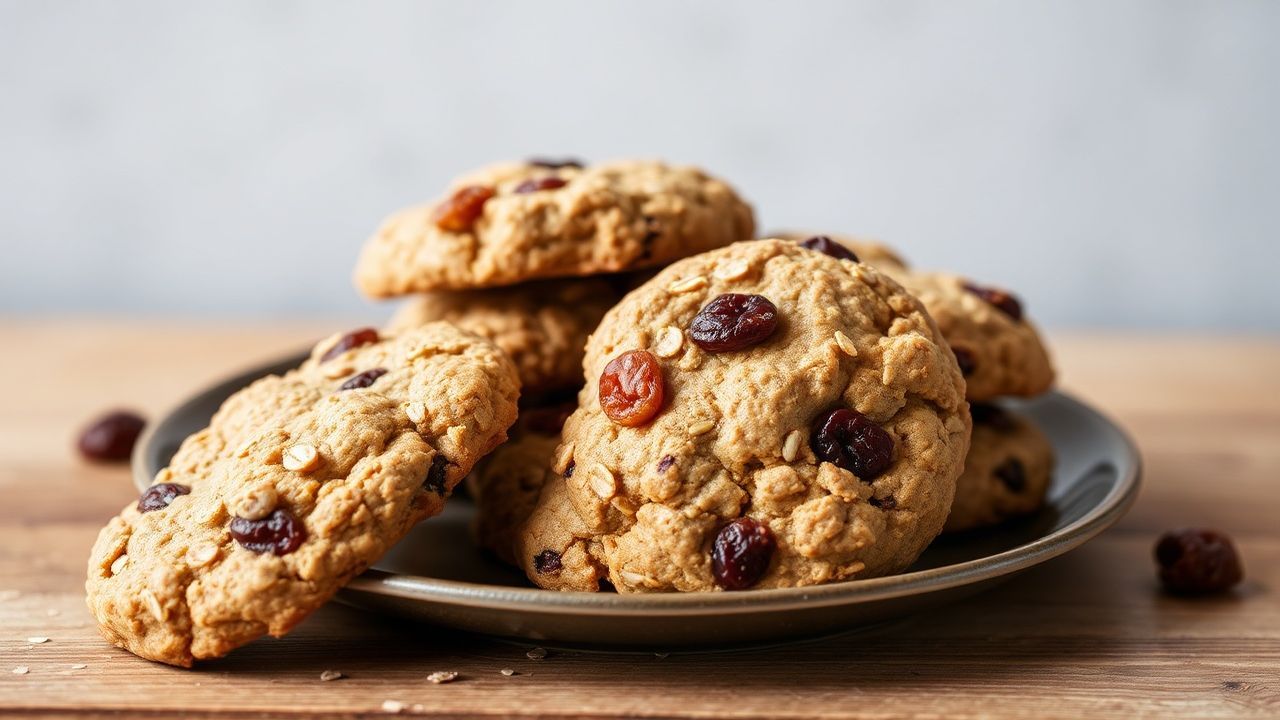
There’s something undeniably comforting about the warm, chewy embrace of oatmeal raisin cookies—a timeless treat that has woven itself into kitchens and heart-warming memories. Golden oats and plump raisins create a balance of indulgence and everyday nourishment, without needing fancy ingredients.
- The timeless charm of Oatmeal Raisin Cookies in culinary history
- Nutritional benefits that make Oatmeal Raisin Cookies a smarter treat
- Crafting the perfect Oatmeal Raisin Cookie texture and flavor
- Expert tips for baking and storing cookies to preserve freshness
- Prep, ingredients, and instructions (for classic chewy results)
- Q&A
- Why do my oatmeal raisin cookies turn out dry?
- How do I keep oatmeal raisin cookies chewy for days?
- Can I make oatmeal raisin cookies healthier?
- What’s the best way to prevent cookies from spreading too much?
- Do I need to use old-fashioned rolled oats?
- Future outlook
- Oats add texture, fiber, and a hearty bite.
- Raisins bring natural sweetness and chew.
- Spices like cinnamon boost aroma and flavor depth.
- Storage tricks help cookies stay soft longer.
In the same spirit as old-fashioned baking, oatmeal raisin cookies also work well with modern swaps. You can adjust fat, sweetness, and mix-ins while keeping the signature chewy center.
At first bite, you’ll notice a tender interior and lightly crisp edges. That contrast comes from technique, timing, and a good oat-to-raisin ratio.
The timeless charm of Oatmeal Raisin Cookies in culinary history
Oatmeal raisin cookies earned their place through practicality and flavor. Oats were easy to source and bake with, and raisins offered shelf-stable sweetness in many home pantries.
Traditional baking in the UK and early American kitchens leaned on grains and dried fruits. If you want context, see how oats became a staple crop and why they fit so naturally into baked goods.
Over time, families passed down recipes by copying notes, adjusting sweetness, and swapping dried fruit based on what they had. That’s why you’ll find small differences in chew, spice level, and browning across generations.
Nutritional benefits that make Oatmeal Raisin Cookies a smarter treat
Beyond taste, oatmeal raisin cookies offer nutritional advantages when you build them thoughtfully. Rolled oats bring soluble fiber, which supports digestive health and helps you feel satisfied after eating.
Raisins add more than sweetness. They contribute natural sugars and small amounts of micronutrients, and they also bring a sticky moisture feel that supports a soft cookie texture.
If you want a clear reference for oats and their components, review oat nutrition and the role of grain-based ingredients in balanced diets. Then use that knowledge to choose your baking approach.
Spices also matter. A touch of cinnamon can make flavor taste richer, so you often need less extra sugar to reach the sweet-vanilla-cookie vibe.
Crafting the perfect Oatmeal Raisin Cookie texture and flavor
The hallmark of great oatmeal raisin cookies is texture. You want slightly crisp edges, yet a tender, chewy center that stays soft even after cooling.
Start with dough consistency. Cream butter and sugars until fluffy, then mix just enough to form a cohesive batter. Overmixing develops structure in the flour and can make cookies tougher.
Oats and raisins work as your texture anchors. Oats provide bite and chew, while raisins add juicy pockets as they bake and cool.
For reliable guidance on flour behavior, check gluten and why gentle mixing helps keep cookies tender. Then aim for quick, confident steps.
Expert tips for baking and storing cookies to preserve freshness
Timing and cooling drive the final result for oatmeal raisin cookies. Bake until edges turn golden, but pull cookies when centers still look slightly underdone. They finish setting as they cool.
Chill dough when you want tighter shapes and more flavor. Cold dough slows spread and helps oats hydrate evenly during baking.
After baking, store cookies in an airtight container. Add a slice of bread or a clean apple wedge only if you need extra moisture control, then remove it after a few hours to avoid sogginess.
If you plan ahead, freeze baked cookies. Cool fully, then freeze in a sealed bag. Thaw at room temperature for best texture.
Prep, ingredients, and instructions (for classic chewy results)
Use this straightforward method for reliable oatmeal raisin cookies. It emphasizes hydration and controlled mixing so your batch lands in the chewy zone.
Below are clean, repeatable steps you can follow. Adjust add-ins only after you master the base recipe once.
Prep and cook time
Prep: 15 minutes
Cook: 10–12 minutes
Total: about 27 minutes
These times assume standard ovens and room-temperature butter. If your kitchen runs cool, expect dough to feel firm and you may need a slightly longer creaming step.
Yield
About 24 medium cookies. Yield varies based on scoop size and how round you portion each mound.
For even baking, use the same scoop or spoon for each cookie. Consistency helps you remove trays on time.
Difficulty level
Easy, with results that improve after one try. You don’t need special tools—just a bowl, mixer (optional), and parchment.
If you’re new to baking, focus on mixing time more than ingredient brands. Technique shapes texture more than marketing does.
Ingredients
- 1 cup unsalted butter, softened
- 1 cup packed light brown sugar
- 1/2 cup granulated sugar
- 2 large eggs
- 1 tsp pure vanilla extract
- 1 1/2 cups all-purpose flour, sifted
- 1 tsp baking soda
- 1 tsp ground cinnamon
- 1/2 tsp ground nutmeg
- 1/2 tsp salt
- 3 cups old-fashioned rolled oats
- 1 1/2 cups raisins (plump and moist if possible)
Old-fashioned rolled oats deliver better chew than quick oats in most recipes. They also keep their structure better while baking.
For a quick reference on how grains behave in food, see whole grains and why grain choice affects texture and satiety.
Instructions
- Preheat oven to 350°F (175°C) and line baking sheets with parchment.
- Cream butter and sugars until light and fluffy, about 3–4 minutes.
- Beat in eggs one at a time, then mix in vanilla.
- Whisk flour, baking soda, cinnamon, nutmeg, and salt separately.
- Combine dry and wet ingredients. Mix just until the flour disappears.
- Fold in rolled oats and raisins gently.
- Scoop 2-inch spaced portions onto trays.
- Bake 10–12 minutes, until edges look set and golden.
- Cool 5 minutes on the tray, then move to a rack.
When you remove cookies at the right moment, the center firms up as it cools. That’s the key to chewy results.
If you want to understand why ingredients rise and spread, review baking powder and leavening concepts. Baking soda also relies on chemistry with acidic ingredients in the recipe.
Tips for success
- Use old-fashioned rolled oats for chew.
- Chill dough 30 minutes for better spread control.
- Swap raisins for dried cranberries or chopped dates for variety.
- Underbake slightly for soft centers.
- Make-ahead: chill dough up to 3 days or freeze up to 3 months.
If you test small batches, you’ll quickly learn your oven’s personality. Then you can adjust bake time by 1–2 minutes with confidence.
For storage science basics, it helps to know how dried fruit and grain moisture change over time. See food preservation for a general overview of why sealing matters.
Serving suggestions
Serve oatmeal raisin cookies with chai tea or black coffee. Warm drinks amplify cinnamon and vanilla notes.
For a dessert-forward approach, pair cookies with vanilla ice cream or yogurt. The cold creaminess contrasts the warm spice and chewy bite.
Q&A
Quick answers help you troubleshoot oatmeal raisin cookies on the first attempt. Use these tips as a guide when texture or sweetness feels off.
Each question below targets a common home-baker problem, including chew, storage, and healthier variations.
Why do my oatmeal raisin cookies turn out dry?
Dry cookies usually bake too long or cool too slowly on the tray. Pull cookies when edges set but centers still look soft, then cool them on a rack.
Also check oven temperature with a simple thermometer. Even small differences can shift bake time.
How do I keep oatmeal raisin cookies chewy for days?
Store cookies airtight and avoid long exposure to open air. If they start to firm up, add a small slice of bread to the container for a few hours.
Use moderate underbake time and cool completely before sealing for best moisture retention.
Can I make oatmeal raisin cookies healthier?
You can reduce refined sugar by using less granulated sugar or using more brown sugar for deeper flavor. You can also add chopped nuts for extra texture and healthy fats.
Keep the oats and raisins in place so the recipe still feels like oatmeal raisin cookies rather than a different dessert.
What’s the best way to prevent cookies from spreading too much?
Chill the dough for 20–30 minutes before baking. Cold dough sets faster and limits spread.
Also measure flour accurately. Too little flour can thin the dough and lead to wider cookies.
Do I need to use old-fashioned rolled oats?
Old-fashioned oats give the classic chewy bite. Quick oats bake faster and can soften more, so the texture shifts.
If you must use quick oats, reduce bake time slightly and watch for early edge set.
Future outlook
As home bakers keep chasing “better-for-you” treats, oatmeal raisin cookies remain a smart favorite. They naturally balance grain texture, dried fruit sweetness, and warm spices.
With careful technique—gentle mixing, correct baking time, and airtight storage—this classic cookie keeps delivering the comforting chew people expect.
See also: oatmeal raisin